
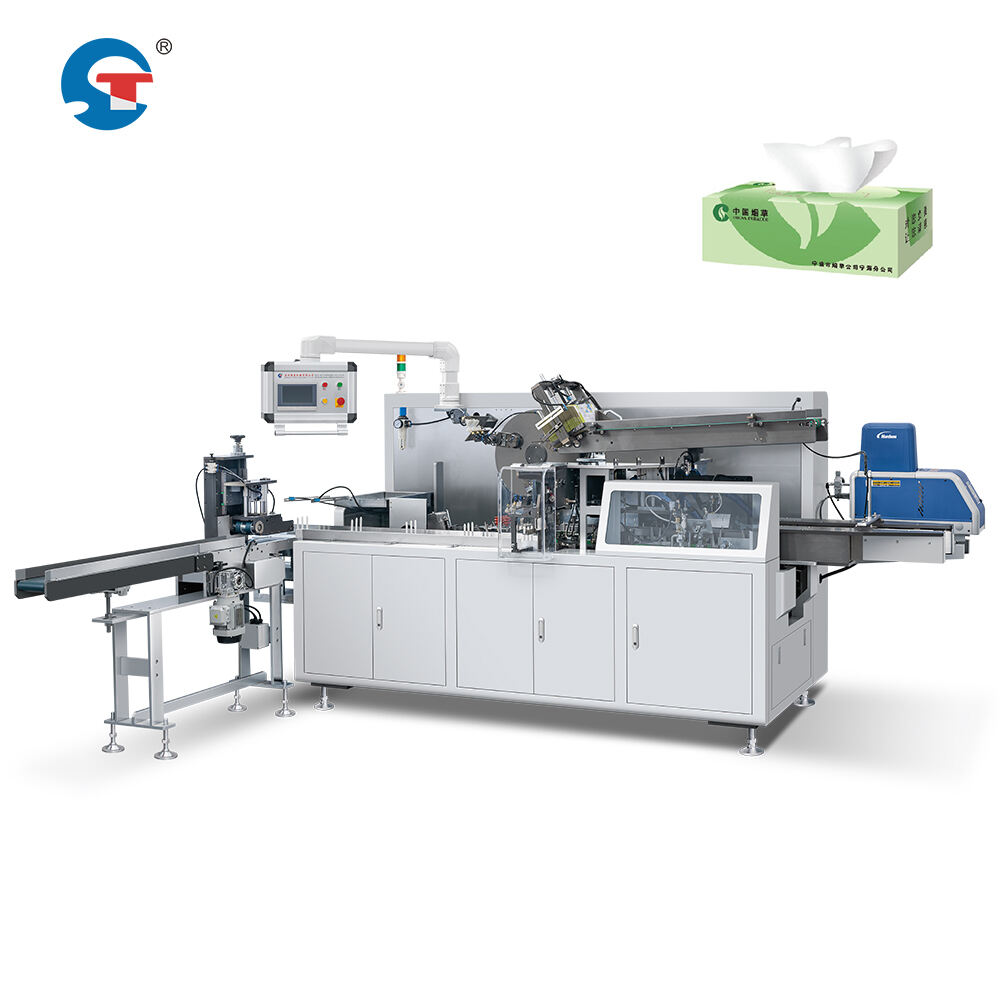
خریداران صنعتی که راهحلهای اتوماسیون را برای خطوط تولید خود ارزیابی میکنند، با پرسشی حیاتی روبرو هستند: کدام vertical packaging machine ویژگیها بهطور مستقیم بر کارایی عملیاتی، کیفیت محصول و بازده سرمایهگذاری بلندمدت تأثیر میگذارند؟ برخلاف تجهیزات مصرفی که در آنها سادگی اولویت دارد، سیستمهای ماشینآلات بستهبندی عمودی صنعتی نیازمند مهندسی قوی، کنترلهای دقیق و قابلیتهای انطباقی هستند که با محیطهای تولیدی متنوع هماهنگ باشند. این تصمیم فراتر از قیمت اولیه خرید گسترش مییابد و شامل دورههای نگهداری، پیچیدگی ادغام، ثبات ظرفیت تولید و انطباق با مقررات در سطح حقوقی متعدد میشود.
انتخاب ماشین بستهبندی عمودی مناسب نیازمند درک این است که چگونه ویژگیهای فنی خاص، به نتایج کسبوکار قابل اندازهگیری تبدیل میشوند. ویژگیهایی مانند انتقال فیلم محرک با سرووموتور، مکانیزمهای آببندی ماژولار، سیستمهای وزنسنجی یکپارچه و کنترلکنندههای منطقی برنامهپذیر (PLC) تعیین میکنند که آیا یک ماشین صرفاً وظایف بستهبندی را انجام میدهد یا اینکه بهطور فعال سرعت تولید را افزایش داده و همزمان ضایعات مواد را کاهش میدهد. این تحلیل، قابلیتهای فنی اصلی را بررسی میکند که ماشینآلات صنعتی بستهبندی عمودی را از سایرین متمایز میسازند و چارچوبهای تصمیمگیری را برای تطبیق مشخصات ماشین با نیازهای عملیاتی در بخشهای فرآوری مواد غذایی، داروسازی، شیمیایی و تولید کالاهای مصرفی ارائه میدهد.
معماری سیستمهای دستکاری فیلم و آببندی
مکانیزمهای انتقال فیلم محرک با سرووموتور
سیستم انتقال فیلم، پایه مکانیکی هر دستگاه بستهبندی عمودی است و بهطور مستقیم بر کیفیت درزبندی، یکنواختی بستهها و سرعت عملیات تأثیر میگذارد. سیستمهای پیشبرد فیلم محرک با موتور سروو، کنترل دقیق موقعیت را با تحمل تکرارپذیری در محدوده ±۰٫۵ میلیمتر فراهم میکنند که برای حفظ دقت ثبت (Registration) در طول تولیدات پرسرعت ضروری است. برخلاف جایگزینهای نیوماتیک یا محرک زنجیری، سیستمهای سروو امکان انجام تنظیمات پویا در سرعت در حین عملیات را بدون نیاز به بازآرایی مکانیکی فراهم میسازند؛ بنابراین اپراتوران میتوانند ظرفیت تولید را برای تراکمهای مختلف محصول یا ابعاد متفاوت بستهها در یک شیفت تولیدی بهینهسازی کنند.
خریداران صنعتی باید روش کنترل کشش فیلم را که در معماری دستگاه بستهبندی عمودی به کار گرفته شده است، ارزیابی کنند. نظارت مستمر بر کشش فیلم از طریق سلولهای بار یا سنسورهای گشتاور، از چینخوردگی فیلم جلوگیری میکند، خرابیهای درزبندی ناشی از شلبودن مواد را کاهش میدهد و عمر عملیاتی یقههای شکلدهنده را افزایش میدهد. سیستمهای پیشرفته از غلطکهای رقصان همراه با مکانیزمهای بازخورد حلقهبسته بهره میبرند که بهصورت خودکار برای جبران تغییرات قطر پیچ فیلم هنگام کاهش مواد عمل میکنند و کشش ثابتی را در سراسر کل پیچ فیلم حفظ میکنند، نه اینکه با کاهش قطر پیچ نیاز به تنظیم دستی داشته باشند.
محدوده سازگاری مواد فیلم، بعد دیگری از مشخصات حیاتی را نشان میدهد. طراحیهای پیشرفته دستگاههای بستهبندی عمودی قادر به پذیرش ضخامت فیلم در بازه ۳۰ تا ۲۰۰ میکرون هستند و از ترکیبات متنوعی از زیرلایهها از جمله پلیاتیلن، پلیپروپیلن، ساختارهای لامینیتشده و مواد زیستتخریبپذیر بدون نیاز به اصلاحات مکانیکی گسترده پشتیبانی میکنند. این انعطافپذیری بهویژه برای تولیدکنندگانی که در بخشهای مختلف بازار فعالیت دارند یا تغییرات نظارتی آینده را در جهت استفاده از زیرلایههای بستهبندی پایدار پیشبینی میکنند، ارزشمند است.
پیکربندی دهانههای درزبندی و کنترل دما
طراحی سیستم درزبندی بهصورت اساسی تعیینکنندهٔ یکپارچگی بستهبندی، سرعت تولید و محدودهٔ محصولاتی است که یک دستگاه بستهبندی عمودی میتواند بهطور قابلاطمینان پردازش کند. فکهای درزبندی افقی و عمودی باید یکنواختی دقیق دمایی را در سراسر سطح تماس خود حفظ کنند — معمولاً در محدودهٔ ±۳°سانتیگراد — تا توزیع یکنواخت گرما تحت هر شرایطی، از جمله نوسانات دمای محیط یا مدت زمان عملیات مداوم، تضمین شود. کنترل مستقل مناطق دمایی به اپراتوران امکان میدهد پارامترهای درزبندی را برای فیلمهای چندلایه بهینهسازی کنند؛ زیرا لایههای داخلی و خارجی در این فیلمها نیازمند نمودارهای حرارتی متفاوتی هستند.
سیستم محرک مکانیکی که فکهای آببندی را هدایت میکند، هم بر سرعت چرخه و هم بر ثبات کیفیت آببندی تأثیر میگذارد. سیستمهای بادامکی سادگی قدرتمندی را ارائه میدهند که برای کاربردهای استاندارد مناسب است، در حالی که فکهای سروو محرک، تنظیم زمان توقف قابل برنامهریزی را فراهم میکنند و امکان بهینهسازی را برای محصولات یا فیلمهای حساس به گرما که نیاز به تماس حرارتی طولانی برای همجوشی مناسب دارند، فراهم میکنند. خریداران صنعتی که محصولاتی با هندسههای نامنظم یا حجمهای پرشوندگی متغیر را پردازش میکنند، باید مدلهای دستگاه بستهبندی عمودی با توزیع فشار فک قابل تنظیم را در اولویت قرار دهند، که از خرد شدن محصول جلوگیری میکند و در عین حال آببندیهای هرمتیک را حفظ میکند.
گزینههای الگوی درزبندی فراتر از درزبندیهای سادهٔ مستقیم گسترش یافته و شامل درزبندیهای قابل پوستکندن برای کارکرد بازشدن آسان، ادغام میکروسوراخها برای پارگی کنترلشده و دستگاههای اعمالکنندهٔ بستهبندیهای قابل بستهشدن مجدد (زیپر) میشوند. ماژولار بودن اجزای درزبندی، امکان ارتقاء و نصب مجدد (Retrofit) را در صورت تغییر نیازهای تولید تعیین میکند؛ بنابراین مجموعههای فکی بهصورت کارتریجی که امکان تعویض سریع بین پیکربندیهای مختلف درزبندی را فراهم میکنند، ویژگی ارزشمندی برای واحدهای تولیدی است که پورتفولیوی متنوعی از محصولات را مدیریت میکنند.
ادغام دوزدهی و کنترل محصول
سازگانی و همگامسازی با وزنسنج چندسر
برای کاربردهایی که کنترل دقیق سهمیهبندی را میطلبد، معماری ادغام بین ترازوهای چندسره و دستگاه بستهبندی عمودی بهطور مستقیم بر دقت و کارایی نرخ تولید تأثیر میگذارد. پروتکلهای همگامسازی باید اطمینان حاصل کنند که زمان تخلیه محصول دقیقاً با چرخههای تشکیل کیسه هماهنگ باشد تا از ریختن محصول، آسیب به فیلم یا اختلال در چرخه جلوگیری شود. سیستمهای صنعتی از پروتکلهای ارتباطی تخصصی مانند Ethernet/IP یا PROFINET استفاده میکنند که هماهنگسازی زمانی زیر یک میلیثانیه را فراهم میآورند و امکان بهکارگیری الگوریتمهای پیشبینانه را برای بهینهسازی ترکیبات سطلهای ترازو بر اساس وزن هدف و ویژگیهای محصول فراهم میسازند.
رابطه مکانیکی بین تجهیزات دوزینگ و دستگاه بستهبندی عمودی نیازمند ارزیابی دقیق است. هندسه قیف، زوایای شیار تخلیه و مکانیزمهای جذب ضربه محصول باید ویژگیهای جریان محصولات خاص را در نظر بگیرند؛ از دانههای آزادالجریان تا مواد چسبنده یا شکننده که تمایل به ایجاد پل یا شکستگی دارند. راهنماهای قابل تنظیم محصول و پوششهای ضدآنتیاستاتیک در هنگام بستهبندی مواد دارای بار الکترواستاتیک — مانند پودر قهوه، مکملهای پودری یا برخی فرمولاسیونهای شیمیایی که در غیر این صورت به سطوح شیار چسبیده و باعث نوسان وزن پرکردن میشوند — امری ضروری محسوب میشوند.
خریداران باید قابلیت سیستم کنترل در مدیریت حلقههای بازخورد بین دقت وزنکشی و سرعت بستهبندی را ارزیابی کنند. کنترلکنندههای پیشرفته ماشینهای عمودی بستهبندی بهصورت خودکار نرخ چرخهها را زمانی که دستگاههای وزنکشی گزارش میدهند که دستیابی به ترکیبات هدف دشوار است، تنظیم میکنند و از تجمع بستههای خارج از مشخصات جلوگیری میکنند، نه اینکه صرفاً نقصها را پس از تولید علامتگذاری کنند. این رویکرد پیشگیرانه منجر به کاهش ضایعات مواد و کاهش بار کاری ناشی از بازرسیهای کنترل کیفیت و اصلاح بستهها میشود.
ادغام پرکنندههای حجمی و پیچدار
کاربردهایی که شامل پودرها، دانهها با توزیع گستردهای از اندازه ذرات یا محصولاتی هستند که نیازمند پرکردن در محیط کنترلشدهای از جو میباشند، از سیستمهای دوزینگ حجمی بهرهمند میشوند که مستقیماً در قاب دستگاه بستهبندی عمودی ادغام شدهاند. پرکنندههای پیچی، توزیعکنندههای کاسهای و دوزینگکنندههای پیستونی باید بهصورت سفت و محکم روی سازه دستگاه نصب شوند تا از انحراف اندازهگیری ناشی از ارتعاش جلوگیری شود، در عین حال دسترسی برای انجام رویههای تمیزکاری و نگهداری که توسط مقررات ایمنی غذایی یا دارویی الزامی شدهاند، حفظ گردد.
معماری سیستم پیشرانه برای پرکنندههای یکپارچه، هم بر دقت و هم بر انعطافپذیری عملیاتی تأثیر میگذارد. موتورهای سروو مستقل برای چرخش اُگر و موقعیتیابی عمودی، امکان تنظیم دقیق دُز را از طریق پارامترهای نرمافزاری — نه تغییرات در اجزای مکانیکی — فراهم میسازند؛ این امر باعث تسهیل تعویض سریع محصولات و کاهش نیاز به تخصص فنی برای انجام تنظیمات روتین میشود. ملاحظات طراحی بهداشتی از جمله قابلیت جداسازی بدون ابزار، سطوح تماسی بدون شکاف و موادی که مطابق با مقررات FDA یا اتحادیه اروپا هستند، به مشخصاتی غیرقابل چانهزنی تبدیل میشوند که در صنایعی که تحت الزامات سختگیرانه کنترل آلودگی قرار دارند، اجرا میشوند.
سیستمهای مدیریت گرد و غبار ویژگیای هستند که اغلب در نصب ماشینآلات بستهبندی عمودی مورد استفاده قرار میگیرند و برای مواد پودری ریز از نظر عملیاتی حیاتی بوده، اما اغلب بهدرستی مشخصنشدهاند. مانیفولدهای یکپارچهٔ جمعآوری گرد و غبار که در نقاط انتقال محصول قرار داده شدهاند، از آلودگی هوا جلوگیری میکنند، فراوانی تمیزکاری را کاهش میدهند و کیفیت هوای محیط کار را بهبود میبخشند. سیستمهایی که چرخههای خودکار تمیزکاری یا مکانیزمهای خودپاککننده را در بر میگیرند، زمانهای ایستکاری تولید ناشی از رویههای نگهداری را به حداقل میرسانند و در عین حال شرایط بهداشتی یکنواختی را در طول دورههای طولانی تولید تضمین میکنند.
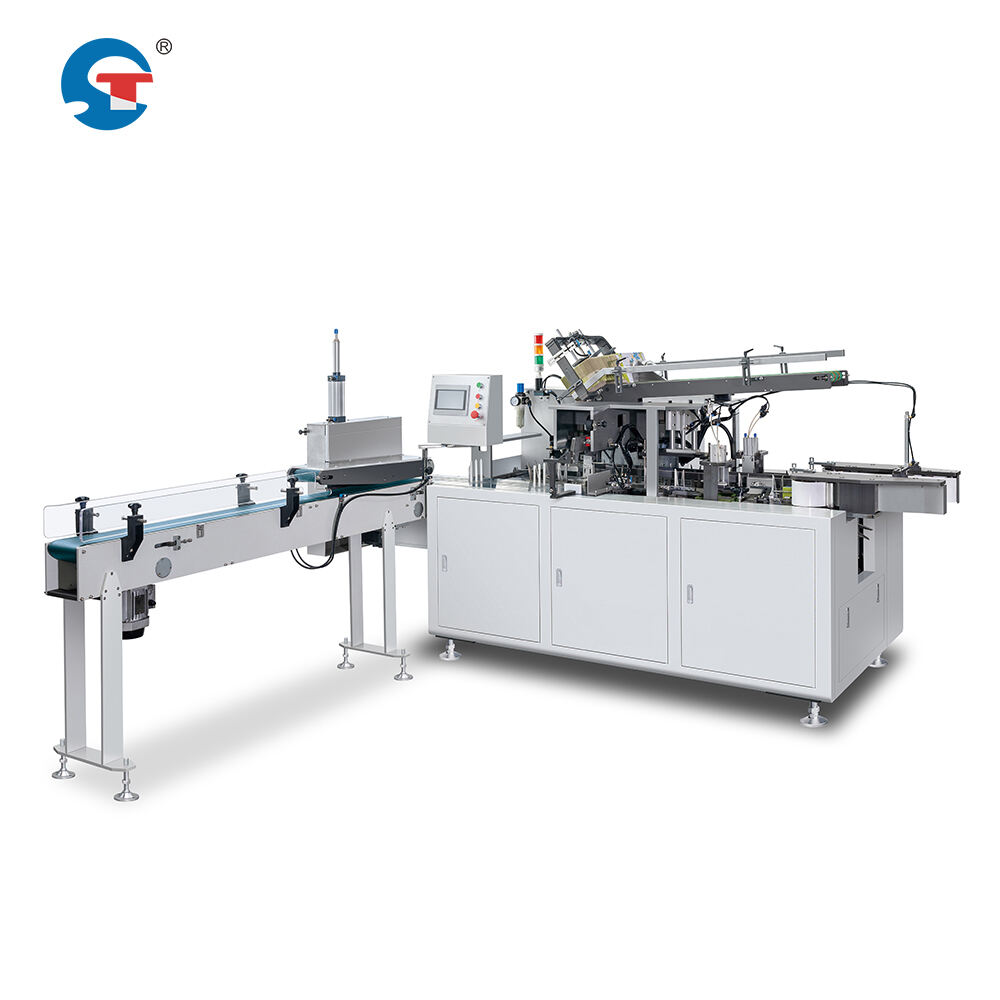
تواناییهای سیستم کنترل و هوش عملیاتی
طراحی رابط انسان و ماشین و کاربرپذیری آن
رابط کنترل یک vertical packaging machine مستقیماً بر کارایی اپراتور، نیازهای آموزشی و سرعت پاسخدهی به مشکلات تولید تأثیر میگذارد. سیستمهای صنعتی مدرن از رابطهای گرافیکی لمسی با اندازهای بین ۱۰ تا ۱۵ اینچ استفاده میکنند که پارامترهای عملیاتی بلادرنگ، دادههای روند تاریخی و اطلاعات عیبیابی را همزمان و بدون نیاز به پیمایش لایههای متعدد منو نمایش میدهند. ناوبری مبتنی بر آیکونهای شهودی، وابستگی به دستورالعملهای مبتنی بر متن را کاهش میدهد و امکان بهرهبرداری توسط پرسنلی با پیشینههای زبانی متنوع — که در محیطهای تولیدی چندملیتی رایج هستند — را تسهیل میکند.
قابلیت مدیریت دستورالعملها به اپراتورها امکان میدهد تا مجموعههای کامل پارامترها شامل فواصل پیشرو رفتن فیلم، دماهای درزبندی، مقادیر تزریق و توالیهای زمانی را برای محصولات مختلف یا قالبهای بستهبندی ذخیره و بازیابی کنند. خریداران صنعتی باید تعداد شیارهای ذخیرهسازی دستورالعملها، قابلیتهای پشتیبانگیری و انتقال دادهها، و ویژگیهای کنترل دسترسی را ارزیابی کنند که از تغییر غیرمجاز پارامترها جلوگیری میکنند. سیستمهایی که امکان آپلود از راه دور دستورالعملها را از طریق اتصال شبکه فراهم میکنند، به تیمهای مهندسی مرکزی این امکان را میدهند تا پارامترها را در چندین سایت تولیدی بهینهسازی کرده و ثبات فرآیند را صرفنظر از پراکندگی جغرافیایی تضمین نمایند.
قابلیتهای تشخیصی درونسازیشده در سیستم کنترل، زمان عیبیابی را کاهش داده و وابستگی به پشتیبانی فنی تخصصی را به حداقل میرسانند. رابطهای مؤثر ماشینهای بستهبندی عمودی، نمایشهای تصویری متحرک از توالیهای مکانیکی را ارائه میدهند، اجزای نیازمند توجه را از طریق نشانگرهای وضعیت رنگی برجسته میسازند و جریانهای عیبیابی راهنماییشدهای را ارائه میکنند که عملیاتگران را در فرآیندهای سیستماتیک حل مسئله همراهی میکنند. دسترسی به پشتیبانی چندزبانه و مستندات راهنمای حساس به متن، بهطور مستقیم بر منحنی یادگیری عملیاتگران جدید تأثیر میگذارد و اختلالات عملیاتی ناشی از تغییرات نیروی کار را کاهش میدهد.
ثبت دادهها و تحلیل عملکرد
محیطهای صنعتی بهطور فزایندهای تجهیزات تولیدی را میطلبد که بهعنوان منابع داده عمل کرده و ابتکارات گستردهتر هوش ساخت را پشتیبانی کنند. سیستمهای ماشینآلات بستهبندی عمودی با قابلیتهای جامع ثبت داده، پارامترهایی از جمله تعداد چرخهها، نمودارهای دمای درزبندی، وزن محصولات، نرخ مصرف فیلم و رویدادهای توقف تولید را همراه با زمانبندی ثبت میکنند تا امکان ارتباط این دادهها با متغیرهای فرآیندی بالادستی یا پاییندستی فراهم شود. این دادههای عملیاتی پایهای برای شناسایی فرصتهای بهبود کارایی، اعتبارسنجی توانایی فرآیند برای ارائه به مراجع نظارتی و تعیین برنامههای نگهداری پیشبینانه بر اساس میزان استفاده واقعی از اجزا (و نه بر اساس فواصل زمانی دلخواه) را فراهم میسازند.
معماری صدور دادهها، امکانپذیری ادغام با سیستمهای سازمانی مانند سیستمهای اجرای تولید (MES)، پلتفرمهای برنامهریزی منابع سازمانی (ERP) یا خدمات تحلیلداده مبتنی بر ابر را تعیین میکند. پروتکلهای استاندارد از جمله OPC-UA، MQTT یا APIهای RESTful، ارتباط دوطرفه را تسهیل میکنند و نهتنها استخراج دادهها، بلکه تنظیم پارامترهای از راه دور و ارسال دستورات زمانبندی تولید را نیز از سوی سیستمهای سطح بالاتر فراهم میسازند. خریداران صنعتی باید جزئیات نقاط داده موجود، قابلیتهای فرکانس ثبت دادهها و ظرفیت ذخیرهسازی محلی را بررسی کنند تا اطمینان حاصل شود که دستگاه بستهبندی عمودی میتواند نیازهای خاص آنها در زمینه حکمرانی دادهها و تحلیلدادهها را پشتیبانی کند.
ویژگیهای مقایسه عملکرد که اثربخشی کلی تجهیزات را محاسبه میکنند، شایعترین علل اختلال در تولید را شناسایی مینمایند و ظرفیت واقعی تولید را با ظرفیت حداکثری نظری مقایسه میکنند، بینشهای قابل اجرا را برای اقدامات بهبود مستمر در اختیار اپراتورها و مدیران تولید قرار میدهند. سیستمهایی که بهصورت خودکار گزارشهای شیفت، تحلیلهای روندی و هشدارهای استثنا ایجاد میکنند، تلاش دستی لازم برای مستندسازی تولید را کاهش داده و در عین حال اطمینان حاصل میکنند که مدیریت به دیدگاهی جامع از عملکرد عملیاتی در خطوط تولید یا تسهیلات مختلف دست یافته است.
ساختار مکانیکی و دسترسی برای نگهداری
طراحی قاب و انتخاب مواد
استحکام سازهای دستگاه بستهبندی عمودی بر پایداری عملیاتی، طول عمر و مناسببودن آن برای محیطهای صنعتی پرتنش تأثیر میگذارد. دستگاههای درجه صنعتی از قابهای جوشخورده فولاد ضدزنگ ساختهشده از آلیاژهای درجه ۳۰۴ یا ۳۱۶ استفاده میکنند که مقاومت در برابر خوردگی لازم را برای کاربردهای فرآوری مواد غذایی، دارویی یا شیمیایی فراهم میسازند؛ زیرا روشهای شستوشوی دورهای تجهیزات را در معرض رطوبت و عوامل پاککننده قرار میدهند. سفتی قاب از انحراف اندازهگیری ناشی از ارتعاش جلوگیری میکند، همترازی دقیق اجزای درزبندی را در طول سالها عملیات حفظ مینماید و وزن تجهیزات یکپارچهشده مانند توزینکنندههای چندسری یا هاپرهای محصول انبوه را بدون تغییر شکل تحمل میکند.
دسترسیپذیری اجزای داخلی برای تمیزکردن، بازرسی و تعویض قطعات، بهطور مستقیم بر هزینه کل مالکیت تأثیر میگذارد؛ زیرا این ویژگی بر نیروی کار مورد نیاز برای نگهداری و مدت زمان توقف تولید اثرگذار است. طراحیهای مؤثر دستگاههای بستهبندی عمودی شامل پنلهای محافظ مفصلی یا قابل جداشدن با سرعتبندی بدون ابزار هستند که دسترسی سریع به اجزایی که بهطور مکرر مورد نگهداری قرار میگیرند — مانند فکهای درزبندی، غلطکهای فیلم یا شیرهای پنوماتیک — را فراهم میکنند. چیدمان فضایی اجزا باید فضای کاری واضحی را در اطراف نقاط تنظیم، قطعات مستعد سایش و اتصالات الکتریکی فراهم کند تا انجام اقدامات نگهداری بدون نیاز به ابزارهای تخصصی یا وضعیتهای نامطلوب کاری که خطر آسیبدیدگی را افزایش داده و زمان انجام کار را طولانیتر میکنند، امکانپذیر باشد. سرویس مدت زمان.
رویکردهای ساخت ماژولار، که در آن زیرسیستمهای اصلی مانند واحدهای بازپیچش فیلم، مجموعههای شکلدهی یا بخشهای درزبندی بهصورت کارتریجهای جداگانه نصب میشوند، مزایای قابلتوجهی برای تأسیساتی دارند که چندین خط تولید را بهطور همزمان اداره میکنند. رابطهای استاندارد امکان نگهداری مجموعههای زیرسیستمی پیشساختهٔ اضافی را فراهم میکنند که در صورت خرابی تجهیزات میتوان آنها را بهسرعت جایگزین نمود؛ بدین ترتیب کارهای دقیق تعمیراتی را به پنجرههای زمانی برنامهریزیشدهٔ نگهداری منتقل میکند، نه اینکه در دورههای حیاتی تولید مجبور به انجام عیبیابی اضطراری شویم. این رویکرد معماری بهویژه برای عملیاتی که در قالب برنامههای پیوسته یا چندشیفتی اجرا میشوند، ارزشمند است؛ زیرا توقف طولانیمدت تولید تأثیر قابلتوجهی بر درآمد ایجاد میکند.
مشخصات قطعات سایشی و دورههای تعویض آنها
انتخاب مواد و رویکردهای طراحی برای اجزای مستعد سایش، هم فراوانی نگهداری و هم ثبات کیفیت بستهبندی در طول زمان را تحت تأثیر قرار میدهد. سطوح حیاتی مستعد سایش از جمله لولههای شکلدهنده، سطوح تماسی دهانههای درزبندی، راهنمای فیلم و شیارهای تماسی با محصول باید از موادی استفاده کنند که با نیازهای خاص کاربردیشان سازگان باشند. لولههای شکلدهنده با پوشش سرامیکی در برابر سایش ناشی از محصولات دانهای مقاوم هستند؛ پوششهای ضدچسب روی سطوح درزبندی از چسبیدن فیلم جلوگیری کرده و تمیزکردن را تسهیل میکنند؛ و بوشینگهای فولاد سختشده یا برنجی در نقاط چرخش، همترازی دقیق را در طول دورههای طولانی عملیاتی حفظ میکنند.
خریداران صنعتی باید مشخصات دقیقی را در مورد طول عمر پیشبینیشدهٔ قطعات تحت شرایط کاری معمولی مربوط به کاربرد خاص خود درخواست کنند. تأمینکنندهٔ دستگاههای بستهبندی عمودی که راهنمایی شفافی دربارهٔ بازههای جایگزینی عناصر آببندی، تسمههای انتقال نیرو، یاتاقانها و آببندیهای پنوماتیک ارائه میدهد، امکان بودجهبندی دقیق هزینههای عملیاتی جاری را فراهم میسازد و تسهیلکنندهٔ تدوین برنامههای نگهداری مبتنی بر وضعیت تجهیزات است. موجودی تجاری قطعات سایشی، زمانهای تحویل قطعات جایگزین و اینکه آیا اقلام حیاتی در مراکز توزیع منطقهای موجود هستند یا اینکه نیازمند حملونقل بینالمللی از واحدهای تولیدی میباشند، ملاحظات عملیاتی هستند که بر ادامهٔ فعالیتهای عملیاتی تأثیر میگذارند.
تأثیر اقتصادی هزینههای قطعات مصرفی فراتر از قیمت خرید، شامل نیروی کار مورد نیاز برای نصب و اختلال در تولید نیز میشود. طراحیهای دستگاههای بستهبندی عمودی که امکان تعویض سریع قطعات فرسوده را از طریق مکانیزمهای تعویض سریع، مجموعههای کارتریج از پیش تراز شده یا اتصالات الکتریکی قابل اتصال و جداسازی آسان فراهم میکنند، نیاز به نیروی کار متخصص را کاهش داده و زمان ایستکاری ناشی از نگهداری دورهای را به حداقل میرسانند. خریداران باید دسترسیپذیری و جامعیت برنامههای آموزشی نگهداری، مستندسازی ویدئویی و خدمات پشتیبانی فنی را ارزیابی کنند که به پرسنل داخلی نگهداری اجازه میدهد بدون نیاز به حضور تکنسینان کارخانه برای هر رویداد خدماتی، تعویض قطعات دورهای را انجام دهند.
سیستمهای ایمنی و انطباق با مقررات
حفاظت از اپراتور و کاهش خطرات
نصب ماشینهای صنعتی بستهبندی عمودی باید شامل سیستمهای ایمنی جامعی باشد که اپراتورها را در برابر خطرات مکانیکی، خطرات سوختگی حرارتی و خطرات الکتریکی ذاتی تجهیزات بستهبندی خودکار محافظت میکنند. سیستمهای حفاظتی قفلشدهای که دسترسی به اجزای متحرک را در حین کار ماشین مسدود میکنند، حداقل الزامات محسوب میشوند؛ اما پیادهسازیهای پیشرفتهتر از سیستمهای ایمنی تشخیصدهندهی حضور افراد با استفاده از پردههای نوری یا اسکنرهای منطقهای بهره میبرند که بهصورت خودکار عملیات ماشین را متوقف میکنند در صورت ورود افراد به مناطق خطر تعریفشده. معماری سیستم کنترل باید امکان پشتیبانی از ورودیها و خروجیهای ایمنیدار را فراهم کند که با سطوح عملکردی تعیینشده در استاندارد ISO 13849 یا معادل منطقهای آن از نظر ایمنی سازگاندهی شدهاند.
عملکرد توقف اضطراری باید بهصورت فوری از تمام موقعیتهای اپراتور در اطراف محیط ماشین قابل دسترسی باشد؛ و مدارهای کنترلی باید مطابق با استانداردهای ایمنی جاری طراحی شده باشند تا فعالسازی هر دستگاه توقف اضطراری (e-stop) بلافاصله توان را از تمام حرکات خطرناک قطع کرده و ماشین را تا زمانی که اپراتور بهصورت عمدی سیستم را بازنشانی کند، در حالت ایمن نگه دارد. طراحی الکتریکی باید از راهاندازی خودکار پس از قطع برق یا فعالسازی توقف اضطراری جلوگیری کند و برای ادامه عملیات، تأیید صریح اپراتور الزامی است تا از حرکت غیرمنتظره ماشین در حین تعمیرات یا عیبیابی جلوگیری شود.
خطرات حرارتی مرتبط با سیستمهای آببندی که در دماهایی بالاتر از ۲۰۰ درجه سانتیگراد کار میکنند، نیازمند هم سدهای فیزیکی و هم سیستمهای هشدار بصری/صوتی برای اطلاعرسانی به اپراتورها درباره سطوح داغ هستند. طراحیهای ماشینهای صنعتی بستهبندی عمودی شامل محافظهای عایقشده، سطوح هشدار لامسهای و سیستمهای نظارت بر دما میشوند که در صورت انحراف دمای فکهای آببندی از محدودههای ایمن عملیاتی، جلوی راهاندازی ماشین را میگیرند. مواد آموزشی جامع اپراتور که خطرات حرارتی، مکانیکی و الکتریکی خاصِ پیکربندی نصبشده را پوشش میدهند، اطمینان حاصل میکنند که پرسنل هم رویههای عادی عملیاتی و هم واکنشهای مناسب در شرایط غیرعادی یا خرابی تجهیزات را درک کردهاند.
طراحی بهداشتی و انطباق با الزامات تماس مواد
کاربردهای دستگاههای بستهبندی عمودی در فرآوری مواد غذایی، تولید دارویی یا تولید محصولات آرایشی و بهداشتی با الزامات نظارتی شدیدی مواجه هستند که طراحی تجهیزات، انتخاب مواد و رویههای شستشو را تنظیم میکنند. اصول طراحی بهداشتی که بر سطوح صاف و پیوسته بدون شیار، قسمتهای مرده (Dead Legs) یا مناطق غیرقابل دسترسی که باعث تجمع بقایای محصول یا محلولهای شستشو میشوند تأکید دارند، مشخصاتی ضروری برای تجهیزات مورد استفاده در این صنایع محسوب میشوند. آلیاژهای فولاد ضدزنگ مطابق با الزامات تماس با مواد غذایی، پلیمرهای تأییدشده توسط سازمان غذا و دارو (FDA) برای واشرها و اجزای تماسدهنده با محصول، و پرداخت سطحی مناسب با روش شستشوی مورد نظر، مشخصاتی غیرقابل چانهزنی هستند.
دسترسیپذیری مناطق تماس محصول برای تمیزکردن و بازرسی، امکانپذیری انطباق با پروتکلهای تحلیل خطر و نقاط کنترل بحرانی (HACCP) و رویههای خوب تولید (GMP) را تعیین میکند. طراحیهای مؤثر امکان جداسازی کامل مسیرهای محصول را بدون نیاز به ابزارهای تخصصی فراهم میسازند، دید واضحی از تمام سطوح تماس با محصول را در حین تأیید فرآیند تمیزکردن ارائه میدهند و تعداد پیچها یا اتصالاتی که در فرآیندهای روتین بهداشتی نیاز به دستکاری دارند را به حداقل میرسانند. بستههای مستندسازی شامل گواهیهای مواد اولیه، مشخصات پرداخت سطحی و پروتکلهای اعتبارسنجی تمیزکردن، ارائه مدارک مورد نیاز برای نهادهای نظارتی و فرآیندهای بازرسی لازم برای صدور گواهی تأسیسات یا ثبت محصول در بازارهای تحت نظارت را تسهیل میکنند.
امکانات اعتبارسنجی تجهیزات که از پروتکلهای صلاحیتدهی نصب، صلاحیتدهی عملیاتی و صلاحیتدهی عملکردی پشتیبانی میکنند، ملاحظاتی حیاتی برای تولیدکنندگان داروها و دستگاههای پزشکی هستند که در چارچوب الزامات «شرایط خوب تولید فعلی» (cGMP) فعالیت میکنند. تأمینکنندگان ماشینآلات بستهبندی عمودی که به این بازارها خدمات ارائه میدهند، باید بستههای جامع مستندات شامل مشخصات طراحی، گواهیهای قطعات، پروتکلهای آزمون پذیرش کارخانه و رویههای آزمون پذیرش محل را ارائه دهند تا انتظارات نظارتی را برآورده سازند. در دسترس بودن خدمات پشتیبانی اعتبارسنجی — از جمله کمک در راهاندازی محلی و بهروزرسانیهای مستمر مستندات منعکسکننده تغییرات اعمالشده بر تجهیزات — بر هزینهٔ کلی پروژه و زمانبندی راهاندازی خطوط تولید جدید برای ورود به عملیات تجاری تأثیر میگذارد.
سوالات متداول
خریداران صنعتی چه ظرفیت عبور (throughput)ای را باید هنگام انتخاب ماشین بستهبندی عمودی هدف قرار دهند؟
نیازهای ظرفیت عبور از سیستم به ویژگیهای محصول، اندازه بستهبندی و برنامههای عملیاتی بستگی دارد و نه اینکه بر اساس معیارهای جهانی استاندارد تعیین شود. خریداران صنعتی باید ظرفیت مورد نیاز را با تقسیم حجم تولید سالانه مورد نظر بر روی ساعات کاری موجود و در نظر گرفتن عوامل کارایی که تأثیر تغییرات خط تولید، نگهداری و توقفهای غیرمنتظره را منعکس میکنند، محاسبه کنند. یک دستگاه بستهبندی عمودی با ظرفیت اسمی ۶۰ بسته در دقیقه که روزانه ۱۶ ساعت کار میکند و دارای اثربخشی کلی تجهیزات (OEE) برابر با ۷۵٪ است، تقریباً ۴۳۲۰۰ بسته در روز تولید میکند. خریداران باید دستگاهها را با ظرفیت اضافی ۲۰ تا ۳۰ درصدی نسبت به ظرفیت محاسبهشده مشخص کنند تا رشد تولید، نوسانات تقاضای فصلی و کاهش عملکرد دستگاه بین تعمیرات اساسی را پوشش دهند. کاربردهایی که شامل تغییرات مکرر محصول هستند، از دستگاههایی بهرهمند میشوند که قابلیت تنظیم سریع پارامترها را دارند، حتی اگر مشخصات حداکثر سرعت آنها در مقایسه با گزینههای دیگر که زمان راهاندازی طولانیتری نیاز دارند، پایینتر به نظر برسد.
مشخصات سازگاری فیلم چگونه بر هزینههای عملیاتی بلندمدت تأثیر میگذارند؟
انعطافپذیری ماده فیلم بهطور مستقیم بر هزینههای مواد اولیه و توانایی پاسخگویی به الزامات در حال تکامل پایداری یا محدودیتهای زنجیره تأمین تأثیر میگذارد. سیستمهای دستگاههای بستهبندی عمودی که تنها قادر به استفاده از بازههای باریکی از ضخامت فیلم یا ترکیبات خاصی از زیرلایهها هستند، خریداران را مجبور به استفاده از فیلمهای تخصصی و احتمالاً گرانتر میکنند یا وضعیت قفلشدن تأمینکننده (Vendor Lock-in) ایجاد مینمایند که این امر توان چانهزنی آنها را محدود میسازد. دستگاههایی که قادر به پذیرش تغییرات ضخامت فیلم در محدوده ۳۰ تا ۲۰۰ میکرون بوده و بدون نیاز به اصلاحات مکانیکی از مواد متنوعی از جمله فیلمهای تکلایه، لامینهشده و زیستتخریبپذیر پشتیبانی میکنند، انعطافپذیری عملیاتی فراهم میآورند و به خریداران اجازه میدهند تا فیلمها را بر اساس قیمتهای بازار بهصورت فرصتطلبانه تأمین کنند یا با تغییر مقررات، به گزینههای پایدارتر منتقل شوند. توانایی پردازش فیلمهای نازکتر بدون از دست دادن یکپارچگی درزبندی، هزینه ماده را در هر بسته کاهش داده و ممکن است در خطوط تولید با حجم بالا صرفهجوییهایی معادل هزاران دلار در ماه ایجاد کند؛ در عین حال، این امر اثرات زیستمحیطی را نیز از طریق کاهش منبع (Source Reduction) کاهش میدهد.
خریداران چه سطحی از ادغام با تجهیزات بالادستی و پاییندستی را باید انتظار داشته باشند؟
سیستمهای مدرن دستگاههای بستهبندی عمودی باید بهعنوان اجزای یکپارچه در خطوط تولید کامل عمل کنند، نه بهعنوان تجهیزات منزوی که نیازمند مداخلهٔ دستی بین مراحل فرآیندی هستند. حداقل انتظارات از ادغام شامل پروتکلهای استاندارد ارتباطی برای همگامسازی با سیستمهای وزنکشی، نوارهای نقاله محصول، دستگاههای بستهبندی در جعبه و تجهیزات بازرسی کیفیت از طریق استانداردهای شبکههای صنعتی مانند اترنت/آیپی یا پروفینت هستند. پیادهسازیهای پیشرفته، تبادل دادههای دوطرفه را فراهم میکنند که امکان تنظیم تجهیزات بالادستی را بر اساس بازخورد عملکرد بستهبندی فراهم میسازد و به سیستمهای پاییندستی امکان میدهد دادههای خاص هر بسته را برای ردیابی یا مستندسازی کیفیت دریافت کنند. خریدارانی که قصد خودکارسازی جامع را دارند، باید اطمینان حاصل کنند که معماری سیستم کنترل امکان هماهنگی با سیستمهای اجرای تولید سطح تأسیسات را فراهم میسازد تا نظارت متمرکز بر تولید، تنظیم پارامترها از راه دور و جمعآوری خودکار دادهها برای ادغام با سیستمهای برنامهریزی منابع سازمانی بدون نیاز به برنامهنویسی سفارشی برای هر رابط تجهیزات را ممکن سازد.
امکانات پشتیبانی از نگهداری چگونه بر تصمیمات انتخاب تجهیزات تأثیر میگذارند؟
در دسترسبودن و کیفیت پشتیبانی فنی مداوم، تأثیر قابلتوجهی بر هزینه کل مالکیت و ادامه عملیات فراتر از قیمت اولیه خرید تجهیزات دارد. خریداران صنعتی باید تواناییهای تأمینکنندگان را از جمله زمانهای پاسخدهی پشتیبانی فنی، در دسترسبودن قطعات جایگزین از طریق شبکههای توزیع منطقهای، جامعیت برنامههای آموزشی برای اپراتورها و تعمیرکاران، و دسترسی به خدمات تشخیص از راه دور ارزیابی کنند. تأمینکنندگان ماشینآلات بستهبندی عمودی که پایه نصبشده قابلتوجهی در مناطق جغرافیایی مربوطه دارند، معمولاً در مقایسه با تأمینکنندگانی که حضور محلی محدودی دارند و برای انجام خدمات نیازمند ارسال بینالمللی قطعات یا سفر تکنسینها هستند، دسترسی به قطعات بهتری و زمان پاسخدهی اضطراری سریعتری ارائه میدهند. وجود قراردادهای نگهداری پیشگیرانه، بستههای قطعات یدکی و مسیرهای ارتقای عملکرد برای تجهیزات قدیمی، ارزش بلندمدت را حفظ میکند و به خریداران امکان میدهد عمر تولیدی تجهیزات را از طریق جایگزینی سیستماتیک قطعات افزایش دهند، نه اینکه در برابر فرسودگی کامل سیستم در اثر پیشرفت فناوری یا تغییر نیازهای تولیدی قرار گیرند.
فهرست مطالب
- معماری سیستمهای دستکاری فیلم و آببندی
- ادغام دوزدهی و کنترل محصول
- تواناییهای سیستم کنترل و هوش عملیاتی
- ساختار مکانیکی و دسترسی برای نگهداری
- سیستمهای ایمنی و انطباق با مقررات
-
سوالات متداول
- خریداران صنعتی چه ظرفیت عبور (throughput)ای را باید هنگام انتخاب ماشین بستهبندی عمودی هدف قرار دهند؟
- مشخصات سازگاری فیلم چگونه بر هزینههای عملیاتی بلندمدت تأثیر میگذارند؟
- خریداران چه سطحی از ادغام با تجهیزات بالادستی و پاییندستی را باید انتظار داشته باشند؟
- امکانات پشتیبانی از نگهداری چگونه بر تصمیمات انتخاب تجهیزات تأثیر میگذارند؟