
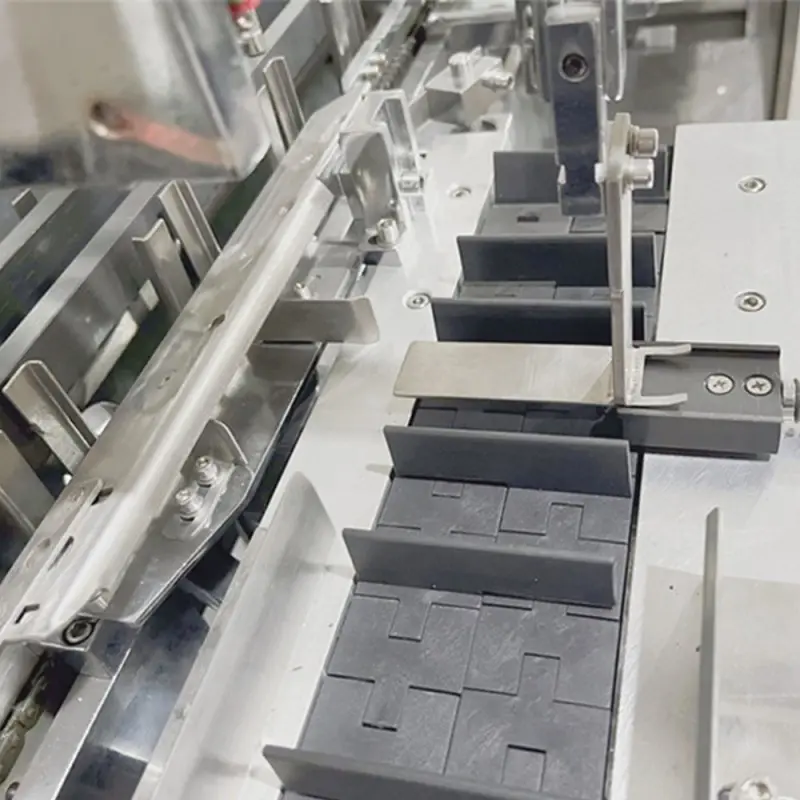
התעשייה התרוקלית ניצבת בפני לחץ גובר לאזן בין יעילות ייצור לתנאי רגולציה קפדניים, תוך ניהול עלויות תפעול עולמיות מתגברות. מתקני ייצור ברחבי העולם מעריכים יותר ויותר האם פתרונות אריזה אוטומטיים יכולים לספק תשואה משקיעות ברת-קיימא. א מכונה לאריזת תרופות מייצג הוצאה גדולה של הון שדורשת ניתוח זהיר הן של ההוצאות המיידיות והן של התועלות הכלכליות האורוכות טווח. הבנת ערך ההצעה המרובה של מערכות האריזה המתקדמות הללו היא חיונית לייצרני תרופות המחפשים לאופטם את קווי הייצור שלהם תוך שמירה על איכות המוצר והתאמה לדרישות רגולטוריות.
הערכה השפעתית כלכלית על פתרונות אוטומטיים לחבישה לקרטונים
שקולי השקעה ראשונית
העלות הראשונית של מכונה לאריזת תרופות נוטה לנוע בטווח של 150,000–800,000 דולר, בהתאם לכושר התפוקה, לרמת האוטומציה ולתכונות המיוחדות. השקעה משמעותית זו דורשת תכנון כלכלי מקיף שמעל ומעבר למחיר הקנייה, וכולל גם עלויות התקנה, הדרכה, אימות ואינטגרציה. יצרני תרופות רבים מגלים כי עלות הפרויקט הכוללת יכולה לעלות ב-20–30% כאשר נלקחות בחשבון שינויים בבניין, שדרוגי חשמל ודרישות מסמכי התאמה.
אופציות מימון לרכישת מכונות לקרטון תרופות משתנות במידה רבה בין יצרנים שונים ומוסדות פיננסיים. הסדרי השכרה מספקים לעיתים קרובות חלופות מושכות לרכישה ישירה, ומאפשרים לחברות לשמור על הון חוזר תוך הנאה מהטבות מס ותשלומים חודשיים צפויים. ההחלטה בין רכישה להשכרה אמורה לקחת בחשבון גורמים כגון ההון הזמין, השלכות המס, סיכונים של הרס טכנולוגי, והخطط האסטרטגיות ארוכות הטווח של החברה להרחבה או העברה של המתקנים.
ניתוח צמצום עלות תפעול
חיסכון בעלויות העבודה מייצג אחד היתרונות הכלכליים המשמעותיים ביותר של יישום פתרונות אוטומטיים לקופסנות בתהליכי ייצור תרופות. פעולות קופסנות ידניות דורשות בדרך כלל 3–5 עובדים כל קו, אשר כל אחד מהם מרוויח 25–40 דולר לשעה, כולל הטבות, מה שמייצר עלויות עבודה שנתיות העולמות את 400,000 דולר לפעילות במשמרת אחת בלבד. מכונת קופסנות תרמית יכולה לצמצם דרישה זו לעובד אחד בלבד, תוך הגדלת קצב הפקה ב-200–400%, ויוצרת חסכונות משמעותיים בעלויות שמתאצמים לאורך תקופת השימוש במכונה.
הפחתת פסולת החומר מספקת חסכונות נוספים בעלויות שיצרני תרופות לרוב ממעיטים בערכם בהערכות הראשוניות. מערכות אוטומטיות לקישוט קופסאות משיגות שיעורי דחייה נמוכים מ-0.5%, לעומת פעולות ידניות שבהן שיעורי השגיאות עלולים לעלות על 2–3%. שיפור זה מתורגם לחסכונות משמעותיים בחומרי הקישוט, בתוספות המודפסות ובפסולת של המוצר הסופי, במיוחד עבור מוצרים פרמקאתיים בעלי ערך גבוה, אשר עלות היחידה שלהם עשויה לעלות על 50–100 דולר אמריקאי.
הגברת תפוקה באמצעות אוטומציה
אופטימיזציה של קיבולת התפוקה
מערכות מודרניות לאריזת קופסאות תרופות יכולות לעבד 120–300 קופסאות לדקה, ומעבירות בפער גדול את היכולות של האריזה הידנית, תוך שמירה על סטנדרטי איכות עקביים. קיבולת התפוקה המוגדלת הזו מאפשרת לייצרני תרופות לעמוד בביקוש השוק הגובר ללא צורך בהגדלת פרופורציונלית בשטח המתקנים או בכמות הצוות. האפשרות להפעיל משמרות ממושכות עם התערבות מינימלית של האופרטורים מספקת גמישות נוספת כדי לעמוד בשינויי הביקוש העונתיים או בדרישות ייצור חירום.
יעילות תכנון הייצור משתפרת באופן משמעותי כאשר טכנולוגיית מכונות לקרטון תרופתי מותקנת במערכות קיימות לביצוע ייצור. יכולות הניטור בזמן אמת מאפשרות לתכנן תחזוקה חיזויית, ובכך מקטינות את עצירת הפעילות הלא מתוכננת שיכולה לעלות לייצרנים תרופתיים 50,000–200,000 דולר אמריקאי לשעה באובדן ייצור.
יתרונות עקביות האיכות וההתאמה לתקנות
עלות ההתאמה לתקנות בתעשייה התרומית ממשיכה לעלות, כשמ стандארטים גלובליים הופכים מחמירים יותר ופעולות האכיפה מתרחבות. מכונה לאריזת תרופות המוצב עם יכולות סריאליות, מערכות בדיקת חזון ותכונות תיעוד מקיפות עוזר לייצרנים לשמור על התאמה לתקנות, תוך הפחתת הסיכון להחזרות יקרות או לעונשים רגולטוריים. מערכות אוטומטיות אלו מאפסות את משתני השגיאות האנושיות שתרומתם לפגמים בחבילות ולאי-עקביות בתיעוד.
הגנה על שלמות המוצר מהווה יתרון איכות קריטי נוסף שמערכות קרטון אוטומטיות מספקות לייצרני תרופות. דפוסי קיפול עקביים, הפעלת דבק מדויקת ותנאי סביבה מבוקרים במהלך תהליך הקירטון תורמים להבטחת יציבות המוצר לאורך כל שרשרת ההתפלגות והאחסון. אמינות זו מקבלת חשיבות מיוחדת עבור תרופות רגישות לטמפרטורה או מוצרים הדורשים תקופת פירוק ארוכה, שבה שלמות האריזה משפיעה ישירות על היעילות הטיפולית.
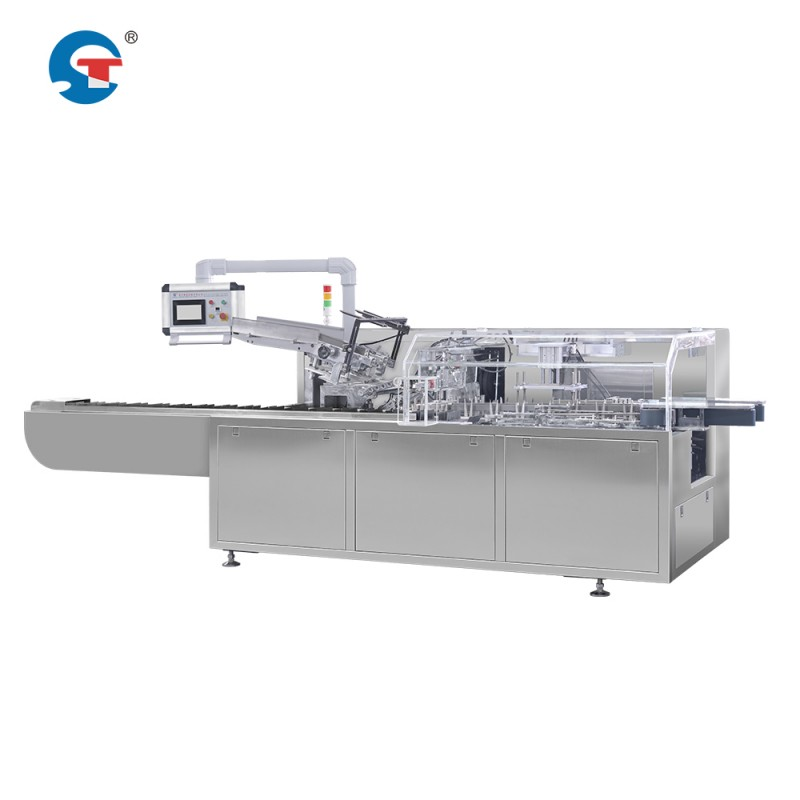
יתרונות אסטרטגיים לטווח ארוך
שקול להרחבה והגנה לעתיד
העיצוב המודולרי של מערכות מכונות לאריזת תרופות מודרניות מאפשר לייצרנים להתאים את קווי האריזה שלהם בהתאם לשינויים בפורטל המוצרים שלהם ולדרישות השוק. מסלולי שדרוג להוספת יכולות סריאלייזציה, מערכות בדיקת חזות, או גמישות נוספת בפורמטים מספקים ערך ארוך טווח שמאריך את תקופת השימוש של הציוד ואת תשואת ההשקעה. היכולת להרחיב את המערכת זו מוכיחה את ערכה במיוחד עבור ארגוני ייצור חוזי שמשרתים מספר לקוחות עם דרישות אריזה מגוונות.
יכולות האינטגרציה הטכנולוגית של פלטפורמות מתקדמות למכונות אריזת תרופות תומכות באיניציאטיבות של התעשייה 4.0, אשר הופכות לחיוניות לייצור תרופות תחרותי. חיבור לאינטרנט של הדברים (IoT), אנליטיקה חיזויית ותכונות ניטור מרחוק מאפשרות לייצרנים לאופטימיזציה של יעילות הייצור תוך איסוף נתונים בעלי ערך לתכניות שיפור מתמיד. יכולות דיגיטליות אלו יוצרות הזדמנויות לזרמי הכנסות חדשים באמצעות הצעות שיפור שירות ושיעורי שביעות רצון לקוחות משופרים.
תחרותיות השוק ושביעות הרצון של הלקוחות
טכנולוגיית מכונות לקרטון תרופות מאפשרת לייצרנים להציע אפשרויות אריזה משופרות שמייצגות את המוצרים שלהם בשווקים תחרותיים. תכונות מתקדמות כגון איטום המראה התערבות, עזרה בהישג דבקות של המטופל, וחומרי אריזה ברות sustainability הופכות לאמינות עם מערכות אוטומטיות שיכולות לעמוד בדרישות האריזה המורכבות מבלי לפגוע בייעילות הייצור. יכולות אלו תומכות באסטרטגיות קביעת מחירים פרימיום ומחזקות את קשרי הלקוחות באמצעות שיפור ההצגה והפונקציונליות של המוצר.
שיפור אמינות שרשרת האספקה כתוצאה מפעולות אריזת קופסאות אוטומטיות עוזר לייצרני תרופות לעמוד בהתחייבויות משלוח קפדניות תוך הפחתת עלויות החזקת מלאי. לוחות זמנים יציבים של ייצור ותוצאות איכות צפויות מעניקים את היכולת ליישם אסטרטגיות ייצור בזמן המדויק (Just-in-Time) שממזערות את ניצול ההון העו"ש. שיפורים מבניים אלו מתורגמים לעלייה בציונים שביעות הרצון של הלקוחות וליחסים עסקיים חזקים יותר לטווח הארוך, אשר תומכים בצמיחה ברת-קיימא של הכנסות.
אסטרטגיות הערכת סיכון והפחתת סיכון
התעיישות הטכנולוגית ונושאי התחזוקה
קצב ההתקדמות הטכנולוגית המהיר בעיצוב מכונות לקרטון תרופות יוצר סיכונים פוטנציאליים של הרס ערכו של הציוד, אשר יצרנים חייבים להעריך בזהירות בעת קבלת החלטות השקעה. מחזורי חיים של ציוד נמשכים בדרך כלל 15–20 שנה ביישומים פארמהцевטיים, ולכן יש לערוך הערכה האם פלטפורמות הטכנולוגיה הנוכחיות ישארו תחרותיות לאורך כל תקופת הפעולה הארוכה הזו. בחירת ספקים בעלי יכולות חזקות בתחום המחקר והפיתוח ונתיבי שדרוג מוכחים עוזרת למזער את הסיכונים הללו, תוך שמירה על הערך הארוך טווח של ההשקעה.
חישובי עלות התחזוקה למערכות מכונות לקרטון תרופות דורשים שיקול הן של תחזוקה מונעת רגילה והן של החלפת רכיבים עתידית משמעותית. עלויות התחזוקה השנתיות נעות בדרך כלל בין 3% ל-7% מההשקעה הראשונית בציוד, כולל חלקי חילוף, תמיכה טכנית ומרווחי שירות מתוכננים. הקמת חוזי תחזוקה מקיפים עם ספקי הציוד יכולה לספק צפייה עלויותית תוך הבטחת ביצוע אופטימלי לאורך תקופת הפעולה של הציוד.
התאמה לשינויים רגולטוריים
הדרישות التنظيمية المتغيرة باستمرار في تعبئة الأدوية تُشكّل تحديات مستمرة يمكن لأنظمة التعبئة الآلية في علب الكرتون أن تتعامل معها بكفاءة أكبر من العمليات اليدوية. فمتطلبات التسلسل الرقمي (Serialization)، ومتطلبات التتبع والتعقب (Track-and-Trace)، والمزايا المحسَّنة للسلامة تتطلب قدرات تقنية متقدمة توفرها منصات آلات تعبئة الأدوية في علب الكرتون الحديثة عبر تحديثات برمجية وإضافات معيارية للعتاد المادي. وتقلل هذه القابلية للتكيف من خطر عدم الامتثال التنظيمي، مع تقليل الحاجة إلى استبدال المعدات بالكامل عند تغيُّر المعايير.
דרישות התיעוד לאימות מכונת האריזה של תרופות והתאמתה המתמדת לתקנות יוצרות התחשבויות מבצעיות נוספות המשפיעות על עלות הבעלות הכוללת. רשומות חסרות נייר (אלקטרוניות) של משלוחים, תיעוד אוטומטי של בקרת האיכות ורשומות ביקורת מקיפות מפחיתות את העומס על התיעוד הידני תוך שיפור הדיוק והשלמות. יכולות אלו הופכות ליותר ערכיות ככל שהסוכנויות הרגולטוריות מדגישות את דרישות שלמות הנתונים והעדפת הגשתן באורח אלקטרוני.
מסגרת חישוב תשואת ההשקעה
הערכה כמותנית של היתרונות
חישוב שיעור התשואה על ההשקעה ברכישת מכונות לקרטון תרופות דורש ניתוח מקיף של חסכונות ישרים בעלויות ושל שיפורים בתפוקה לאורך תקופת הפעולה של הציוד. הפחתת עלויות העבודה, חסכונות בהaoות חומרים ותפוקה מוגדלת יוצרים בדרך כלל יתרונות שנתיים בשווי של 300,000–1,200,000 דולר, בהתאם לגודל המתקן ונפח הייצור. יתרונות מדידים אלו מוצדקים לרוב את ההשקעה הראשונית תוך 18–36 חודשים ברוב יישומי היצרנות התרומית.
הטבות שבחשיפה לשיפור האיכות כתוצאה מיישום מכונות לקרטון תרופות עשויות להיות קשות למדידה, אך הן מייצגות ערך משמעותי לייצרני התרופות. הפחתת סיכונים של משיכות חזרה, שיפור שביעות רצון הלקוחות והגברה על עמידה בדרישות הרגולטוריות יוצרים טובת כספיות ארוכת טווח שמעלית על חסכונות ישירים בעלויות הפעלה. מחקרים בתעשייה מציינים שמערכות אוטומטיות לאביזר יכולים להפחית את העלויות הקשורות לאיכות ב-40–60% בהשוואה לפעולת ידנית, ומספקים ערך משמעותי שמתכפל עם הזמן.
שקולות ערך איכותניות
הערך האסטרטגי של השקעות במכונות לקרטון תרופות מתרחב מעבר להישגים הפיננסיים המיידיים וכולל את המיקום התחרותי, הגמישות הפעולה והפיתוח של יכולות ארגוניות. שיפור יכולות הייצור מאפשר לייצרנים לרדוף הזדמנויות שוק חדשות, לתמוך בהרחבות קווי המוצרים שלהם ולתת מענה יעיל יותר לדרישות הלקוחות. היתרונות האיכותיים הללו תורמים להצלחה עסקית ארוכת טווח, גם אם קשה למדודם כמותית בשלב הערכת ההשקעה הראשונית.
השפרות שבנושאי שביעות הרצון של העובדים והבטיחות במקום העבודה, שנובעות מיישום מכונות לקרטון תרופות, יוצרות ערך נוסף שיצרניות חכמות מודעות לו בחישובי ההשקעה שלהן. מערכות אוטומטיות מפחיתות פציעות נגזרות ממאמץ חוזר, מאפסות את החשיפה לדבקים לאריזה ולאבק, ויוצרות תפקידים טכניים מעוררי עניין יותר שתומכים בשימור כוח העבודה. היתרונות הללו בכוח אדם מתורגמים להפחתת עלויות סיבוב העובדים, שיפור התפוקה ומעצמת יכולת הארגון, מה שמאפשר יתרונות תחרותיים ברורים.
שאלות נפוצות
מהו זמן השכרה הסטנדרטי להשקעה במכונה לקרטון תרופות
רוב יצרני התרופות מצליחים להשיג תקופות החזר של 18–36 חודשים להשקעות במכונות לקרטון, בהתאם לנפחי הייצור, עלויות התפעול והשפרות בכفاءת התפעול. מתקנים בעלי נפח גבוה עם מספר משמרות לרוב חשים בהחזר מהיר יותר בשל חסכונות גדולים יותר בעלויות העבודה ויתרונות נוספים בתפוקה. חישוב תקופת ההחזר חייב לכלול חסכונות ישירים בעלויות עבודה, הפחתת בזבוז חומרים ושיפור התפוקה, וכן יתרונות איכותניים כגון שיפור ההתאמה לתקנות ושימור עקביות באיכות.
איך עלויות התיקון משפיעות על העלות הכוללת בעלות (TCO) של ציוד לקרטון בתחום התרופות
עלות התיקון השנתית למערכות מכונות לקרטון תרופות נעה בדרך כלל בין 3% ל-7% ממחיר הקנייה המקורי, כולל תחזוקה מונעת, חלקי חילוף וخدمות תמיכה טכנית. חוזים מקיפים לתיקון יכולים לספק צפיות עלויות תוך הבטחת ביצועי שיא והתאמה לדרישות רגולטוריות. יש להכניס תקציב גם עבור הוצאות תחזוקה שוטפות וגם להחלפת רכיבים עתידית משמעותית לאורך תקופת הפעולה של הציוד, אשר נמשכת 15–20 שנה.
אילו גורמים יש לקחת בחשבון בעת השוואת פעולות קרטון ידניות לעומת אוטומטיות
גורמים מרכזיים להשוואה כוללים עלויות יד עבד, דרישות קצב יצוא, צרכים בהתייצבות האיכות, מורכבות התחום של התאמות לתקנות, ויעדי התרחבות ארוכת טווח. מערכות אוטומטיות לאריזת תרופות בקופסאות מספקות בדרך כלל קצב יצוא גבוה יותר, תקינות גבוהה יותר והישגים טובים יותר בתחום ההתאמה לתקנות, אך דורשות השקעה ראשונית גבוהה יותר. פעולות ידניות עשויות להיות מתאימות למוצרים בעוצמה נמוכה או למבנים עם הון מוגבל, אך הופכות ליקרות מדי מבחינת עלות ככל שגדלים נפח הייצור ודרישות האיכות.
איך סיכון לשיפוש הציוד משפיע על החלטות ההשקעה במכונות לאריזת תרופות בקופסאות?
ניתן למזער את הסיכון להתיישנות טכנולוגית על ידי בחירת ספקים של ציוד בעלי יכולות מחקר ופיתוח חזקות, מסלולי שדרוג מוכרים וגישות לעיצוב מודולרי שמאפשרים שדרוגים עתידיים. פלטפורמות מודרניות של מכונות לקרטון תרופות מספקות בדרך כלל 15–20 שנה של חיים תקינים, בתנאי תחזוקה מתאימה ושדרוגים מחזוריים. יצרנים צריכים להעריך את יציבות הספק, את מסלולי הפיתוח הטכנולוגי שלו ואת אפשרויות השדרוג בעת קבלת החלטות השקעה, כדי למזער את הסיכונים להתיישנות ולמקסם בו זמנית את הערך הארוך-טווח.