
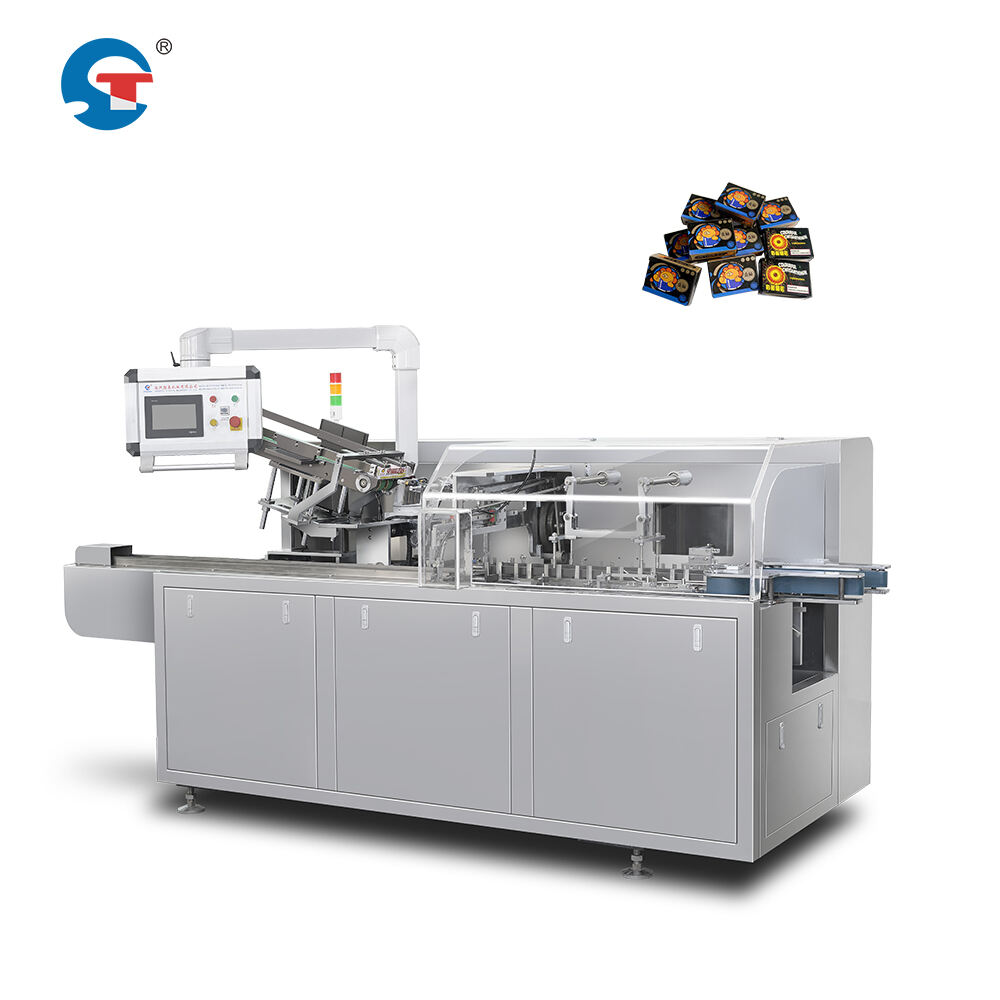
Odpady materiałowe stanowią jedno z najpoważniejszych wyzwań, z jakimi borykają się obecnie zakłady produkujące papier higieniczny, bezpośrednio wpływając na marże zysku i cele zrównoważonego rozwoju środowiskowego. W przypadku fabryk przetwarzających tysiące ryz papieru dziennie, nawet jednoprocentowa redukcja odpadów przekłada się na znaczne oszczędności kosztów i poprawę efektywności operacyjnej. maszyna do krojenia papieru technologie rozwiązują to wyzwanie dzięki precyzyjnej inżynierii, zautomatyzowanym systemom sterowania oraz inteligentnym mechanizmom obsługi materiałów, które minimalizują odpady po cięciu, straty związane z obcinaniem krawędzi oraz błędy produkcyjne, które tradycyjnie utrudniały ręczne i półzautomatyczne operacje cięcia.
Zrozumienie, w jaki sposób maszyna do cięcia papieru zmniejsza odpady, wymaga przeanalizowania konkretnych mechanizmów i cech technologicznych, które odróżniają nowoczesne systemy zautomatyzowane od tradycyjnego sprzętu. Związek między dokładnością cięcia, wskaźnikami wykorzystania materiału oraz spójnością działania stanowi podstawę strategii redukcji odpadów w nowoczesnych zakładach produkujących towary higieniczne. Zakłady wdrażające zoptymalizowane rozwiązania w zakresie maszyn do cięcia papieru zgłaszają redukcję odpadów w zakresie od piętnastu do trzydziestu procent w porównaniu do starszych systemów ręcznych, przy okresach zwrotu inwestycji często mierzonych miesiącami, a nie latami – wyłącznie na podstawie oszczędności materiału.
Technologia precyzyjnego cięcia i jej bezpośredni wpływ na redukcję odpadów
Systemy wyrównania ostrzy eliminujące nieregularne cięcia
Głównym źródłem odpadów w tradycyjnych operacjach cięcia papieru jest nieprawidłowe ustawienie ostrza, co powoduje nieregularne krawędzie wymagające dodatkowego przycinania lub całkowitego odrzucenia dotkniętych arkuszy. Zaawansowane modele maszyn do cięcia papieru są wyposażone w systemy pozycjonowania ostrza z wykorzystaniem prowadzenia laserowego oraz serwonapędu, które zapewniają tolerancje na poziomie 0,1 mm na całej szerokości cięcia. Ta precyzja eliminuje konieczność wykonywania dodatkowych operacji przycinania, które zużywają dodatkowy materiał i czas produkcji. Technologia pozycjonowania stale monitoruje położenie ostrza za pomocą czujników cyfrowych, automatycznie korygując je pod wpływem rozszerzalności cieplnej, zużycia mechanicznego oraz zmian grubości materiału, które w przeciwnym razie pogorszyłyby jakość cięcia.
Fabryki wykorzystujące starsze wyposażenie zwykle doświadczają dryfu ustawienia podczas zmian produkcyjnych, co stopniowo zwiększa szerokość obszarów przeznaczonych do obcinania krawędzi i zmniejsza liczbę gotowych arkuszy uzyskiwanych z każdego rolka jumbo. Nowoczesne systemy maszyn do cięcia papieru zapewniają stałe ustawienie przez dłuższy czas, redukując odpad krawędziowy ze średnich wartości wynoszących od trzech do pięciu procent do mniej niż jednego procenta. Możliwość automatycznej korekty oznacza, że operatorzy nie muszą już zatrzymywać produkcji w celu ręcznego ponownego ustawiania ostrzy, co dodatkowo poprawia wykorzystanie materiału poprzez eliminację odpadów związanych z przygotowaniem maszyny oraz próbami cięcia.
Zautomatyzowane systemy pomiarowe optymalizujące sekwencje cięcia
Inteligentna technologia maszyn do cięcia papieru wykorzystuje systemy pomiaru w czasie rzeczywistym, które analizują wymiary materiału wprowadzanego i automatycznie obliczają optymalne wzory cięcia w celu maksymalizacji uzysku z każdej arkusza macierzystego lub rolki. Te systemy korzystają z czujników optycznych oraz cyfrowych urządzeń pomiarowych do oceny rzeczywistych wymiarów materiału, a nie opierają się na nominalnych specyfikacjach, uwzględniając naturalne odchylenia w wymiarach rolek papieru, które mogą wpływać na skuteczność cięcia. Oprogramowanie sterujące określa następnie najbardziej efektywne rozmieszczenie gotowych arkuszy o określonych wymiarach, minimalizując ilość odpadów lub materiału wymagającego ponownego przetworzenia.
Proces pomiaru i optymalizacji odbywa się ciągle w trakcie produkcji, a maszyna do cięcia papieru dostosowuje sekwencje cięcia na podstawie rzeczywistych cech materiału. Dla fabryk produkujących wiele różnych rozmiarów gotowych wyrobów z wspólnego zapasu ta funkcja okazuje się szczególnie wartościowa, ponieważ system może dynamicznie przydzielać materiał do różnych rozmiarów wyrobów na podstawie wymagań dotyczących zapasów oraz algorytmów minimalizacji odpadów. Zakłady informują, że zautomatyzowana optymalizacja cięcia pozwala zmniejszyć ilość odpadów w postaci szkieletów i obcięć o dwanaście–osiemnaście procent w porównaniu do stałych wzorów cięcia, przy czym największe korzyści osiągane są w przypadku operacji produkcyjnych, które tworzą zróżnicowane asortymenty wyrobów z ograniczonej liczby jednostek magazynowych.
Mechanizmy regulacji napięcia zapobiegające odkształceniom materiału
Odpady materiału często powstają, gdy papier ulega odkształceniu w trakcie procesu cięcia, co prowadzi do powstawania fałdów, rozdarć lub odkształceń wymiarowych czyniących gotowe arkusze nieodpowiednimi do pakowania lub zgodnymi ze specyfikacjami klienta. Profesjonalne urządzenia do cięcia papieru są wyposażone w zaawansowane systemy kontroli napięcia, które zapewniają optymalne naprężenie materiału w całym czasie trwania operacji cięcia, zapobiegając rozciąganiu, ściskaniu lub wyboczeniu materiału, które pogarszają jakość produktu. Te systemy wykorzystują wałki regulacyjne (tzw. dancer rollers), komórki obciążeniowe oraz silniki sterowane sygnałem zwrotnym, aby dynamicznie dostosowywać napięcie w zależności od właściwości materiału, prędkości cięcia oraz warunków środowiskowych.
Metoda kontroli napięcia różni się w zależności od tego, czy maszyna do cięcia papieru przetwarza materiał z rolki, czy arkusze, jednak zasada redukcji odpadów pozostaje niezmieniona we wszystkich konfiguracjach. W systemach zasilanych z rolki prawidłowe napięcie podczas rozwijania zapobiega zjawisku tzw. „teleskopowania” oraz uszkodzeniom krawędzi, które powodują znaczne ilości odpadów na końcach rolek; natomiast w konfiguracjach zasilanych arkuszami stosuje się systemy próżniowego przyssania i mechaniczne chwytaki zapobiegające przesuwaniu się materiału podczas cięcia. Zakłady wprowadzające zaawansowaną kontrolę napięcia zgłaszają obniżenie odpadów związanych z jakością w zakresie od ośmiu do piętnastu procent, przy czym największe poprawy osiągane są przy przetwarzaniu lekkich gatunków papieru toaletowego, które są szczególnie podatne na uszkodzenia podczas obsługi.
Funkcje automatyzacji minimalizujące błędy ludzkie oraz odpady związane z przygotowaniem maszyny
Cyfrowe programowanie zadań eliminujące błędy przygotowania
Tradycyjne operacje cięcia papieru w dużej mierze zależą od umiejętności i doświadczenia operatora przy konfigurowaniu maszyn do różnych specyfikacji produktu, co stwarza możliwość błędów pomiarowych, nieprawidłowych ustawień oraz dostosowań metodą prób i błędów, które zużywają materiał bez wytworzenia nadającego się do sprzedaży produktu. Nowoczesne systemy maszyn do cięcia papieru wyposażone są w cyfrowe biblioteki zadań oraz sterowniki programowalne (PLC), które przechowują dokładne specyfikacje dla każdej wersji produktu, umożliwiając operatorom przywoływanie pełnych parametrów konfiguracji za pomocą jednego polecenia. Ta automatyzacja eliminuje błędy przepisywania, błędy obliczeniowe oraz niejednorodności w interpretacji, które powodują marnowanie materiału podczas zmiany zadań produkcyjnych i uruchamiania produkcji.
Cyfrowa funkcja programowania obejmuje nie tylko podstawowe ustawienia wymiarowe, ale także prędkości cięcia, naciski ostrza, parametry obsługi materiału oraz progi kontroli jakości określone dla każdej specyfikacji produktu. Gdy operator wybiera zadanie z interfejsu sterującego maszyny do cięcia papieru, system automatycznie konfiguruje wszystkie odpowiednie parametry i weryfikuje, czy ustawienia mieszczą się w dopuszczalnych zakresach, zanim umożliwi rozpoczęcie produkcji. Ten proces weryfikacji wykrywa błędy konfiguracji, które w przeciwnym razie doprowadziłyby do całkowitego przecięcia partii produkcyjnej w nieprawidłowych wymiarach lub z niewystarczającymi specyfikacjami jakości, zapobiegając tym samym marnotrawstwu, które w środowiskach produkcji masowej może przekraczać setki kilogramów na pojedynczy incydent.
Zautomatyzowane systemy inspekcji jakości zintegrowane z operacjami cięcia
Strategie redukcji odpadów muszą uwzględniać nie tylko materiały zużywane podczas cięcia, ale także gotowe wyroby, które nie spełniają wymagań jakościowych i wymagają utylizacji lub obniżenia klasy. Zaawansowane platformy maszyn do cięcia papieru integrują systemy inspekcji optycznej oraz urządzenia do weryfikacji wymiarów, które ciągle monitorują jakość wyrobu końcowego, umożliwiając natychmiastowe wykrywanie wad zamiast dopuszczania uszkodzonego materiału do kolejnych etapów produkcji. Do możliwości inspekcyjnych należą ocena jakości krawędzi, weryfikacja dokładności wymiarowej, wykrywanie wad powierzchniowych oraz monitorowanie spójności w całym przebiegu produkcji.
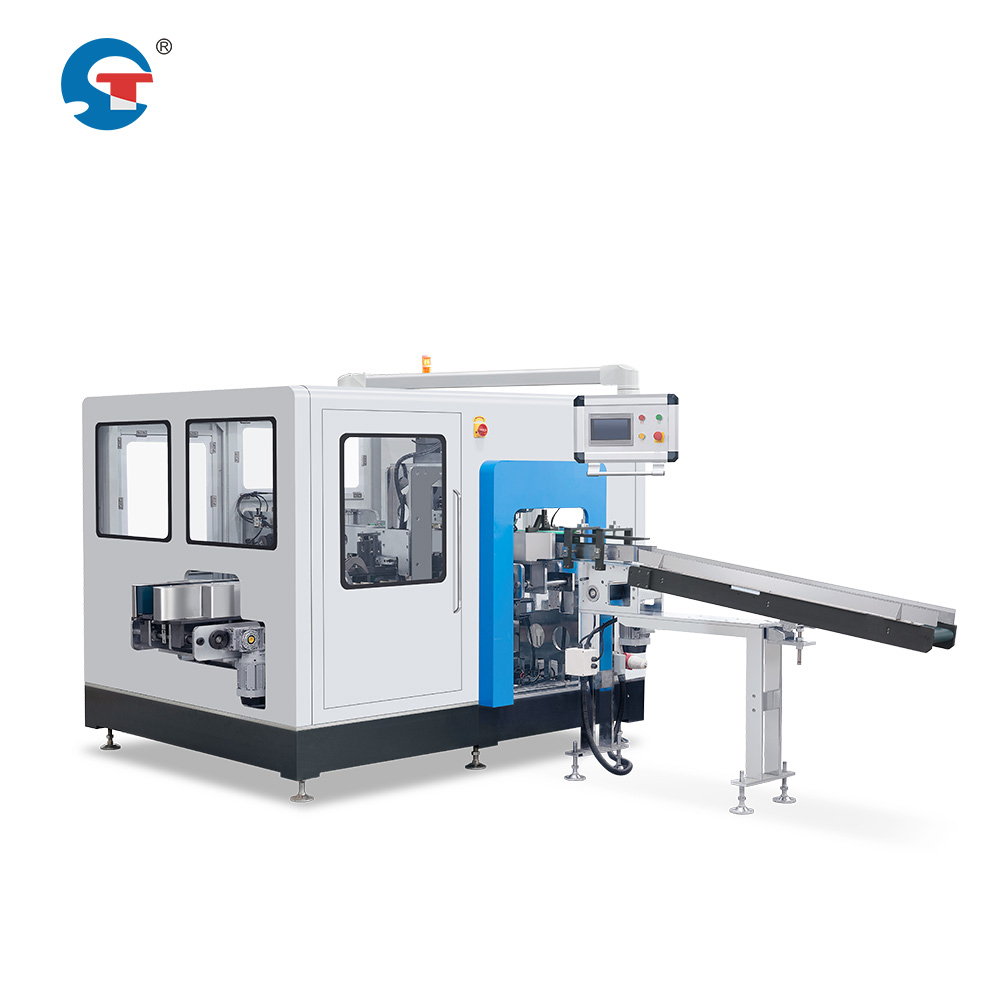
Integracja kontroli jakości w procesie pracy maszyny do cięcia papieru umożliwia natychmiastowe działania korekcyjne w przypadku wystąpienia odchyleń, zapobiegając gromadzeniu się wadliwego wyrobu, które charakteryzuje metody kontroli partii. Gdy system kontroli wykrywa przesunięcie wymiarów w kierunku granic tolerancji, może on automatycznie dostosować parametry cięcia lub powiadomić operatorów o pojawiających się problemach jeszcze przed wzrostem liczby odrzuconych elementów. Takie proaktywne podejście zmniejsza odpady związane z jakością o dwadzieścia do trzydziestu procent w porównaniu z metodami kontroli przeprowadzanymi na etapie końcowym, ponieważ problemy są rozwiązywane w momencie, gdy wpływają one jedynie na minimalne ilości materiału, a nie na całe partie produkcyjne.
Systemy szybkiej wymiany narzędzi redukujące odpady związane z przełączaniem
Zmiany zadań stanowią kluczowe punkty generowania odpadów w procesach produkcyjnych papieru toaletowego, ponieważ maszyny przechodzą między różnymi specyfikacjami produktu, a operatorzy sprawdzają, czy nowe ustawienia zapewniają akceptowalną jakość wyrobu. Konwencjonalne urządzenia do cięcia papieru mogą wymagać od trzydziestu do sześćdziesięciu minut na pełną zmianę zadania, podczas której zużywana jest znaczna ilość materiału na potrzeby weryfikacji ustawień, próbnych cięć oraz potwierdzenia jakości. Nowoczesne systemy szybkiej zmiany zadań skracają ten czas przejścia do pięciu–dziesięciu minut dzięki regulacjom bez użycia narzędzi, zautomatyzowanym systemom pozycjonowania oraz zintegrowanym procedurom weryfikacji minimalizującym zużycie materiału podczas walidacji ustawień.
Wpływ technologii szybkiej zmiany zadań na redukcję odpadów staje się szczególnie istotny w zakładach produkujących zróżnicowane portfele produktów lub działających w środowisku produkcji typu just-in-time, charakteryzującym się częstymi zmianami zadań. A maszyna do krojenia papieru zaprojektowany do szybkiej wymiany narzędzi, zawiera pozycje pamięciowe dla zespołów noży, programowalne prowadnice materiału oraz automatyczne regulacje luzu między nożami, które eliminują ręczne pomiary i krokowe procedury pozycjonowania. Zakłady wdrażające technologię maszyn do cięcia papieru z funkcją szybkiej wymiany narzędzi zgłaszają redukcję odpadów związanych z przygotowaniem maszyny o 40–60%, przy czym oszczędności materiału uzupełniane są poprawą produktywności wynikającą ze zwiększenia czasu dostępnego na produkcję.
Innowacje w zakresie manipulacji materiałami chroniące integralność arkuszy
Bezstykowe systemy transportu zapobiegające uszkodzeniom powierzchni
Odpady materiałowe w operacjach cięcia papieru obejmują nie tylko błędy wymiarowe, ale także uszkodzenia powierzchniowe, zanieczyszczenia oraz wady mechaniczne powstające podczas manipulacji materiałem przed, w trakcie i po procesach cięcia. Tradycyjne systemy transportowe wykorzystujące wałki, taśmy lub łańcuchy mogą powodować ślady ucisku, uszkodzenia krawędzi oraz zadrapania na powierzchni, przez co gotowe arkusze stają się nieodpowiednie do produkcji wysokiej klasy produktów z papieru chusteczkowego lub opakowań widocznych dla klienta. Nowoczesne konstrukcje maszyn do cięcia papieru wykorzystują systemy unoszenia powietrzem, mechanizmy transportu próżniowego oraz technologie elektrostatycznego przenoszenia materiału, które pozwalają na przemieszczanie materiału bez bezpośredniego kontaktu mechanicznego, eliminując w ten sposób wady związane z manipulacją materiałem, które przyczyniają się do odpadów jakościowych.
Zastosowanie technologii bezdotykowego przetwarzania okazuje się szczególnie wartościowe podczas przetwarzania lekkich gatunków papieru do chusteczek, wyrobów tłoczonych lub materiałów z wyspecjalizowanymi powłokami powierzchniowymi, które są szczególnie narażone na uszkodzenia spowodowane manipulacją. Systemy unoszenia powietrzem zawieszają arkusze na poduszce niskociśnieniowego powietrza, umożliwiając maszynie do cięcia papieru transport materiału przez operacje cięcia i układania bez wywoływania naprężeń ani kontaktu z powierzchnią. Zakłady przetwarzające produkty premium z papieru do chusteczek informują, że bezdotykowe przetwarzanie zmniejsza odpad związany z jakością o pięć do dwunastu procent, przy czym redukcja dotyczy głównie wad powierzchniowych, które wcześniej wymagały ręcznej kontroli i sortowania.
Systemy prowadzenia krawędzi zapewniające zachowanie prawidłowego położenia materiału w trakcie całego procesu przetwarzania
Straty materiału znacznie wzrastają, gdy arkusze tracą wyrównanie podczas operacji cięcia, co prowadzi do cięć ukośnych, częściowych arkuszy oraz materiału, który wymaga ponownej obróbki lub odrzucenia. Profesjonalne systemy maszyn do cięcia papieru wykorzystują aktywne mechanizmy prowadzenia krawędzi, które stale monitorują położenie materiału i dokonują korekt w czasie rzeczywistym, aby utrzymać precyzyjne wyrównanie względem ostrzy tnących oraz urządzeń zainstalowanych w dalszej części linii. Te systemy prowadzenia wykorzystują czujniki optyczne, detektory ultradźwiękowe lub sondy mechaniczne do śledzenia krawędzi materiału, przekazując dane o jego położeniu do serwonapędzanych aktuatorów wyrównujących, które dostosowują tor przebiegu materiału z czasem reakcji mierzonym w milisekundach.
Skuteczność technologii prowadzenia krawędzi staje się widoczna podczas przetwarzania materiałów o naturalnych odchyleniach wymiarowych, takich jak papier do ręczników, który może wykazywać zmiany szerokości wzdłuż długości rolki, czy też arkusze materiału z nieregularnymi krawędziami wynikającymi z procesów wstępnych. System prowadzenia maszyny do cięcia papieru automatycznie kompensuje te odchylenia, zapewniając, że operacje cięcia odnoszą się do rzeczywistych krawędzi materiału, a nie do założonych pozycji. Ta zdolność adaptacyjna pozwala zmniejszyć odpady związane z niedoskonałą dokładnością pozycjonowania o 8–14% w porównaniu z podejściami opartymi na cięciu w ustalonej pozycji; największe korzyści uzyskuje się w zakładach przetwarzających materiały pochodzące od wielu dostawców lub zarządzających naturalnymi odchyleniami występującymi w procesach produkcyjnych papieru.
Inteligentne systemy układania, zapobiegające uszkodzeniom gotowego produktu
Ostatni etap manipulacji materiałami w operacjach cięcia papieru wiąże się z dużym ryzykiem marnotrawstwa, ponieważ gotowe arkusze muszą być gromadzone, wyrównywane i przekazywane do operacji pakowania bez uszkodzeń, które wymagałyby obniżenia jakości produktu lub jego wycofania z obrotu. Konwencjonalne systemy układania opierają się na mechanizmach opuszczania pod wpływem siły ciężkości lub prostych ramach zrywających, które mogą powodować uszkodzenia narożników, nieprawidłowe ułożenie arkuszy oraz niestabilność stosu, prowadząc do strat podczas manipulacji. Nowoczesne platformy maszyn do cięcia papieru integrują sterowane układy opuszczania stosów, automatyczne systemy wyrównywania oraz łagodne mechanizmy kompresji, które tworzą jednolite stosy, zachowując integralność arkuszy na całym etapie gromadzenia.
Zaawansowane technologie układania stosów zastosowane w projektach nowoczesnych maszyn do cięcia papieru eliminują konkretne mechanizmy uszkodzeń powodujące odpad w środowiskach produkcyjnych tkanin papierowych przy wysokich prędkościach. Systemy kontrolowanego opuszczania pozwalają na umieszczanie każdego arkusza na rosnącym stosie z prędkością zgodną z prędkością ruchu taśmy, co eliminuje siły uderzeniowe powodujące zgięcia narożników i uszkodzenia krawędzi. Automatyczne mechanizmy wyważania stosu wykorzystują pneumatyczne lub mechaniczne delikatne przesuwania arkuszy w celu ich dokładnego wyrównania w ściśle określonych tolerancjach, zapewniając, że kolejne operacje cięcia, owijania lub pakowania mogą być wykonywane na stosach bez konieczności obcinania krawędzi ani odrzucania produktów. Zakłady wprowadzające inteligentne technologie układania stosów odnotowują redukcję odpadów wśród gotowych wyrobów w zakresie od trzech do siedmiu procent oraz dodatkowe korzyści w postaci zwiększonej wydajności procesów pakowania w dalszej części linii produkcyjnej oraz poprawy jakości prezentacji produktu.
Podejścia do optymalizacji oparte na danych w celu ciągłej redukcji odpadów
Systemy monitoringu produkcji w czasie rzeczywistym oraz śledzenia odpadów
Skuteczne strategie redukcji odpadów wymagają dokładnego pomiaru i analizy źródeł odpadów, ich ilości oraz trendów występujących w ramach operacji produkcyjnych. Nowoczesne urządzenia do cięcia papieru są wyposażone w kompletne systemy zbierania danych, które w czasie rzeczywistym monitorują zużycie materiałów, ilość wyprodukowanych gotowych wyrobów, generowane odpady oraz wskaźniki efektywności, zapewniając menedżerom fabrycznym informacje niezbędne do zidentyfikowania obszarów możliwych do ulepszenia oraz weryfikacji skuteczności inicjatyw redukujących odpady. Te systemy monitorujące rejestrują odpady według kategorii, w tym obcinanie krawędzi, materiały używane podczas przygotowania maszyny do pracy, odrzuty wynikające z niezgodności jakości oraz straty związane z obsługą, umożliwiając stosowanie celowych działań interwencyjnych wobec konkretnych źródeł odpadów.
Dane generowane przez systemy monitoringu maszyn do cięcia papieru wspierają zarówno natychmiastowe decyzje operacyjne, jak i długoterminowe planowanie strategiczne programów redukcji odpadów. Nadzorujący produkcję mogą identyfikować zmiany, operatorów lub specyfikacje produktu związane z podwyższonymi wskaźnikami odpadów i wprowadzać skoncentrowane szkolenia lub korekty procesów w celu rozwiązania konkretnych problemów. Inżynierowie produkcyjni mogą analizować trendy odpadów przez tygodnie lub miesiące, aby ocenić wpływ modyfikacji sprzętu, zmian materiałów lub aktualizacji procedur na ogólną wydajność w zakresie odpadów. Zakłady wyposażone w kompletne systemy śledzenia odpadów osiągają systematycznie dodatkową redukcję odpadów o trzy do pięciu procent poza natychmiastowymi korzyściami wynikającymi z modernizacji sprzętu, ponieważ przejrzystość danych umożliwia działania ciągłego doskonalenia skierowane na pozostające źródła odpadów.
Podejścia do konserwacji predykcyjnej zapobiegające pogorszeniu jakości
Stan wyposażenia ma bezpośredni wpływ na jakość cięcia oraz na tempo generowania odpadów, ponieważ zużyte ostrza, nieprawidłowo wyjustowane elementy i zdegradowane systemy sterowania stopniowo zwiększają wskaźnik wad oraz zużycie materiału. Tradycyjne podejścia do konserwacji oparte na czasie mogą pozwalać na eksploatację urządzeń w stanie podoptymalnym między usługi okresami konserwacji lub, odwrotnie, mogą prowadzić do przedwczesnej wymiany komponentów zgodnie z ostrożnymi harmonogramami, a nie w oparciu o rzeczywisty stopień zużycia. Zaawansowane platformy maszyn do cięcia papieru stosują strategie konserwacji predykcyjnej, wykorzystując dane z czujników, metryki wydajności oraz algorytmy uczenia maszynowego w celu wykrywania nadchodzących potrzeb konserwacyjnych jeszcze przed ich wpływem na jakość produktu lub wzrostem generowania odpadów.
Funkcja predykcyjnej konserwacji monitoruje parametry, w tym wskaźniki ostrości ostrzy, wydajność serwosilników, dokładność czujników oraz charakterystyki układu hydraulicznego, porównując aktualne pomiary z wyjściowymi wartościami odniesienia oraz ustalonymi wzorcami degradacji. Gdy system monitoringu maszyny do cięcia papieru wykrywa trendy dotyczące wydajności wskazujące na zbliżanie się do progów konserwacji, generuje rekomendacje serwisowe umożliwiające zaplanowanie działań konserwacyjnych w ramach zaplanowanego przestoju, a nie w odpowiedzi na problemy jakościowe lub awarie sprzętu. Zakłady wprowadzające predykcyjną konserwację w operacjach cięcia papieru zgłaszają redukcję odpadów o 4–8% w porównaniu do konserwacji reaktywnej lub opartej na czasie, przy jednoczesnym korzystaniu z dodatkowych korzyści, takich jak poprawa dostępności sprzętu oraz obniżenie kosztów nagłych napraw.
Integracja planowania produkcji optymalizująca wykorzystanie materiałów
Zmniejszanie ilości odpadów wykracza poza indywidualne operacje maszyn do cięcia papieru i obejmuje szersze decyzje dotyczące planowania produkcji, które wpływają na wykorzystanie materiałów w przypadku wielu produktów, serii produkcyjnych oraz okresów planowania. Zaawansowane systemy realizacji produkcji integrują możliwości maszyn do cięcia papieru z oprogramowaniem do planowania zasobów przedsiębiorstwa (ERP), narzędziami prognozowania popytu oraz systemami zarządzania zapasami, aby zoptymalizować kolejność produkcji, wielkość partii oraz decyzje dotyczące przydziału materiałów w celu minimalizacji łącznej ilości odpadów w całej placówce. Ta integracja umożliwia planistom uwzględnianie efektywności wykorzystania materiałów obok tradycyjnych celów harmonogramowania, takich jak terminowość dostaw i wykorzystanie sprzętu.
Podejście optymalizacyjne do planowania identyfikuje możliwości sekwencjonowania partii produkcyjnych wykorzystujących wspólne materiały magazynowe, minimalizując przy tym przestawienia i odpady związane z przygotowaniem maszyn, a jednocześnie zapewniając, że pozostałości materiału po jednej operacji mogą być skutecznie wykorzystane w kolejnych procesach. System może zalecać korekty wielkości partii produkcyjnych lub harmonogramu ich realizacji w celu poprawy wykorzystania materiałów bez naruszania wymagań dotyczących obsługi klienta. W zakładach wyposażonych w wiele instalacji maszyn do cięcia papieru integracja planowania umożliwia przydzielanie konkretnych zadań do poszczególnych urządzeń z uwzględnieniem minimalizacji odpadów – produkty o ścisłych tolerancjach są kierowane do najbardziej precyzyjnych maszyn, podczas gdy mniej wymagające zastosowania obsługiwane są przez inne urządzenia. Producentom wdrażającym zintegrowane podejścia do planowania udaje się osiągnąć dodatkowe zmniejszenie odpadów o 3–6 procent względem popraw uzyskanych na poziomie poszczególnych urządzeń, co potwierdza wartość optymalizacji na poziomie całego systemu w ramach kompleksowych strategii redukcji odpadów.
Korzyści ekonomiczne i środowiskowe wynikające z redukcji odpadów dzięki zaawansowanej technologii cięcia
Bezpośrednie oszczędności kosztów wynikające z ograniczenia zużycia materiałów
Uzasadnienie finansowe inwestycji w zaawansowaną technologię maszyn do cięcia papieru opiera się na mierzalnych oszczędnościach wynikających z redukcji odpadów materiałowych, co bezpośrednio zmniejsza zakupy surowców potrzebnych do wytworzenia równoważnej ilości gotowych produktów. W zakładach produkujących chusteczki papierowe koszty papieru stanowią zwykle od trzydziestu do czterdziesięciu procent całkowitych kosztów produkcji, co oznacza, że redukcja odpadów przekłada się proporcjonalnie na poprawę marży zysku lub stwarza możliwości konkurencyjnego cenowania. Zakład przetwarzający rocznie tysiąc ton metrycznych papieru chusteczkowego przy poziomie odpadów wynoszącym piętnaście procent może osiągnąć roczne oszczędności przekraczające sto tysięcy dolarów, obniżając poziom odpadów do ośmiu procent dzięki modernizacji maszyn do cięcia papieru, przy założeniu typowych cen papieru chusteczkowego.
Analiza ekonomiczna musi uwzględniać zarówno bezpośrednie oszczędności materiałowe, jak i związane z nimi obniżki kosztów obsługi odpadów, opłat za ich zagospodarowanie oraz kosztów utrzymywania zapasów surowców. Zmniejszenie ilości generowanych odpadów prowadzi do obniżenia zapotrzebowania na siłę roboczą i sprzęt niezbędny do zbierania, transportowania oraz przetwarzania odpadów produkcyjnych, podczas gdy mniejsze objętości odpadów przeznaczonych do zagospodarowania zmniejszają opłaty za składowanie na wysypiskach lub zwiększają przychody z programów recyklingu. Poprawa efektywności wykorzystania materiałów redukuje również zapotrzebowanie na kapitał obrotowy poprzez zmniejszenie zapasów surowców potrzebnych do realizacji harmonogramów produkcji. Przy ocenie kompleksowych skutków ekonomicznych inwestycje w maszyny do cięcia papieru skierowane na ograniczanie odpadów charakteryzują się zwykle okresami zwrotu nakładów inwestycyjnych wynoszącymi od osiemnastu do trzydziestu sześciu miesięcy w zakładach przetwarzających znaczne objętości materiałów, a długotrwałe oszczędności zapewniają istotny zwrot z inwestycji w całym okresie użytkowania sprzętu, który wynosi od dziesięciu do piętnastu lat.
Ulepszenia w zakresie zrównoważoności środowiskowej oraz zgodność z przepisami prawno-regulacyjnymi
Zmniejszanie odpadów produkcyjnych dzięki postępom technologicznym w zakresie maszyn do cięcia papieru bezpośrednio wspiera cele zrównoważonego rozwoju środowiskowego, które stają się coraz ważniejsze dla klientów, organów regulacyjnych oraz programów odpowiedzialności korporacyjnej. Każdy usunięty ton odpadów wiąże się z proporcjonalnym zmniejszeniem zużycia surowców leśnych, energii potrzebnej do procesu młynekowania, zużycia wody oraz emisji związanych z transportem w cyklu produkcji i logistyki papieru. W przypadku wyrobów z waty toaletowej pochodzących z włókien pierwotnych redukcja odpadów przynosi szczególnie istotne korzyści środowiskowe, zmniejszając presję na zasoby leśne oraz ograniczając energochłonne procesy młynekowania wymagane do przekształcenia drewna w papier.
Korzyści środowiskowe wynikające z redukcji odpadów w maszynach do cięcia papieru obejmują także skutki na poziomie zakładu, takie jak obniżenie zużycia energii do obsługi odpadów, ograniczenie transportu odpadów do utylizacji oraz niższe emisje pochodzące z rozkładu lub spalania odpadów. Zakłady dążące do uzyskania certyfikatów środowiskowych, takich jak ISO 14001 lub branżowe standardy zrównoważonego rozwoju, stwierdzają, że udokumentowane programy redukcji odpadów wzmocniają dowody zgodności oraz wspierają wymagania dotyczące ciągłego doskonalenia. W niektórych regionach wprowadzane są opłaty regulacyjne związane z ilością odpadów lub ograniczenia w zakresie ich utylizacji, co czyni redukcję odpadów ekonomicznie obligatoryjną – nie tylko w ramach dobrowolnych inicjatyw z zakresu zrównoważonego rozwoju. Zaawansowana technologia maszyn do cięcia papieru zapewnia mierzalną i weryfikowalną redukcję odpadów, która wspiera zarówno wymagania dotyczące raportowania środowiskowego, jak i zobowiązania korporacyjne w zakresie zrównoważonego rozwoju – zobowiązania te coraz bardziej wpływają na decyzje zakupowe klientów oraz na wizerunek marki na rynkach produktów higienicznych dla konsumentów i sektora komercyjnego.
Elastyczność operacyjna i przewagi konkurencyjne wynikające z poprawy efektywności
Ponad bezpośrednimi korzyściami finansowymi i środowiskowymi redukcja odpadów dzięki zaawansowanej technologii maszyn do cięcia papieru zapewnia strategiczne korzyści operacyjne, które wzmocniają pozycję konkurencyjną oraz odporność przedsiębiorstwa. Poprawa efektywności wykorzystania materiałów zwiększa rzeczywistą zdolność produkcyjną, umożliwiając uzyskanie większej liczby gotowych wyrobów przy wykorzystaniu istniejącego sprzętu i surowców, co zapewnia elastyczność niezbędną do zaspokojenia wzrostu popytu bez proporcjonalnych inwestycji kapitałowych. Zmniejszenie ilości odpadów zmniejsza również wrażliwość na wahania cen surowców, ponieważ efektywne procesy operacyjne wymagają mniejszego procentowego wzrostu kosztów, aby utrzymać rentowność w przypadku podwyżek cen papieru.
Spójność jakości i kontrola procesu związane z działaniem maszyn do cięcia papieru o niskim poziomie odpadów umożliwiają zakładom realizację zamówień z segmentów rynku premium oraz spełnianie wymagań wymagających klientów, które stawiają wysokie wymagania co do dokładności wymiarów i minimalnej liczby wadliwych produktów. Klienci na rynkach materiałów higienicznych przeznaczonych do użytku komercyjnego, instytucjonalnego i detalicznego coraz częściej oceniają dostawców pod kątem ich osiągnięć w zakresie zrównoważonego rozwoju, spójności jakości oraz niezawodności działania — wszystkie te obszary są wzmocnione dzięki wdrożeniu zaawansowanej technologii cięcia. Producenti informują, że programy redukcji odpadów skupiające się na ulepszeniach maszyn do cięcia papieru wspierają skuteczne składanie ofert na kontrakty oparte na wartości, uzasadniają stosowanie wyższych cen w przypadku zastosowań szczególnie wrażliwych na jakość oraz pozwalają na wyróżnienie się na rosnąco konkurencyjnym rynku produkcji materiałów higienicznych, charakteryzującym się konsolidacją branży i presją cenową.
Często zadawane pytania
Jaki procent redukcji odpadów mogą realistycznie osiągnąć zakłady poprzez modernizację do nowoczesnej technologii maszyn do cięcia papieru?
Fabryki osiągają zwykle redukcję odpadów w zakresie od piętnastu do trzydziestu procent przy modernizacji z ręcznych lub starszych półautomatycznych systemów cięcia papieru na obecne, zautomatyzowane technologie wyposażone w precyzyjne sterowanie i funkcje optymalizacji. Dokładna wartość redukcji zależy od początkowego poziomu odpadów, złożoności asortymentu wyrobów oraz kompleksowości wdrożenia nowej technologii. Zakłady o szczególnie wysokim początkowym poziomie odpadów mogą osiągnąć redukcję przekraczającą trzydzieści procent, podczas gdy przedsiębiorstwa już korzystające z stosunkowo nowoczesnego sprzętu mogą odnotować poprawę w zakresie od dziesięciu do piętnastu procent. Redukcja odpadów wynika z wielu źródeł, w tym zwiększonej precyzji cięcia, mniejszej ilości odpadów powstających podczas przygotowania maszyn do pracy, zmniejszenia liczby odrzutów z powodu braków jakościowych oraz lepszego obsługi materiału – każde z tych czynników przyczynia się do całkowitej poprawy o kilka punktów procentowych.
Jak długo zwykle trwa, zanim oszczędności wynikające z redukcji odpadów uzasadnią inwestycję w zaawansowane urządzenia do cięcia papieru?
Okresy zwrotu inwestycji w maszyny do cięcia papieru skupione na redukcji odpadów wahają się zazwyczaj od osiemnastu miesięcy do trzech lat, w zależności od objętości produkcji, kosztów materiałów oraz skali osiągniętej redukcji odpadów. Zakłady o wysokiej wydajności przetwarzające drogocenne gatunki papieru toaletowego mogą osiągnąć zwrot inwestycji w ciągu dwunastu–osiemnastu miesięcy, podczas gdy mniejsze jednostki lub te przetwarzające tanie gatunki komodowe mogą potrzebować trzech–czterech lat, aby odzyskać inwestycję wyłącznie dzięki oszczędnościom materiałom. Analiza finansowa powinna uwzględniać także poprawę produktywności, podniesienie jakości oraz oszczędności związane z pracą, obok bezpośredniej redukcji odpadów materiałowych, ponieważ te dodatkowe korzyści często przyczyniają się do całkowitego zwrotu inwestycji w takim samym stopniu jak eliminacja odpadów. Wiele zakładów stwierdza, że kompleksowa ocena ekonomiczna obejmująca wszystkie kategorie korzyści uzasadnia okresy zwrotu inwestycji krótsze niż dwa lata przy odpowiednich ulepszeniach technologicznych.
Czy starsze maszyny do cięcia papieru można wyposażyć w technologię redukcji odpadów, czy konieczna jest całkowita wymiana sprzętu?
Selektywne modernizowanie może poprawić wydajność maszyn do cięcia papieru pod kątem odpadów w wielu przypadkach, choć zakres możliwych ulepszeń oraz ich opłacalność różnią się znacznie w zależności od wieku sprzętu, jego stanu technicznego oraz pierwotnych możliwości projektowych. Modernizacje takie jak cyfrowe systemy sterowania, zautomatyzowane urządzenia pomiarowe oraz ulepszone mechanizmy mocujące ostrza można często stosować w maszynach wyprodukowanych w ciągu ostatnich dziesięciu–piętnastu lat, co pozwala osiągnąć redukcję odpadów na poziomie 40–60% w porównaniu do nowego sprzętu przy kosztach stanowiących jedynie 25–40% ceny zakupu nowej maszyny. Jednakże podstawowe ograniczenia związane z precyzją mechaniczną, sztywnością konstrukcyjną oraz projektem systemu obsługi materiału mogą uniemożliwić starszym maszynom osiągnięcie obecnych standardów wydajności, niezależnie od wprowadzonych ulepszeń systemów sterowania. Kompleksowa ocena techniczna przeprowadzona przez specjalistów ds. sprzętu pozwala określić, czy modernizacja jest ekonomicznie uzasadniona, czy też wymiana sprzętu zapewni lepszą długoterminową wartość w kontekście konkretnych wymagań produkcyjnych oraz celów redukcji odpadów.
Jakie zmiany operacyjne muszą fabryki wprowadzić wraz z nową technologią maszyn do cięcia papieru, aby maksymalizować korzyści związane ze zmniejszeniem odpadów?
Maksymalizacja redukcji odpadów przy użyciu zaawansowanej technologii maszyn do cięcia papieru wymaga wprowadzenia uzupełniających zmian w zakresie szkolenia operatorów, praktyk konserwacyjnych, planowania produkcji oraz monitorowania wyników – a nie tylko samej instalacji sprzętu. Operatorzy muszą zostać przeszkoleni w zakresie cyfrowych systemów sterowania, narzędzi do monitorowania jakości oraz funkcji optymalizacyjnych, aby w pełni wykorzystać możliwości nowego sprzętu, zamiast obsługiwać nowe maszyny według starych procedur. Programy konserwacji powinny przejść na podejście oparte na stanie urządzenia oraz prognozujące, które zapewnia zachowanie precyzji sprzętu, zamiast dopuszczać stopniowy spadek jego wydajności między kolejnymi interwałami serwisowymi. Planowanie produkcji musi uwzględniać efektywność wykorzystania materiału podczas sekwencjonowania zleceń i określania wielkości partii, co może wiązać się z dostosowaniem tradycyjnych priorytetów harmonogramowania w celu wykorzystania możliwości redukcji odpadów. Na koniec zakłady powinny wdrożyć komprehensywne systemy śledzenia i analizy odpadów, zapewniające przejrzystość w zakresie źródeł i trendów generowania odpadów, umożliwiając działania ciągłej poprawy, które opierają się na początkowej implementacji technologii. Organizacje, które wdrażają te zmiany operacyjne równolegle z modernizacją sprzętu, osiągają zwykle o dwadzieścia do trzydziestu procent większą redukcję odpadów niż te, które skupiają się wyłącznie na instalacji nowego sprzętu.
Spis treści
- Technologia precyzyjnego cięcia i jej bezpośredni wpływ na redukcję odpadów
- Funkcje automatyzacji minimalizujące błędy ludzkie oraz odpady związane z przygotowaniem maszyny
- Innowacje w zakresie manipulacji materiałami chroniące integralność arkuszy
- Podejścia do optymalizacji oparte na danych w celu ciągłej redukcji odpadów
- Korzyści ekonomiczne i środowiskowe wynikające z redukcji odpadów dzięki zaawansowanej technologii cięcia
-
Często zadawane pytania
- Jaki procent redukcji odpadów mogą realistycznie osiągnąć zakłady poprzez modernizację do nowoczesnej technologii maszyn do cięcia papieru?
- Jak długo zwykle trwa, zanim oszczędności wynikające z redukcji odpadów uzasadnią inwestycję w zaawansowane urządzenia do cięcia papieru?
- Czy starsze maszyny do cięcia papieru można wyposażyć w technologię redukcji odpadów, czy konieczna jest całkowita wymiana sprzętu?
- Jakie zmiany operacyjne muszą fabryki wprowadzić wraz z nową technologią maszyn do cięcia papieru, aby maksymalizować korzyści związane ze zmniejszeniem odpadów?