
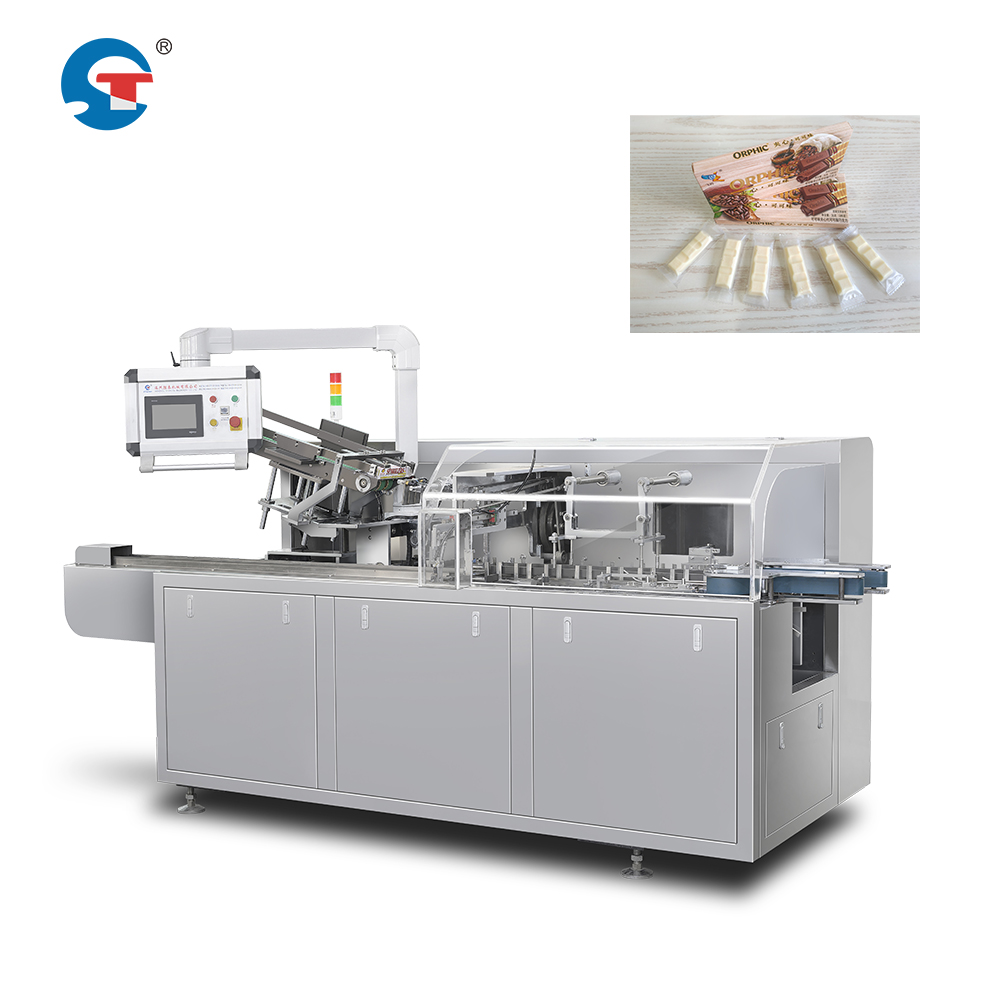
בנוף התחרותי של ייצור המזון המודרני, יעילות האריזה והצגת המוצר הפכו לגורמים קריטיים להצלחה שמשפיעים ישירות על הביצועים השוקיים והרווחיות הפעולה. כשמתחייבויות הצרכנים לאיכות המוצר, לבטיחות ולנוחות ממשיכות לעלות, יצרני המזון נאלצים להתמודד עם לחץ גובר לאופטימיזציה של תהליכי האריזה שלהם תוך שמירה על סטנדרטים מחמירים של היגיינה וצמצום עלויות הפעלה. ה מכונה לאריזת מזון השתלבה כפתרון בלתי נפרד שפותר את האתגרים הרב-ממדיים הללו, ומשנה את הדרך שבה מוצרי המזון מוארכים, מוגנים ומציגים לצרכנים. טכנולוגיית האריזה האוטומטית הזו מייצגת הרבה יותר מאשר רק מיכון של משימות ידניות — היא מבטאת נכס אסטרטגי בפעילות שמחזק את קיבולת הייצור, מבטיח איכות עקבייה ונותן יתרונות תחרותיים בשוק הדרמטי יותר מבעבר.
הבנת הסיבה שבגינה מכונה לאריזת מזון היא חיונית ודורשת בחינה של היתרונות התפעוליים, הכלכליים והאסטרטגיים העמוקים שהיא מספקת לمرافق ייצור מזון. מהפעלות אומנותיות בקנה מידה קטן ועד מפעלי ייצור תעשייתיים גדולים, יישום טכנולוגיית האריזה האוטומטית של קופסאות משנה באופן יסודי את זרמי העבודה בייצור, מקטין את התלות בעבודה ידנית ומייסד מערכות ניתן להרחבה שמסוגלות לעמוד בדרישות השוק המשתנות. מאמר זה חוקר את הסיבות המכריעות שבגינן מכונות אריזת מזון לקופסאות הפכו לתשתיות impresive במערכות ייצור מזון עתידניות, תוך בחינה של ההשפעה שלהן על היעילות, הגנת המוצר, עמידה בתקנות, מיקום המותג והקיימות העסקית האורכית. על ידי הבנת גורמים קריטיים אלו, יצרני מזון יכולים לקבל החלטות מושכלות בנוגע להשקעות באוטומציה של האריזה שמתאימות למטרות הפעילות שלהם ולאסטרטגיות המיקום בשוק.
שיפור יעילות הייצור וקיבולת התפוקה
שיפורים דרמטיים במהירות לעומת אריזה ידנית
היתרון הגלוי ביותר ביישום מכונת אריזת מזון לתיבות הוא העלייה המרשימה במהירות האריזה בהשוואה לפעולות ידניות. בעוד שעובדים מיומנים עלולים לארוז בין 20 ל-40 יחידות לדקה, תלוי במורכבות המוצר, מכונת אריזת מזון מודרנית מעבדת באופן רגיל 60–300 יחידות לדקה עם דיוק עקבי. הפרש הביצועים הזה מתורגם ישירות לעלייה דרמטית בנפח הייצור היומי, מה שמאפשר לייצרנים למלא הזמנות גדולות יותר, לקצר את זמני ההובלה ולתת מענה יעיל יותר לשינויים בעונותיות הביקוש. היתרון במהירות הופך קריטי במיוחד בתקופות פיק של ייצור, שבהן פעולות ידניות ידרשו עלייה פרופורציונלית בכוח אדם, בשטח מפעלי ובמערכת הפיקוח.
מעבר למדדי המהירות הגולמיים, מערכות אוטומטיות לקישוט תיבות שומרות על ביצועים עקביים לאורך פעולות ייצור ממושכות, ללא замנונים הנובעים מהעייפות, אשר מאפיינים את הפעולות הידניות. מכונת קישוט תיבות למזון פועלת בקיבולת המתוכננת שלה שעה אחרי שעה, ומבטלת את השינויים בביצועי הייצור הקשורים לפסקות של העובדים, החלפות משמרות והשונות הטבעיות בביצוע האנושי. עקביות זו מאפשרת תכנון ייצור מדויק יותר, מפחיתה את אי הוודאות בתוכניות הזמנים ומאפשרת התאמה טובה יותר עם תהליכי הייצור העליונים ועם הלוגיסטיקה של הפצה תחתונה. לייצרנים הפועלים על פי לוחות זמנים צרים של משלוחים או המשרתים ערוצי הפצה לפי דרישה (Just-in-Time), אמינות זו מייצגת יתרון מבצעי אסטרטגי שמשפיע ישירות על שביעות רצון הלקוחות והמצב התחרותי.
זרימת ייצור מותאמת ומבצרות מצומצמות
מכונה אוטומטית לאריזת מזון לתיבות מהווה מזרז לאופטימיזציה רחבה יותר של קו היצור, על ידי הסרת צווארים בקבוקים באריזה שמגבילים את התפוקה הכוללת. במתקנים שבהם פעולות האריזה הידניות נאבקות כדי להישאר בקצב עם קצב היצור במקטעים הקודמים, מצטברים מוצרים חלקיים באזורים זמניים, מה שדורש שטח ריצפה נוסף, טיפול ביניים וניהול מלאי. האריזה האוטומטית פותרת הפרעות זרימה אלו על ידי התאמת מהירות האריזה לתפוקת היצור, ויוצרת זרימת חומרים חלקה מהייצור ועד האריזה הסופית. סנכרון זה מפחית את מלאי היצירה בתהליך, ממזער את הסיכונים הנובעים מתפעול המוצרים ומקצר את זמני מחזור היצור הכוללים.
השיפור בכفاءות משתרע מעבר לתחנת האריזה המיידית ומשפיע על תהליכי היצור כולם. כאשר מכונה לאריזת מזון פועלת כחלק מקו משולב עם מערכות הזנה מסונכרנות, רכבות הובלה למוצרים וציוד לאחסון תיבות, מה שמאפשר לייצרנים ייצור זורם ממשי. אינטגרציה זו מבטלת את המנטליות של עיבוד מנות נפרדות, אשר מאפיינת פעולות ידניות, ומאפשרת מעבר חלק יותר בין ריצות ייצור, ומצמצמת את זמני ההחלפה. הזרימה הפעילה הנוצרת מתורגמת לשיעורי ניצול יעילים גבוהים יותר של הציוד, שיפור תשואת ההשקעה הכספית, וגמישות רבה יותר כדי לקלוט תיקי מוצרים מגוונים בתוך אותו מבנה תשתית.
מדרגיות לצמיחה עסקית
השקעה במכונת אריזת מזון מספקת התרחבות פנימית שתומכת בהרחבה עסקית ללא עלייה פרופורציונלית בעלויות יד עבד או בשטח המתקנים. ככל שנפח הייצור גדל, מערכות אוטומטיות מסוגלות לקלוט נפח גבוה יותר באמצעות הארכת שעות הפעלה, התאמות מהירות הקו או הוספת קווי אריזה מקבילים תוך שימוש בטכנולוגיה מוכחת. התרחבות זו נבדלת באופן חדה מפעולות ידניות, שבהן עלייה בנפח דורשת שכרת עובדים נוספים, הרחבת תוכניות האימון, ניהול צוותים גדולים יותר ותפיסה של שטח עבודה גדול יותר באופן פרופורציונלי. ההשלכות הכלכליות של הבדל זה הופכות חשובות יותר ויותר ככל שהעסק גדל, כאשר האוטומציה מספקת הרחבה ברת-קיימות של הקapasיטי במחיר שולי יורד.
למרות זאת, מכונות עטיפת מזון מודרניות מאפיינות עיצוב מודולרי ותצורות גמישות שמתאימות לדרישות מוצר משתנות ולפורמטים של אריזה. יצרנים המציגים קווי מוצרים חדשים או גדלי אריזה חדשים יכולים לעתים קרובות לקלוט את השינויים הללו באמצעות התאמות מכניות ושינויים בתוכנה במקום להחליף את הציוד כולו. גמישות זו מגינה על ההשקעות הכספיות מול שינויים בסל הקטלוג וההתפתחות השוקית, ומספקת ערך ארוך טווח שמתפשט מעבר להתקנה הראשונית. עבור עסקים מזון צומחים הנavigating תנאים שוקיים לא ודאיים והעדפות צרכניות משתנות, גמישות זו מהווה ביטוח אסטרטגי נגד הרס ערכי ותומכת בתגובה אגילית לאפשרויות שוק.
הגנה מעולה על המוצר ואחדות באיכות
יצירת קופסאות מדויקת וסגירה אמינה
מכונת אריזת מזון מספקת איכות ועקביות באריזה שפעולות ידניות מתקשות להתאים, ללא קשר לרמת הכישורים של הפעלתן. מערכות אוטומטיות יוצרות קופסאות עם דיוק ממדי מדויק, ומבטיחות שכל אריזה עומדת בדרישות המדויקות ליציבות מבנית, למראה ולהתאמה בתוך האריזה המשנית. הדיוק המכאני שבו מכונות אלו מקפלות את פאנלי הקופסה, מטילות דבק ומורכבות את כנפי הסגירה, יוצר אריזות חזקות באופן אחיד שמשמרות את המוצרים לאורך כל שרשרת ההתפלגות וההандלה. עקביות זו מאפסת את השינויים בחוזק האריזה הנפוצים בפעולות ידניות, שבהן הבדלים באסטרטגיות אישיות, תנודות בתשומת הלב ועייפות משפיעים על תוצאות האיכות.
היתרון באיכות משתרע במיוחד ליישום הדבק ולгерירת החתימה, פונקציות קריטיות שמשפיעות ישירות על שלמות האריזה במהלך השילוח והאחסון. מכונות אריזת מזון מודרניות משתמשות במערכות דבק חם או דבק קרה מבוקרות بدقة, אשר מחלקות כמויות דבק עקביות בטמפרטורות ומיקומים אופטימליים, ויוצרות חיבורים אמינים המסוגלים לעמוד במתחים הנובעים מההפצה. מנגנוני סגירה אוטומטיים של כיסויים וסגרים מבטיחים שהכיסויים נסגרים כראוי בכל מחזור, ומביאים לסיום מלא של הסגירה ולחתימות חזקות, דבר שמונע את הבעיות הנפוצות של סגירות לא שלמות או חתימות חלשות שעשויות להתרחש באריזה ידנית. עבור מוצרים מזון רגישים לחשיפה לסביבה, לכיוון האורזיה או לפגיעות פיזיות, שלמות האריזה הזו מספקת הגנה חיונית אשר שומרת על איכות המוצר ממקום הייצור ועד לנקודת הקנייה על ידי הצרכן.
הפחתת נזקי המוצרים והבזבוז
תפעול מוצר עדין אך בטוח מייצג ממד איכות חשוב נוסף, שבו מכונות לקרטון מזון מציגות יתרונות ברורים. מערכות אלו משתמשות במנגנוני הזנת מוצר מהונדסים بدقة, במערכות בקרת זמנים ובמערכות מיקום שמניעות פריטי מזון רגישים ללא דחיסה, שבירת או עיוות המוצרים. בין אם מתבצע עיבוד של ביסקוויטים שבירים, פריטי אפייה רגישים או ממתקים מסודרים בזהירות, מכונת קרטון מזון מתוקנת כראוי שומרת על שלמות המוצר לאורך תהליך האריזה. טיפול זה הנותן דגש על זהירות מפחית את שיעורי הדחייה של המוצרים, מקטין את עלויות הפסולת ומבטיח שצרכנים יקבלו את המוצרים בתנאי הרצויים, ומכך נובעת תמיכה ישירה במוניטין המותג והסיפוק של הלקוח.
ההשפעה הכלכלית של הפחתת נזקי המוצרים משתרעת לאורך שרשרת הערך כולה. מוצרים פגומים שזוהו בשלב האריזה מונעים את העלויות הגבוהות בהרבה הקשורים להחזרים במרכול, תלונות לקוחות ונזקים לדימוי המותג. על ידי זיהוי והמנעה של מוצרים פגומים לפני שהן נכנסים לערוצי ההתפלגות, מערכות אריזה אוטומטיות מגינות על יצרנים מהעלויות המצטברות הללו, ובמקביל משפרות את חישובי התפוקה הכוללת. עבור מוצרי מזון פרמיום, שבהם עלויות הרכיבים מייצגות ערך משמעותי, אפילו שיפורים קלים בהפחתת הנזקים יוצרים תוספת כלכלית משמעותית שתרומתה היא החזר מהיר על ההשקעות באוטומציה.
הצגת אריזות עקבית ודימוי מותג
בסביבות קמעונאיות תחרותיות שבהן המראה החיצוני של האריזה משפיע על החלטות הקנייה, האיכות הסבירה והקבועה של ההצגה שמספקת מכונת אריזת מזון מספקת יתרונות שיווקיים מוחשיים. כל קופסה יוצאת עם מראה זהה, כיוון תקין של התוויות, פינות חדים וסיום מקצועי שמחזקים את עמדת המותג. עקביות זו הופכת חשובה במיוחד למוצרים פרימיום, שם איכות האריזה מעידה על ערך המוצר וממינה את עמדת המחירים. האריזה הידנית מייצרת בהכרח וריאציות במראה, אשר אם כי הן אולי מספקות מבחינה פונקציונלית, יוצרות בעיות עדינות בתפיסה האיכותית שיכולות להשפיע על הבחירה של הצרכן בנקודת המכירה.
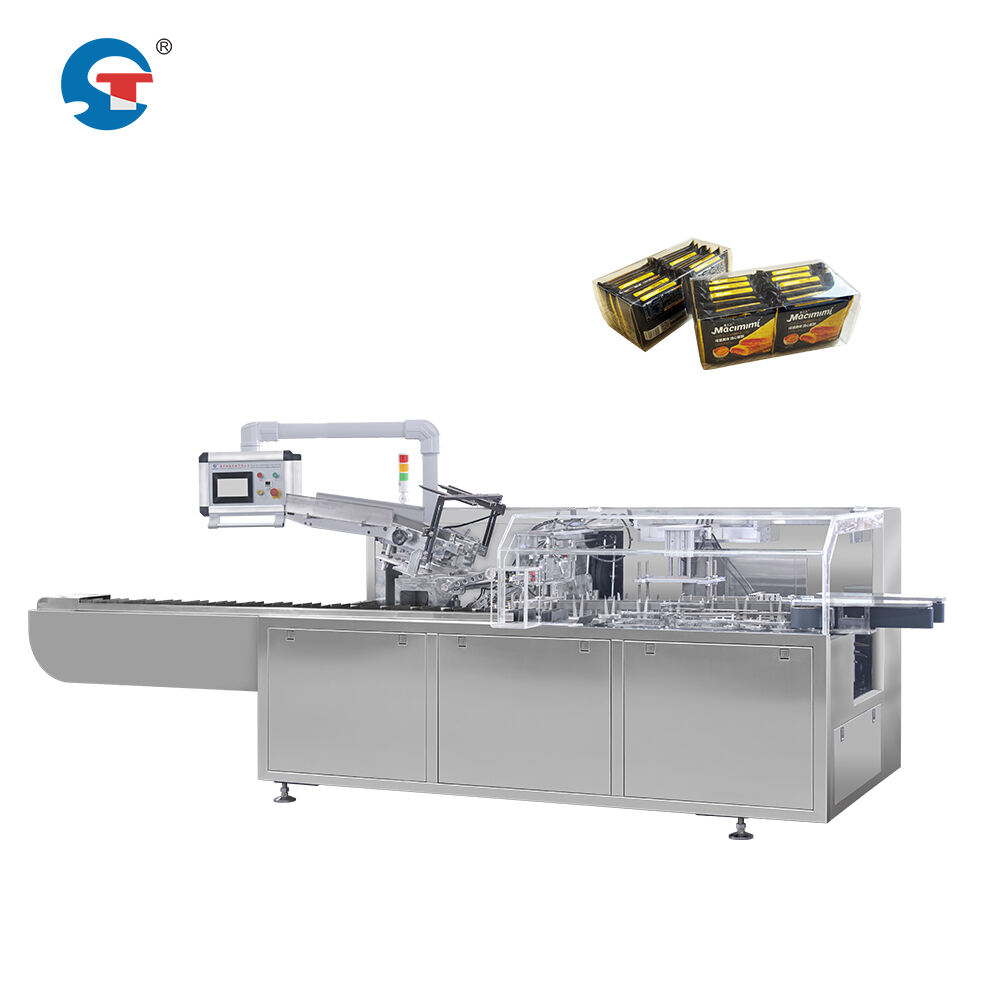
העקביות בהצגה מפשטת גם את ניהול תצוגת הקמעונאות ומשפרת את ההשפעה על המדף. מוצרים שארוזים באופן אחיד מתאימים לערימה בצורה אמינה יותר, יוצרים תצוגות מדף מושכות יותר ומעבירים דימוי מקצועי יותר של המותג בהשוואה לאבזרים עם הבדלים בממדים או במראה. קמעונאים שמנהלים אלפי פריטי מלאי (SKUs) מעריכים מוצרים שמתגלים באופן עקבי ודורשים התאמות מינימליות של פנים, מה שיכול להוביל למיקום מועדף על המדף וליחסים קמעונאיים טובים יותר בכלל. לייצרני מזון שמרחיבים את פעילות הקמעונאית שלהם או שואפים לעמדת שוק פרימיום, איכות ההצגה שמאפשרת אריזה אוטומטית של קופסאות תומכת ישירות במטרות האסטרטגיות הללו.
אופטימיזציה של כוח העבודה וצמצום עלויות הפעלה
הפחתת התלות בכוח עבודה ידני
הטמעת מכונת אריזת מזון משנה באופן יסודי את דרישות היד-עבודה, מפחיתה את התלות בעובדי האריזה תוך העברת משאבים אנושיים לפעילויות בערך גבוה יותר. מתקנים שבעבר דרשו קבוצות של עובדים באריזה יכולים להשיג תפוקה זהה או גדולה יותר עם מינימום מפעילים שמתמקדים במעקב אחר המיכון, אימות איכות ומשיכת חומרים. שינוי זה פותר מספר אתגרי כוח-עבודה קריטיים בו זמנית: הוא מקל על מחסור כרוני בעובדים שפוגע באזורי ייצור מזון רבים, מפחית את החשיפה להחלפת כוח-עבודה, ומפחית את עול ההדרכה הקשור להתאמתם המתמדת של עובדים חדשים לתפקידים ידניים שחוזרים על עצמם.
צמצום העבודה מספק חיסכון ישיר בעלויות, שבדרך כלל מהווה את ההצדקה הפיננסית העיקרית להשקעות באוטומציה. כאשר חישובים מקיפים מתחשבים בשכר, הטבות, ביטוח פיצויים לעובדים, עלויות הכשרה וניהול משאבי אנוש, עלות העבודה הכוללת ליחידה ארוזה עולה לעתים קרובות על עלויות תפעול הציוד בפערים ניכרים. חיסכון זה מצטבר מדי שנה, בעוד שעלויות הציוד נותרות קבועות יחסית לאחר התאוששות ההון הראשונית. עבור פעילות בשווקים עם שכר גבוה או בפני דרישות שכר מינימום מואצות, היתרון הכלכלי של קרטון אוטומטי הופך משכנע יותר ויותר ועשוי לייצג את ההבדל בין כדאיות תחרותית לחוסר קיימות תפעולית.
שיפור הבטיחות במקום העבודה והפחתת סיכונים לפציעות
האריזה האוטומטית של קופסאות משפרת באופן משמעותי את הבטיחות במקום העבודה על ידי הסרת פציעות הנגרמות מתנועות חוזרות ונשנות ופחת החשיפה לסיכונים נפוצים בהליך האריזה. פעולות האריזה הידניות כוללות אלפי תנועות חוזרות ונשנות מדי יום, ויוצרות סיכונים ארוגונומיים גדולים שמתבטאים במצוקת צינור היד, מתח בגב, פציעות בכתף ומחלות אחרות של מערכת השרירים והשלדים. פציעות אלו יוצרות טענות לפיצויי עובדים, ימי עבודה אבודים, ירידה בייעילות ובתפוקה, וסנקציות רגולטוריות אפשריות. מכונת אריזת מזון לקופסאות מסירה דרישות התנועה החוזרות הללו, ומבטלת באופן יסודי את המנגנון העיקרי של הפציעה, תוך יצירת סביבות עבודה בטוחות יותר שתומכות בריאותו ואושרו של העובד לאורך זמן.
מעבר להטבות הארגונומיות, מערכות אוטומטיות מפחיתות תאונות במקום העבודה הקשורות לעיבוד ידני של חומרים, כולל החלקות, נפילה, חתכים ופגיעות מהתנגשות. מכונות עיבוד אריזות מזון מודרניות כוללות תכונות בטיחות מקיפות, ביניהן הגנות, כפתורי עצירה חירום ומערכת נעילה בטיחותית המגינות על הפעילים מסיכונים מכניים. מערכות הבטיחות המהנדסות הללו בדרך כלל עולות על מה שניתן להשיג בפועל בעיבוד ידני, שבו הקשב, עייפות והתאמות לנהלים משתנים בהתאם לאדם. לייצרנים שמתמקדים בבניית תרבות בטיחות חזקה ובמיצוי עלויות הקשורות לפציעות, האוטומציה מייצגת אסטרטגיה פרואקטיבית המדגימה מחויבות ארגונית אמיתית לרווחת העובדים, תוך הגשת הפחתה מדידה בסיכונים.
עלות בעלות כוללת נמוכה יותר
כאשר מעריכים את המachines לאריזת מזון לאורך מחזורי הפעלה מלאים, מכונה כזו מציגה בדרך כלל עלות כוללת נמוכה יותר בעלות הבעלות בהשוואה ליכולת אריזה ידנית שווה ערך. אם כי ההשקעה הראשונית ברכוש מהווה הוצאה גדולה מראש, היתרונות בעלות הפעלה מצטברים לאורך תקופת חיי המכונה, אשר לעיתים קרובות משתרעת על 15–20 שנה עם תחזוקה מתאימה. שירות הפחתת עלויות העבודה, הפחתת פסולת המוצרים, הפחתת הוצאות עקב פציעות, הפחתת בעיות איכות ושיפור קצב הזרימה (throughput) מתמזגים כדי ליצור יתרונות פיננסיים מתמשכים אשר בדרך כלל משיבים את ההשקעה הראשונית תוך שנתיים–ארבע שנים, ולאחר מכן ממשיכים לספק יתרונות בעלות לאורך כל תקופת חיי שארית המכונה.
הניתוח התחבורי הופך אפילו יותר מוצלח כאשר לוקחים בחשבון את היתרונות העקיפים, ביניהם שיפור גמישות הייצור, הגדלת היכולת לצמיחה עסקית, קיצור זמני ההובלה המאפשר שירות לקוחות טוב יותר, ויתרונות תחרותיים בתהליכי הצעת מחיר, שם יכולות אוטומציה ייחודיים מבדילים את ההצעות. יתרונות אסטרטגיים אלו, אף על פי שקשה לעיתים למדוד אותם במדויק, תורמים ערך ממשי המשפיע על הצלחת העסק מעבר לחישובי עלות הפעלה ישירים. לייצרנים הנוגעים במושגים מקיפים של השקעות באוטומציה, הערך הכולל שהמכונה לאוטומציה של אריזת מזון מספקת עובר בהרבה את ההחלפה פשוטה של כוח עבודה, וכולל מיקום אסטרטגי להבטחת יתרון תחרותי בר-קיימא.
התאם לתקנות ושיפור הבטיחות המזונית
שיפור היגיינה והנמנעת מזהמה
מכונות מודרניות לקרטון מזון מעוצבות במיוחד לסביבות ייצור מזון, וכוללות תכונות עיצוב שמאפשרות לעמוד בדרישות היגיינה הקפדניות ולמזער את הסיכונים של זיהום. בניית נירוסטה, עקרונות עיצוב סניטריים, שטחי מגע מינימליים עם המוצר והגדרות קלות לניקוי מאפשרות למערכות אלו לעמוד בתקנים הדורשים של בטיחות המזון, ובמקביל לפשט את ההתאמה לדרישות רגולטוריות. האופי הסגור של פעולת הקרטון האוטומטית מפחית את חשיפת המוצר לזיהומים סביבתיים ולמגע אנושי בהשוואה לפעולת קרטון ידנית, שבה אריזות עוברות דרך ידים רבות לפני השלמה. יתרון ההיגיינה הפנימי הזה הופך לחשוב במיוחד עבור מוצרים שעובדים בהם תהליכים מינימליים לאחר מכן או עבור מוצרים המיועדים לאוכלוסיות צרכניות רגישות.
היתרונות ההיגייניים מתפשטים גם על פרקטיקות הפעלה, שבהן מכונת אריזת מזון מאפשרת סביבות ייצור מבוקרות יותר. מערכות אוטומטיות פועלות בתוך גבולות מוגדרים של הציוד שניתן לבודד, לשלוט בהם ולנקות אותם באופן שיטתי יותר מאשר תחנות אריזה ידניות מפוזרות. הפחתת התנועה האנושית, טיפול בחומרים ודרישות השטח יוצרות אזורы ייצור נקיים יותר עם פחות מסלולי זיהום ומערכת ניטור סביבתית פשוטה יותר. עבור מתקנים המבקשים אישורים כולל HACCP, SQF, BRC או אישורים אורגניים, מערכות אריזה אוטומטיות תומכות באסטרטגיות עמידה בדרישות, תוך סיפוק תהליכים מתועדים וניתנים לבדיקה שמדגימים את החשיבות שמיוחסת לבטיחות המזון.
אשכוליות ואישורים לאיכות
מכונות קרטון מתקדמות למזון משלבות יותר ויותר מערכות בקרה דיגיטליות שיוצרות רשומות ייצור מפורטות התומכות בדרישות זיהוי ומעקב ובתיעוד האיכות. מערכות אלו עוקבות אחר פרמטרי ייצור, כולל מהירות המכונה, מספר הפסילות, אירועים של עצירה, פעולות החלפת תצורה וזיהוי מנות, ויוצרות רשומות מקיפות התומכות בניהול משימות החזרה, חקירות איכות ויזמות שיפור מתמיד. התיעוד שנוצר אוטומטית מבטל את התלות בתיעוד ידני, שבו העקביות, הדיוק והשלמות תלויים באחריות ובתשומת הלב של המפעיל. לייצרנים שמשרתים לקוחות עם דרישות קפדניות במיוחד לזיהוי ומעקב או שפועלים במסגרת רגולציה הדורשת תיעוד ייצור מפורט, יכולות דיגיטליות אלו מספקות תשתיות חיוניות לתמיכה בהגשמת התחייבויות ההתאמה.
הנתונים שנוצרים על ידי מערכות אריזה אוטומטיות מאפשרים גם גישות מתקדמות יותר לניהול האיכות, כולל בקרת תהליכים סטטיסטית, ניטור ביצועים בזמן אמת ואסטרטגיות תחזוקה חיזויית. על ידי ניתוח מגמות בביצועי המכונה, שיעורי הדחייה ופרמטרי הפעלה, יצרנים יכולים לזהות סטיות בתהליך לפני שייווצרו אריזות פגומות, מה שמאפשר התערבות פרואקטיבית שמונעת בעיות איכות במקום לגבות אותן לאחר התרחשותן. יכולת החיזוי הזו מייצגת מעבר יסודי מבקרת איכות ריאקטיבית לאבטחת איכות מונעת, ותומכת ברמה גבוהה יותר של איכות כללית, תוך הפחתת עלויות הבדיקה והפסד המוצרים.
התאמה עקבייה לתקנות התוויות
תווית מוצרי מזון מדויקת ותואמת תקנות מייצגת דרישה רגולטורית קריטית, שבה מכונת אריזת קרטונים למזון מספקת יתרונות חשובים. מערכות אוטומטיות מצמידות תוויות במיקום ומגמה מדויקים, ומבטיחות שהמידע הרגולטורי – כולל רשימת המרכיבים, אזהרות על אלרגנים, עובדות תזונתיות וקודים של תאריכי תפוגה – יופיעו באופן עקבי במיקומים המוגדרים על כל אריזה. הדיוק המכני שבו מערכות אוטומטיות מטפלות בתוויות מאלץ את הסיכון לתוויות שנצמדו לא כראוי, בזווית לא נכונה או רק חלקית, אשר מתרחשים לעיתים קרובות בעת הצבה ידנית, במיוחד בייצור מהיר, כאשר הקשב של העובדים נחלש. עקביות זו מפחיתה את הסיכון לאי-תאימות בתוויות, שיכול להוביל לפעולות רגולטוריות, לספיגות יקרות או להוצאת המוצרים מהשוק.
מכונות מודרניות לקישוט אריזות מזון מתמזגות באופן חלק עם מערכות בדיקת חזות וטכנולוגיות אימות הדפסה שמאשרות אוטומטית את נוכחות התוויות, את היכולת לקרוא אותן ואת דיוקן לפני שהאריזות ממשיכות לשלב ההתפלגות. מערכות האימות האוטומטיות הללו מזהות תוויות חסרות, יישום לא תקין של תוויות או קודי תאריך בלתי קריאים בדרגת אמינות העולה על יכולות הבדיקה הידנית, ומספקות שכבות בטיחות נוספות המגינות על יצרנים מפני טעויות יקרות ערך בתוויות. עבור חברות שמנהלות מגוון רחב של גרסאות מוצרים, שינויים תכופים בקמפיינים שיווקיים או מוצרים המיועדים לשווקים עם דרישות רגולטוריות שונות, יכולות האימות המשולבות הללו מספקות הגנות חיוניות לתמיכה בהתקיימות הרגולטורית תוך שמירה על יעילות הייצור.
התחרותיות בשוק והקיימות העסקית
היענות לדרישות הקמעונאים ולציפיות הלקוחות
רשתות קמעונאות גדולות מגדילות בהדרגה את דרישות הספקים שלהן בנוגע לעקביות האריזה, אמינות המשלוחים וביצועי האיכות, מה שמביא לדרישה אפקטיבית של יכולות אריזה אוטומטיות. מכונת אריזת מזון לקופסאות מאפשרת לייצרנים לעמוד בסטנדרטים הקשיחים הללו, ומאפשרת להן להיענות לתכניות קמעונאיות, להשיג מעמד ספק מועדף ולזכות בחוזים נפוצים בעלי נפח גבוה, אשר היו עלולים להשאר בלתי נגישים. איכות עקבית של האריזות, ביצועי משלוחים אמינים ויכולת התרחבות (סקאלביליות) שהאוטומציה מספקת – כל אלה פועלים ישירות על צירופי המפתח של הקמעונאים: איכות המוצר, יעילות ניהול המלאי והשביעות רצון הלקוחות. עבור יצרני מזון שמתמקדים בגדילה דרך ערוצי הקטנות הגדולים, היכולת לאריזה אוטומטית מהווה דרישה חיונית ולא שיפור אופציונלי.
ציפיות הצרכן מפעילות באופן דומה את הדרישות לאוטומציה, כיוון שקונים דורשים יותר ויותר הצגה עקבייה של המוצרים, אריזות שלמות ואיכות אמינה ללא תלות במיקום או בזמן הקנייה. האיכות האחידה של האריזה שמספקת מכונת אריזת מזון לתיבות תורמת לחוויות צרכניות חיוביות שמביאות ליצירת נאמנות למותג ומעודדות קניות חוזרות. בקטגוריות תחרותיות שבהן ההבדלים באיכות המוצר עשויים להיות עדינים, עקביות האריזה הופכת לגורם מבדיל המשפיע על החלטות הקנייה ומעצבת את התפיסה על המותג. יצרנים שמזהים באריזה נקודת מגע קריטית עם הלקוחות רואים יותר ויותר באריזה אוטומטית תשתית שיווקית אסטרטגית, ולא רק כציוד תפעולי.
גמישות להמצאת מוצרים והתאמתיות לשוק
מכונות מודרניות לקרטון מזון מספקות גמישות תפעולית שמאפשרת חדשנות במוצרים ותגובה מהירה לשוק – יכולות קריטיות בשווקי המזון הדינמיים, שמאופיינים בהעדפות צרכניות משתנות ובלחצים תחרותיים. תכונות החלפה שמאפשרות מעבר מהיר בין גדלי אריזה, פורמטים וגרסאות מוצר מאפשרות לייצרנים לייצר יעילות מגוון רחב של תיקי מוצרים ללא פגיעה ביעילות או צורך בקווי ייצור מיוחדים מרובים. גמישות זו תומכת בשיווק ניסיוני של מוצרים חדשים, השקות מגוון עונתי, הצעות לעריכות מוגבלות והאריזה מותאמת לשותפים קמעונאיים ספציפיים – כולן תוך שמירה על כלכלה יעילת ייצור לאורך ריצות ייצור מגוונות.
היכולת להגיב במהירות לفرص שוק מייצגת יתרון תחרותי משמעותי בתעשיית המזון, שבה מגמות מופיעות בזריזות וחלונות ההזדמנות עשויים להיות קצרים. מכונת אריזת מזון מסוג קרטון עם יכולות תצורה גמישות מאפשרת לייצרנים לנצל מגמות צומחות, להגיב לפעולת התחרות ולבחון חדשנות בשוק ללא זמני ההגבהה האורכים והפיגוע בכفاءות הקשורים בהחלפות ידניות של אריזות. גמישות זו תומכת באסטרטגיות עסקיות דינמיות יותר, מפחיתה את עלויות החסרון הנובעות מתגובה איטית לשוק, ומאפשרת לייצרנים למשוך ערך מיתרונות הזמנים בשוק שלא מערכות ייצור קשיחות יכולות לנצל.
בסיס לתחזוקה עסקית ארוכת טווח ולצמיחה
השקעה במכונה לקרטון מזון מייצגת פיתוח תשתית אסטרטגית שמניחה את היצרנים על מסלול להצלחה ברת-מدى וקיימת, ולא רק פותרת את האתגרים התפעוליים המיידיים. היכולת להתרחב, היעילות, העקביות באיכות והגמישות שהאוטומציה מספקת יוצרות בסיס תפעולי המסוגל לתמוך בצמיחה עסקית בממדים מרובים, כולל הרחבה של נפח הייצור, השראה של תיק המוצרים, פיתוח ערוצי שוק ורחבת גאוגרפית. יכולת בסיסית זו הופכת ליותר ערך ככל שעסקים מבוגרים יותר וממשיכים לאמץ אסטרטגיות צמיחה הדורשות מצוינות תפעולית, ספקי איכות עקביים וקיבולת ייצור אמינה.
ממד הקיימות משתרע גם לעמידות התפעולית ולמצב התחרותי בתנאי שוק מתפתחים. יכולות האריזה האוטומטיות מספקות יצרנים חסינות מול תנודתיות בשוק העבודה, שינויים רגולטוריים, לחצים תחרותיים ותנודות כלכליות שמשפיעים באופן לא פרופורציונלי על פעולות התלויות בעבודה ידנית ובתהליכים לא עקביים. על ידי הקמת יכולות ייצור יעילות ומודרניות, אשר עומדות בסטנדרטים הטובים ביותר של הענף, היצרנים ממקמים את עצמם כשותפים אטרקטיביים לקמעונאים, כמטרות רכישה אטרקטיביות למתמזגים וכמתחרים קיימים לאורך זמן, המסוגלים להצליח גם במהלך מחזורי שוק. עבור בעלי עסקים ומנהלים המחשבים בצורה אסטרטגית על הערך הארגוני הארוך טווח, מכונת אריזת מזון מייצגת תשתית בסיסית שתומכת בקיימות הארגונית וביכולת התחרותית.
שאלה נפוצה
אילו סוגי מוצרי מזון מתאימים למכונות אריזה?
מכונות לקרטון מזון מסוגלות לקלוט טווח רחב במיוחד של מוצרים, כולל מאפים כגון ביסקוויטים, קרקרים ומקלות סנек; ממתקים כגון שוקולד, סוכריות ומסטיק; מזונות קפואים כגון פיצה, ארוחות מוכנות ועוגיות קפואות; מוצרי יבש כגון פסטה, אורז וגרנולה; מוצרים משקאות כגון קופסאות תה ותערובות משקאות; ומזונות מוכנים כגון סנדוויצ'ים וסלטים. הגורמים המכריעים להגינות השימוש בקרטון כוללים את מידות המוצר, המשקל, הרגישות שלו, וכן האם ניתן לכוון ולמקם את הפריטים באופן עקבי לעיבוד אוטומטי. מוצרים שדביקים מדי, בעלי גודל משתנה במידה רבה או רגישים ביותר עלולים לדרוש מערכות הזנה מיוחדות או תצורות טיפול עדין, אך רוב המוצרים היציבים במלאי והמזונות הקפואים מתאימים טוב לאריזה אוטומטית בקרتون עם בחירת ציוד מתאימה והתאמתו.
כמה זמן נמשך הזמן הנדרש להשגת תשואה על ההשקעה במכונת קרטון מזון?
זמני התשואה על ההשקעה במכונות לקרטון מזון נעים בדרך כלל בין 18 חודשים לארבע שנים, בהתאם למספר גורמים קריטיים, ביניהם עלויות העבודה הנוכחיות, נפח הייצור, שיעורי הפעלת הציוד, ערך המוצר והטבות שיפור האיכות. פעולות בשווקים עם משכורות גבוהות, המופעלות במספר משמרות ובמוצרי ערך גבוה, מ logy לרוב את נקודת השווי (payback) תוך פחות משנתיים, בעוד שפעולות קטנות יותר עם עלויות עבודה נמוכות וייצור במשמרת אחת עשויות לדרוש שלוש עד ארבע שנים להשגת החזר מלא על ההשקעה. חישובי התשואה על ההשקעה (ROI) מקיפים צריכים לכלול חסכונות ישירים בעלות העבודה, הפחתת בזבוז המוצר, ירידה בעלויות פציעות, שיפור קצב העיבוד שמאפשר צמיחה בהכנסות ושיפור באיכות שמוביל להפחתת תלונות הלקוחות. יצרנים רבים מגלים כי התשואה האמיתית עולה על ההערכות הראשוניות לאחר שהטבות עקיפות – כגון שיפור גמישות התכנון, הפחתת דרישות הנגירה והגברת שביעות רצון הלקוחות – הופכות ברורות במהלך הפעילות.
אילו דרישות תחזוקה יש למכונות לקרטון מזון?
מכונות לקרטון מזון דורשות תחזוקה מנעית קבועה כדי לשמור על ביצועים אופטימליים, אמינות ותוחלת חיים ארוכה, אם כי הדרישות משתנות בהתאם למידת מורכבות הציוד, לעוצמת הייצור ולתנאי הסביבה. לוחות הזמנים הרגילים לתחזוקה כוללים ניקוי יומי ובידוק של משטחי המגע במוצר, שימון שבועי של רכיבים מכניים, בדיקת התאמות חודשית של מנגנוני הזמן והחיישנים, החלפת פריטים הנשחקים מדי שלושה חודשים, כגון חגורה וכוסות ואקום, ותחזוקה מקיפה שנתית הכוללת אימות קליברציה ובידוק מערכות הבטיחות. לרוב המכונות המודרניות יש עיצוב נגיש שמאפשר תחזוקה שוטפת על ידי צוות הייצור בעל כישורים מכניים בסיסיים, בעוד התאמות מורכבות יותר ותיקונים עשויים לדרוש את מעורבותם של טכנאים מיוחדים. היצרנים מספקים בדרך כלל לוחות זמנים מפורטים לתחזוקה, הדרכה ותמיכה בחלפים כדי לעזור למפעילים לשמור על הציוד באופן יעיל. מתקנים שמממשים תוכניות תחזוקה מנעיות מאורגנות חווים בדרך כלל מינימום של עיכובים לא מתוכננים ותוחלת חיים של הציוד שלהם עולה על 15 שנה.
האם מכונת אריזה יכולה להתמודד עם מספר גדלים ופורמטים של אריזות?
מכונות מודרניות לקופסנות מזון מציעות דרגות שונות של גמישות בפורמטים בהתאם לארכיטקטורת העיצוב שלהן, ורבות מהמערכות מסוגלות לקלוט מספר פורמטים וגדלים של אריזות באמצעות התאמות מכניות ושינויי תוכנה. מכונות ממחלקת האמצעית ועד למקצה העליון נוטות לכלול מנגנונים ללא כלים או מנגנונים לשינוי מהיר שמאפשרים לעובדים לעבור בין תצורות אריזה מוגדרות מראש תוך 15–45 דקות, מה שהופך אותן למתאימות למבנים המייצרים מספר SKU-ים. טווח הגדלים שמכונה אחת יכולה לטפל בהם תלוי בעיצוב שלה, אך רבות מהמערכות מסוגלות להסתגל לשינויים של 30–50 אחוז באורך, רוחב וגובה מהמידות הנקובות. חלק מהמכונות המתקדמות כוללות התאמות מניעת סרווו שמאפשרות שינוי פורמטים דרך תכנות מערכת הבקרה עם מינימום התערבות מכנית. בעת הערכת הציוד, על יצרנים לשקול את טווח המוצרים שלהם, את תדירות הדרישות לשינוי תצורה, וכן האם היתרונות של הגמישות מצדיקים את העלויות הנוספות האפשריות למערכות יותר מתאמות לעומת קווי ייצור מיוחדים לייצור כמות גדולה של מוצר אחד בלבד.