
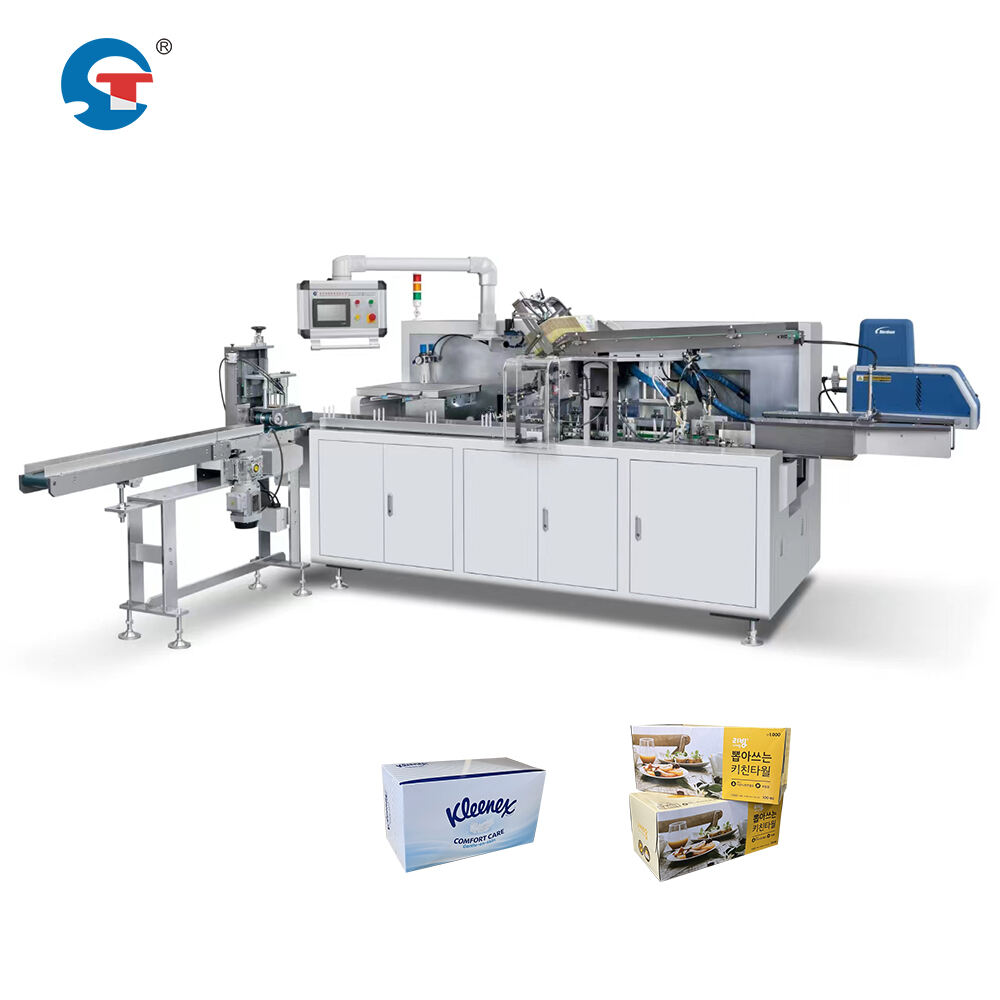
စက္ကူအဝတ်ထုတ်လုပ်ရေးစက်ပစ္စည်းများတွင် ရင်းနှီးမြှုပ်နှံမှုကို စဉ်းစားရာတွင် ရင်းနှီးမြှုပ်နှံသူများသည် အစပိုင်းတွင် ဝယ်ယူမှုစုစုပေါင်းစုစုပေါင်းစုစုပေါင်းစုစုပေါင်းစုစုပေါင်းစုစုပေါင်းစုစုပေါင်းစုစုပေါင်းစုစုပေါင်းစုစုပေါင်းစုစုပေါင်းစုစုပေါင်းစုစုပေါင်းစုစုပေါင်းစုစုပေါင်းစုစုပေါင်းစုစုပေါင်းစုစုပေါင်းစုစုပေါင်းစုစုပေါင်းစုစုပေါင်းစုစုပေါင်းစုစုပေါင်းစုစုပေါင်းစုစုပေါင်းစုစုပေါင်းစုစုပေါင်းစုစုပေါင်းစုစုပေါင်းစုစုပေါင်းစုစုပေါင်းစုစုပေါင်းစုစ...... သွေးစက္ကူစက် သည် နှစ်များစွာကြာမြင့်စွာ ထုတ်လုပ်မှုစွမ်းအား၊ လုပ်ငန်းဆောင်တာမှု ထိရောက်မှုနှင့် ဈေးကွက်တွင် ယှဉ်ပြိုင်နိုင်မှုကို အကျိုးသက်ရောက်မှုရှိသည့် အရေးကြီးသော ဘဏ္ဍာရေးအချိန်ကုန်မှုဖြစ်ပါသည်။ ဤစက်ပစ္စည်းများကို ဝယ်ယူရာတွင် အဘယ်အရာများကို သုံးသပ်ရမည်ကို နားလည်ခြင်းသည် လက်ရှိလုပ်ငန်းလိုအပ်ချက်များနှင့် ရှည်လျားသော စီးပွားရေးရည်မှန်းချက်များနှင့် ကိုက်ညီသည့် သုံးသပ်မှုများကို ပြုလုပ်ရန်အတွက် အရေးကြီးပါသည်။ အကဲဖြတ်မှုလုပ်ငန်းစဉ်သည် နည်းပညာအသေးစိတ်အချက်အလက်များ၊ ပေးသွင်းသူများ၏ စွမ်းရည်များ၊ စံနှုန်းများနှင့် စုစုပေါင်းကုန်ကုန်ကုန်ကုန်ကုန်ကုန်ကုန်ကုန်ကုန်ကုန်ကုန်ကုန်ကုန်ကုန်ကုန်ကုန်ကုန်ကုန်ကုန်ကုန်ကုန်ကုန်ကုန်ကုန်ကုန်ကုန်ကုန်ကုန်ကုန်ကုန်ကုန်ကုန်ကုန်ကုန်ကုန်ကုန်ကုန်ကုန်ကုန်ကုန်ကုန်ကုန်ကုန်ကုန်ကုန်ကုန်ကုန်ကုန်ကုန်ကုန်ကုန်ကုန်ကုန်ကုန်ကုန်ကုန်ကုန်ကုန်ကုန်ကုန်ကုန်ကုန်ကုန်ကုန်ကုန်ကုန်ကုန်ကုန်ကုန်ကုန်ကုန်ကုန်ကုန်ကုန်ကုန်ကုန်ကုန်ကုန်ကုန်ကုန်ကုန်ကုန်ကုန်ကုန်ကုန......
သုတ်စက္ကူထုတ်လုပ်ရေးလုပ်ငန်းသည် နည်းပညာများ တိုးတက်လာခြင်း၊ အလိုအလျောက်လုပ်ဆောင်နိုင်မှုစွမ်းရည်များနှင့် အရည်အသွေးထိန်းချုပ်ရေးစနစ်များဖြင့် ခေတ်မှီစက်ကိရိယာများကို ရှေးဟောင်းစက်ကိရိယာများမှ ကွဲပြားစေခဲ့ပါသည်။ ရင်းနှီးမြှုပ်နှံသူများသည် စက်ပစ္စည်း၏ နည်းပညာအချက်အလက်များ၊ ထုတ်လုပ်မှုစွမ်းရည်အဆင့်သတ်မှတ်ချက်များ၊ လုပ်ဆောင်မှုယုံကြည်စိတ်ချရမှုအချက်များနှင့် ပေါင်းစပ်အသုံးပြုနိုင်ရေးလိုအပ်ချက်များကို စဥ်ဆက်မပါ စဥ်ဆက်မပါ သုံးသပ်ရန်အပြင် ပေးသွင်းသူများ၏ အတွေ့အကြုံများ၊ ရောင်းပြီးနောက် ဝန်ဆောင်မှုအခြေခံအဆောက်အအုံများနှင့် ဒေသတွင်းထုတ်လုပ်မှုစံနှုန်းများနှင့် ကိုက်ညီမှုရှိမှုတို့ကိုလည်း အကဲဖြတ်ရမ်းပါသည်။ ဤစုံစမ်းစစ်ဆေးမှုလုပ်ငန်းစဉ်သည် ရွေးချယ်ထားသော သုတ်စက္ကူစက်သည် အကောင်းဆုံးလုပ်ဆောင်မှုကို ပေးစေပါသည်၊ အရည်အသွေးတူညီမှုကို ထိန်းသိမ်းပေးပါသည်နှင့် စျေးကွက်လိုအပ်ချက်များ ပြောင်းလဲလာသည်နှင့်အမျှ စီးပွားရေးအရ ချဲ့ထွင်နိုင်မှုကို ပံ့ပိုးပေးပါသည်။ မှန်ကန်သော စက်ကိရိယာရွေးချယ်မှုကို ပြုလုပ်ရန်အတွက် လုပ်ငန်းစဉ်အဆင့်ဆင်း အများအပြားကို စနစ်တကျ အကဲဖြတ်ရန် လိုအပ်ပါသည်။ ထိုအဆင့်များသည် လုပ်ငန်းစဉ်အတွင်း လုပ်ငန်းအောင်မှုကို အချိန်နှင့်တွဲဖက်၍ အောင်မှုရရှိစေပါသည်နှင့် အနာဂတ်တွင် ပြိုင်ဆိုင်မှုအားသာချက်ကို ရရှိစေပါသည်။
ထုတ်လုပ်မှုစွမ်းရည်နှင့် နည်းပညာအချက်အလက်များ
အထွက်လိုအပ်ချက်များနှင့် မြန်နှုန်းအဆင့်သတ်မှတ်ချက်များကို နားလည်ခြင်း
တွန်းလောင်းစက်၏ ထုတ်လုပ်မှုစွမ်းရည်သည် ရင်းနှီးမြှုပ်နှံသူများအနက် လက်ရှိနှင့် အနာဂတ်တွင် စျေးကွက်၏ ဝယ်လိုအားကို အကဲဖြတ်ရာတွင် အရေးအကြီးဆုံး အချက်ဖြစ်သည်။ စက်၏ အမြန်နှုန်းကို များသောအားဖြင့် မီတာ/မိနစ် (m/min) သို့မဟုတ် ရောလ်/မိနစ် (rolls/min) ဖြင့် တိုင်းတာပြီး ခေတ်မီစက်ကို နည်းပညာအဆင့်အတန်းနှင့် အသုံးပြုမည့် ရည်ရွယ်ချက်ပေါ်မူတည်၍ မီတာ ၁၀၀ မှ ၆၀၀ အထိ အမြန်နှုန်းရှိသည်။ ရင်းနှီးမြှုပ်နှံသူများသည် စက်၏ သတ်မှတ်ထုတ်လုပ်မှုစွမ်းရည်သည် ၎င်းတို့၏ စီးပွားရေးအစီအစဉ်နှင့် ကိုက်ညီမှုရှိမရှိကို အလွန်သေချာစွာ အကဲဖြတ်ရမည်။ ထိုအကဲဖြတ်မှုတွင် အလုပ်အမိန့်အလုပ်အမိန့်၊ စီစဥ်ထားသော အလုပ်လုပ်ချိန်များနှင့် စျေးကွက်တွင် မျှော်မှန်းထားသော ကြီးထွားမှုနှင့် အချက်များကို ထည့်သွင်းစဉ်းစားရမည်။ သီအိုရီအရ အများဆုံး စွမ်းရည်နှင့် အဆက်မပြတ် ထုတ်လုပ်နိုင်သော စွမ်းရည်ကို ကွဲပြားစေရန် အရေးကြီးပါသည်။ အမြင့်ဆုံးအမြန်နှုန်းဖြင့် အဆက်မပြတ် လုပ်ဆောင်ခြင်းသည် စက်ပစ္စည်းများ၏ ပုံပေါ်မှုနှင့် ပြုပြင်ထိန်းသိမ်းမှုလိုအပ်ချက်များကို မြန်ဆန်စေပြီး ထုတ်ကုန်အရည်အသွေး၏ တည်ငြိမ်မှုကို ထိခိုက်စေနိုင်သည်။
ထုံးစွဲစက်ကို အကဲဖြတ်ရာတွင် ရင်းနှီးမြှုပ်နှံသူများသည် စက်ပစ္စည်း၏ ထုတ်ကုန်အများအပြားကို ထုတ်လုပ်နိုင်သည့် လုပ်ဆောင်ခွင့်ရှိမှုကိုလည်း ထည့်သွင်းစဉ်းစားရမည်။ ဤသည်မှာ ရှိသမျှသော ရှေးရှေးအရွယ်အစားများ၊ စာရွက်အရေအတွက်များ၊ ဖောက်ထ holes ဖောက်ထားသည့် ပုံစံများနှင့် အနှိပ်ထုပ်ထားသည့် ဒီဇိုင်းများကို ထုတ်လုပ်နိုင်မှုကို ဆိုလိုသည်။ အကောင်းဆုံးအသုံးပြုနိုင်သည့် အရွယ်အစားအကျယ်ဆုံး စက်များသည် စျေးကွက်အတွင်း ပိုမိုကောင်းမွန်စွာ လျော့ကျနိုင်မှုကို ပေးစေပြီး ထုတ်လုပ်သူများအနေဖြင့် စားသုံးသူများ၏ စိတ်ကြိုက်ပြောင်းလဲမှုများကို အချိန်နှင့်တစ်ပါတ်တွင် တုံ့ပြန်နိုင်စေသည့်အပြင် အပိုရင်းနှီးမြှုပ်နှံမှုများ မလိုအပ်ဘဲ အရည်အသွေးမြင့် ထုတ်ကုန်အပိုင်းများကို စူးစမ်းနိုင်စေသည်။ မိဘရှေးရှေးအကျယ်အဝန်းများကို ကိုင်တွယ်နိုင်မှုနှင့် ဖောက်ထားသည့် ပုံစံများကို ထိရောက်စွာ ညှိနေနိုင်မှုသည် ထုတ်လုပ်မှု ထိရောက်မှုနှင့် ပစ္စည်းအသုံးပြုမှုနှုန်းနှစ်မျှ အပေါ်တွင် သက်ရောက်မှုရှိသည်။ ရင်းနှီးမြှုပ်နှံသူများသည် စက်၏ အကောင်းဆုံး လုပ်ဆောင်မှုအခြေအနေများကိုသာ အလေးပေးခြင်းမှ ရှောင်ကြဉ်ပြီး အကောင်းဆုံး အရွယ်အစားအကျယ်ဆုံး အတွင်းရှိ စွမ်းဆောင်ရည်အချက်အလက်များကို တောင်းခံရမည်။ အကြောင်းမှာ အမှန်တကယ် ထုတ်လုပ်မှုတွင် ထုတ်ကုန်အများအပြားကို အများအားဖြင့် အကြိမ်ကြိမ် ပြောင်းလဲရန် လိုအပ်သောကြောင့်ဖြစ်သည်။
ပစ္စည်းကိုင်တွယ်မှုနှင့် အရည်အသွေးထိန်းချုပ်မှု ပေါင်းစပ်မှု
တွေးခေါ်စရာစက်၏ ပစ္စည်းများကို ကိုင်တွယ်ခြင်းစွမ်းရည်များသည် လုပ်ငန်းဆောင်တာမှု ထိရောက်မှုနှင့် ထုတ်ကုန်အရည်အသွေး တည်ငြိမ်မှုကို တိုက်ရိုက်သက်ရောက်မှုရှိပါသည်။ ခေတ်မှီစက်ကို အလိုအလျောက် ဖွင့်ခြင်းစနစ်များ၊ ဖိအားထိန်းညှိမှု စနစ်များနှင့် ဝက်ဘ် ညှိခြင်းနည်းပညာများ ပါဝင်စေခြင်းဖြင့် ပစ္စည်းစွန့်ပစ်မှုကို အနည်းဆုံးဖြစ်အောင် လုပ်ဆောင်ပေးပြီး ထုတ်လုပ်မှုအရည်အသွေးကို တည်ငြိမ်စေပါသည်။ ရင်းနှီးမြှုပ်နှံသူများသည် စက်သည် မိဘရောလ်များကို အစားထိုးခြင်းကို မည်သို့စီမံခန့်ခွဲသည်ကို အကဲဖြတ်သင့်ပါသည်။ ထိုစက်သည် အဆက်မပါသော (continuous) သို့မဟုတ် အပိုင်းအစ အဆက်မပါသော (semi-continuous) လုပ်ဆောင်မှုကို ပံ့ပိုးပေးနိုင်သည် သို့မဟုတ် ပုံမှန်ထုတ်လုပ်မှု စက်ဝန်းကွင်းအတွင်း လုပ်သွားရမည့် လုပ်သားများ၏ စွက်ဖောက်မှုအဆင့်ကို အကဲဖြတ်သင့်ပါသည်။ အလိုအလျောက် ချိတ်ဆက်မှုစနစ်များနှင့် ဖိအားညှိခြင်းစွမ်းရည်များ ပါဝင်သည့် စက်များသည် ရောလ်အစားထိုးခြင်းအတွင်း အချိန်ဆုံးရှုံးမှုနှင့် ပစ္စည်းစွန့်ပစ်မှုကို လျော့နည်းစေခြင်းဖြင့် စက်ပစ္စည်းအသုံးပြုမှု စွမ်းရည် (Overall Equipment Effectiveness) ကို ပိုမိုမြင့်မားစေပါသည်။
ခေတ်မှီ စက်ရုံများတွင် စက်ပိုင်းဆိုင်ရာ အရည်အသွေးထိန်းချုပ်မှု စနစ်များသည် ပိုမိုရှုပ်ထွေးလာပြီး အတွင်းပိုင်း စောင်းကြည့်စနစ်များ (inline monitoring systems) ဖြင့် အကွက်များ၊ ဖောက်ထ holes အတိအကျမှုနှင့် ရောလ်များ၏ စံချိန်စံညွှန်းနှင့် ကိုက်ညီမှုကို စောင်းကြည့်နေသည်။ ရင်းနှီးမြှုပ်နှံသူများသည် စက်ပိုင်းဆိုင်ရာ အရည်အသွေးအာမခံမှု လုပ်ဆောင်ချက်များ (vision inspection systems, weight verification mechanisms, defect rejection capabilities) ကို အကောင်းဆုံး အကဲဖြတ်သင့်သည်။ ဤ ပေါင်းစပ်ထားသော အရည်အသွေးစနစ်များသည် လက်ဖျားဖြင့် စောင်းကြည့်ခြင်းအပေါ် မှီခိုမှုကို လျော့နည်းစေပြီး အကွက်များကို ပိုမိုတိကျစွာ ရှာဖွေနိုင်စေကာ ထုတ်ကုန်များ၏ အရည်အသွေး တည်ငြိမ်မှုကို မြှင့်တင်ပေးသည်။ ဤစနစ်များ၏ ဒေတာမှတ်သိမ်းမှုနှင့် အစီရင်ခံမှု စွမ်းရည်များသည် ထုတ်လုပ်မှုဆိုင်ရာ အသိပညာများကို ပေးစေပြီး အဆက်မပြတ် တိုးတက်မှု လုပ်ငန်းများကို အထောက်အကူပေးသည်။ ထို့အပ besides ထုတ်လုပ်မှု စွမ်းဆောင်ရည်ကို မြှင့်တင်ရန် အကောင်းဆုံး အခွင့်အရေးများကို ရှာဖွေရာတွင်လည်း အထောက်အကူဖေးဖော်ပေးသည်။
အလိုအလျောက်လုပ်ဆောင်မှုအဆင့်နှင့် လုပ်ငန်းဆောင်ခြင်း လိုအပ်ချက်များ
အလိုအလျောက်လုပ်ဆောင်မှုအဆင့်နှင့် အလုပ်သမားများအပေါ် သက်ရောက်မှု
တွေးစရာများသည် လက်ကုန်စုံစုပ်စုပ်စုပ်စုပ်စုပ်စုပ်စုပ်စုပ်စုပ်စုပ်စုပ်စုပ်စုပ်စုပ်စုပ်စုပ်စုပ်စုပ်စုပ်စုပ်စုပ်စုပ်စုပ်စုပ်စုပ်စုပ်စုပ်စုပ်စုပ်စုပ်စုပ်စုပ်စုပ်စုပ်စုပ်စုပ်စုပ်စုပ်စုပ်စုပ်စုပ်စုပ်စုပ်စုပ်စုပ်စုပ်စုပ်စုပ်စုပ်စုပ်စုပ်စုပ်စုပ်စုပ်စုပ်စုပ်စုပ်စုပ်စုပ်စုပ်စုပ်စုပ်စုပ်စုပ်စုပ်စုပ်စုပ်စုပ်စုပ်စုပ်စုပ်စုပ်စုပ်စုပ်စုပ်စုပ်စုပ်စုပ်စုပ်စုပ်စုပ်စုပ်စုပ်စုပ်စုပ်စု......
လုပ်ဆောင်မှုအင်တာဖေ့စ်နှင့် ထိန်းချုပ်မှုစနစ်၏ ရှုပ်ထွေးမှုအဆင့်ကိုလည်း သေချာစွာ စိစိမ်စွာ စိစ်ပါသည်။ ဤအစိတ်အပိုင်းများသည် လုပ်သွားသူများသည် စက်ကိရိယာများကို မည်မျှမြန်မြန် ကျွမ်းကျင်လာနိုင်မည်နှင့် ထုတ်လုပ်မှုစံချိန်များကို မည်မျှထိရောက်စွာ ညှိနှိုင်းနိုင်မည်ကို ဆုံးဖြတ်ပေးပါသည်။ ခေတ်မှီ စက္ကူသုံးပေါက်စ်စက်များတွင် ထိတ်ခိုက်မှုဖြင့် ထိန်းချုပ်နိုင်သော မော်နီတာများ၊ အမျှတ်စုစုများ စီမံခန့်ခွဲမှုစနစ်များနှင့် အဝေးမှ ရောဂါရှာဖွေရေးစွမ်းရည်များ ပါဝင်လေ့ရှိပါသည်။ ဤစနစ်များသည် စက်ကိရိယာများကို လွယ်ကူစွာ အသုံးပြုနိုင်ရေးနှင့် ပြဿနာဖြေရှင်းရေးကို ရှုပ်ထွေးမှုနည်းအောင် လုပ်ဆောင်ပေးပါသည်။ ရင်းနှီးမြှုပ်နှံသူများသည် စက်ကိရိယာများနှင့် ဆက်စပ်သော သင်ယူမှုအဆင့်ကို အကဲဖြတ်ရမည်ဖြစ်ပြီး လုပ်သွားသူများအတွက် လေ့ကျင်မှုအစီအစဥ်များ ရနှိုင်မှုရှိမှုကို စစ်ဆေးရမည်ဖြစ်ပါသည်။ ထို့အပြင် ထိန်းချုပ်မှုစနစ်သည် စွမ်းဆောင်ရည် စောင်းနှိုင်းခြင်းနှင့် အကောင်းမွန်စေရေးအတွက် လုံလေးသော ထုတ်လုပ်မှုအချက်အလက်များကို ပေးစေသည် သို့မဟုတ် မပေးသည်ကိုလည်း စစ်ဆေးရမည်ဖြစ်ပါသည်။ အသုံးပျော်မှုကောင်းမှုရှိသော အင်တာဖေ့စ်များနှင့် စုံလင်သော ရောဂါရှာဖွေရေးစွမ်းရည်များပါဝင်သော စက်ကိရိယာများသည် ထုတ်ကုန်အမျိုးအစားများကို ပြောင်းလဲရာတွင် အသုံးပြုမှုနှုန်းများ ပိုမိုမြင့်မားပြီး စတော့အချိန်များ ပိုမိုတိုတောင်းလေ့ရှိပါသည်။
ပုံမှန်ပြုပြင်ထိန်းသောင်းလုပ်ဆောင်မှု လွယ်ကူမှုနှင့် ဝန်ဆောင်မှုပေးနိုင်မှု ဒီဇိုင်း
တွေ့ရှိခဲ့သည့် လက်ကုန်စုပ်စက်၏ ထိန်းသိမ်းရေးလိုအပ်ချက်များနှင့် ပြုပြင်နိုင်မှုဒီဇိုင်းများသည် စက်၏ လုပ်ဆောင်မှုအချိန် (operational uptime) နှင့် စုစုပေါင်းပိုင်ဆိုင်မှုစုစုပေါင်းစုစုပေါင်းကုန်ကုန်ကုန်ကုန်ကုန်ကုန်ကုန်ကုန်ကုန်ကုန်ကုန်ကုန်ကုန်ကုန်ကုန်ကုန်ကုန်ကုန်ကုန်ကုန်ကုန်ကုန်ကုန်ကုန်ကုန်ကုန်ကုန်ကုန်ကုန်ကုန်ကုန်ကုန်ကုန်ကုန်ကုန်ကုန်ကုန်ကုန်ကုန်ကုန်ကုန်ကုန်ကုန်ကုန်ကုန်ကုန်ကုန်ကုန်ကုန်ကုန်ကုန်ကုန်ကုန်ကုန်ကုန်ကုန်ကုန်ကုန်ကုန်ကုန်ကုန်ကုန်ကုန်ကုန်ကုန်ကုန်ကုန်ကုန်ကုန်ကုန်ကုန်ကုန်ကုန်ကုန်ကုန်ကုန်ကုန်ကုန်ကုန်ကုန်ကုန်ကုန်ကုန်ကုန်ကုန်က...... ဝန်ဆောင်မှု အက်စ်တိုင်များ၊ မျှော်လင့်ထားသည့် ပုံမှန်အသုံးပျော့စုတ်မှုအစိတ်အပိုင်းများကို အခါအားလျော်စွာ အစားထိုးရန် လိုအပ်သည့် အက်စ်တိုင်များနှင့် ပုံမှန်ပြုပြင်မှုအတွက် အရေးကြီးသည့် အစိတ်အပိုင်းများကို လွယ်ကူစွာ ရယူနိုင်မှုအထိ ပြုပြင်ထိန်းသိမ်းမှုအစီအစဥ်ကို သေချာစွာ ပြန်လည်သုံးသပ်ရန် ရင်းနှီးမှုရှင်များသည် အထူးဂရုပြုသင့်ပါသည်။ ထိန်းသိမ်းမှုအတွက် ထိရောက်မှုကို အထူးထောက်ပံ့ရန် ဒီဇိုင်းထုတ်ထားသည့် စက်များတွင် အများအားဖြင့် အများအားဖြင့် အများအားဖြင့် အများအားဖြင့် အများအားဖြင့် အများအားဖြင့် အများအားဖြင့် အများအားဖြင့် အများအားဖြင့် အများအားဖြင့် အများအားဖြင့် အများအားဖြင့် အများအားဖြင့် အများအားဖြင့် အများအားဖြင့် အများအားဖြင့် အများအားဖြင့် အများအားဖြင့် အများအားဖြင့် အများအားဖြင့် အများအားဖြင့် အများအားဖြင့် အများအားဖြင့် အမ......
ကြိုတင်ကာကွယ်ရေး ပုံမှန်ထိန်းသောင်းမှု အထောက်အပံ့များနှင့် ရောဂါရှာဖွေရေး စွမ်းရည်များသည် ခေတ်မီ လက်ကူးစက်များကို အဟောင်းစက်များမှ ကွဲပြားစေရာတွင် တဖြည်းဖြည်း အရေးပါလာပါသည်။ အခြေအနေစောင်းစောင်းစောင်း စောင်းစမ်းမှု၊ ကြိုတင်ခန့်မှန်းသော ထိန်းသောင်းမှု အသိပေးချက်များနှင့် စုံလင်သော ရောဂါရှာဖွေရေးစနစ်များ ပါဝင်သည့် စက်ပစ္စည်းများသည် ထိန်းသောင်းမှုအဖွဲ့များအား မျှော်လင့်မထားသည့် စက်ပစ္စည်း ရပ်ဆို့မှုများ ဖြစ်ပေါ်လာမည့် အလားအလာရှိသည့် ပြဿနာများကို အချိန်မီ ဖမ်းမိနိုင်စေပါသည်။ ရင်းနှီးမှုပေးသူများသည် ပေးသောသူ၏ ထိန်းသောင်းမှု လေ့ကျင်းမှုအစီအစဉ်များ၊ ဝန်ဆောင်မှုပေးသူများ ရနှိုင်မှုရှိမှုနှင့် နည်းပ technological အကူအညီ လိုအပ်သည့်အခါ တုံ့ပြန်မှုအချိန်ကို လျော့နည်းစေနိုင်သည့် အဝေးမှ အထောက်အပံ့ပေးနိုင်မှုများအကြောင်း မေးမေးမေးမေး စုံစမ်းသင့်ပါသည်။ စက်ပစ္စည်းအတွက် အမှန်တကယ် လိုအပ်သည့် ထိန်းသောင်းမှု ဝန်ထုပ်ဝန်ပိုစ်နှင့် ရနှိုင်သည့် အထောက်အပံ့အခြေခံအဆောက်အအုံကို နားလည်ခြင်းသည် လုပ်ငန်းဆောင်တွင် အမှန်တကယ် ရနှိုင်မည့် စွမ်းဆောင်ရည် မျှော်လင့်ချက်များကို နားလည်ရာတွင် အရေးကြီးသည့် အသိအမြင်ကို ပေးစေပါသည်။ ထို့အပါအဝင် ရင်းနှီးမှုပေးသူများသည် လုပ်ငန်းဆောင်မှု စုံစမ်းမှုများကို အမှန်တကယ် မော်ဒယ်လုပ်ရာတွင် အသုံးပြုနိုင်ရန် လုပ်ငန်းဆောင်မှု စုံစမ်းမှုများကို တိကျစွာ တွက်ချက်နိုင်ပါသည်။
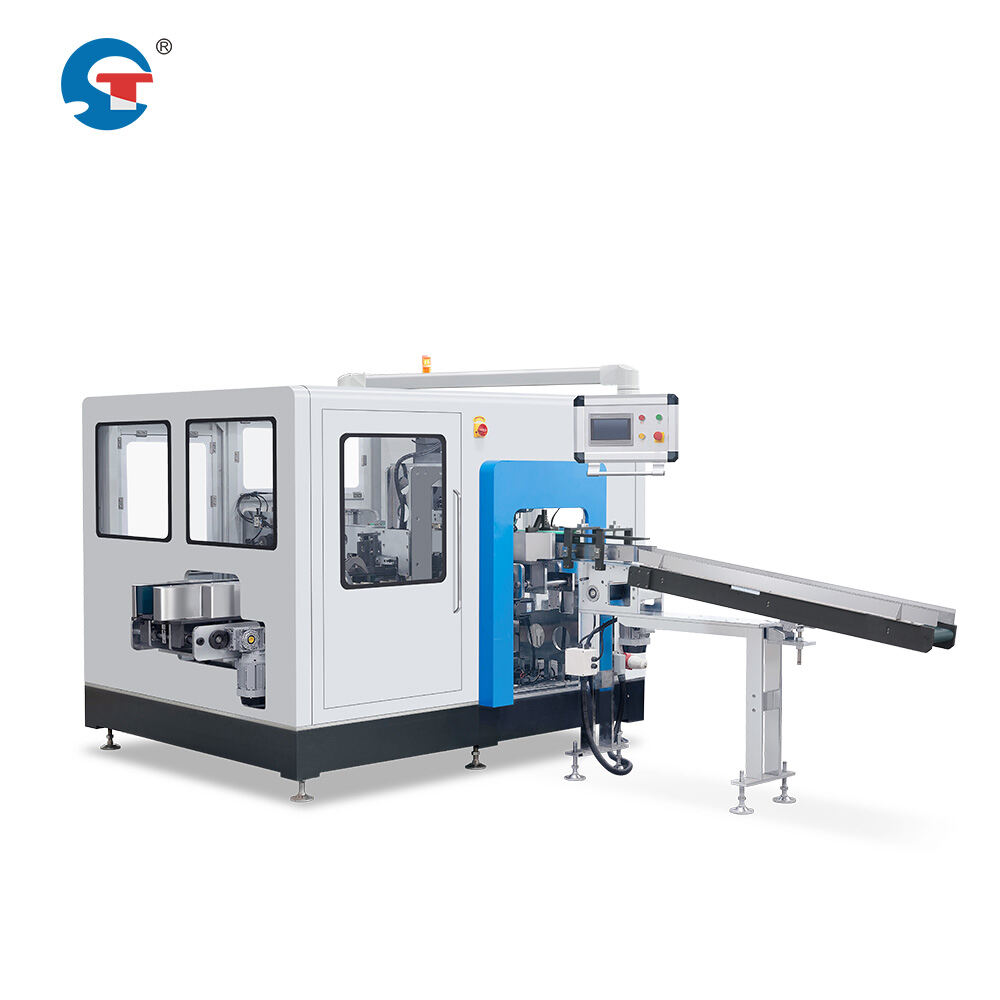
ပေးသောသူ၏ ယုံကြည်စိတ်ချရမှုနှင့် အထောက်အပံ့ပေးရေး အခြေခံအဆောက်အအုံ
ထုတ်လုပ်မှု အတွေ့အကြုံနှင့် စက်မှုလုပ်ငန်းတွင် အမည်ကောင်း
ထုံးစွဲစက္ကူစက်ပစ္စည်းပေးသူ၏ ယုံကြည်စိတ်ချရမှုနှင့် အတိတ်ကာလ စွမ်းဆောင်ရည်မှုများသည် အစပိုင်းတွင် ပြုလုပ်သည့် လုပ်ငန်းစဉ်ကို အများအားဖြင့် ကျော်လွန်သည့် အရေးကြီးသော အချက်များဖြစ်ပါသည်။ ရင်းနှီးမြှုပ်နှံသူများသည် စက်မှုလုပ်ငန်းတွင် စက်ပစ္စည်းများကို ထုတ်လုပ်ခဲ့သည့် ကာလ၊ စက်ပစ္စည်းများကို တပ်ဆင်ပေးထားသည့် နေရာများ၏ အရေအတွက်နှင့် လက်ရှိဖောက်သည်များ၏ အများအားဖြင့် ပေးသည့် အကောင်းများကို စုံစမ်းစစ်ဆေးရန် လိုအပ်ပါသည်။ စက်မှုလုပ်ငန်းတွင် အတွေ့အကြုံများစွာရှိသည့် အဖွဲ့အစည်းများသည် အသစ်ဝင်ရောက်လာသည့် အဖွဲ့အစည်းများထက် ပိုမိုကောင်းမွန်သည့် ဒီဇိုင်းများ၊ စမ်းသပ်မှုများဖြင့် အတည်ပြုထားသည့် စွမ်းဆောင်ရည်များနှင့် ပြည့်စုံသည့် အကူအညီပေးရေး အခြေခံအဆောက်အအိမ်များကို ပေးနိုင်ပါသည်။ ရည်ညွှန်းဖောက်သည်များကို တောင်းခံခြင်းနှင့် လက်ရှိတပ်ဆင်ထားသည့် နေရာများသို့ လာရောက်လေ့လာခြင်းဖြင့် စက်ပစ္စည်းများ၏ အမှန်တကယ်သော စွမ်းဆောင်ရည်များ၊ ပေးသူ၏ အဖြေပေးမှုများနှင့် ရောင်းဝယ်ရေးလုပ်ငန်းစဉ်အတွင်း ပေးသည့် စွမ်းဆောင်ရည်အချက်အလက်များ၏ မှန်ကန်မှုကို အထောက်အကူပေးသည့် အချက်များကို ရရှိနိုင်ပါသည်။
စက်ပစ္စည်းထောက်ပံ့သူ၏ ငွေကြေးတည်ငြိမ်မှုနှင့် လုပ်ငန်းဆက်လက်လုပ်ကိုင်နိုင်မှုသည်လည်း ဂရုစိုက်စေရန် အရေးကြီးသည့်အချက်ဖြစ်ပါသည်။ အဘယ်ကြောင့်ဆိုသော် ရင်းနှီးမှုရှင်များသည် စက်ပစ္စည်း၏ အသုံးပြုမှုသက်တမ်းတစ်လျှောက် ထောက်ပံ့မှု၊ အပိုပစ္စည်းများနှင့် နည်းပညာအကူအညီများ အမြဲရရှိနေမည်ဟု အာမခံချက်ရရှိရန် လိုအပ်သောကြောင့်ဖြစ်သည်။ စက်ပစ္စည်းတစ်မျှောင်းသည် အများအားဖြင့် နှစ် ၁၅ ခုမှ ၂၀ ခုအထိ (သို့မဟုတ် ထိုထက်ပိုမိုကြာရှည်) အသုံးပြုနိုင်သောကြောင့် ထောက်ပံ့သူနှင့် ဆက်ဆံရေး၏ ရှည်လျားသောကာလအတွက် အသုံးဝင်မှုသည် အလွန်အရေးကြီးပါသည်။ ရင်းနှီးမှုရှင်များသည် ထောက်ပံ့သူ၏ ငွေကြေးကျေးဇူးအခြေအနေ၊ ထောက်ပံ့သူ၏ ထုတ်ကုန်များကို အဆက်မပါး ဖွံ့ဖြိုးတိုးတက်အောင် လုပ်ဆောင်ရန် စိတ်အားထက်သန်မှုနှင့် ဒေသတွင်း ဝန်ဆောင်မှုစင်တာများ (သို့မဟုတ်) မှုချင်းပူးပေါင်းမှုများ တည်ထောင်ထားခြင်းရှိမရှိကို အကဲဖြတ်သင့်ပါသည်။ ငွေကြေးအခြေခံမှုများ ခိုင်မာပြီး ကမ္ဘာလုံးဆိုင်ရာ ထောက်ပံ့မှုကွန်ရက်များ ရှိသော ထောက်ပံ့သူများသည် ဈေးကွက်အခြေအနေများ ပြောင်းလဲသောအခါတိုင်း အပိုပစ္စည်းများ အမြဲရရှိနေမည်နှင့် နည်းပညာအကူအညီများ ဆက်လက်ရရှိနေမည်ဟု ပိုမိုသေချာစေရန် အာမခံချက်ပေးနိုင်ပါသည်။
ထောက်ပံ့မှုနှင့် စတင်လုပ်ဆောင်ရေးဝန်ဆောင်မှုများ
တွေးခေါ်စက်မှု စက်ပစ္စည်းများကို ထားရှိခြင်းနှင့် စမ်းသပ်အသုံးပြုခြင်းလုပ်ငန်းစဉ်သည် စက်ပစ္စည်းများသည် သတ်မှတ်ထားသော စွမ်းဆောင်ရည်အဆင့်များကို အောင်မြင်စွာ ရရှိနေပါက နှင့် လက်ရှိရှိပါသော ထုတ်လုပ်မှုအခြေခံအဆောက်အအိုအ်များနှင့် အပ်နှက်မှုရှိစွာ ပေါင်းစပ်နိုင်ရန်အတွက် အထူးကျွမ်းကျင်မှုများကို လိုအပ်ပါသည်။ ရင်းနှီးမြှုပ်နှံသူများသည် ပေးသွင်းသူများက ပေးသော ထားရှိခြင်းဝန်ဆောင်မှုများကို ရှင်းလင်းစွာ ဖော်ပြရန် လိုအပ်ပါသည်။ ထိုသို့သော ဝန်ဆောင်မှုများတွင် နေရာချမှုအတွက် အခြေခံပြင်ဆင်မှုလိုအပ်ချက်များ၊ စက်ပစ္စည်းများကို ထားရှိခြင်းအတွက် ကြီးကြပ်မှု၊ စနစ်ပေါင်းစပ်မှုအတွက် အထောက်အပံ့များနှင့် စွမ်းဆောင်ရည်အတည်ပြုခြင်း စမ်းသပ်မှုများ ပါဝင်ပါသည်။ စုံလင်သော စမ်းသပ်အသုံးပြုခြင်းဝန်ဆောင်မှုများတွင် စက်ပစ္စည်းများကို အသုံးပြုသူများအတွက် လေ့ကျင်မှုများ၊ လုပ်ငန်းစဉ်များကို အကောင်မြင်စေရန် အထောက်အပံ့များနှင့် စက်ပစ္စည်းများသည် လက်တွေ့အသုံးပြုမှုအခြေအနေများအောက်တွင် စွမ်းဆောင်ရည်အားလုံးကို အောင်မြင်စွာ ဖော်ပြနိုင်ကြောင်း အတည်ပြုရန် အစပိုင်းထုတ်လုပ်မှုလုပ်ငန်းများ ပါဝင်သော အပ်နှက်မှုများ ပါဝင်ပါသည်။ ထားရှိခြင်းနှင့် စမ်းသပ်အသုံးပြုခြင်း၏ အရည်အသွေးသည် စက်ပစ္စည်းများသည် အပြည့်အဝ ထုတ်လုပ်မှုစွမ်းရည်သို့ မည်မျှမြန်မြန်ရောက်ရှိမည်ဖြစ်ပါသည်နှင့် ကြောင်းပြချက်ပေးထားသော လုပ်ငန်းဆောင်တာများ၏ ထိရောက်မှုကို အကောင်မြင်စေရန် တိုက်ရိုက်သက်ရောက်မှုရှိပါသည်။
ထောက်ပံ့မှုနှင့် ဝန်ဆောင်မှုများ အခုလက်စောင်းတွင် အသုံးပြုနေမှုအပေါ် ဆက်လက်ထောက်ပံ့ပေးခြင်းသည် ရင်းနှီးမြှုပ်နှံသူများအတွက် အလွန်အရေးကြီးသော အချက်များဖြစ်ပြီး သေချာစွာ သုံးသပ်စေးနှုန်းရန် လိုအပ်ပါသည်။ ပေးသောသူ၏ ထောက်ပံ့မှုအခြေခံအဆောက်အအိမ်တွင် ဖုန်းဖြင့် ထောက်ပံ့မှု၊ အဝေးမှ စစ်ဆေးရေးအစီအစဉ်များနှင့် လိုအပ်ပါက နေရာတွင် ဝန်ဆောင်မှုပေးခြင်း စသည့် နည်းလမ်းများစွာဖြင့် အသုံးပြုနေသူများအတွက် လွယ်ကူစွာ ရရှိနိုင်သော နည်းပညာဆိုင်ရာ ထောက်ပံ့မှုများ ပါဝင်သင့်ပါသည်။ ရင်းနှီးမြှုပ်နှံသူများသည် ဖြေရှင်းမှုအချိန်များ အာမခံချက်များ၊ ၎င်းတို့၏ ဒေသတွင် ဝန်ဆောင်မှုပေးသူများ ရ availability ရှိမှုနှင့် အစိတ်အပိုင်းများ အစားထိုးရန် လိုအပ်သည့်အခါ မြန်မြန်ပို့ဆောင်ပေးနိုင်ရန် ပေးသောသူများ လုံလောက်သော အပိုပစ္စည်းများ သိုလှောင်ထားမှုရှိမှုကို စုံစမ်းစေးနှုန်းရန် လိုအပ်ပါသည်။ ထောက်ပံ့မှုများ၏ စုံလင်မှုနှင့် လွယ်ကူစွာ ရရှိနိုင်မှုသည် ပိုမိုကောင်းမွန်သော စက်ပစ္စည်းအသုံးပြုမှုအချိန် (uptime) နှင့် စက်ပစ္စည်းများ၏ ရှည်လျားသော အသုံးပြုမှုစွမ်းဆောင်ရည်ကို တိုက်ရိုက်အကူအညီပေးနိုင်သောကြောင့် စက်ပစ္စည်းများ၏ အသေးစိတ်အချက်အလက်များတွင် အနည်းငယ်သော ကွဲလွဲမှုများထက် ပိုမိုတန်ဖိုးရှိသည်ဟု များသောအားဖြင့် တွေ့ရှိရပါသည်။
စည်းမျဉ်းစည်းကမ်းများနှင့် ကိုက်ညီမှုနှင့် အရည်အသွေးအထောက်အထားများ
ဘေးအန္တရာယ်ကင်းရှင်းရေး စံနှုန်းများနှင့် စည်းမျဉ်းစည်းကမ်းများနှင့် ကိုက်ညီမှု
သက်ဆိုင်ရာ လုံခြုံရေးစည်းမျဉ်းများနှင့် လုပ်ငန်းလေးနက်မှုစံနှုန်းများနှင့် ကိုက်ညီမှုသည် စက်ရှေးဝယ်ယူမှုကို ဆောင်ရွက်ရန် ရင်းနှီးမြှုပ်နှံသူများ အတည်ပြုရန် မဖြစ်မနေလိုအပ်သည့် လိုအပ်ချက်ဖြစ်သည်။ စက်ပစ္စည်းများသည် တပ်ဆင်မည့် နေရာဒေသ၏ လုံခြုံရေးစည်းမျဉ်းများ၊ လျှပ်စစ်လုံခြုံရေးစံနှုန်းများ၊ ယန္တရားလုံခြုံရေးလိုအပ်ချက်များနှင့် လုပ်သားများ၏ ကာကွယ်ရေးစည်းမျဉ်းများနှင့် ကိုက်ညီရမည်။ ရင်းနှီးမြှုပ်နှံသူများသည် ဥရောပဈေးကွက်အတွက် CE အမှတ်အသား၊ အမေရိကန်ပြည်ထောင်စုတွင် တပ်ဆင်မည့် စက်များအတွက် OSHA လိုအပ်ချက်များ သို့မဟုတ် အခြားဒေသများအတွက် သက်ဆိုင်ရာ အများပြည်သူစံနှုန်းများနှင့် ကိုက်ညီကြောင်း အတည်ပြုသည့် စာရွက်စာတမ်းများကို တောင်းခံရမည်။ လုံခြုံရေးအသိအမှတ်ပေးမှုများ မရှိသည့် စက်များသည် တပ်ဆင်မှုအချိန်တွင် စည်းမျဉ်းစည်းကမ်းဆိုင်ရာ အခက်အခဲများကို ရင်ဆိုင်ရပါမည်၊ တာဝန်ယူမှုဆိုင်ရာ အန္တရာယ်များ ဖြစ်ပေါ်စေပါမည်နှင့် ပေးပို့ပြီးနောက် စံနှုန်းနှင့် ကိုက်ညီရန် စုံစမ်းမှုများ ပြုလုပ်ရန် စုံစမ်းမှုစရိတ်များ ကုန်ကျစေနိုင်ပါသည်။
အခြေခံလုံခြုံရေးစံနှုန်းများကို လိုက်နာခြင်းကို အထက်ပိုမိုသေးနေးစွာ စိစီးစွာ စုံစမ်းသေးရန် ရင်းနှီးမြှုပ်နှံသူများသည် ဤစက်သည် အစားအစာ ဝန်ဆောင်မှုပတ်ဝန်းကျင်များ သို့မဟုတ် ကျန်းမာရေးနှင့် သန့်ရှင်းရေးစံနှုန်းများ အသုံးပြုရာတွင် အသုံးပြုမည့် ထုတ်ကုန်များကို ထုတ်လုပ်မည်ဖြစ်ပါက အစားအစာနှင့် ထိတွေ့မည့် ပစ္စည်းများနှင့် ပတ်သက်သော စံနှုန်းများကို လိုက်နာမှုရှိမရှိ အကဲဖြတ်သင့်ပါသည်။ စက်ပစ္စည်းများ၏ စားသုံးမှု ပစ္စည်းများနှင့် ထိတွေ့မည့် အစိတ်အပိုင်းများအတွက် အရည်အသွေးအာမခံချက်များ၊ သန့်ရှင်းရေးကို အထောက်အကူပေးသည့် ဒီဇိုင်းများနှင့် စံနှုန်းများနှင့် ပတ်သက်သော စာရွက်စာတမ်းများ အားလုံးသည် ဤစက်သည် သက်ဆိုင်ရာ ကျန်းမာရေးနှင့် သန့်ရှင်းရေးစံနှုန်းများကို လိုက်နာကြောင်း အာမခံပေးပါသည်။ စံနှုန်းများနှင့် ပတ်သက်သော စာရွက်စာတမ်းများကို စုံစမ်းစွာ အကဲဖြတ်ခြင်းဖြင့် ရင်းနှီးမြှုပ်နှံသူများသည် စံနှုန်းများနှင့် ပတ်သက်သော အခက်အခဲများမှ ကာကွယ်နိုင်ပါသည်။ ထို့အပါအဝင် စက်သည် ဈေးကွက်၏ အရည်အသွေးစံနှုန်းများနှင့် စံနှုန်းများနှင့် ကိုက်ညီသည့် ထုတ်ကုန်များကို ထုတ်လုပ်နိုင်ရန် အထောက်အကူပေးပါသည်။
အရည်အသွေးစီမံခန့်ခွဲမှုစနစ် အာမခံချက်များ
စွမ်းအားပေးသည့် စက္ကူစင်းထုတ်လုပ်ရေးစက်ကုမ္ပဏီ၏ အရည်အသွေးစီမံခန့်ခွဲမှု လက်မှတ်များသည် ၎င်းတို့၏ ထုတ်လုပ်မှုလုပ်ငန်းစဉ်များ၊ အရည်အသွေးထိန်းချုပ်မှု ကြီးမှုများနှင့် အဆက်မပါသည့် တိုးတက်မှုအတွက် စွမ်းဆောင်မှုကို အကောင်းများစွာ ဖော်ပြပေးပါသည်။ ISO 9001 အရည်အသွေးစီမံခန့်ခွဲမှုစံနှုန်းများဖြင့် လက်မှတ်ရရှိသည့် ပေးသွင်းသူများသည် ဒီဇိုင်းထိန်းချုပ်မှု၊ ထုတ်လုပ်မှုတူညီမှုနှင့် ဖောက်သည်စ удовлетворенность စီမံခန့်ခွဲမှုအတွက် သတ်မှတ်ထားသည့် လုပ်ငန်းစဉ်များကို ပြသပါသည်။ ဤလက်မှတ်များသည် ထုတ်လုပ်သူသည် စက်ပစ္စည်းများ၏ အပြောင်းအလဲမှုကို လျော့နည်းစေပြီး သတ်မှတ်ထားသည့် အတိုင်းအတာများအတိုင်း လုပ်ဆောင်နိုင်သည့် စက်မှုပစ္စည်းများကို ရရှိနိုင်မှုကို မြင့်တင်ပေးသည့် စနစ်တက်သည့် အရည်အသွေးလုပ်ငန်းစဉ်များကို လုပ်ဆောင်နေကြောင်း ဖော်ပြပါသည်။ ရင်းနှီးမှုပေးသူများသည် သက်ဆိုင်ရာ လက်မှတ်များ၏ မိတ္တူများကို တောင်းခံရမည်ဖြစ်ပြီး လက်မှတ်များ၏ အတည်ပြုခံရမှုနှင့် အကုန်အကူအထောက်အပံ့ အကူအဖော်များကို စစ်ဆေးရမည်ဖြစ်ပါသည်။ ထိုသို့သော လက်မှတ်များသည် ဝယ်ယူမည့် စက်ပစ္စည်းများအတွက် သက်ဆိုင်ရှိမှုကို သေချာစေရန် ဖော်ပြပါသည်။
စွမ်းအင်ခွဲခြမ်းစိတ်ဖြာမှု လက်မှတ်များနှင့် စွမ်းအင်ထိရောက်မှုဆိုင်ရာ စာရွက်စာတမ်းများသည် ထုတ်လုပ်မှုကဏ္ဍများတွင် ရေရှည်တည်တံ့သော ဖွံ့ဖြိုးမှုဆိုင်ရာ မျှော်လင့်ချက်များ ပိုမိုမြင့်မားလာသည်နှင့်အမျှ ပိုမိုအရေးပါလာသော စဉ်းစားမှုများဖြစ်လာပါသည်။ စွမ်းအင်သု consumption စွမ်းရည်များကို စာရွက်စာတမ်းများဖြင့် မှတ်တမ်းတင်ထားသော၊ အကြွင်းအကျန်လျှော့ချရေးအတွက် အလားအလာရှိသော၊ ပတ်ဝန်းကျင်ဆိုင်ရာ ရည်မှန်းချက်များကို ပံ့ပိုးပေးသည့် ဒီဇိုင်းအင်္ဂါရပ်များပါရှိသော တိုလက်ပေပါ စက်မှုကိရိယာသည် အခြေခံထုတ်လုပ်မှုစွမ်းရည်များကို ကျော်လွန်၍ ပြိုင်ဆိုင်မှုအက advantage များနှင့် လုပ်ငန်းဆောင်ရွက်မှုစုစုပေါင်းကုန်ကုန်ကုန်ကုန်ကုန်ကုန်ကုန်ကုန်ကုန်ကုန်ကုန်ကုန်ကုန်ကုန်ကုန်ကုန်ကုန်ကုန်ကုန်ကုန်ကုန်ကုန်ကုန်ကုန်ကုန်ကုန်ကုန်ကုန်ကုန်ကုန်ကုန်ကုန်ကုန်ကုန်ကုန်ကုန်ကုန်ကုန်ကုန်ကုန်ကုန်ကုန်ကုန်ကုန်ကုန်ကုန်ကုန်ကုန်ကုန်ကုန်ကုန်ကုန်ကုန်ကုန်ကုန်ကုန်ကုန်ကုန်ကုန်ကုန်ကုန်ကုန်ကုန်ကုန်ကုန်ကုန်ကုန်ကုန်ကုန်ကုန်ကုန်ကုန်ကုန်ကုန်ကုန်ကုန်ကုန်ကုန်ကုန်ကုန်ကုန်ကုန်ကုန်ကုန်ကုန်က......
ပိုင်ဆိုင်မှု ကုန်ကျစရိတ်စုစုပေါင်း ဆန်းစစ်ချက်
မူဝါဒအရ ရင်းနှီးမြှုပ်နှံမှုနှင့် ရန်ပုံငွေစုဆောင်းမှုဆိုင်ရာ စဉ်းစားမှုများ
စက္ကူသုံးပိုက်ဆံစက်၏ ဝယ်ယူစုစုပေါင်းစုစုပေါင်းစုစုပေါင်းစုစုပေါင်းစုစုပေါင်းစုစုပေါင်းစုစုပေါင်းစုစုပေါင်းစုစုပေါင်းစုစုပေါင်းစုစုပေါင်းစုစုပေါင်းစုစုပေါင်းစုစုပေါင်းစုစုပေါင်းစုစုပေါင်းစုစုပေါင်းစုစုပေါင်းစုစုပေါင်းစုစုပေါင်းစုစုပေါင်းစုစုပေါင်းစုစုပေါင်းစုစုပေါင်းစုစုပေါင်းစုစုပေါင်းစုစုပေါင်းစုစုပေါင်းစုစုပေါင်းစုစုပေါင်းစုစုပေါင်းစုစုပေါင်းစုစ......
ရင်းနှီးမြှုပ်နှံမှုဆုံးဖြတ်ချက်၏ အရေးကြီးသော အချက်တစ်ခုမှာ ရင်းနှီးမြှုပ်နှံမှုဖွဲ့စည်းပုံ အကဲဖြတ်ခြင်းဖြစ်ပါသည်။ အဘယ်ကြောင့်ဆိုသော် ရင်းနှီးမြှုပ်နှံမှုနည်းလမ်းများသည် ငွေသားစီးဆင်းမှု အထူးသမ္မာန်များနှင့် စီမံကိန်း၏ စုံလင်သော စီးပွားရေးအခြေအနေများကို အထူးသဖြင့် သက်ရောက်မှုရှိသောကြောင့်ဖြစ်ပါသည်။ ရွေးချယ်စရာများတွင် အပြည့်အဝ ဝယ်ယူခြင်း၊ စက်ပစ္စည်းအငှားစီမံကိန်းများ၊ ပေးသွင်းသူမှ ပေးသော ရင်းနှီးမြှုပ်နှံမှုစီမံကိန်းများ သို့မဟုတ် ထုတ်လုပ်မှုအဆင့်မှ အဆင့်သို့ တိုးချဲ့ခြင်းနှင့် ဝင်ငွေထုတ်လုပ်မှုနှင့် ကိုက်ညီသော ဖွဲ့စည်းထားသော ပေးချေမှုအချိန်ကာလများ ပါဝင်နိုင်ပါသည်။ ရင်းနှီးမြှုပ်နှံသူများသည် ငွေသားစီးဆင်းမှုအချိန်ကာလ၊ အခွန်ဆိုင်ရာ သက်ရောက်မှုများနှင့် စုံလင်သော ရင်းနှီးမြှုပ်နှံမှုအပေါ် အကျိုးသက်ရောက်မှုများကို နားလည်ရန် ရင်းနှီးမြှုပ်နှံမှုနည်းလမ်းများစုံကို မော်ဒယ်ဖော်ပေးရန် လိုအပ်ပါသည်။ ရင်းနှီးမြှုပ်နှံမှုဖွဲ့စည်းပုံသည် အဖွဲ့အစည်း၏ ရင်းနှီးမြှုပ်နှံမှု ရနှိုင်မှု၊ ငွေသားစီးဆင်းမှု ခန့်မှန်းချက်များနှင့် ဗျူဟာမြောက် ရည်မှန်းချက်များနှင့် ကိုက်ညီရန် လိုအပ်ပါသည်။ ထို့အပါအဝင် ငွေကြေးဆိုင်ရာ ထိရောက်မှုကို အကောင်းဆုံးဖော်ထုတ်ရန် လိုအပ်ပါသည်။ သွေးစက္ကူစက် ရှုံးလှုပ်ရှားမှုမှ အများဆုံးကို ရရှိနိုင်ပါသည်။
လုပ်ငန်းဆောင်တာစုံစမ်းမှုများနှင့် ထိရောက်မှု ညွှန်းကိန်းများ
စက္ကူသုံးပိုက်ဆံစက်၏ လုပ်ဆောင်မှုနေ့စဥ်စရိတ်များသည် စက်ပစ္စည်း၏ အသက်တမ်းတစ်လျှောက် အစပိုင်းရင်းနှီးမှုထက် ပိုမိုများပေါ်လေ့ရှိပါသည်။ ထို့ကြောင့် ရင်းနှီးမှုအကဲဖြတ်မှုအတွက် လုပ်ဆောင်မှုစရိတ်များကို တိကျစွာ ခန့်မှန်းရေးသားခြင်းသည် အလွန်အရေးကြီးပါသည်။ အဓိကစရိတ်များတွင် စွမ်းအင်သုံးစွ်မှု၊ ပုံမှန်ပြုပြင်ထိန်းသိမ်းမှုနှင့် အပိုပစ္စည်းများ၊ စက်အော်ပရေတာများ၏ လုပ်သမ်းခုန်သမ်းစရိတ်၊ ဖြတ်တုံးများနှင့် ကပ်စရိတ်များကဲ့သို့သော သုံးစွ်မှုပစ္စည်းများ၊ အခါအားလျော်စွာ ပြုလုပ်ရမည့် အပြည့်အဝပြုပြင်မှုလိုအပ်ချက်များ ပါဝင်ပါသည်။ ရင်းနှီးမှုရှင်များသည် ထောက်ပံ့သူများထံမှ လုပ်ဆောင်မှုစရိတ်အသေးစိတ်အချက်အလက်များကို တောင်းခံရမည်ဖြစ်ပါသည်။ ထိုအချက်အလက်များတွင် ထုတ်လုပ်မှုနှုန်းအမျိုးမျိုးတွင် စွမ်းအင်သုံးစွ်မှုအချက်အလက်များ၊ ပုံမှန်ပြုပြင်ထိန်းသိမ်းမှုအစီအစဥ်များနှင့် သက်ဆိုင်ရာစရိတ်များ၊ အဓိကအသုံးပျော့စွဲပစ္စည်းများ၏ မျှော်မှန်းထားသော အသက်တမ်း စသည်တို့ ပါဝင်ရမည်ဖြစ်ပါသည်။ အခြားသော စက်ပစ္စည်းရွေးချယ်မှုများနှင့် လုပ်ဆောင်မှုစရိတ်ခန့်မှန်းချက်များကို နှိုင်းယှဉ်ကြည့်ပါက ရင်းနှီးမှုအစပိုင်းစရိတ်များသည် အလားတူဖြစ်သော်လည်း စုစုပေါင်းပိုင်ဆိုင်မှုစရိတ် (Total Cost of Ownership) တွင် သိသာထင်ရှားသော ကွာခြားမှုများကို မှန်ကန်စွာ ဖော်ထုတ်နိုင်ပါသည်။
ထုတ်လုပ်မှု အကောင်အထည်ဖော်မှု စွမ်းဆောင်ရည် စံနှုန်းများသည် လုပ်ငန်းဆောင်တာများ၏ ကုန်ကုန်ကုန်ကုန်ကုန်ကုန်ကုန်ကုန်ကုန်ကုန်ကုန်ကုန်ကုန်ကုန်ကုန်ကုန်ကုန်ကုန်ကုန်ကုန်ကုန်ကုန်ကုန်ကုန်ကုန်ကုန်ကုန်ကုန်ကုန်ကုန်ကုန်ကုန်ကုန်ကုန်ကုန်ကုန်ကုန်ကုန်ကုန်ကုန်ကုန်ကုန်ကုန်ကုန်ကုန်ကုန်ကုန်ကုန်ကုန်ကုန်ကုန်ကုန်ကုန်ကုန်ကုန်ကုန်ကုန်ကုန်ကုန်ကုန်ကုန်ကုန်ကုန်ကုန်ကုန်ကုန်ကုန်ကုန်ကုန်ကုန်ကုန်ကုန်ကုန်ကုန်ကုန်ကုန်ကုန်ကုန်ကုန်ကုန်ကုန်ကုန်ကုန်ကုန်ကုန်ကု......
မေးလေ့ရှိသောမေးခွန်းများ
ရှေးနောက်မှုတ်စက်ကို ရွေးချယ်ရာတွင် ရင်းနှီးမြှုပ်နှံသူများသည် ထုတ်လုပ်မှုစွမ်းအားကို မည်သည့်အဆင့်တွင် ရည်မှန်းသင့်ပါသနည်း။
ထုတ်လုပ်မှုစွမ်းအားရွေးချယ်မှုသည် လက်ရှိဈေးကွက်လိုအပ်ချက်များနှင့် မျှော်မှန်းထားသော ကြီးထွားမှုခန့်မှန်းချက်များနှင့် စက်ပစ္စည်း၏ လုပ်ဆောင်နိုင်မှုကွက်လုပ်နိုင်မှုကို ဟန်ချက်ညီစေရန် လုပ်ရပါမည်။ ရင်းနှီးမြှုပ်နှံသူများသည် လက်ရှိလိုအပ်ချက်များကို ဖြည့်ဆည်းပေးနိုင်ပြီး လိုအပ်ချက်ပြောင်းလဲမှုများနှင့် စက်ပစ္စည်းပြုပြင်ထိန်းသိမ်းရေးအတွက် အနည်းဆုံး ၂၀-၃၀ ရှိသော အပိုစွမ်းအားကို ထားရှိရန် ရည်မှန်းသင့်ပါသည်။ သီအိုရီအတိုင်း အများဆုံးစွမ်းအားကို အများဆုံးဖော်ထုတ်ရန် မဟုတ်ဘဲ၊ စက်ပစ္စည်းသည် အရည်အသွေးစံချိန်များကို ထိန်းသိမ်းရင်း အမြဲတမ်း ထုတ်လုပ်နိုင်သည့် ရှိသော ထုတ်လုပ်မှုနှုန်းများကို အလေးပေးသင့်ပါသည်။ ဈေးကွက်အပိုင်းအစိတ်များစွာကို ဖော်ဆောင်နိုင်ရန် အသုံးပြုနိုင်သည့် စက်ပစ္စည်းများကို စဉ်းစားသင့်ပါသည်။ ဤလုပ်ဆောင်နိုင်မှုသည် ဈေးကွက်အခြေအနေများ ပြောင်းလဲလာသည့်အခါ ဗျူဟာမြောက်ရွေးချယ်မှုများကို ပေးစေပါသည်။ စွမ်းအားအစီအစဥ်ချမှုသည် စက်ပစ္စည်း၏ အသုံးပြုနိုင်သည့် သက်တမ်း (၁၅-၂၀ နှစ်) ကိုလည်း ထည့်သွင်းစဉ်းစားရပါမည်။ ထို့အပ alongside အနေနဲ့ အနေနဲ့ အနေနဲ့ အနေနဲ့ အနေနဲ့ အနေနဲ့ အနေနဲ့ အနေနဲ့ အနေနဲ့ အနေနဲ့ အနေနဲ့ အနေနဲ့ အနေနဲ့ အနေနဲ့ အနေနဲ့ အနေနဲ့ အနေနဲ့ အနေနဲ့ အနေနဲ့ အနေနဲ့ အနေနဲ့ အနေနဲ့ အနေနဲ့ အနေနဲ့ အနေနဲ့ အနေနဲ့ အနေနဲ့ အနေနဲ့ အနေနဲ့ အနေနဲ့ အနေနဲ့ အနေနဲ့ အနေနဲ့ အနေနဲ့ အနေနဲ့ အနေနဲ့ အနေနဲ့ အနေနဲ့ အနေနဲ့ အနေနဲ့ အနေနဲ့ အနေနဲ့ အနေနဲ့ အနေနဲ့ အနေနဲ့ အနေနဲ့ အနေနဲ့ အနေနဲ့ အနေနဲ့ အနေနဲ့ အန......
ရှေးနောက်မှုတ်စက်ကို ဝယ်ယူရာတွင် ပေးသွင်းသူ၏ တည်နေရာနှင့် ဝန်ဆောင်မှုကွန်ရက်သည် အဘယ်မျှအရေးကြီးပါသနည်း။
ပေးသွင်းသူ၏ နီးစပ်မှုနှင့် ဝန်ဆောင်မှုကွန်ရက်အခြေခံအဆောက်အအိမ်သည် လုပ်ငန်းဆောင်တွင်း အောင်မွှမ်းမှုနှင့် ပိုင်ဆိုင်မှုစုစုပေါင်းစုစုပေါင်းစုစုပေါင်းစုစုပေါင်းစုစုပေါင်းစုစုပေါင်းစုစုပေါင်းစုစုပေါင်းစုစုပေါင်းစုစုပေါင်းစုစုပေါင်းစုစုပေါင်းစုစုပေါင်းစုစုပေါင်းစုစုပေါင်းစုစုပေါင်းစုစုပေါင်းစုစုပေါင်းစုစုပေါင်းစုစုပေါင်းစုစုပေါင်းစုစုပေါင်းစုစုပေါင်းစုစုပေါင်းစုစုပေါင်းစုစုပေါင်းစုစုပေါင်းစုစုပေါင်းစုစုပေါင်းစုစုပေါင်းစုစုပေါင်းစုစုပေါင်းစ......
ရင်းနှီးမြှုပ်နှံသူများသည် အသစ်သောစက်ကိရိယာများကို ဝယ်ယူရန် ဦးစားပေးသင့်ပါသလား၊ သို့မဟုတ် ပြန်လည်ပုံစောင်ထားသော စက္ကူသုံးခုစက်များကို စဉ်းစားသင့်ပါသလား။
အသစ်ဖြစ်ခြင်းနှင့် ပြန်လည်ပုံဖော်ထားသော စက်ပစ္စည်းများကြား ရွေးချယ်မှုသည် ရင်းနှီးမြှုပ်နှံမှုအရင်းအမြစ် ရနှိုင်မှု၊ ထုတ်လုပ်မှုလိုအပ်ချက်များနှင့် စွန့်စားမှုကို လက်ခံနိုင်မှုအပေါ်တွင် မှီတည်ပါသည်။ အသစ်သော စက်မှုကိရိယာများသည် နောက်ဆုံးပေါ်နည်းပညာများကို ပေးစေပြီး အပြည့်အဝ အာမခံချက်ဖြင့် ဖုံးလွှမ်းထားပါသည်။ ထို့အပ alongside အသုံးပြုနိုင်သည့် အကောင်းဆုံး ကျန်ရှိသော ဝန်ဆောင်မှုသက်တမ်းကို ပေးစေပါသည်။ ထို့ကြောင့် ရေရှည်တွင် လုပ်ငန်းလုပ်ကိုင်မှုများကို စီစဥ်နေသော ရင်းနှီးမြှုပ်နှံသူများ သို့မဟုတ် အဆင့်မြင့် အလိုအလျောက်စနစ်များကို လိုအပ်သော ရင်းနှီးမြှုပ်နှံသူများအတွက် ဤစက်မှုကိရိယာများကို ဦးစားပေးရွေးချယ်လေ့ရှိပါသည်။ ပြန်လည်ပုံဖော်ထားသော စက်ပစ္စည်းများသည် ရင်းနှီးမြှုပ်နှံမှုအရင်းအမြစ်များကို သိသိသာသာ ချွေတာပေးနိုင်သော်လည်း အများအားဖြင့် အာမခံချက်သည် ကန့်သတ်ထားပါသည်။ ထို့အပ alongside လက်ရှိနည်းပညာဆိုင်ရာ လုပ်ဆောင်ချက်များကို မပါဝင်တတ်ပါ။ ထို့အပ alongside ကျန်ရှိသော လုပ်ဆောင်နိုင်မှုသက်တမ်းအပေါ် ပိုမိုမှုချင်းမှုများ ပေးစေပါသည်။ ရင်းနှီးမြှုပ်နှံမှုအရင်းအမြစ် အနည်းငယ်သာရှိသော ရင်းနှီးမြှုပ်နှံသူများ သို့မဟုတ် ထုတ်ကုန်လိုအပ်ချက်များ အပြည့်အဝ ဖွံ့ဖြိုးပါသော အတည်တက်သော ဈေးကွက်များကို ဖော်ဆောင်နေသော ရင်းနှီးမြှုပ်နှံသူများအတွက် ယုံကြည်စိတ်ချရသော ပေးသွင်းသူများထံမှ အရည်အသွေးမြင့် ပြန်လည်ပုံဖော်ထားသော စက်ပစ္စည်းများသည် အသုံးဝင်သော အစားထိုးနည်းလမ်းများဖြစ်နိုင်ပါသည်။ သို့သော် စက်ပစ္စည်းများကို အသုံးပြုပြီးသော စက်ပစ္စည်းများကို စဉ်းစားရာတွင် စွဲမ်းစွဲမ်း စစ်ဆေးခြင်း၊ စုံလင်သော ပြန်လည်ပုံဖော်မှုဆိုင်ရာ စာရွက်စာတမ်းများနှင့် အမှန်တကယ်ဖော်ဆောင်နိုင်မှုအပေါ် အမှန်တကယ် မျှော်လင့်ချက်များကို ထားရှိရန် အရေးကြီးပါသည်။ ထိုသို့မှုမှုများကို မထားရှိပါက စက်ပစ္စည်းများကို တပ်ဆင်ပြီးနောက် စုံမက်ဖော်ရှုမှုများကို ရှောင်ရှားရန် မဖြစ်နိုင်ပါသည်။
စက္ကူသန်းခေါင်းစက်ကို ဝယ်ယူရာတွင် ရင်းနှီးမြှုပ်နှံသူများသည် ဘယ်လိုစာချုပ်ဆိုင်ရာ ကာကွယ်မှုများကို ထည့်သွင်းသင့်ပါသန်း
ဝယ်ယူမှုဆိုင်ရာ အပြည့်အဝ သဘောတူညီချက်များတွင် ဓမ္မဓိဋ္ဌာန်ကျသော လက်ခံမှု သတ်မှတ်ချက်များနှင့်အတူ အသေးစိတ် စွမ်းဆောင်ရည်သတ်မှတ်ချက်များ၊ အစိတ်အပိုင်းများနှင့် အလုပ်အား နှစ်ခုစလုံးအတွက် သတ်မှတ်ထားသော ကာလတစ်ခုအတွက် အာမခံချက် စည်းမျဉ်းများနှင့် စက်ပစ္စည်းများက သတ်မှတ်ထား စာချုပ်များတွင် တပ်ဆင်မှုဆိုင်ရာ တာဝန်များ၊ သုံးစွဲမှုဆိုင်ရာ လုပ်ငန်းစဉ်များ၊ အော်ပရေတာများအား သင်တန်းပေးရန် ကတိပြုချက်များနှင့် ပေးပို့ရမည့် စာရွက်စာတမ်းများ ဖော်ပြထားသင့်သည်။ ငွေပေးချေမှု စည်းမျဉ်းများတွင် ကုန်ပစ္စည်းပေးသွင်းမှုသာမက ကုန်ပစ္စည်းပေးသွင်းမှု၏ အဓိကအဆင့်များအထိ ရောက်ရှိလာရန်အတွက် ကုန်ကျစရိတ်စုစုပေါင်း၏ သိသာသော အစိတ်အပိုင်းများကို ချိတ်ဆက်ပေးရန် လိုအပ်ပြီး ကုန်ပစ္စည်းပေးသွင်းသူသည် ကတိပေးချက်အားလုံးကို ဖြည့်ဆည်းပေးရန်အတွက် လွှမ်းမိုးမှုအား ရင်းနှီးမြှုပ်နှံသူများသည် သတ်မှတ်ထားသော ကာလတစ်ခုအတွက် အပိုပစ္စည်းများ၏ ဈေးနှုန်း သတ်မှတ်ခြင်းဆိုင်ရာ ကတိများ၊ နည်းပညာထောက်ပံ့မှု တုံ့ပြန်မှု အချိန် ကတိများနှင့် ပေးသွင်းသူများ၏ လုပ်ငန်းပျက်စီးမှုများကို ဖြေရှင်းရန်အတွက် စည်းမျဉ်းများနှင့်လည်း ညှိနှိုင်းသင့်သည်။ အရင်းအမြစ်ပစ္စည်းများဆိုင်ရာ ငွေလဲလှယ်မှုတွင် အတွေ့အကြုံရှိသူ ရှေ့နေတစ်ဦးက ဝယ်ယူမှုသဘောတူစာချုပ်များကို ဥပဒေအရ သုံးသပ်ခြင်းသည် စာချုပ်များတွင် လုံလောက်သော ကာကွယ်မှုပေးရန်နှင့် နှစ်ဖက်စလုံးအတွက် တာဝန်များကို ရှင်းလင်းစွာ သတ်မှတ်ပေးရန် အထောက်အကူပြုသည်။
အကြောင်းအရာများ
- ထုတ်လုပ်မှုစွမ်းရည်နှင့် နည်းပညာအချက်အလက်များ
- အလိုအလျောက်လုပ်ဆောင်မှုအဆင့်နှင့် လုပ်ငန်းဆောင်ခြင်း လိုအပ်ချက်များ
- ပေးသောသူ၏ ယုံကြည်စိတ်ချရမှုနှင့် အထောက်အပံ့ပေးရေး အခြေခံအဆောက်အအုံ
- စည်းမျဉ်းစည်းကမ်းများနှင့် ကိုက်ညီမှုနှင့် အရည်အသွေးအထောက်အထားများ
- ပိုင်ဆိုင်မှု ကုန်ကျစရိတ်စုစုပေါင်း ဆန်းစစ်ချက်
-
မေးလေ့ရှိသောမေးခွန်းများ
- ရှေးနောက်မှုတ်စက်ကို ရွေးချယ်ရာတွင် ရင်းနှီးမြှုပ်နှံသူများသည် ထုတ်လုပ်မှုစွမ်းအားကို မည်သည့်အဆင့်တွင် ရည်မှန်းသင့်ပါသနည်း။
- ရှေးနောက်မှုတ်စက်ကို ဝယ်ယူရာတွင် ပေးသွင်းသူ၏ တည်နေရာနှင့် ဝန်ဆောင်မှုကွန်ရက်သည် အဘယ်မျှအရေးကြီးပါသနည်း။
- ရင်းနှီးမြှုပ်နှံသူများသည် အသစ်သောစက်ကိရိယာများကို ဝယ်ယူရန် ဦးစားပေးသင့်ပါသလား၊ သို့မဟုတ် ပြန်လည်ပုံစောင်ထားသော စက္ကူသုံးခုစက်များကို စဉ်းစားသင့်ပါသလား။
- စက္ကူသန်းခေါင်းစက်ကို ဝယ်ယူရာတွင် ရင်းနှီးမြှုပ်နှံသူများသည် ဘယ်လိုစာချုပ်ဆိုင်ရာ ကာကွယ်မှုများကို ထည့်သွင်းသင့်ပါသန်း