
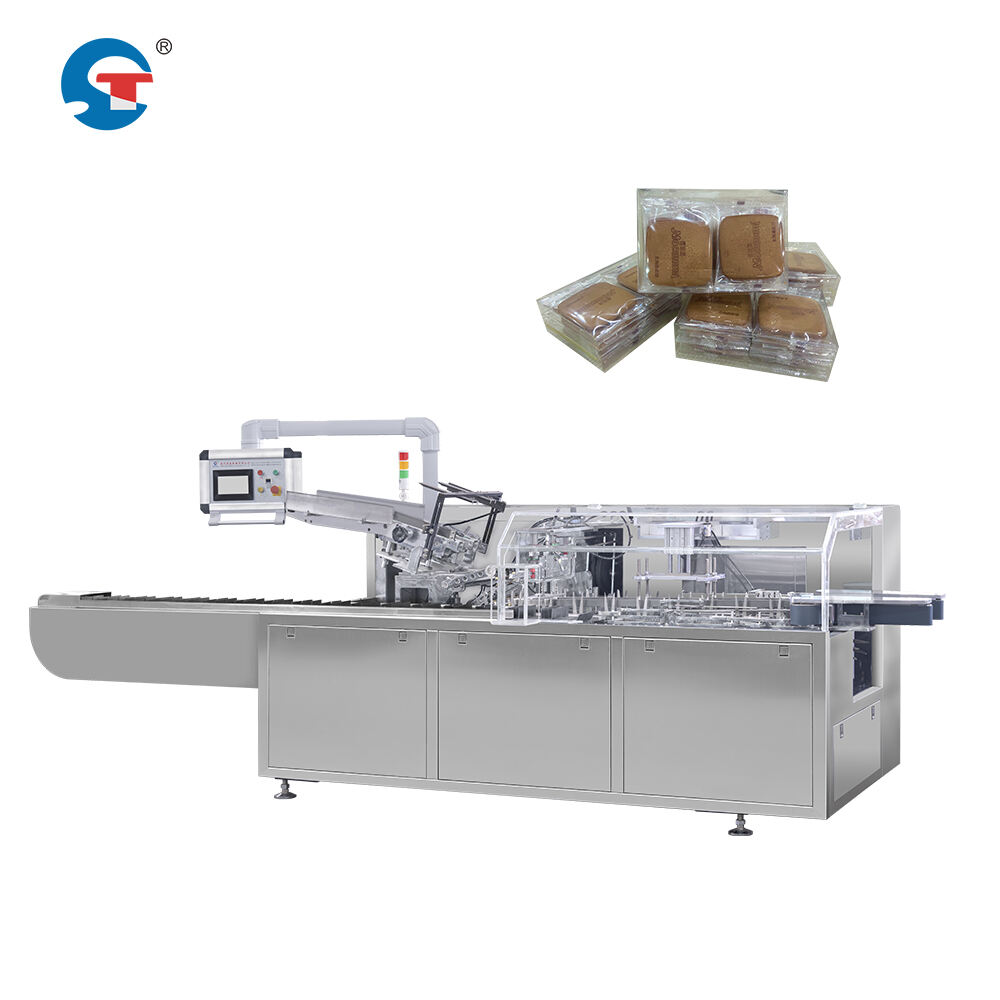
Katika uuzaji wa chakula wa kisasa na shughuli za upakiaji, ufanisi unadetermini faida na ustawi wa kiuchumi. Kama vile kiasi cha uzalisho kinapong'oe na gharama za kazi zinapopanda, watoa huduma wanakabiliwa na pressure ya kuongeza kiasi cha kuzingatia mizani ya upakiaji bila kuharibu ubora au utendaji wa kawaida. A makina ya Kupakia Chakula ni uwekezaji wa kisiasa ambao unatumika kutatua changamoto hizi kwa kufanya kazi ya upakiaji wa pili kwa kutumia teknolojia ya kibinafsi, kupunguza kazi ya mkono, na kuharakisha kasi ya kujitegemea. Hii vifaa vya kiotomatiki vinabadilisha namna ya kuhamishwa kwa bidhaa kutoka kwenye upakiaji wa kwanza hadi kwenye vitambaa vya mwisho, ikijenga mapungufu yanayoweza kuhesabiwa katika vipengele vingi vya uendeshaji wakati unaotunza usahihi unaohitajika na viwango vya usalama wa chakula.
Uunganishaji wa makina ya Kupakia Chakula kuingia katika mstari wako wa upakiaji unabadilisha kwa msingi dinamiki ya mfumo wa kazi, ukiondoa vikwazo vilivyopo katika upakiaji kwa mikono ambavyo huundwa na binadamu. Mashine hizi hufanya mfululizo wote wa upakiaji—kuanza na uundaji wa sanduku, kuingiza bidhaa, kufunga milango, na kumaliza kwa usahihi wa pamoja ambao wafanyikazi wa binadamu hawawezi kuhitimu kwa ufanisi. Kwa kutumia teknolojia ya kiotomatiki kwa kazi hizi za kurudia, watoa bidhaa hupata uwezo wa kuzidisha utunzaji wa uwezo uliofungwa katika mbinu za kinyume cha binadamu, wakifanya hivyo pia kupunguza ubaguzi unaosababisha makosa ya upakiaji, uvunjaji wa bidhaa, na kazi ya kurekebisha ambayo inaharibu pesa. Kuelewa jinsi ya kifaa hiki kinachofanya kazi kwa urahisi inahitaji kuchunguza viwango maalum vya kujitengeneza ambavyo teknolojia ya kiotomatiki inabadilisha ufanisi wa upakiaji, matumizi ya nguvu ya kazi, udhibiti wa ubora, na utendaji wa jumla wa mstari.
Kuboresha Kasi na Uwiano wa Kazi Kwa Kutumia Upakiaji Kiotomatiki
Uendeshaji wa Kasi Juu yenye Uthabiti Unaokondoa Mizinga ya Kazi ya Mikono
Ushirikisho wa kazi za kufunga kisanduku kwa mikono unapewa kikomo cha kawaida cha kasi kilichotokana na uwezo wa mwili wa binadamu na mambo ya kutisha. Hata wafanyikazi wenye ujuzi wanafanya kazi ya kufunga kisanduku kwa kasi ya 15 hadi 30 kisanduku kwa dakika katika mazingira ya kudumu, na utendaji wao huanguka wakati wa shughuli kama vile kutisha huongezeka. Mifumo ya kufunga kisanduku ya chakula inafanya kazi kwa kasi kubwa zaidi, ambapo mifumo ya kiwango cha chini inafanya kazi kwa kasi ya 60 hadi 100 kisanduku kwa dakika na mifumo ya juu inafanya kazi kwa kasi ya 120 hadi 200 kisanduku kwa dakika kulingana na sifa za bidhaa na uunganishaji wa kisanduku. Ufunguo wa kasi huu unatolewa moja kwa moja kwenye uwezo wa kutoa, ukiruhusu wazalishaji kufunga kisanduku kwa bidhaa nyingi zaidi katika muda huo wa kufanya kazi.
Uthabiti wa kasi ya kutengeneza mifupa ya chakula kwa kutumia mashine ni faida muhimu pia, isipokuwa tu kwa nambari za uwezo wa kufanya kazi. Ingawa wafanyikazi wa mikono hupiga tofauti za kasi kwa muda wote wa shughuli zao, mashine ya kutengeneza mifupa ya chakula huendelea kufanya kazi kwa kasi iliyoprogramwa mara moja inapowekwa kwa usahihi na kupatwa na vitu vyenye kufanywa kazi. Uthabiti huu hukataza tofauti za uzalishaji ambazo huchanganya mpango wa wakati, usimamizi wa stok, na ushirikiano wa mafunzo ya kushoto. Unapofanya kazi kwa kasi iliyotambulika, wazalishaji hupata uelewa bora zaidi kuhusu muda wa kumaliza uzalishaji, wanaweza kupanga usafirishaji kwa uhakika zaidi, na kupunguza stok ya kujaza ambayo mara nyingi hutumika kujaza tofauti za kazi za mikono.
Uunganisho wa Kusisimua na Vifaa vya Uzalishaji vya Juu
Mashine za kufunga chakula kwa kisasa zina uwezo wa kusimbamisha ambao unawezesha muunganisho wa moja kwa moja na vifaa vya uzalishaji wa juu na vifaa vya kufunga kwanza. Kupitia vitu vya kudhibiti kwa kiprogramu na mitandao ya sensa, mashine hizi huweka kasi ya kuingiza yao kwa kujumuisha kasi ya pato la mashine za kujaza, mashine za kufunga kwa mfuatano, au mfumo mwingine wa kufunga kwanza. Uhusiano huu wa kusimbamisha unapunguza maeneo ya kusukuma na kusimama kwa bidhaa ambayo kufunga kwa mikono inahitaji, ikijenga mstari wa kufunga unaofanya kazi kwa mstari mmoja ambapo bidhaa hujikwenda kwa urahisi kutoka kwa hatua moja ya kufanya kazi hadi nyingine bila kupauka au kuhitaji kazi ya binadamu.
Kufuta zonzi za kusukuma hutoa faida nyingi za kuboresha zaidi ya uongezaji wa kawaida wa kasi. Bidhaa huzindwa muda mfupi zaidi katika miongozo ya kubadilisha kati ya hatua za kufunika, kuhakikisha kuwa wakati wa uwepo unaopaswa kudhoofisha ubora wa bidhaa katika matumizi yanayohitaji joto au muda maalum huafikiwa chini. Mahitaji ya eneo la uzuri la chini ya kusukuma bidhaa yamepungua, kuburudisha mpangilio wa mstari wa kifupi zaidi ambao unafupisha umbali wa usafirishaji wa vitu na kuboresha utumiaji wa mahali. Pia, uendeshaji uliowekwa kwa pamoja unapunguza mahitaji ya jumla ya watu wa kazi kwenye mstari, kwa sababu wafanyikazi hawana hitaji la kuudhibiti mgando wa bidhaa kati ya mchakato wa kibinafsi na wa kiotomatiki uliojitenga.
Muda wa Kupungua wa Kugeuza kwa Uendeshaji wa Bidhaa Nyingi
Wafanyabiashara wanaotumia muundo mbalimbali ya bidhaa au vikapu vya ukubwa tofauti wanakumbwa na mahitaji ya kutosha mara kwa mara ya kubadilisha mtiririko, ambayo huathiri moja kwa moja uwezo wa kufanya kazi wa mstari. Kifaa cha kufunga vyakula katika vikapu kinachotengenezwa vizuri kina vipengele vya kubadilisha haraka vya kupunguza muda unachohitajika kubadilisha kati ya muundo tofauti ya bidhaa. Mbinu za kuboresha bila kutumia zana, vipengele vya kumbukumbu vya maelezo ya kazi (recipes), na vituo vya kujenga vikapu vya kiasi cha kawaida vinaweza kusaidia kubadilisha mtiririko kwa dakika 15 hadi 30, badala ya muda mrefu zaidi unachohitajika wakati wa kurekebisha vituo vya kufunga vikapu kwa mikono. Baadhi ya michoro ya juu zinazotumia mchakato wa kusonga kwa kutumia servomotor (servo-driven) zinaweza kubadilisha ukubwa kiotomatiki kulingana na maagizo yaliyoaguliwa, kwa hivyo kupunguza zaidi muda wa kubadilisha na kuepuka makosa ya kuzingatia ukubwa kwa mikono.
Athari ya jumla ya kupungua kwa muda wa kubadilisha viwango huwa kubwa katika vifaa vinavyofanya kazi kwenye makundi ya bidhaa mbalimbali. Kwa kurejesha muda wa kufanya kazi uliofutwa kabla yake kwa shughuli za kubadilisha viwango, watoa huduma hupanua uwezo wa uzalishaji unaopatikana bila kuongeza masaa ya kufanya kazi au kujumlisha vifaa vipya. Uboreshaji huu wa ufanisi unawezesha mpangilio wa uzalishaji wenye ubunifu zaidi, unaruhusu kushughulikia vipande vidogo kwa njia ya ekonomi, na kusaidia kujibu haraka mabadiliko ya mahitaji ya wateja. Uwezo wa kubadilisha haraka kati ya bidhaa pia hupunguza shinikizo la kufanya mafuta ya urefu mkubwa ya kitu kimoja tu, kuboresha mgao wa inventori na kupunguza mahitaji ya rasilimali za kazi.
Kupunguza gharama za kigoda na uendeshaji bora wa wafanyakazi
Kukataa Mshahara wa Wafanyikazi wa Moja Kwa Moja kwa Shughuli za Kufunga Kikombe Kwa Mara Nyingi
Kuweka bidhaa katika mifuko kwa mikono huita wafanyakazi wa kipekee wanaofanya harakati za kurudia kote katika mizungumzo ya uzalishaji, yanayowakilisha gharama kubwa ya kazi inayotegemea moja kwa moja kiasi cha uzalishaji. Mifuko ya chakula inayotumika kwa kutumia mashine inaondoa hitaji la wafanyakazi wengi wanaotumika kwa kufanya mifuko, kuingiza bidhaa, na kufunga ambatoni. Sistemu ya kutoa mifuko kwa kutumia mashine ya kawaida inabadilisha nafasi za kufanya mifuko kwa mikono ya watu wachache—kati ya tatu na tano—kulingana na kasi ya mstari na uunganishwaji wa bidhaa, ikipunguza mara moja gharama za kazi ya moja kwa moja na kufungua uwezo wa wafanyakazi kwa kuzitumia tena katika shughuli za thamani kubwa zinazohitaji utambuzi wa binadamu na uwezo wa kutatua matatizo.
Uchunguzi wa kazi unapana zaidi ya kupunguza idadi ya wafanyakazi tu ili kujumuisha gharama za pamoja zinazohusiana na nafasi za kufunga kisanduku kwa mikono. Nafasi hizi mara nyingi zina kiwango cha kubadilika kikubwa kwa sababu ya asili ya kazi ya kufanya vitendo vyenye mifano ya kimwili, ikasababisha gharama za kuajiri na kufundisha mara kwa mara. Mashtaka ya wafanyakazi yanayohusiana na majeraha ya vitendo vilivyorekodi ni sababu muhimu nyingine ya gharama katika uendeshaji wa kufunga kisanduku kwa mikono. Kwa kutumia teknolojia ya kiautomati kufanya kazi hizi, mashine ya kufunga kisanduku ya chakula inaondoa hatari ya majeraha na kupunguza ada za bima zinazohusiana na uendeshaji wa kufunga kisanduku kwa mikono. Athari ya pamoja ya kifedha ya kupunguza kazi ya moja kwa moja, kutekeleza gharama za kubadilika kwa wafanyakazi, na kupunguza uwajibikaji wa majeraha mara kwa mara huzaa faida ya kuvunja kwenye 18 hadi 36 miezi kwa mazingira ya uzalishaji zaidi ya yote.
Kurekebisha Uzalishaji wa Wafanyakazi kwa Mfumo wa Udhibiti wa Ubora na Uboreshaji wa Mtiririko
Uwezo wa kazi uliofanyika kwa kutumia mfumo wa kufunga kikombe kwa mtindo wa otomatiki unawafungua wafanyakazi kwa ajili ya kurekodi tena mali ya binadamu kwa shughuli ambazo zinaziongeza thamani kubwa ya biashara. Badala ya kufanya kazi ya kufunga kikombe kwa mikono kwa mara nyingi, wafanyabiashara wanaweza kuhusika katika uchunguzi wa ubora, ufuatiliaji wa mchakato, usimamizi wa mapambano ya awali ya vifaa, na mradi wa uboreshaji endelevu. Urejeshaji huu unapanda uwezo wa jumla wa wafanyabiashara wa kufunga kikombe, ukizalisha kazi za kushirikiana zinazozingatia zaidi kwa sababu ya kuboresha udhamiri wa wafanyabiashara na kudumisha wao katika kazi, pamoja na kuboresha utendaji wa uendelezaji kwa kuzingatia zaidi mambo ya ubora na ufanisi.
Wafanyabiashara wanaoweza kufanya matumizi ya mashine ya kufunga chakula katika mifuko mara nyingi hufanya upanuzi wa kazi ya wafanyakazi wa uvuvi kwa kujumuisha majukumu ya uendeshaji wa vifaa pamoja na majukumu ya uhakiki wa ubora. Nafasi hizi zilizosimamishwa zinahitaji wafanyikazi kufuatilia utendaji wa vifaa vya kiotomatiki, kufanya uhakiki wa ubora kila mara kwa mifuko iliyofungwa, kugundua mabadiliko ya mchakato, na kutekeleza vitendo vya usakatisho wakati tofauti zinatokea. Mtindo huu wa wafanyakazi unatumia uamuzi wa binadamu kwa kazi ambazo unapatoa thamani kubwa zaidi, wakati huo huo kutoa fursa ya kiotomatiki kufanya kazi za kawaida za kimwili ambazo vifaa vinavyofanya kwa ufanisi zaidi na kwa uwezo bora zaidi. Matokeo ni wafanyakazi wenye uwezo zaidi na wanaoparticipate zaidi, wanaowachangia zaidi kwa ufanisi wa uendeshaji na uwezo wa kushiriki kwenye ujasiri wa biashara.
Kupungua kwa Muda wa Ziada na Mahitaji ya Malipo ya Kipindi
Uwezo wa kuzidisha uhamisho wa kifaa cha kufunga chakula kinapopunguza wakati wa uendeshaji wa jumla unachohitajika kuwasilisha mpango wa uzalishaji. Uboreshaji huu wa uwezo mara nyingi unasimamia hitaji la kufanya kazi ziada na kufanya kazi katika wiki ya mwisho ambavyo kazi za mikono inahitaji kufanya ili kujikwaa katika muda wa ukuaji wa ombi. Kukatazwa kwa masaa ya kazi ya kiwango cha juu inazalisha uchumi wa haraka pamoja na kuboresha usawa wa kazi-na-maisha kwa wafanyikazi wa upakiaji, ukisaidia kuongeza neema ya kazi na kupunguza kufurikiana kwa wafanyikazi. Kwa wazalishaji wa kipindi ambao wanakabiliwa na muda mfupi wa uzalishaji, uwezo wa kufunga kwa kutumia teknolojia unawezesha kujikwaa katika muda wa ombi kwa kutumia mpango wa kazi ya kawaida badala ya kufanya kazi kwa masaa zaidi kwa kiwango cha juu cha malipo ya kazi.
Uthabiti wa Ubora na Upungufu wa Makosa
Kukatazwa kwa Makosa ya Binadamu katika Uundaji wa Sanduku
Ushirikisho wa kazi za kuchukua mifupa kwa mikono unajumuisha kwa asili ubaguzi katika namna ambavyo wafanyikazi wanavyounda mifupa, kusambaza bidhaa, na kufunga milango. Ubaguzi huu unaunda tofauti za ubora zinazozalisha matatizo ya ubora yanayotokana na makosa ya kuvutia macho ambayo huathiri kuonyeshwa kwa alama ya biashara hadi makosa ya kisasa ambayo huathiri uwezo wa mfupa kushikilia muundo wake wakati wa usambazaji. Mifupa ya chakula inayotumika kwa mashine inafanya kila hatua ya kujenga mfupa kwa uhakika wa kiufundi, ikijenga kila mfupa kwa namna moja kulingana na viparameta vilivyopangwa. Mivutano ya kusimamia kwa servomotor, vitendawili vya pneumatic, na mifumo ya kusimamia nafasi kwa kutumia sensori inahakikisha kwamba vipimo vya mfupa, uzungusho wa milango, na mahali pa kufunga vinakidhi vipimo kamili kila mara, kubadilisha makosa ya kujitawala yanayosababishwa na mchakato wa kufanya kazi kwa mikono.
Ufanisi wa uwezekano wa kujifunza unakuwa muhimu sana kwa bidhaa zenye mahitaji ya mwelekeo maalum au mahitaji ya kusimamisha kwa usahihi ndani ya makarotoni. Viazi vya mkate, vitumbua, na bidhaa nyingine za mkate zenye uvivu zinahitaji kusimamishwa kwa makini ili kuzuia kuvunjika wakati wa kufufua katika makarotoni na uhandlaraji uliofuata. Kifaa cha kifedha kilichowekwa kwa usahihi makina ya Kupakia Chakula kinafanya kazi hizi bidhaa kwa upole uliopangwa, kuzisimamisha kwa usahihi ndani ya makarotoni ili kupanua ulinzi wakati huo huo ukidumisha ubora wa kuonyesha. Uthabiti huu unapunguza asilimia ya bidhaa zilizoharibiwa, inapunguza mashakio ya wateja yanayohusiana na bidhaa zilizovunjika au zilizoharibiwa, na inadumisha sifa ya kifedha kwa kuhakikisha kwamba ubora wa kifedha unaofika kwa wateja ni sawa.
Ukaguzi wa Haraka wa Makosa na Utoaji wa Kiotomatiki
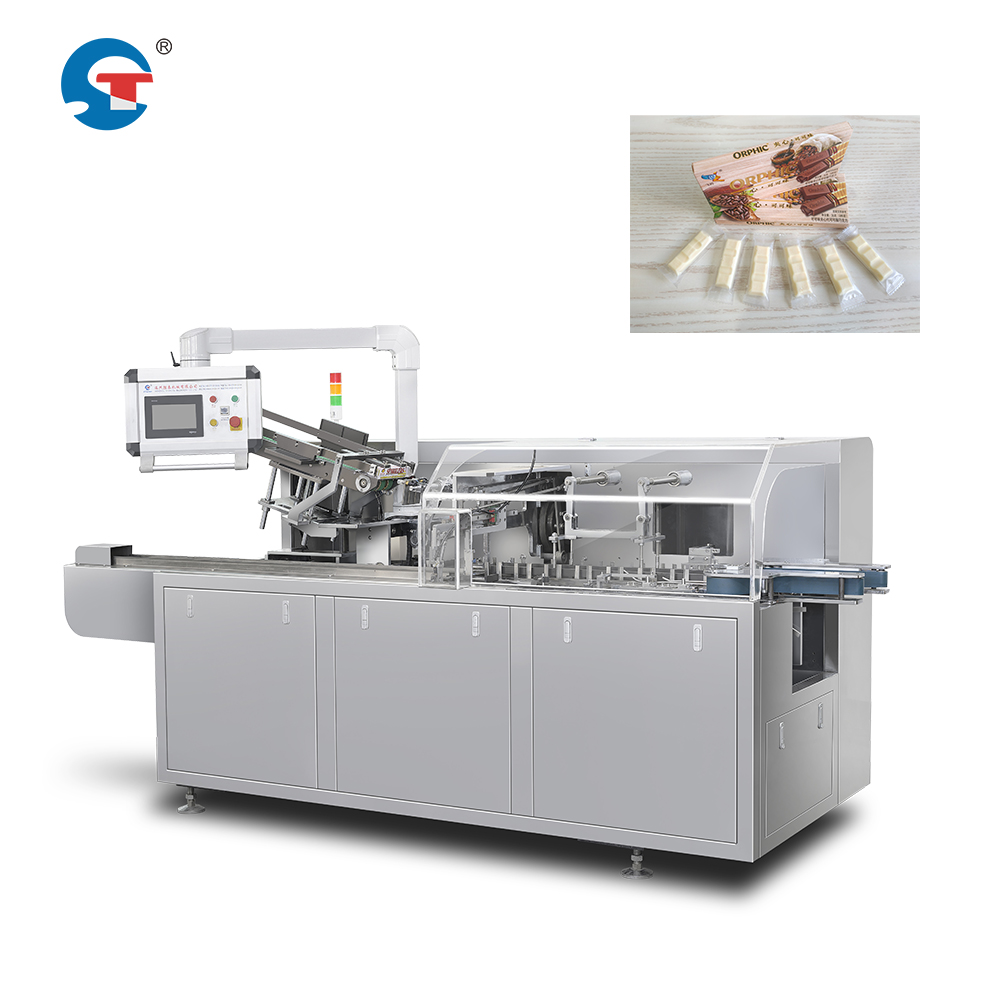
Mashine za kufunga chakula kwa kisasa zinajumuisha mifumo ya kuona na mifumo ya sensa ambayo huangalia ubora wa kufunga kwa muda wote wa uzalishaji. Mifumo hii hukagua bidhaa zisizopo, vifungo visivyofunguliwa vizuri, uhamishaji usiofaa wa dawa ya kufunga, na hali nyingine za udhaifu katika wakati wa kwenda, na kurejeka paketi zisizo bora kwa otomatiki kabla ya kuingia katika vikao vya usambazaji. Uchunguzi wa kuona unahakikisha kwamba bidhaa zimefungwa kwa njia ya sahihi ndani ya vifungo, unathibitisha kwamba mchoro wa kila chombo cha kufunga umefunguliwa kwa njia ya sahihi, na unahakikisha kwamba milango ya kufunga yamefunguliwa kabisa. Uhakikisho wa ubora wa otomatiki huu unatoa ukaguzi wa asilimia 100 ambao hakuna uhakikisho wa mikono unaweza kufanya kwa namna ya iyo ya kiuchumi, na kugundua udhaifu ambao kwa sivyo ungefika kwa wateja na kusababisha marejezi, maombi ya kushindwa, au wasiwasi wa sheria.
Uwezo wa kutoa kwa otomatiki makosa huunda mfuatano wa ubora ulioandikwa ambao unasaidia kufuata masharti ya usalama wa chakula na mahitaji ya kufuatilia. Kila kisanduku kilichotolewa kinaunda rekodi ya data inayodokumenta hali maalum ya kosa, muda uliowekwa, na taarifa za kikundi cha uzalishaji. Data hii inawezesha uchambuzi wa haraka wa sababu za msingi wakati kuna matatizo ya ubora, inasaidia majukwaa ya uboreshaji wa kuendelea kwa kuhesabu mara nyingi ya makosa na mifano yao, na inatoa ushahidi wa kitu cha kweli wa ufanisi wa udhibiti wa ubora wakati wa ukaguzi wa wateja au ukaguzi wa viashiria vya serikali. Uunganisho wa utendaji wa kusandukuwa kwa usawa na uthibitisho wa ubora kwa kina unabadilisha kusandukuwa kutoka kwenye eneo la hatari la ubora kuwa katika mchakato ulioyafuata na uliothibitishwa ambalo unaongeza mfumo wa jumla wa udhibiti wa usalama wa chakula.
Kupunguza Hatari ya Uchafuzi wa Bidhaa Kwa Kutumia Uzalishaji wa Kufungwa
Kutumia mkono kwa kufunga vitabu (cartoning) kinaweza kuweka bidhaa katika hatari ya uchafuzi wa mazingira wakati wa kipindi kirefu cha kushughulikia kati ya upakuli wa kwanza na kufunga vitabu. Wafanyikazi hukusanya bidhaa na vitu vya upakuli, ambavyo yanaweza kuleta uchafuzi hata kama amri za usafi na vifaa vya kulinda mwili vinatumika. Kifaa cha kufunga vitabu cha chakula kinaweka mchakato wa kufunga vitabu ndani ya eneo lililohifadhiwa kwa kifaa cha kudumisha, ambacho kinafanya uchafuzi wa mazingira kuwa mdogo sana na kutekeleza mwasiliano wa moja kwa moja wa bidhaa na wafanyikazi wa upakuli. Bidhaa zinapita kwa mchakato wa kufunga vitabu kupitia mfumo wa kusafirisha kiotomatiki ndani ya makifaa yaliyofungwa kwa udhibiti, ambayo inapunguza fursa za uchafuzi na kusaidia kufuata viwajibikaji vya usalama wa chakula vya kufanya bidhaa ziweze kuchafuka kidogo ikiwa zinapakuliwa.
Umatumizi wa Nafasi na Uboreshaji wa Mpangilio wa Mahali
Ukubwa mdogo kuliko vituo vya kufunga vitabu kwa mkono
Ushughulikia wa kawaida wa kufunga vitu katika mifuko inahitaji eneo la chini la kutosha ili kupanua mahali pa kazi ya wafanyikazi, uhifadhi wa mifuko ya tupu, maeneo ya kusakinisha bidhaa zinazosonga ndani, na maeneo ya kusukuma mifuko iliyofungwa ili yasitumike katika uchakuzi wa baadaye. Mstari wa kawaida wa kufunga vitu katika mifuko unaopatikana katika viwanda vya chakula unaojumuisha nafasi za wafanyikazi wa nne hadi sita hupokuza eneo la chini la uzalishaji la futa za 200 hadi 300 kwa kutumia umbizo la kisayansi ya kazi, uhifadhi wa vitu, na umbizo wa usalama wa kufanya kazi. Kifaa cha kufunga vitu katika mifuko kwa ajili ya chakula kinachofikia utaratibu sawa au bora zaidi kwa kawaida hupokuza eneo la futa za 80 hadi 150 kulingana na maelezo ya mfumo na mpangilio wa uunganisho, kinachoonesha kupungua kwa asilimia 40 hadi 60 ya mahitaji ya eneo kwa uwezo sawa wa uzalishaji.
Ufunguo wa ufanisi wa nafasi unakuwa na thamani kubwa hasa katika vifaa vilivyopewa mipaka ya uwezo ndani ya majengo yaliyopo au yanayofanya kazi katika soko lenye gharama za mali ya uzalishaji ya juu. Kwa kupunguza eneo la mahitaji ya uendeshaji wa kufunga kwenye kisanduku, wazalishaji wanaweza kuongeza uuzaji ndani ya vifaa vilivyopo bila kujenga maeneo ya ziada, kusakinisha mistari ya uuzaji zaidi katika eneo la chini lililopo, au kurekebisha matumizi ya eneo lililopungua kwa ajili ya shughuli za uhifadhi ambazo hupunguza gharama za uhifadhi nje ya mahali. Ufafanuzi wa vifaa vya ukubwa mdogo pia unahakikisha kuwa sheria za kusafisha vifaa ni rahisi zaidi na kupunguza eneo la uso linalohitaji usafi katika mazingira ya uzalishaji wa chakula, ikisaidia usimamizi bora zaidi wa usafi na utii wa sheria.
Uunganisho wa Vitendo na Ushirikiano wa Kiwango cha Mabegani
Mashine za kufunga chakula kwa kifurushi kwa namna ya juu zinajumuisha mfumo wa kuletea bidhaa kwa mstari wa wima na mfumo wa kutoa vifurushi ambavyo huchukua hatua za uchakato kwa mstari wa wima badala ya kuzitawala kwa mstari wa usio na kusambaa kwenye eneo la uzalishaji. Mfumo huu wa uunganishaji wa wima unapanda makabati ya vifurushi juu ya rafu kuu ya mashine, huweka kipengele cha kuingiza bidhaa kwenye kifurushi katika kimo cha optimum kwa ajili ya kuunganishwa na vifaa vya juu, na huongoza vifurushi vilivyotengenezwa kupitia mfumo wa kutoa kwa vitu vya wima mbalimbali. Umatumizi wa nafasi hii kwa vipande tatu (urefu, upana, na kimo) unapunguza zaidi mahitaji ya eneo la usio na kujenga njia za uvutaji wa vitu vyenye safi zaidi ambazo hupunguza uchafuzi wa kiwanda cha chini na kufanya uhandisi wa mgandamizo wa viwanja kuwa rahisi.
Mbinu ya kubuni wa wima pia inahusisha uunganishaji na mfumo wa miongozo ya juu ambayo huhamisha vikombe vilivyofanyika hadi vituo vya kufunga vikombe, vifaa vya kufanya vitambaa, au eneo la uhifadhi katika ghala bila kuchukua nafasi muhimu ya chini. Kwa kuhamisha bidhaa kupitia njia za juu, watoa huduma wanapoteza njia za miongozo ya chini ambazo zinawafanya watu wakae na matumizi ya gari la kuvuta, na hivyo kuboresha mgandamizo wa haraka, kupunguza hatari ya matajiri ya usalama, na kujenga mpangilio wa kiutawala kinachoweza kubadilika ili kufanana na mahitaji ya uzalishaji yanayobadilika bila kubadilisha mfumo wa kushughulikia vitu kwa kiasi kikubwa.
Boresho la Mpangilio wa Mstari kwa Uwasilishaji wa Mtiririko Endelezi
Mashine ya kufunga chakula kwenye mifuko inaweza kusimamia mpangilio wa mistari, mtiririko unaofuata mstari, ambao hupunguza mabadiliko ya mwelekeo wa bidhaa, kupunguza umbali wa usafirishaji, na kujenga mfumo wa mtiririko wa vitu unaovutia. Ushirikiano wa kuhesabu wa kazi kati ya vifaa vya upakuzi wa kwanza na kufunga kwa kutumia mashine ya kufunga kwenye mifuko unalinda meza za kusukuma na eneo la kuhifadhi linalohitajika katika uendeshaji wa mikono, ikiruhusu vifaa kuwekwa kwa mpangilio wa karibu sana bila umbali mkubwa. Mpangilio huu wa mistari wenye ukubwa mdogo unafupisha jumla ya urefu wa mstari, unapunguza eneo la jengo linalohitajika kwa mfumo kamili wa upakuzi, na kujenga maonyo ya wazi zinazofanya usimamizi na ufuatiliaji wa mchakato kuwa bora zaidi.
Mfumo wa mpangilio uliofanikiwa pia unapunguza uchanganyaji wa bidhaa na kupunguza mfumo wa kubeba ambao unahitajika kuunganisha hatua za uendeshaji. Kupungua kwa idadi ya mabebi inamaanisha kupungua gharama za mifumo ya kuvunja, mahitaji ya usimamizi wa chini, na upungufu wa matumizi ya nishati kwa kubeba vitu. Njia rahisi za kubeba pia zinapunguza mahali pa kushindwa katika mistari ya kufunga, kuboresha uaminifu wa jumla ya mfumo na kupunguza uchafuzi wa kutatua tatizo wakati huenda matatizo ya uzalishaji yatoke. Wafanyikazi wanaweza kuchunguza kwa urahisi mtiririko wa jumla wa uendeshaji, kugundua haraka vyanzo vya kuvuruga, na kutekeleza vitendo vya kurekebisha ambavyo huvirudisha uendeshaji wa kawaida bila kuvuruga sana.
Uwezo wa Kuunganisha na Uwezo wa Kufanya Kazi Kwa Uwazi
Uunganisho wa Moja kwa Moja Na Vifaa vya Juu na Chini
Mashine za kufunga chakula kwa kisasa zina miongozo ya kawaida ya mawasiliano na vifungo vya kiharakati ambavyo hufaciliti uunganishaji na vifaa vya kufunga kwa kwanza mbalimbali na mifumo ya kufunga vyombo. Uwasilishaji wa Industrial Ethernet, miongozo ya data ya OPC-UA, na urefu wa kawaida wa vituo vya kusogeza hutoa uunganisho wa aina ya 'plug-and-play' ambao hupunguza mahitaji ya uhandisi wa kipekee wakati wa kusakinisha. Mashine ya kufunga chakula huwasiliana kwa mwelekeo mwingine na vifaa vilivyowekwa pamoja, ikishiriki hali ya uendeshaji, kushirikiana katika ubadilisho wa kasi, na kuituma hali ya alama ili kuunda mfumo wa kufunga chakula uliounganishwa ambao unafanya kazi kama kitengo kimoja badala ya vifaa vilivyotengwa.
Uwezo wa kuingiliana huu unakwenda mpaka mfumo wa kutekeleza uzalishaji wa kiutawala na miongozo ya kusanya data ya uwanja wa uzalishaji. Mafuta ya kufunga chakula huuzia data ya uzalishaji ya wakati halisi ikiwa ni pamoja na idadi ya mafuta, asilimia ya kufutwa, vipengele vya ufanisi wa uendeshaji, na alama za usambazaji ambazo zinajisambaza katika dashibodi za kuvuongoa kwa kituo cha kati. Wafanyikazi wa uzalishaji hupata uonekano kamili wa utendaji wa kufunga chakula bila kuhitaji kuwa katika uwanja, wanaweza kupata fursa za kuboresha ufanisi kupitia kuchambua data, na kufanya maamuzi yanayotegemea ushahidi kuhusu uboreshaji wa mchakato na kugawanya uwezo. Uingiliano wa data pia unasaidia miradi ya usambazaji unaopangwa mapema kwa kufuatilia mwenendo wa utendaji wa vifaa ambao unadhihirisha matatizo ya kihisia yaliyopo kabla ya kutokea, kubadilisha muda usiojulikana wa kutokuwa na shughuli na kuhakikisha kwamba vifaa vinaendelea kufanya kazi kwa muda mrefu. huduma maisha.
Usimamizi wa Mapigo kwa Uzalishaji wa Aina Mbili na Zaidi
Wafanyabiashara wanaotengeneza viprodukti vingi vya ukubwa tofauti au muundo tofauti wanafaida kubwa kutokana na uwezo wa kuudhibiti mifumo ya kupanga mikakati ambayo vinatoa vyombo vya kufunga chakula katika karatoni. Wafanyikazi huchagua mikakati ya kibinafsi kwa kutumia vichujo vya kusonga kwenye skrini, kuhakikisha kivinjari kwa kutoa mipangilio yote ya vyombo ikiwemo vipimo vya kufanya karatoni, muda wa kuingiza bidhaa, mtaratibu wa kufunga vichwa, na kipimo cha kuthibitisha ubora. Mbinu ya kuhifadhi mikakati inaondoa ujazo wa kujaza vipimo vyenye mshahara na mabadiliko ya kujaribu kwa mara nyingi ambayo hutakiwa wakati wa kubadilisha kwa mikono, kuhakikisha kwamba kila bidhaa inafanya kazi kwa mipangilio iliyopangwa vizuri kutoka kwa karatoni ya kwanza badala ya kuhitaji kipindi cha kuanza kwa kujaribu na kosa ambacho kinasababisha upotezi wa vitu na wakati wa uzalishaji.
Mfumo wa usimamizi wa mapigo pia hufanya kujengwa kwa ufanisi kote katika mabadiliko ya wafanyikazi na mikoa ya uzalishaji. Kila bidhaa huendelea kwa mazingira sawa ya mashine kila wakati, bila kujali mtu yeyu anayefanya ubadilisho, kuharibu tofauti za utendaji ambazo zinatokea wakati wa watu tofauti kutumia mbinu tofauti za kuanzisha. Ufanisi huu unaboresha uweke wakati wa ubora, unapunguza mzigo wa mafunzo ya kipekee kwa wafanyikazi wapya, na unafanya utatuzi wa matatizo iwe rahisi kwa kuhakikisha kwamba matatizo ya utendaji yanatokana na sababu za vitu au vifaa badala ya tofauti za kuanzisha. Wazalishaji pia wanaweza kusasisha mapigo kwa mbali wakati wa mabadiliko ya maelezo ya bidhaa, kusambaza mizinga ya ufanisi kote katika mahali mengi ya uzalishaji bila kuhitaji kusasisha tena vifaa kila mahali.
Uwezekano wa Kuongezeka Ili Kukidhi Ukuwepo wa Uzalishaji
Mashine ya kufunga chakula inatoa uwezo wa ndani ambao unahakikisha kuongezeka kwa biashara bila kuhitaji kubadilisha vifaa vyote. Wafanyabiashara wengi mara ya kwanza hufanya kazi kwa vifaa vya kufunga kwa 60 hadi 70% ya kasi ya juu zaidi ya kuvumika, wakiweka uwezo kwa ajili ya ongezeko la kiasi katika baadaye kama vile umahani wa soko unavyozidi. Wakati mahitaji ya uzalishaji huongezeka, wafanyikazi wanabadilisha tu viparameta vya kasi ili kutumia uwezo uliopo, kufikia mapenzi ya kubo la kujenga haraka bila kutoa pesa za mali. Uwezo huu wa kuzidisha unahamisha maisha ya matumizi ya vifaa na kuhakikisha kuwa uwezo wa kuzidisha haupaswi kufanya vifaa vilivyopo viwe visivyo na manufaa.
Kwa wazalishaji wanaotarajia ukuaji mkubwa wa muda mrefu, miundo ya mashine za katoni za chakula za msimu huwezesha upanuzi wa uwezo kupitia kurudia vifaa badala ya kubadilisha. Vifaa vinaweza kusakinisha mashine ya pili inayofanana ya katoni iliyoundwa kwa bidhaa zile zile, ikiongeza uwezo maradufu huku ikidumisha uthabiti wa uendeshaji na kutumia mafunzo ya waendeshaji yaliyopo na hesabu ya vipuri. Mbinu ya msimu pia hutoa upungufu wa uzalishaji unaoboresha uaminifu wa mfumo kwa ujumla, kwani mashine moja inaweza kuendelea kufanya kazi ikiwa nyingine inahitaji matengenezo au inakabiliwa na matatizo ya kiufundi, kuzuia kusimama kabisa kwa uzalishaji kutokana na hitilafu za kifaa kimoja.
Maswali Yanayoulizwa Mara kwa Mara
Kiasi gani cha uzalishaji kinachohitaji kuchangia katika kifaa cha kufunga vyakula kwa kisanduku?
Kiwango cha uwekezaji kinategemea gharama za kazi na mifano ya uzalishaji, lakini wazalishaji wengi hufikia faida chanya ya uwekezaji wakati uendeshaji wa kufunga kisanduku kwa mikono unahitaji wafanyakazi wawili au zaidi wa muda wote kwa njia ya kuendelea. Vituo vya kuzalisha vinavyofanya kazi kwa mzunguko mmoja na kiasi kidogo cha uzalishaji vinaweza kusababisha kutumika kwa ajili ya kiotomatiki wakati wanapopata changamoto za kujipatia wafanyakazi, matatizo ya uwekaji wa ubora kwa namna moja, au mpango wa kukuza uzalishaji. Kuhesabu jumla ya gharama ya uendeshaji ikiwemo gharama za kazi, gharama za makosa, na kikomo cha uwezo hutupa mfumo wa kuthibitisha uwekezaji wazi zaidi kwa muktadha maalum ya uendeshaji.
Je, mafunzo ya wafanyakazi kwa ajili ya vifaa vya kufunga kisanduku kiotomatiki ni magumu sana?
Mashine za kufunga chakula kwa muda wa sasa zina vifungu vya kuchunguza kwa kutumia kioo cha kuondoa (touchscreen) na mchakato wa kuanzisha kwa maelekezo ambayo hupunguza kiasi kikubwa mahitaji ya mafunzo kuliko vifaa vya viwandani vya kipekee. Wafanyikazi wengi hufikia ujuzi wa msingi wa kufanya kazi katika siku tatu hadi tano za mafunzo ya mpangilio, na ujuzi kamili pamoja na kufanya mabadiliko ya kazi na kushughulikia matatizo machache huunda katika wiki mbili hadi nne za kufanya kazi chini ya usimamizi. Wakuzajiri wanapaswa kupanga maendeleo ya ujuzi kwa muda mrefu kama wafanyikazi hujifunza na kujifunza jinsi ya kuboresha utendaji wa mashine kwa kila sifa ya bidhaa.
Je, mashine za kufunga chakula zinaweza kushughulikia bidhaa zenye uaminifu au zenye umbo tofauti?
Mashine za kubadilisha chakula kwa kifurushi kwa kina zinaweza kushughulikia bidhaa zenye uwezekano wa kuvunjika kupitia mfumo wa kushughulikia unaoweza kubadilishwa, ikiwemo miongozo ya bidhaa yenye upungufu wa mgongo, miundo ya kuingiza kwa kasi inayobadilika, na vitu vya udhibiti wa kushughulikia kwa urahisi vinavyoweza kugeuza kwa programu ili kupunguza mzigo wa kiashiria wakati wa kubadilisha kwa kifurushi kwa kina. Bidhaa zenye umbo tofauti zinaweza kuhitaji vifaa vya kuingiza vinavyotengenezwa kwa ajili ya kila kitu au vifurushi vya kipekee, lakini watazamaji wanaofanya kazi kwa uaminifu zaidi wanatoa msaada wa uhandisi wa matumizi kujenga suluhisho kwa aina za bidhaa zenye changamoto. Ujaribisho wa bidhaa wakati wa kuchagua vifaa hufanya uhakika kwamba mtiririko wa mashine uliochaguliwa unashughulikia kwa usahihi vipengele maalum vya bidhaa kabla ya kufanya amri ya kununua.
Mahitaji ya utambaruzi ya mfumo wa kubadilisha kwa kifurushi kwa kina ni ipi?
Mashine za kufunga chakula zinahitaji usafi na ukaguzi kila siku, uvunaji wa sehemu zinazozunguka kila wiki, na ubadilishaji wa mara kwa mara ya vitu vinavyoharibika ikiwemo mishale ya kusafirisha, vikapu vya hewa ya mkono, na zana za kufunga mifupa kulingana na maelekezo ya mtengenezaji. Programu kamili za usimamizi wa kuzuia matatizo huagizwa kwa muda wa saa nne hadi nane kwa mwezi kwa ajili ya ukaguzi na mchakato wa kurekebisha kwa ufanisi. Watajenga wanapaswa kupanga gharama ya usimamizi kwa mwaka ambayo inawakilisha asilimia mbili hadi nne ya bei ya ununuzi wa mifupa, ikiwemo vitu vya kubadilisha, vitu vya kumnyosha, na huduma ya mara kwa mara kutoka kwa watoa mifupa au wahandisi waliopewa ruhusa ili kuhakikisha utendaji bora na uaminifu wa muda mrefu.
Orodha ya Maudhui
- Kuboresha Kasi na Uwiano wa Kazi Kwa Kutumia Upakiaji Kiotomatiki
- Kupunguza gharama za kigoda na uendeshaji bora wa wafanyakazi
- Uthabiti wa Ubora na Upungufu wa Makosa
- Umatumizi wa Nafasi na Uboreshaji wa Mpangilio wa Mahali
- Uwezo wa Kuunganisha na Uwezo wa Kufanya Kazi Kwa Uwazi
-
Maswali Yanayoulizwa Mara kwa Mara
- Kiasi gani cha uzalishaji kinachohitaji kuchangia katika kifaa cha kufunga vyakula kwa kisanduku?
- Je, mafunzo ya wafanyakazi kwa ajili ya vifaa vya kufunga kisanduku kiotomatiki ni magumu sana?
- Je, mashine za kufunga chakula zinaweza kushughulikia bidhaa zenye uaminifu au zenye umbo tofauti?
- Mahitaji ya utambaruzi ya mfumo wa kubadilisha kwa kifurushi kwa kina ni ipi?