
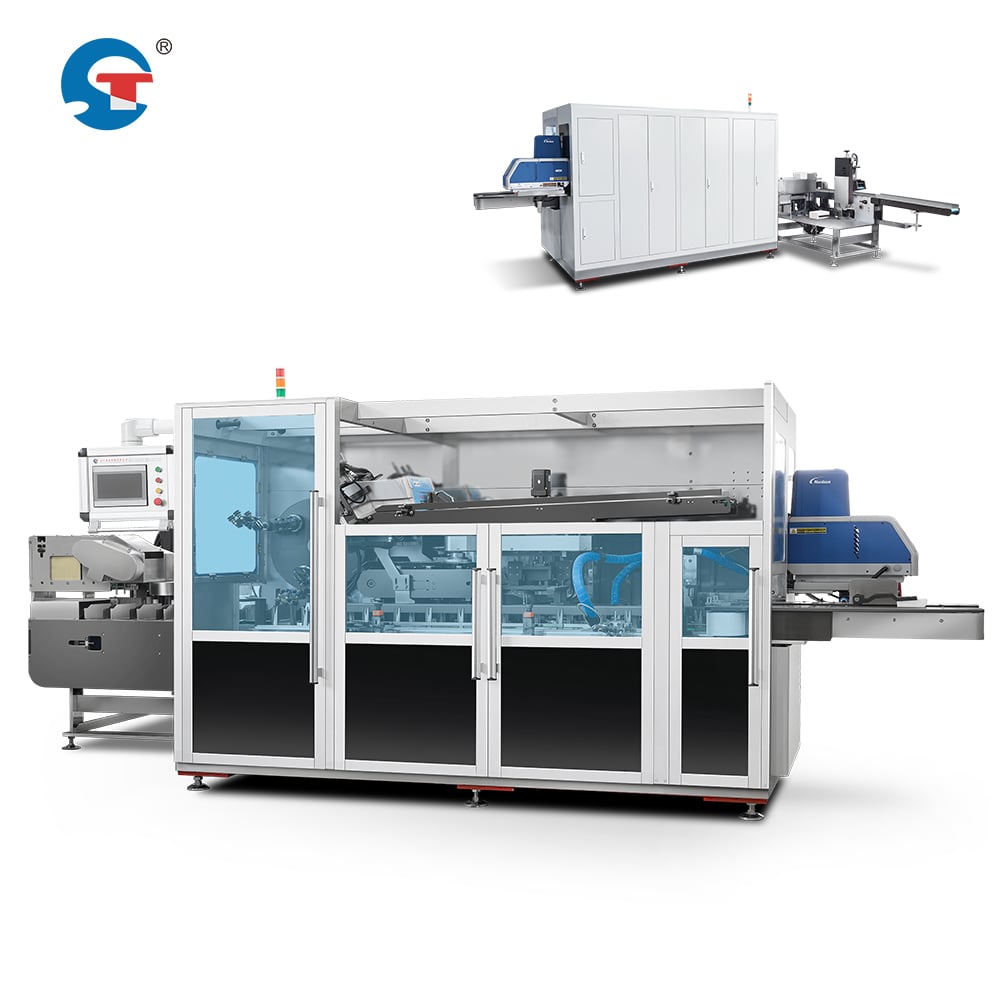
The integration of a continuous motion cartoning machine with upstream coding systems represents a critical decision for manufacturers seeking to optimize their packaging lines. Modern pharmaceutical and consumer goods producers face mounting pressure to increase throughput while maintaining product traceability and compliance. When properly configured, a continuous motion cartoning machine can work seamlessly with integrated coders to print lot numbers, expiration dates, and batch information directly onto cartons in real time, eliminating manual touchpoints and reducing errors.
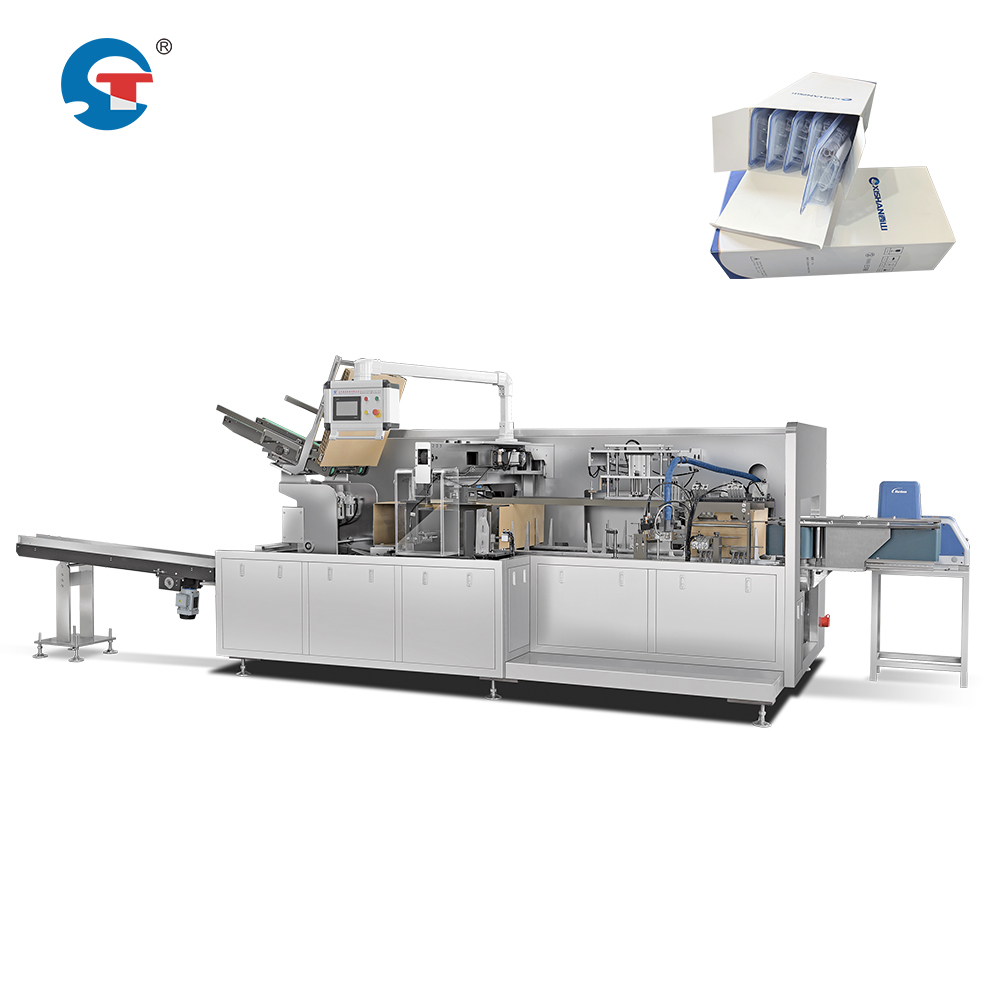
Yes, a continuous motion cartoning machine can integrate seamlessly with upstream coders, but successful integration depends on several technical and operational factors. The speed synchronization between the cartoning system and the coding equipment must be precise, the data transmission protocols must align, and the physical layout must accommodate both continuous motion flow and accurate print placement. Understanding these integration requirements upfront helps manufacturers avoid costly delays, ensure regulatory compliance, and maximize the return on their high-speed carton packing equipment investment.
Speed Synchronization and Communication Protocols
Matching Line Speeds with Precision Timing
High-speed carton packing equipment operates at rates ranging from 150 to 400 cartoons per minute, depending on carton size and configuration. Upstream coders must match or exceed these speeds to prevent bottlenecks. Modern continuous motion cartoning machines use servo-driven systems that communicate with coder equipment through industrial protocols such as EtherCAT or Profinet, ensuring synchronized operation. When the cartoning system detects a blank carton surface ready for marking, it sends a trigger signal to the coder, which then deposits the ink or thermal image within milliseconds. This precise coordination prevents overprinting, smudging, or misalignment that could compromise product identification and regulatory compliance.
Data Integration and Real-Time Information Flow
Pharmaceutical product cartoning solutions require integration of data feeds from enterprise resource planning systems into both the packaging line and coding equipment. The continuous motion cartoning machine must receive carton specifications, product identifiers, and expiration dates from upstream systems, then relay this information to the coder in real time. This eliminates manual data entry at the packaging stage and reduces the risk of printing incorrect information. Many modern systems use cloud-based platforms or on-premise servers to maintain centralized control, allowing operators to update coding information instantly across the entire production run without stopping the line.
Physical Layout and Equipment Positioning
Space Requirements and Line Integration
Successful integration of automatic case erecting and closing systems with upstream coders requires careful planning of the production floor layout. The continuous motion cartoning machine and coder must be positioned close enough to maintain speed synchronization but with adequate clearance for maintenance access and troubleshooting. Most manufacturers place the coder immediately before the cartoning station or integrate it as a modular component within the machine frame itself. This proximity ensures minimal delay between coding and packing, reducing the risk of coded cartons becoming separated from their corresponding products. The compact design also simplifies electrical connections and reduces the length of communication cables, which improves signal reliability.
Changeover and Format Flexibility
High-speed carton packing equipment designed for multi-product environments must support rapid changeovers between different carton sizes and coding formats. A flexible continuous motion cartoning machine allows operators to switch from one product configuration to another in 10 to 20 minutes, with corresponding adjustments to coder parameters. Modern systems feature quick-change components, including interchangeable nozzles, print heads, and mechanical guides. Pharmaceutical product cartoning solutions that support this flexibility enable manufacturers to maximize line utilization across multiple SKUs without extensive downtime, ultimately improving overall equipment effectiveness and cost per unit packed.
Regulatory Compliance and Quality Assurance
Traceability and Documentation Requirements
The pharmaceutical and regulated consumer goods industries mandate comprehensive traceability of all packaged products. A continuous motion cartoning machine integrated with upstream coders must capture and store verification data for every carton coded and packed. This includes timestamp records, lot numbers printed, operator identification, and any equipment alerts or corrections applied during the run. Automatic case erecting and closing systems combined with integrated coding provide a complete audit trail that satisfies regulatory inspections and supports rapid recalls if contamination or quality issues are identified. Digital record-keeping also enables manufacturers to prove compliance with serialization regulations in markets such as Europe and the United States.
Print Quality Verification and Remediation
Integration of vision inspection systems with the continuous motion cartoning machine and coder ensures that printed information meets quality standards before the carton moves downstream. High-speed carton packing equipment equipped with machine vision cameras automatically detects incomplete prints, faded text, or misaligned coding and either flags the carton for rejection or triggers a reprint cycle. Pharmaceutical product cartoning solutions that include this verification step prevent out-of-spec products from reaching consumers and reduce regulatory risk. Most systems allow operators to set tolerance levels for print contrast, position accuracy, and character recognition, ensuring that coding quality remains consistent even as ink viscosity or environmental conditions change.
Practical Implementation Considerations
Vendor Support and Technical Integration Services
Selecting a continuous motion cartoning machine and coder from vendors who have pre-engineered integration solutions significantly reduces implementation risk. Many manufacturers offer turnkey packages that combine the automatic case erecting and closing system, cartoning machine, and coding equipment with pre-configured communication settings and validated mechanical interfaces. This approach eliminates the need for custom programming and third-party integration services, accelerating time to production. Vendors also provide comprehensive training for operators and maintenance personnel, ensuring that the team understands system behavior, troubleshooting procedures, and best practices for maintaining speed and quality.
Maintenance and Spare Parts Availability
Long-term success of high-speed carton packing equipment depends on proactive maintenance and availability of replacement parts. Integrated systems benefit from consolidated spare parts inventories, where both the continuous motion cartoning machine and coder use modular components that can be stocked efficiently. Manufacturers should establish preventive maintenance schedules that address wear on moving parts, verify synchronization timing, and inspect print head or ink supply systems. Many vendors offer predictive maintenance services that monitor equipment performance remotely and alert operations teams to potential issues before they cause line stoppages. This proactive approach minimizes unscheduled downtime and extends overall equipment life.
FAQ
Can an existing cartoning line be retrofitted with a coder?
Yes, most continuous motion cartoning machines manufactured in the last decade support retrofit integration of upstream coding equipment. Retrofits require assessment of available space, electrical capacity, and control system compatibility. A qualified systems integrator can evaluate your pharmaceutical product cartoning solutions setup and recommend modular coder units that mount directly onto your existing line without major structural changes. The process typically takes two to four weeks, including mechanical installation, electrical wiring, software configuration, and production trials. Older machines may require more extensive modifications or replacement of the control system to support real-time communication with modern coders.
What coding technologies work best with continuous motion cartoning equipment?
Thermal inkjet, continuous inkjet, and laser coding technologies all integrate effectively with high-speed carton packing equipment, each with distinct advantages. Thermal inkjet offers simplicity and low cost but may require regular printhead cleaning in high-humidity environments. Continuous inkjet delivers speed suitable for lines exceeding 300 cartoons per minute and works on various material surfaces. Laser coding eliminates consumable inks, reduces maintenance, and provides superior permanence for pharmaceutical product cartoning solutions, though initial equipment cost is higher. Your choice depends on carton material, required print resolution, production speed, and budget constraints.
How do I ensure coding accuracy remains consistent during long production runs?
Consistent coding accuracy during extended runs requires proper equipment maintenance, environmental control, and real-time monitoring. Regular cleaning of print heads or laser optics prevents degradation that causes fading or inconsistent character shapes. Environmental factors such as temperature and humidity should remain stable; most coding systems perform best between 18 and 28 degrees Celsius with 40 to 70 percent relative humidity. Many continuous motion cartoning machines include integrated vision inspection that continuously verifies code quality and alerts operators to drift before cartons become out-of-spec. Automatic case erecting and closing systems with embedded quality monitoring provide an extra layer of assurance that your pharmaceutical product cartoning solutions remain compliant throughout the production day.