
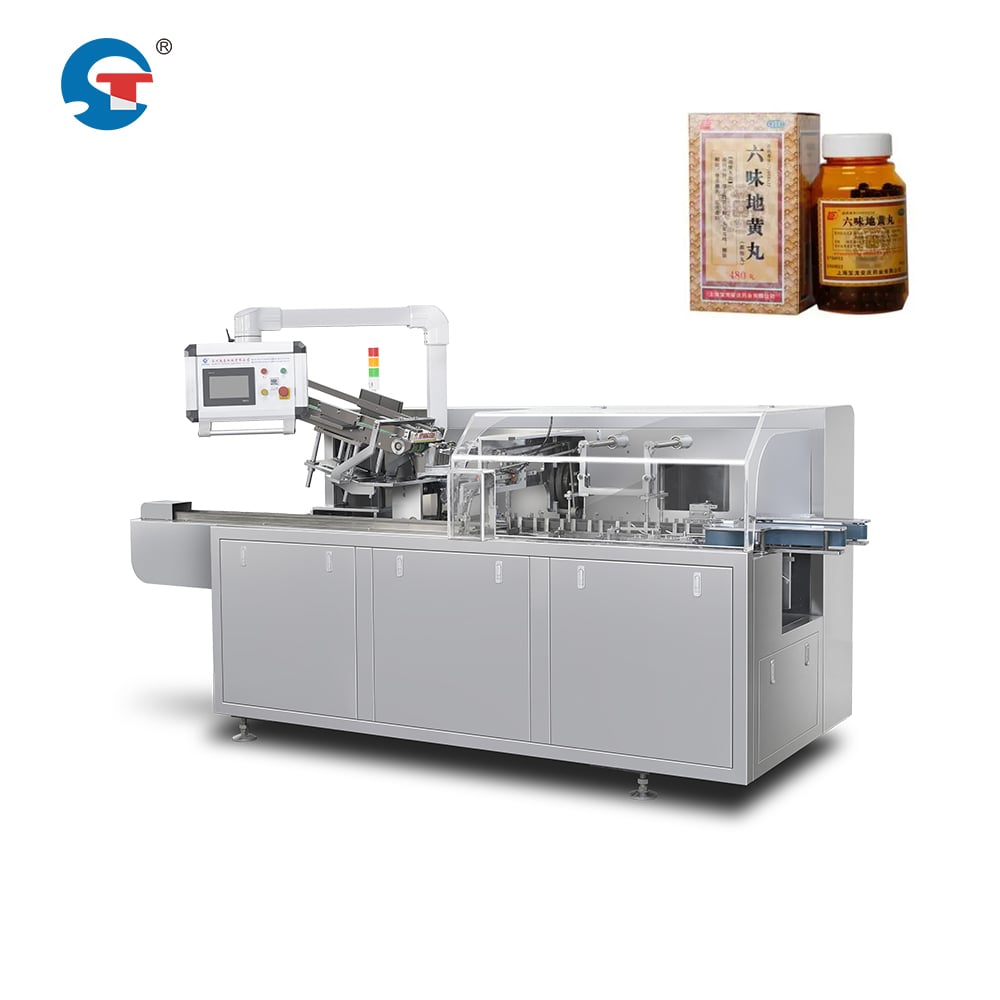
Variable leaflet insertion represents one of the most critical challenges in modern pharmaceutical manufacturing. A pharmaceutical cartoning machine must handle multiple languages, different document sizes, and regulatory compliance requirements simultaneously. This complexity demands precision engineering and intelligent control systems that ensure every carton receives the correct leaflet without errors.
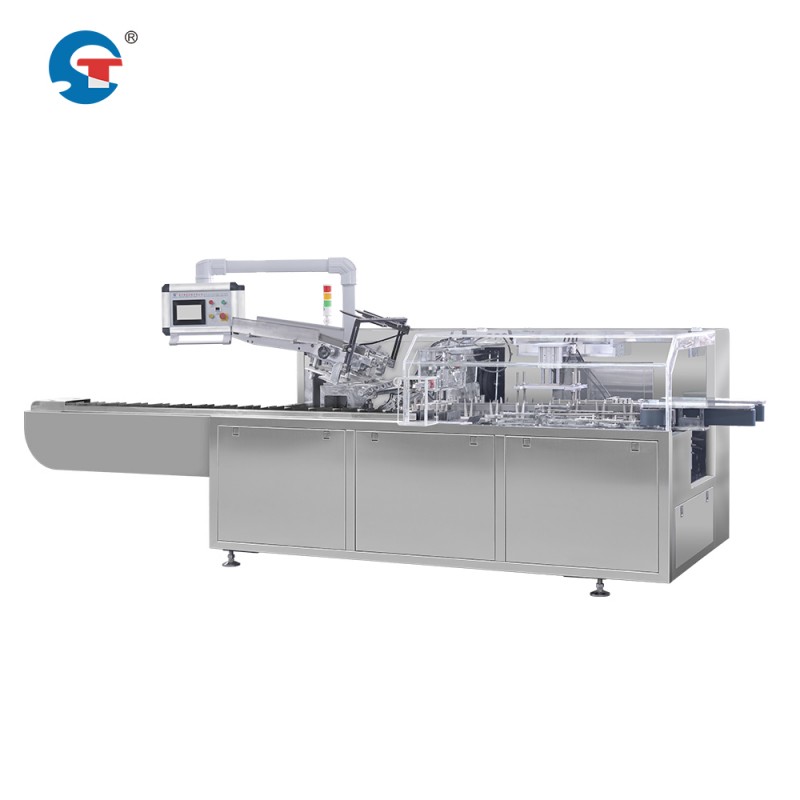
Modern automatic packaging equipment for pharmaceuticals has evolved significantly to meet the stringent demands of the industry. Today's systems integrate vision technology, servo motors, and real-time verification to ensure consistent accuracy. This article explores how advanced pharmaceutical cartoning machines reliably process variable leaflets while maintaining production speed and regulatory compliance.
Understanding Cartoning Machine Specifications and Features
Core Mechanical Design for Leaflet Handling
Cartoning machine specifications and features directly impact the ability to handle variable documents. Modern systems use independent magazine feeders that allow operators to load different leaflet types simultaneously. Each magazine operates on a separate timing system, enabling the machine to pick the correct leaflet based on the product being cartoned. This modular approach eliminates the need for complete machine resets when switching between product variants.
The servo-controlled folding and insertion mechanisms ensure precise placement of leaflets regardless of paper thickness or coating. Unlike older pneumatic systems, modern cartoning machines use closed-loop feedback to detect when a leaflet fails to insert properly. If an error occurs, the system automatically rejects the carton before it proceeds to the next stage, preventing defective units from reaching customers.
Vision and Verification Systems
Vision-based quality control is now standard in pharmaceutical packaging automation solutions. High-resolution cameras inspect each leaflet as it enters the cartoning area, confirming correct document type, orientation, and completeness. The system compares captured images against pre-programmed templates to detect missing sections, damaged corners, or incorrect language variants instantly. This real-time verification eliminates manual inspection bottlenecks and catches errors before cartons are sealed.
Integration with central control software allows pharmaceutical cartoning machines to maintain detailed records of every verification event. Operators can access logs showing which leaflets were processed, when, and any anomalies detected. This traceability meets regulatory requirements and supports root-cause analysis if quality issues emerge downstream.
Managing Multiple Leaflet Variables Without Errors
Intelligent Magazine and Feeder Configuration
Pharmaceutical packaging automation solutions now employ intelligent feeder systems that recognize product codes automatically. As each carton moves through the machine, barcode readers identify the product and trigger the corresponding leaflet magazine to activate. This automated selection process eliminates human decision-making and associated errors. Operators simply load the correct leaflets into each magazine slot once during setup, and the machine handles all switching automatically.
Advanced cartoning machine specifications include variable speed control, allowing the system to slow down during complex leaflet insertions without losing overall throughput. When multiple leaflets must be stacked or when documents are particularly delicate, the machine adjusts to a gentler pace. Once standard cartons resume processing, speed returns to normal levels automatically. This adaptive capability ensures accuracy remains consistent across all product variants.
Error Detection and Rejection Mechanisms
Modern pharmaceutical cartoning machines incorporate multi-stage error detection. The first checkpoint occurs after leaflet pickup, confirming that the feeder successfully grabbed a document. The second check happens during the insertion stroke, verifying that the leaflet enters the carton fully. A third verification occurs after the carton closes, using vision systems to confirm leaflet presence and correct positioning through transparent or semi-transparent carton windows.
When any checkpoint identifies an anomaly, the system immediately ejects the carton to a dedicated reject bin. The operator can then investigate the specific carton and determine whether it represents a genuine defect or a false positive. This approach ensures that only properly assembled units move to packaging and labeling stages. Traceability records link each rejected carton to the specific error detected, supporting continuous improvement initiatives.
Pharmaceutical Packaging Automation Solutions for Complex Requirements
Multi-Language and Regulatory Compliance Support
Pharmaceutical packaging automation solutions must accommodate global market requirements, where different regions demand different languages and regulatory information. A single pharmaceutical cartoning machine can now process leaflets in five or more languages by managing separate feeder magazines for each language variant. Barcode data or product codes trigger the correct language leaflet insertion automatically, eliminating the risk of incorrect language leaflets reaching customers.
Compliance verification is embedded into the system workflow. Before production begins, the machine's software cross-references each product code against approved leaflet content specifications. If a mismatch is detected, the system prevents the cartoning process from starting, preventing non-compliant products from entering the production line. This preventive approach aligns with pharmaceutical quality standards and regulatory expectations.
Scalability and Integration Capabilities
Enterprise pharmaceutical cartoning machines integrate seamlessly with existing manufacturing systems through standardized communication protocols. Real-time data feeds from product management systems ensure that the cartoning machine always knows which leaflets correspond to which products. If formulations change or regulatory updates occur, the system receives updated information instantly without manual reprogramming.
Scalability extends to production volume management. Systems designed for small-batch specialty pharmaceuticals operate efficiently at lower speeds and smaller lot quantities. Larger operations can upgrade to high-speed configurations that process thousands of cartons per hour while maintaining the same accuracy standards. This flexibility allows pharmaceutical manufacturers to invest in appropriate equipment for their current needs while maintaining upgrade paths as business expands.
FAQ
What error rate should manufacturers expect from modern pharmaceutical cartoning machines?
Modern pharmaceutical cartoning machines typically achieve error rates below 0.1 percent when properly configured and maintained. Vision verification systems detect and reject most defects before cartons leave the machine. Regular preventive maintenance, including feeder calibration and camera lens cleaning, helps maintain this performance level consistently.
Can a pharmaceutical cartoning machine switch between different leaflet types quickly?
Yes, contemporary automatic packaging equipment for pharmaceuticals switches between leaflet types nearly instantaneously. As long as leaflets are pre-loaded into their designated magazine slots, the machine simply recognizes the product code and activates the appropriate feeder. Setup times between product changeovers typically range from 15 to 30 minutes, depending on the complexity of configuration changes.
How does pharmaceutical packaging automation solutions handle leaflet size variations?
Cartoning machine specifications and features include adjustable pickup mechanisms and insertion guides that accommodate leaflet dimensions within defined ranges. For significant size variations, mechanical adjustments are required, but these typically involve only swapping feeder components rather than extensive retooling. Modern systems can handle variations from 50mm to 200mm in length and width through simple component changes.