
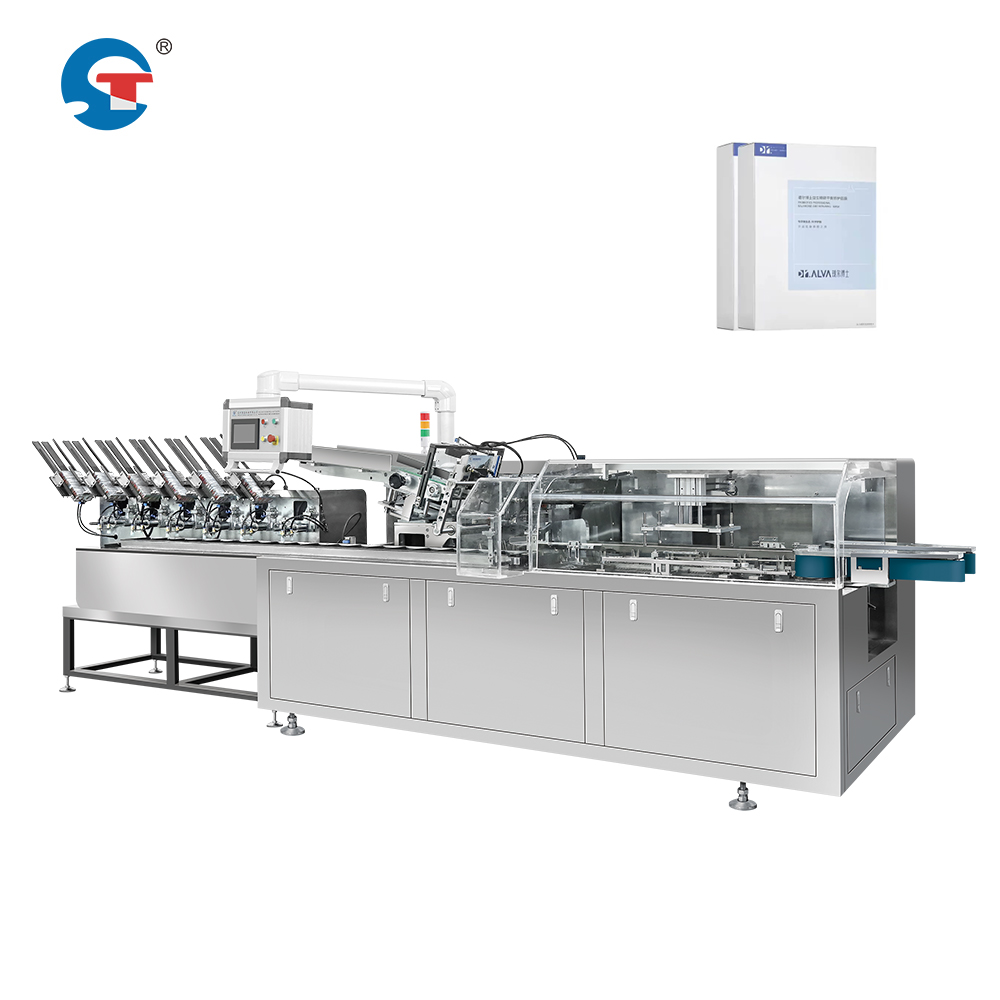
Modern manufacturing demands precision timing and seamless coordination across multiple production stages. When operating a mask packing line solution, the critical challenge lies in synchronizing film wrapping with box cartoning units to maintain consistent output quality and avoid bottlenecks. This synchronization ensures that wrapped masks arrive at the cartoning station exactly when the box is ready to receive them, eliminating delays and maximizing throughput. Understanding how these systems work together is essential for facilities seeking to optimize their automated mask packaging equipment performance.
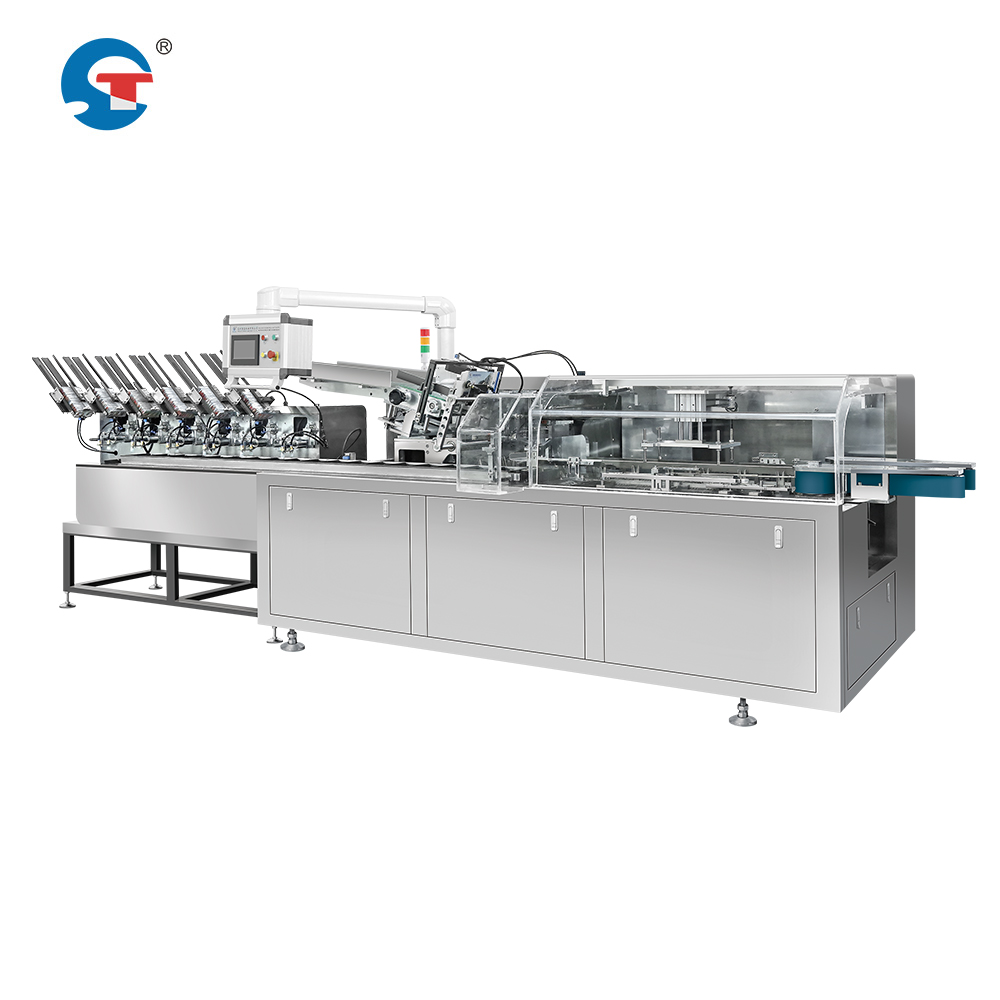
The synchronization of a mask packing line solution depends on precise control systems that monitor both the wrapping process and the cartoning stage. High-speed face mask wrapping machines operate on independent cycles, yet their output must align perfectly with box cartoning unit demand. When timing misaligns, wrapped products accumulate in holding areas, creating backlog and reducing overall mask production line efficiency optimization. Conversely, if the wrapping stage falls behind cartoning demand, the packaging machine sits idle waiting for product, wasting expensive equipment capacity and reducing line efficiency.
Core Synchronization Mechanisms in Automated Mask Packaging Equipment
Timing Control Systems and Sensor Integration
Modern automated mask packaging equipment relies on programmable logic controllers (PLCs) that coordinate timing between wrapping and cartoning stages. Sensors positioned at strategic points detect wrapped product arrival, triggering cartoning unit readiness signals. These systems monitor film wrapping machine cycle times, including material loading, wrapping duration, and product ejection phases. When the wrapping machine completes a cycle, it sends a ready signal to the cartoning unit, ensuring synchronized handoff. The high-speed face mask wrapping machine can adjust its operational speed to match cartoning unit capacity, preventing accumulation or shortages.
Buffer Storage and Queuing Logic
Effective mask packing line solution design includes strategically positioned buffer storage between wrapping and cartoning stages. This temporary holding space absorbs minor timing variations without disrupting the overall workflow. When the high-speed face mask wrapping machine operates slightly faster than the cartoning unit, wrapped masks accumulate in the buffer zone rather than backing up into the wrapping area. Conversely, when cartoning operates faster, it draws product from the buffer during brief wrapping downtime or maintenance. This queuing system maintains continuous mask production line efficiency optimization by preventing cascading delays through the entire automated mask packaging equipment system.
Mechanical and Electronic Synchronization Methods
Variable Speed Drives and Frequency Converters
The wrapping and cartoning stages operate at different mechanical speeds depending on product size, film thickness, and box dimensions. Variable frequency drives allow operators to adjust motor speeds in real-time, matching the high-speed face mask wrapping machine output to cartoning unit intake capacity. When one stage requires maintenance or experiences temporary slowdown, the drive system automatically reduces the corresponding stage speed, preventing bottlenecks. This flexibility enables mask packing line solution operators to optimize throughput without stopping the entire automated mask packaging equipment line, significantly improving mask production line efficiency optimization and reducing costly downtime.
Synchronous Conveyor Tracking
Advanced conveyor systems use synchronized chain or belt drives that link wrapping output directly to cartoning input. Encoder technology monitors conveyor speed continuously, ensuring wrapped products move at precisely the same velocity as the receiving station. If the high-speed face mask wrapping machine produces output faster than the cartoning unit can accept, the conveyor system automatically reduces speed upstream while buffering occurs. This mechanical synchronization eliminates dependency on purely electronic signals, providing backup redundancy in the mask packing line solution. The synchronized approach ensures that each wrapped product reaches the cartoning station at the optimal moment for box placement, maximizing throughput of your automated mask packaging equipment.
Optimization Strategies for Mask Production Line Efficiency
Cycle Time Analysis and Bottleneck Identification
Successful mask production line efficiency optimization begins with detailed cycle time measurement for both wrapping and cartoning stages. Operators should document the exact duration of each process phase under normal operating conditions and peak demand scenarios. When cycle times are known precisely, the mask packing line solution controller can anticipate needs and adjust speeds preemptively. Identifying which stage consistently operates at full capacity reveals bottlenecks limiting overall throughput. If wrapping consistently completes faster than cartoning, the solution lies in increasing cartoning speed or adding a second cartoning unit. Conversely, slow wrapping requires attention to film feeder tension, machine calibration, or product design modifications. Understanding these dynamics enables data-driven decisions for your automated mask packaging equipment investment.
Predictive Maintenance and Uptime Maximization
Synchronization quality depends heavily on machine reliability and consistent performance. When either the high-speed face mask wrapping machine or cartoning unit experiences unexpected breakdown, the entire mask packing line solution stops, causing substantial productivity loss. Implementing predictive maintenance programs monitors wear patterns, vibration signatures, and component performance metrics that indicate impending failures. Scheduled maintenance windows address issues during planned downtime rather than causing emergency shutdowns. Maintaining optimal synchronization through reliable equipment operation directly impacts mask production line efficiency optimization metrics. Regular calibration of sensors and timing systems ensures that synchronization signals remain accurate, preventing the gradual drift that degrades coordination over weeks of continuous operation.
FAQ
What happens if the wrapping machine produces faster than the cartoning unit can handle?
When a high-speed face mask wrapping machine produces output faster than the cartoning unit accepts it, wrapped products accumulate in buffer storage areas between the two stages. The mask packing line solution automatically reduces wrapping machine speed through variable frequency drives or conveyor slowdown to match cartoning capacity. If buffer capacity fills completely, the wrapping machine enters a hold state until the cartoning unit catches up. This automatic response prevents product overflow while maintaining synchronization. Long-term solution involves upgrading the cartoning unit capacity or adding parallel cartoning stations to match wrapping throughput and improve mask production line efficiency optimization.
How do sensor failures affect mask packing line synchronization?
Sensor failures in a mask packing line solution disrupt timing signals between wrapping and cartoning stages, causing synchronization breakdown. Without accurate position or speed feedback, the control system cannot maintain precise coordination. When sensors fail, automated mask packaging equipment typically enters a safe shutdown mode to prevent product jams or misalignment. Modern systems include sensor redundancy and diagnostic alerts that notify operators of failures immediately. Regular sensor cleaning and calibration prevents premature failure and maintains reliable synchronization. Backup mechanical interlocks in critical timing points provide safety margin even if electronic sensors malfunction temporarily, protecting your investment in high-speed face mask wrapping machine and cartoning equipment.
Can a single operator manage synchronization on a large mask packing line?
Yes, modern mask packing line solution systems are designed for remote monitoring and automated control, allowing a single operator to oversee multiple stages. The automated mask packaging equipment maintains synchronization through programmable logic controller algorithms that continuously adjust speeds and timing without manual intervention. Operators monitor system status through dashboards displaying wrapping speed, cartoning rate, buffer levels, and alerts. When interventions become necessary, touchscreen interfaces enable rapid adjustments to cycle times or speed settings. However, during changeovers to different mask sizes or film types, trained technicians may need to recalibrate the high-speed face mask wrapping machine and adjust cartoning parameters, ensuring mask production line efficiency optimization continues under new product specifications.