
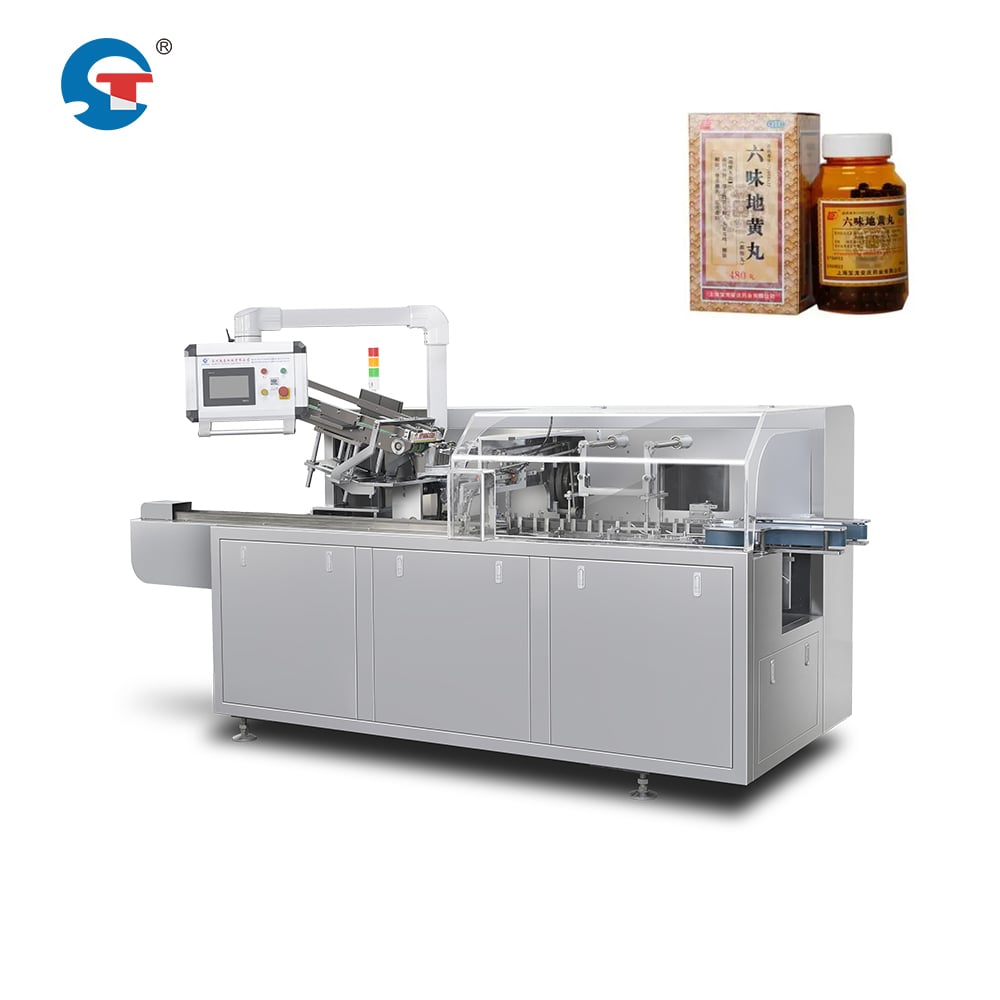
Cross-contamination represents one of the most critical challenges in pharmaceutical manufacturing, particularly when processing multiple product batches in rapid succession. A pharmaceutical cartoning machine must incorporate sophisticated isolation, cleaning, and validation protocols to ensure that residues from one batch do not compromise the integrity of subsequent batches. Understanding how these machines prevent cross-contamination is essential for manufacturers seeking to maintain regulatory compliance, protect product quality, and safeguard patient safety throughout their operations.
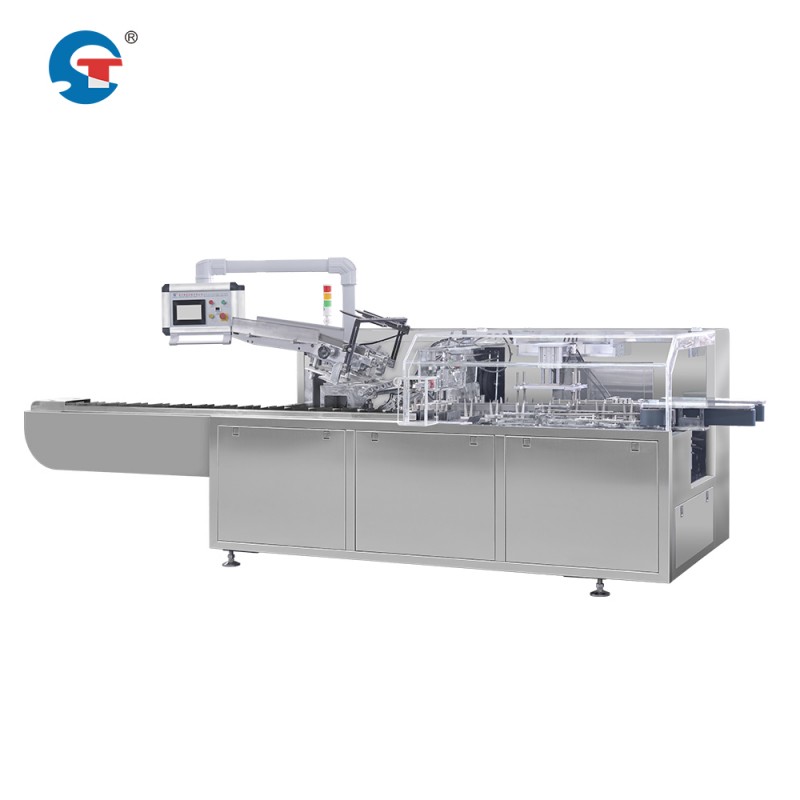
Modern pharmaceutical cartoning machine systems are engineered with multiple layered safeguards designed specifically to address cross-contamination risks. These include physical separation mechanisms, advanced cleaning cycles, real-time monitoring, and comprehensive validation frameworks that collectively ensure batch integrity and regulatory compliance. Organizations that invest in machines with robust contamination prevention features significantly reduce recalls, waste, and regulatory penalties while building confidence in product consistency.
Segregation and Equipment Design for Contamination Control
Physical Isolation During Product Transition
The first line of defense against cross-contamination involves physical product path isolation within the machine. Modern cartoning equipment incorporates removable and replaceable contact parts such as guides, hoppers, and feed mechanisms that come into direct contact with the pharmaceutical product. When switching between different batches or product formulations, operators remove these components and replace them with clean, validated alternatives or thoroughly clean existing parts using validated protocols. This compartmentalized design ensures that residual product particles or chemical traces cannot migrate between batches through shared mechanical pathways.
Additionally, the machine architecture includes sealed, dedicated storage areas for printed cartons, products, and packaging materials that maintain environmental isolation throughout the cartoning cycle. Separate supply lines and hoppers eliminate the possibility of product mixing at source points. When the automated packaging equipment for pharmaceuticals transitions between batches, the machine operator can physically separate components without disassembling the entire system, reducing downtime while maintaining contamination barriers.
Clean-in-Place and Clean-by-Replacement Systems
Advanced pharmaceutical cartoning machine systems incorporate Clean-in-Place (CIP) protocols that enable thorough flushing and sanitization without requiring manual disassembly. These systems use validated cleaning solutions, controlled flow rates, and precise contact times to remove residual product, lubricants, and potential allergens from internal pathways. The CIP cycle typically includes pre-rinse, detergent wash, post-rinse, and drying phases, each monitored for pressure, temperature, and flow consistency to ensure effective contamination removal between batches.
For components that cannot be effectively cleaned in place, the equipment design emphasizes quick-change mechanisms and modular construction. Operators can rapidly exchange contact parts with sterilized alternatives, eliminating the need for extended CIP cycles and minimizing batch changeover time. This approach combines the efficiency of cartoning machine speed and throughput specifications with contamination prevention, allowing manufacturers to maintain high production volumes without compromising safety protocols.
Real-Time Monitoring and Validation Frameworks
Environmental and Equipment Monitoring During Operations
Pharmaceutical packaging compliance and validation requirements mandate continuous verification that contamination prevention measures remain effective throughout production runs. Modern cartoning systems integrate sensors that monitor air pressure differentials, particle counts, and equipment surface cleanliness in real-time. These sensors generate digital records that provide traceable documentation of contamination prevention measures, supporting regulatory audits and demonstrating adherence to Good Manufacturing Practice (GMP) standards.
Temperature and humidity sensors embedded in the machine detect environmental conditions that could compromise product stability or enable microbial growth between batches. If readings deviate from validated ranges, the system automatically triggers alerts and halts production, preventing inadvertent cross-contamination from environmental degradation. This automated monitoring eliminates reliance on manual inspection, ensuring consistent contamination prevention across all batch runs regardless of operator shift or facility conditions.
Batch Record Documentation and Traceability
Every batch processed through a pharmaceutical cartoning machine must be accompanied by comprehensive documentation that records all cleaning validations, equipment status checks, and product transition procedures. Modern systems automatically generate these records, including timestamps, operator identifications, and sensor data that verify contamination prevention protocols were executed correctly. If cross-contamination occurs despite prevention measures, regulatory agencies and manufacturers can use these records to identify the root cause and implement corrective actions that prevent recurrence.
The traceability framework also captures material lot numbers, product identities, and packaging component sources, enabling rapid identification of all affected batches should contamination be detected post-production. This capability is essential for implementing targeted recalls and protecting public health while minimizing economic impact to the manufacturer and supply chain partners.
Maintenance, Validation, and Continuous Improvement Protocols
Preventive Maintenance and Equipment Qualification
Pharmaceutical packaging compliance and validation requirements include formal qualification protocols that verify contamination prevention effectiveness before production begins and periodically thereafter. Installation Qualification (IQ), Operational Qualification (OQ), and Performance Qualification (PQ) studies test cleaning efficacy, sensor accuracy, and contamination control measures under actual production conditions. These validations establish baseline performance benchmarks and define acceptable limits for equipment operation, ensuring that the automated packaging equipment for pharmaceuticals maintains contamination prevention capabilities throughout its operational life.
Preventive maintenance schedules address mechanical wear, sensor drift, and cleaning system degradation that could compromise contamination prevention over time. Routine replacement of gaskets, seals, and cleaning system components prevents pathways for product residue accumulation or microbial colonization. By maintaining equipment within validated specifications, manufacturers ensure that cartoning machine speed and throughput specifications remain achievable while contamination prevention reliability is preserved across extended production campaigns.
Continuous Improvement and Root Cause Analysis
When contamination concerns arise despite prevention measures, pharmaceutical manufacturers employ structured root cause analysis to identify contributing factors and implement corrective actions. The pharmaceutical cartoning machine design may be refined based on these findings, resulting in improved isolation mechanisms, enhanced cleaning protocols, or upgraded sensor technologies. Industry collaboration and regulatory feedback drive continuous evolution of contamination prevention standards, ensuring that next-generation machines incorporate lessons learned from past incidents across the broader manufacturing community.
Manufacturers that actively participate in maintenance, monitoring, and improvement activities gain deeper understanding of their specific equipment's contamination prevention capabilities and limitations. This knowledge enables optimization of batch change procedures, cleaning cycle timing, and production schedules that balance efficiency with absolute safety assurance, ultimately strengthening the company's regulatory standing and market reputation.
FAQ
How often should cleaning validation be performed on pharmaceutical cartoning equipment?
Cleaning validation for pharmaceutical cartoning machines should be performed initially during equipment qualification (IQ/OQ/PQ phases) and then at established intervals or whenever significant equipment modifications occur. Regulatory guidance suggests re-validation after major repairs, replacement of contact parts, or changes in validated cleaning procedures. Many facilities perform abbreviated cleaning verification between batches to confirm that standard cleaning cycles remain effective, ensuring pharmaceutical packaging compliance and validation requirements are continuously met throughout production operations.
Can a single pharmaceutical cartoning machine process different product formulations without cross-contamination risk?
Yes, a properly designed pharmaceutical cartoning machine can safely process different formulations when equipped with effective segregation, validated cleaning protocols, and comprehensive monitoring systems. However, manufacturers must implement strict changeover procedures that include removal and replacement of contact parts, execution of validated cleaning cycles, and verification of equipment readiness before introducing new products. High-risk transitions (such as between products with potent active ingredients) may require extended flushing, additional rinse cycles, or complete equipment replacement rather than in-place cleaning to ensure contamination prevention.
What documentation is required to demonstrate cross-contamination prevention during regulatory audits?
Regulatory audits require manufacturers to provide equipment qualification records (IQ/OQ/PQ reports), validated cleaning procedures with supporting efficacy data, batch production records documenting cleaning execution and verification steps, environmental monitoring data, equipment maintenance logs, and root cause investigation reports for any suspected contamination incidents. The automated packaging equipment for pharmaceuticals must generate automated records that capture sensor data, timestamps, and operator actions throughout each batch run. This comprehensive documentation demonstrates that pharmaceutical packaging compliance and validation requirements have been systematically implemented and verified, providing regulators confidence in product safety and manufacturing integrity.
Table of Contents
- Segregation and Equipment Design for Contamination Control
- Real-Time Monitoring and Validation Frameworks
- Maintenance, Validation, and Continuous Improvement Protocols
-
FAQ
- How often should cleaning validation be performed on pharmaceutical cartoning equipment?
- Can a single pharmaceutical cartoning machine process different product formulations without cross-contamination risk?
- What documentation is required to demonstrate cross-contamination prevention during regulatory audits?