
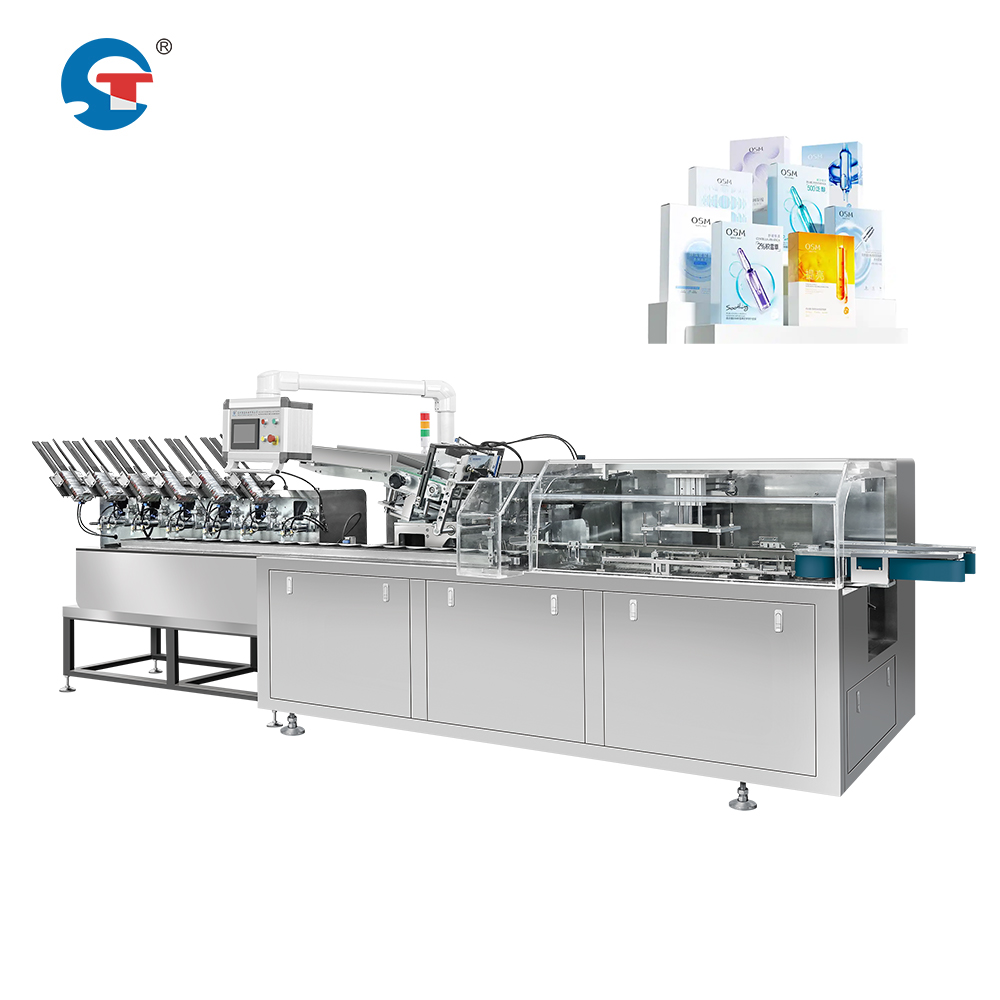
Modern manufacturing demands precision, speed, and zero-tolerance quality standards. When producing face masks at scale, a single defective seal can compromise product integrity, damage brand reputation, and trigger costly recalls. This is where an intelligent mask packing line solution becomes essential. Advanced packaging systems now incorporate automated defect detection and rejection capabilities that inspect every sealed unit in real time, ensuring only perfect products reach consumers. Understanding how these systems work helps manufacturers optimize production efficiency, reduce waste, and maintain consistent quality across high-volume operations.
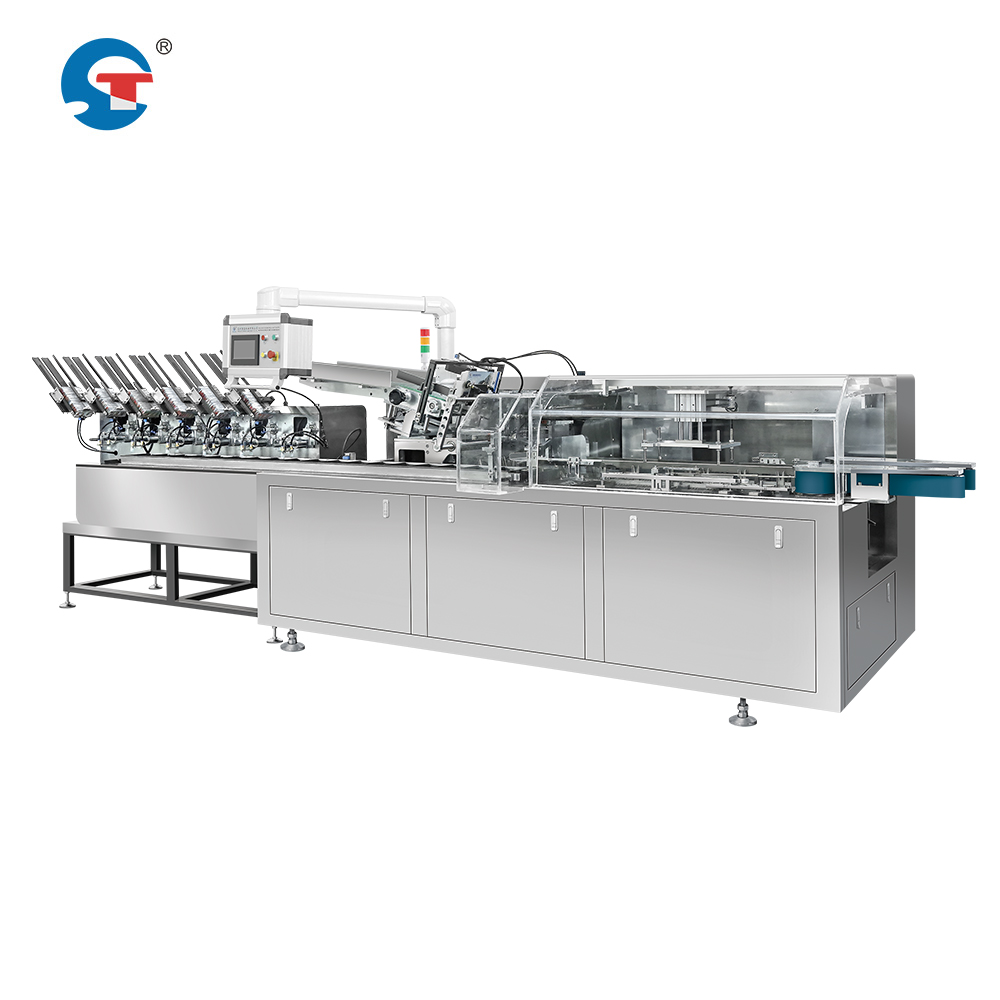
The integration of vision systems, artificial intelligence, and mechanical ejection into a single high-speed face mask wrapping machine represents a significant leap forward in mask production line automation. These systems continuously monitor seal quality, dimensional accuracy, and material integrity during the packaging process. When the system detects any deviation from programmed specifications—whether partial seals, misaligned wrapping, or contamination—pneumatic ejectors immediately remove the defective unit from the production stream. This real-time rejection mechanism operates at speeds matching the production line, sometimes exceeding 100 units per minute, ensuring that defective products never reach the packaging stage.
Real-Time Vision and AI-Powered Defect Detection
How Automated Vision Systems Identify Seal Defects
An intelligent mask packing line solution relies on high-resolution cameras and advanced imaging software to inspect seal quality immediately after the wrapping and sealing operation completes. These cameras capture multiple images from different angles, allowing the system to detect partial seals, incomplete fusion, wrinkle patterns, and edge misalignment that human inspectors might miss at high speeds. The vision system analyzes pixel-level data and compares it against a reference library of acceptable seal profiles established during system setup. When variations exceed tolerance thresholds, the system flags the unit for rejection. This automatic mask packaging equipment approach eliminates human fatigue, inconsistency, and the bottleneck created by manual inspection lanes.
Machine Learning and Adaptive Algorithms
Modern high-speed face mask wrapping machines employ machine learning models trained on thousands of defect images. These algorithms recognize subtle defect patterns that rule-based systems might miss, including micro-cracks, partial heat seals, and inconsistent seal pressure marks. The AI continuously learns from new data collected during production, refining its accuracy over time. This adaptive capability means that mask production line automation systems become more reliable the longer they operate, adjusting detection sensitivity based on material variations, environmental conditions, and equipment wear. Manufacturers can update these algorithms remotely, ensuring their equipment stays current without requiring physical modifications.
Automatic Rejection Mechanism and Production Flow
Pneumatic Ejection and Mechanical Removal
Once a defect is identified, the intelligent mask packing line solution must remove the affected unit instantly without disrupting the production line. High-speed ejection is accomplished through precisely calibrated pneumatic actuators positioned directly after the inspection station. When the vision system sends a rejection signal, compressed air is released in a controlled burst, pushing the defective package onto a separate reject conveyor. The timing of this ejection is critical—it must occur within milliseconds of the unit reaching the ejector position. Modern automatic mask packaging equipment synchronizes ejection timing with conveyor speed using feedback sensors, ensuring accurate removal even during speed variations. Some advanced systems employ multiple ejectors positioned at strategic points, capturing defects that might slip past a single rejection station.
Segregation and Secondary Analysis
Rejected units are automatically directed to a separate collection area where they can be further analyzed, reworked, or documented for root cause analysis. The mask production line automation system typically logs each rejection event with metadata including timestamp, defect type detected, image captures, and production parameters at the moment of failure. This data traceability enables manufacturers to identify systemic issues—such as seal temperature drift, pressure inconsistencies, or material batch problems—that might not be apparent from individual defect events. Some facilities use this reject stream for process optimization studies, correlating defect patterns with machine settings and material properties to continuously refine production parameters.
Integration Benefits and Business Impact
Quality Assurance Without Production Slowdown
Traditional quality assurance approaches often require slowing production for manual inspection or dedicating staff to downstream quality checks, which reduces overall throughput. An intelligent mask packing line solution eliminates this trade-off by performing inspection inline and at machine speed. The automatic mask packaging equipment operates at the same cadence as the primary packaging process, meaning zero production slowdown. Manufacturers achieve both higher inspection coverage and faster overall throughput compared to legacy systems. The result is a dramatic improvement in first-pass yield, where a higher percentage of produced units pass all quality checks without rework, reducing material waste and production costs significantly.
Regulatory Compliance and Traceability
High-speed face mask wrapping machines equipped with automated defect rejection create complete audit trails required by regulatory bodies including FDA and international standards organizations. Every inspection decision is recorded with timestamp, image evidence, and system parameters. When a defect pattern emerges across a production batch, this data enables rapid identification and targeted recalls instead of broad product withdrawals. Mask production line automation that maintains detailed rejection logs also demonstrates due diligence during compliance audits, showing that manufacturers implemented appropriate quality controls. This documentation becomes invaluable if quality disputes or liability questions arise, providing objective machine-collected evidence rather than relying on operator notes.
FAQ
What types of seal defects can an intelligent mask packing line solution detect?
Modern automatic mask packaging equipment detects partial seals where heat fusion is incomplete, wrinkle patterns indicating seal pressure inconsistencies, misaligned edges where packaging material shifts during wrapping, contamination particles embedded in the seal area, and delamination where layers separate prematurely. The vision system can also identify dimensional errors such as packages slightly larger or smaller than specifications. By combining multiple inspection criteria, the mask production line automation system ensures that only packages meeting all quality standards proceed to the final shipping stage.
How does the rejection system maintain accurate timing at high speeds?
The high-speed face mask wrapping machine uses feedback sensors that track conveyor position in real time. When a defect is detected, the system calculates the exact moment the defective unit will reach the ejection point based on current conveyor speed and distance. The pneumatic ejector is triggered with microsecond precision, ensuring the compressed air pulse activates exactly when the defective package is positioned for removal. If conveyor speed fluctuates due to load changes or material variations, the sensor system automatically adjusts ejection timing to maintain accuracy across the entire speed range of the mask packing line solution.
Can rejected units be reworked or must they be discarded?
The approach depends on the defect type and material value. Minor seal defects in some cases can be reworked by returning packages to the sealing station for reprocessing. However, most manufacturers find that units rejected by automatic mask packaging equipment have defects that compromise product integrity beyond safe rework. The intelligent mask packing line solution's rejection data helps determine rework viability—defects caused by temporary machine parameter drift are more likely to be repairable than those caused by material contamination or equipment misalignment. Many facilities process rejected masks through recovery programs or material recycling rather than reworking, ensuring product safety remains the primary consideration.