
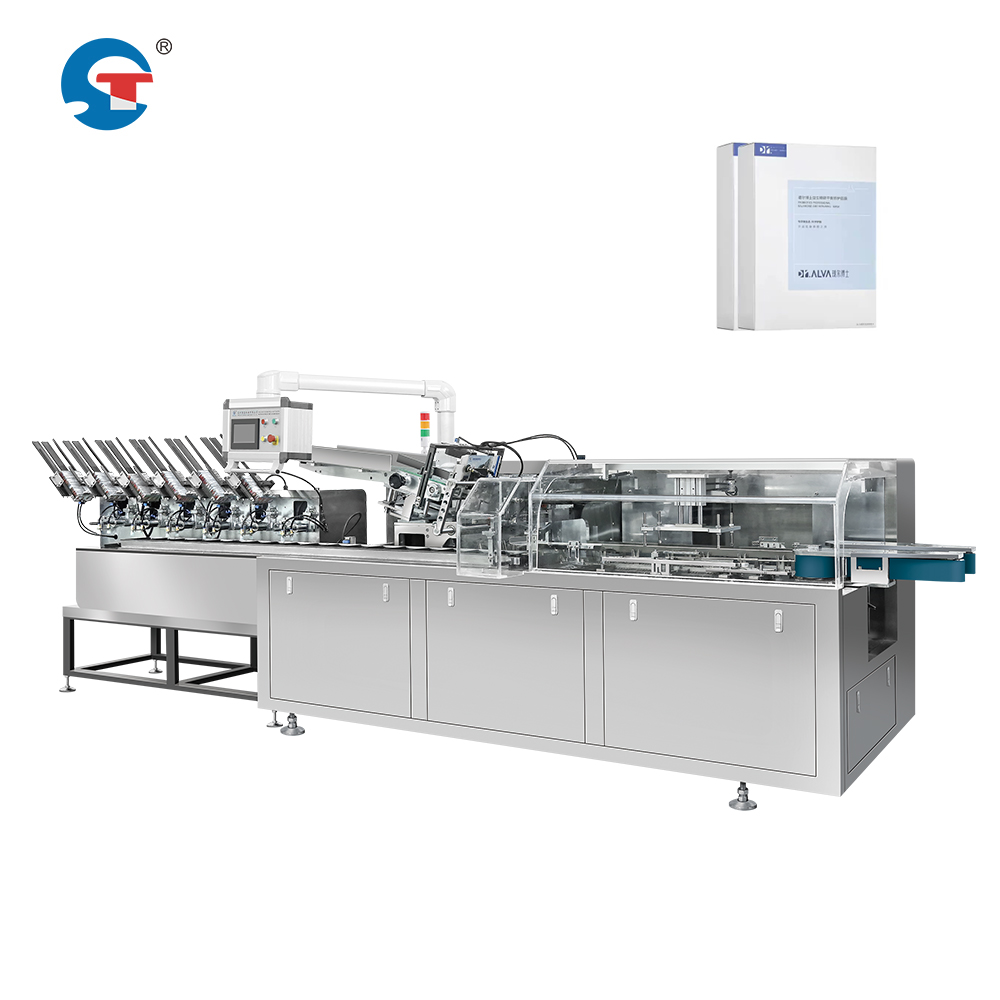
The ability to process multiple mask formats on a single production line represents a critical efficiency gain for manufacturers. Modern mask production line automation systems are engineered to transition seamlessly between flat and folded mask types without requiring extensive equipment reconfiguration or downtime. This adaptability directly impacts production flexibility, cost-effectiveness, and market responsiveness for mask manufacturers of all scales.
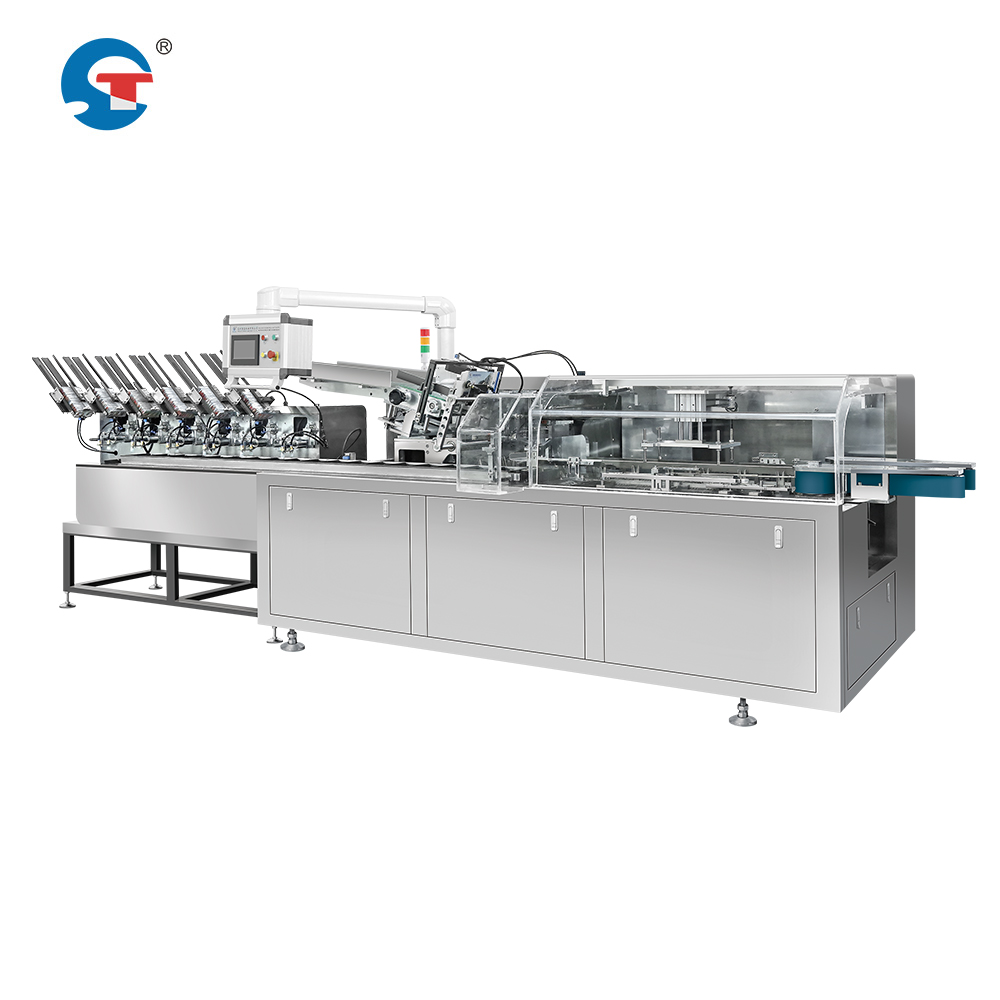
Choosing the right automatic mask packaging equipment requires understanding how high-speed mask wrapping machine systems accommodate different mask geometries and packaging configurations. A mask packing line solution designed with modular engineering principles allows manufacturers to adjust gripper systems, forming stations, and wrapping mechanisms to handle format variations efficiently. This flexibility eliminates the need for separate production lines and maximizes asset utilization across diverse product portfolios.
Format Flexibility in Modern Packaging Systems
Adaptive Gripper and Positioning Technology
High-speed mask wrapping machine technology relies on precision gripper systems that can accommodate different mask thicknesses and shapes. Flat masks require different handling angles and pressure profiles than folded designs, and advanced automatic mask packaging equipment uses intelligent servo-controlled grippers that adjust grip force and positioning based on product geometry. Sensors detect incoming mask type and automatically trigger pre-programmed parameter sets that optimize handling throughout the packing cycle.
The mask production line automation systems available today incorporate quick-change modules that reduce transition time between formats. Rather than complete equipment replacement, operators can swap specialized components—such as forming blocks or folding guides—in minutes rather than hours. This modular approach keeps production costs predictable and allows manufacturers to respond rapidly when customer demand shifts between flat and folded mask specifications.
Wrapping and Sealing Consistency
Maintaining consistent seal quality across different mask types demands sophisticated control systems within the automatic mask packaging equipment. Flat masks present a larger surface area for wrapping material contact, while folded designs require tighter wrapping tension to maintain stability. Modern high-speed mask wrapping machine systems feature adaptive sealing parameters that adjust temperature, pressure, and dwell time automatically based on detected product type, ensuring reliable performance regardless of format.
The mask packing line solution must also manage different packaging material requirements. Flat masks typically need wider wrapping film, while folded variants may require narrower configurations. Intelligent tensioning systems and material feed mechanisms in mask production line automation platforms adjust film width and feed rate dynamically, preventing waste and maintaining the production speed necessary for competitive manufacturing economics.
Production Efficiency and Cost Optimization
Reduced Changeover Downtime
One of the most significant advantages of investing in adaptable automatic mask packaging equipment is the dramatic reduction in line downtime during format changes. Traditional dedicated lines required complete shutdowns, manual component replacement, and extended restart procedures that could consume four to eight hours per changeover. A versatile mask packing line solution with integrated flexibility reduces this to under thirty minutes, directly translating to increased annual throughput and lower per-unit production costs.
The financial impact extends beyond downtime alone. Manufacturers operating multiple dedicated lines for different mask types face substantial capital expenditure, facility space requirements, and maintenance overhead. Consolidating production onto a single high-speed mask wrapping machine platform that handles format variation eliminates redundant infrastructure investments. A mask production line automation system designed for adaptability delivers significantly better return on asset investment over the equipment lifecycle.
Quality Consistency and Compliance
Standardized processing parameters across different production lines often create quality variability that complicates compliance documentation and customer satisfaction. When both flat and folded mask types process through the same automatic mask packaging equipment, centralized control systems ensure consistent seal integrity, material usage, and dimensional accuracy regardless of format. This standardization simplifies quality assurance procedures and strengthens regulatory audit documentation.
The mask packing line solution also reduces operator error variability by automating format-specific adjustments. Manual changeover procedures inherently introduce human inconsistency, whereas intelligent high-speed mask wrapping machine systems apply pre-validated parameter sets precisely. Manufacturers benefit from tighter quality control metrics, fewer customer complaints, and reduced reject rates when format transitions happen automatically through mask production line automation rather than manual intervention.
Market Responsiveness and Strategic Flexibility
Rapid Product Mix Adjustments
Market demand for mask types fluctuates based on seasonal trends, regulatory changes, and customer preferences. Manufacturers equipped with adaptable automatic mask packaging equipment can shift production mix quickly without investing in additional capacity. If market data indicates increased demand for flat masks, a mask packing line solution can accommodate higher volumes of that format while maintaining ability to produce folded masks during off-peak periods. This agility provides competitive advantage in dynamic markets.
The high-speed mask wrapping machine flexibility also enables manufacturers to pursue new customer accounts that specify different mask formats. Without adaptable mask production line automation, manufacturers must either decline orders requiring different specifications or invest heavily in new equipment. An already-installed system capable of format variation becomes a sales advantage, allowing manufacturers to capture additional revenue without proportional capital investment.
Future-Proofing Equipment Investments
Product innovation and evolving customer preferences continuously introduce new mask designs and packaging configurations. A mask packing line solution engineered with adaptability principles provides longer useful equipment life compared to rigid single-format systems. When new mask geometries emerge or customer preferences shift toward different packaging styles, the automatic mask packaging equipment can accommodate these changes through software updates and minor mechanical adjustments rather than complete replacement.
This forward-looking design philosophy protects manufacturers from accelerated equipment obsolescence. Rather than facing replacement decisions every five to seven years when market preferences shift, a versatile high-speed mask wrapping machine system extends competitive utility through its ability to evolve with business requirements. The mask production line automation platform becomes a strategic asset that grows in value as market diversity increases rather than an inflexible investment with diminishing applicability.
FAQ
Can automatic mask packaging equipment handle rapid transitions between flat and folded masks without manual recalibration?
Yes, modern high-speed mask wrapping machine systems with sensor technology and pre-programmed parameter sets can transition between formats automatically. The equipment detects incoming mask type and applies the appropriate processing parameters within seconds, eliminating manual recalibration. A well-designed mask packing line solution completes these transitions during normal production rhythm without additional operator intervention or line stoppages.
What specific adjustments does a mask production line automation system make when switching between mask formats?
An adaptable mask packing line solution adjusts multiple parameters including gripper pressure and positioning, forming block angles, wrapping film width and tension, sealing temperature and dwell time, and product feed speed. The automatic mask packaging equipment may also modify the indexing speed and positioning of the product through different workflow stages. These adjustments occur through servo motors and electronic control systems rather than manual mechanical changes.
Does format adaptability in a mask production line automation system affect production speed or output quality compared to dedicated single-format equipment?
Modern high-speed mask wrapping machine technology maintains comparable production speeds and quality standards regardless of the mask format being processed. Adaptable automatic mask packaging equipment achieves this through precision engineering and intelligent control systems rather than mechanically compromising the system design. Manufacturers gain flexibility without sacrificing the speed or reliability that a dedicated mask packing line solution would deliver for a single format alone.
Table of Contents
- Format Flexibility in Modern Packaging Systems
- Production Efficiency and Cost Optimization
- Market Responsiveness and Strategic Flexibility
-
FAQ
- Can automatic mask packaging equipment handle rapid transitions between flat and folded masks without manual recalibration?
- What specific adjustments does a mask production line automation system make when switching between mask formats?
- Does format adaptability in a mask production line automation system affect production speed or output quality compared to dedicated single-format equipment?