
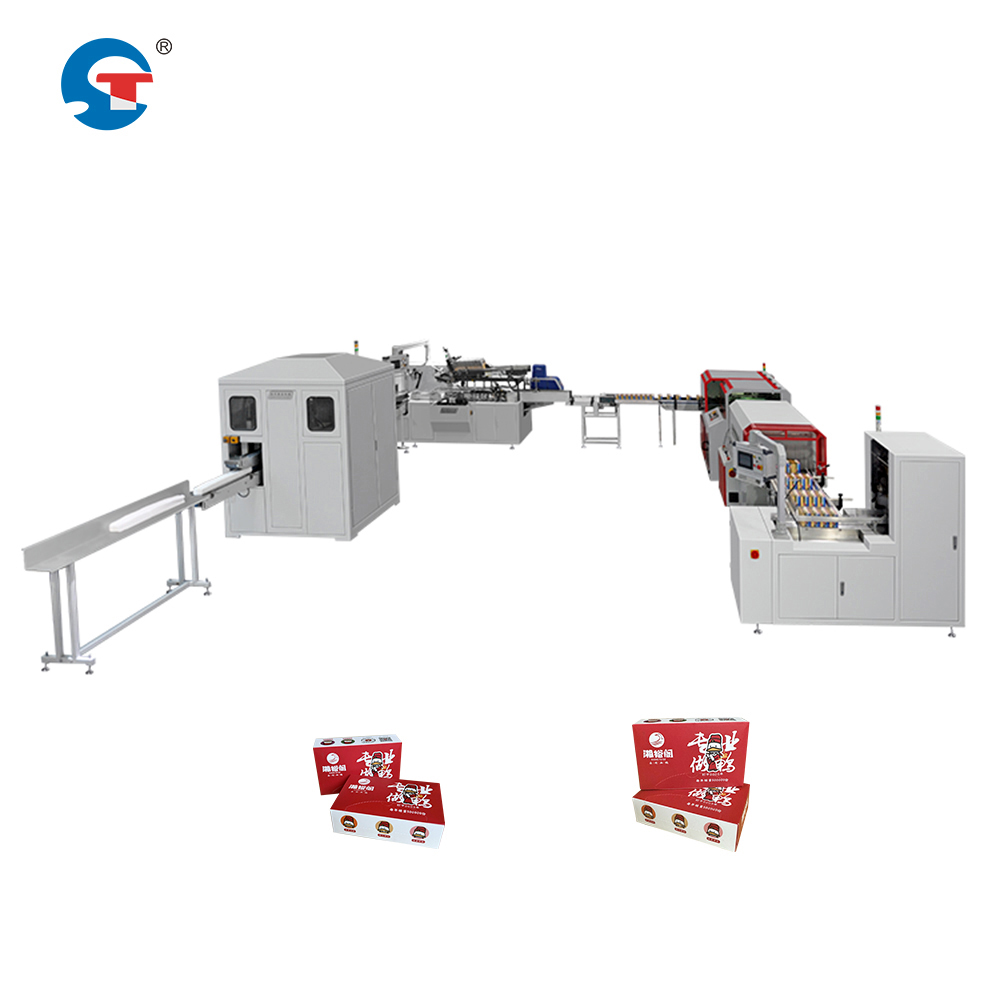
Installing a cartoning machine for production line operations requires meticulous planning and adherence to strict line clearance procedures. These procedures ensure worker safety, prevent equipment damage, and maintain production integrity during the installation phase. Proper line clearance establishes a controlled environment where machinery can be positioned, integrated, and tested without operational hazards or interference from existing production systems.
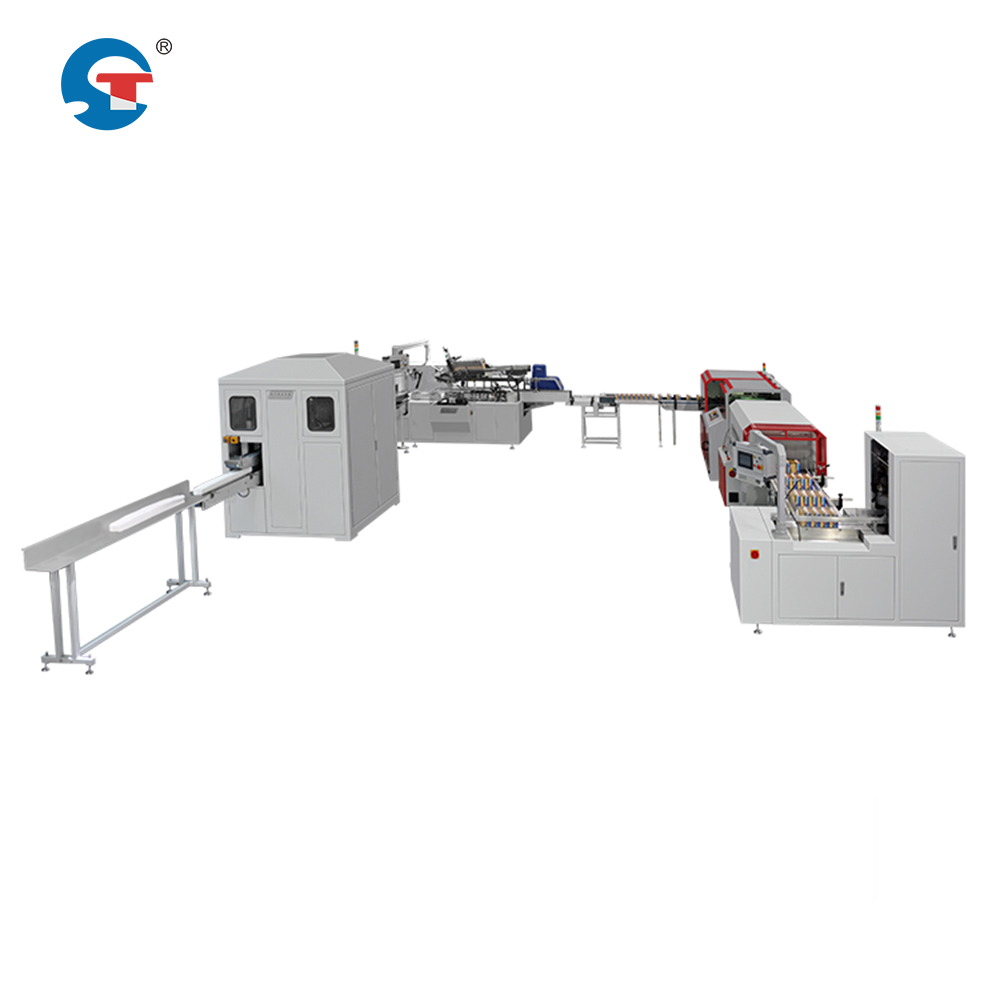
The installation process of automatic case packing equipment demands coordination across multiple departments, including production, maintenance, safety, and facilities teams. Line clearance procedures establish the foundational requirements for safe equipment positioning and integration. Organizations that implement comprehensive clearance protocols reduce installation delays, minimize safety incidents, and accelerate the transition to full operational deployment.
Establishing Safety Zones and Work Boundaries
Defining Physical Clearance Areas
Before installing high-speed packaging line integration components, facilities must establish clearly defined safety zones around the installation area. Physical clearance includes removing obstacles, securing adjacent equipment, and creating buffer space for installation activities. Maintenance personnel need adequate working room to position machinery components, align carton erecting and sealing machinery subsystems, and conduct initial calibration without encroachment from surrounding production equipment or personnel.
Facility layouts must account for equipment footprints, material flow paths, and technician access routes. The clearance zone should extend beyond the immediate equipment perimeter to accommodate tool placement, spare parts staging, and emergency egress pathways. Documentation of these boundaries prevents unauthorized entry during installation and communicates expectations to all personnel involved in the project.
Production Line Isolation Protocols
Automatic case packing equipment integration requires complete isolation of adjacent production lines to prevent operational conflicts. Lock-out and tag-out procedures must be implemented on neighboring systems that could create mechanical interference or safety hazards. This isolation protocol protects both the installation team and ongoing production operations by preventing accidental equipment activation or product flow disruption.
Clear signage, barricades, and access control measures enforce the isolation zone throughout the installation period. Personnel must understand which lines are inactive and why, reducing the risk of unexpected machinery operation. Communication protocols ensure that all shifts receive updated information about active work zones and installation progress.
Pre-Installation Equipment Preparation and Staging
Material and Component Organization
Successful installation of carton erecting and sealing machinery requires organized staging of all components and materials before work begins. Line clearance procedures mandate that spare parts, fasteners, electrical components, and structural elements are inventoried and positioned within the work zone. This staging approach reduces installation time and prevents disruption to the clearance area through multiple material deliveries.
Storage areas must accommodate components without blocking emergency pathways or creating fire hazards. Temperature and humidity controls may apply to sensitive electronic components used in high-speed packaging line integration systems. Clear labeling and systematic organization enable technicians to quickly locate parts during installation phases, maintaining workflow efficiency and minimizing extended line clearance periods.
Infrastructure Readiness Verification
Utilities including electrical power, pneumatic lines, water connections, and data networks must be verified before equipment installation begins. The automatic case packing equipment requires specific power specifications, compressed air quality standards, and network connectivity for operational control. Line clearance procedures include inspection of utility infrastructure, identification of upgrade requirements, and scheduling of utility work within the installation timeline.
Facility teams must confirm that utility capacity supports the new cartoning machine for production line without exceeding existing system limits. Temporary power distribution, air compression, and network access points may need installation before the carton erecting and sealing machinery arrives. This preparation prevents installation delays and ensures equipment can be commissioned efficiently once physical positioning is complete.
Operational Handoff and System Commissioning
Safety Testing and Validation Steps
Line clearance procedures culminate in comprehensive safety testing before the high-speed packaging line integration system resumes normal production operations. Test sequences verify that all carton erecting and sealing machinery components function correctly, safety interlocks engage properly, and emergency stop systems respond immediately. This validation confirms that the automatic case packing equipment meets safety standards and operational specifications established during design phases.
Technicians conduct dry-run operations without product to confirm mechanical timing, electrical responsiveness, and mechanical integration with adjacent equipment. These safety tests identify configuration issues or component compatibility problems before introducing product material through the system. Documentation of all test results provides compliance records and establishes baseline performance metrics for the cartoning machine for production line.
Training and Operational Transfer
Production personnel require comprehensive training on the installed carton erecting and sealing machinery before line clearance is lifted and full operations resume. Operators must understand normal operating procedures, recognize warning indicators, and execute emergency protocols specific to the new equipment. Training directly correlates to safe equipment operation and prevention of damage during the initial production phase when personnel are unfamiliar with the system.
Documentation transfer to production teams includes equipment manuals, maintenance schedules, spare parts lists, and troubleshooting guides relevant to the high-speed packaging line integration system. Maintenance technicians receive detailed training on preventive maintenance intervals, component replacement procedures, and diagnostic techniques. Clear communication during this handoff ensures that automatic case packing equipment operates safely and reliably within the established production environment.
FAQ
What are the primary safety concerns during cartoning machine installation?
The primary safety concerns during high-speed packaging line integration include personnel exposure to machinery during positioning and testing, electrical hazards from temporary and permanent power connections, and pinch points created by mechanical components. Comprehensive line clearance procedures address each concern through isolation protocols, electrical safety verification, and physical guarding of hazardous areas. Proper implementation of these procedures prevents injuries and ensures compliance with occupational safety regulations.
How long does typical line clearance take for automatic case packing equipment installation?
The timeline for line clearance depends on facility layout complexity, existing equipment integration requirements, and utility infrastructure modifications needed for the carton erecting and sealing machinery. Simple installations may require 24 to 48 hours of clearance procedures, while complex integrations involving significant production line restructuring may extend to 5 to 7 days. Advance planning and coordination between installation teams and facility operations accelerates the clearance process and minimizes production downtime.
What documentation is required after line clearance procedures are completed?
Completion documentation includes safety inspection sign-offs, utility verification records, equipment testing results, personnel training logs, and operational handoff certifications for the automatic case packing equipment. These records demonstrate that the cartoning machine for production line meets safety standards and is ready for production operations. Documentation also establishes maintenance baseline records and provides reference material for future troubleshooting and equipment modifications within the high-speed packaging line integration framework.