
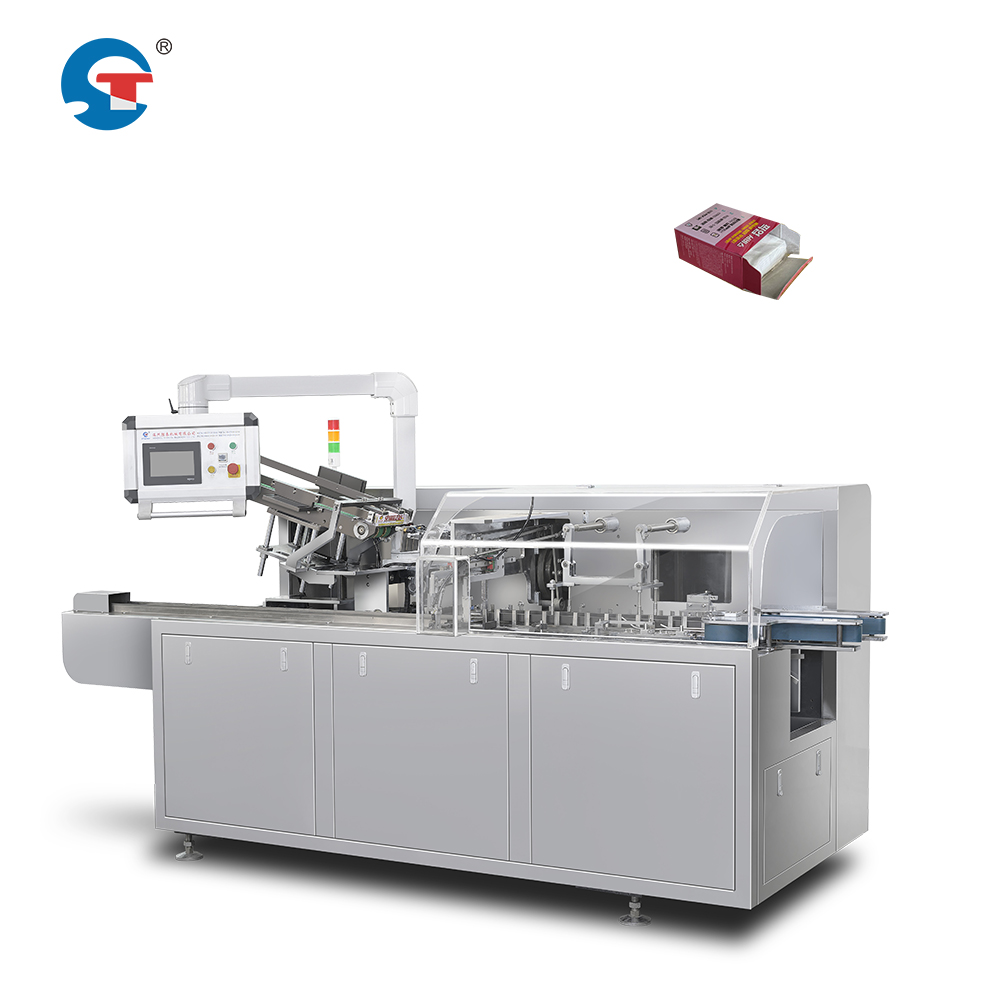
Selecting the right daily chemical packaging machine is one of the most critical decisions a manufacturer can make. Whether you produce shampoos, lotions, detergents, or other personal care products, your packaging equipment directly impacts production efficiency, product quality, regulatory compliance, and profitability. Many buyers enter this market without fully understanding the technical specifications, automation capabilities, or long-term cost implications that distinguish high-performing systems from mediocre ones.
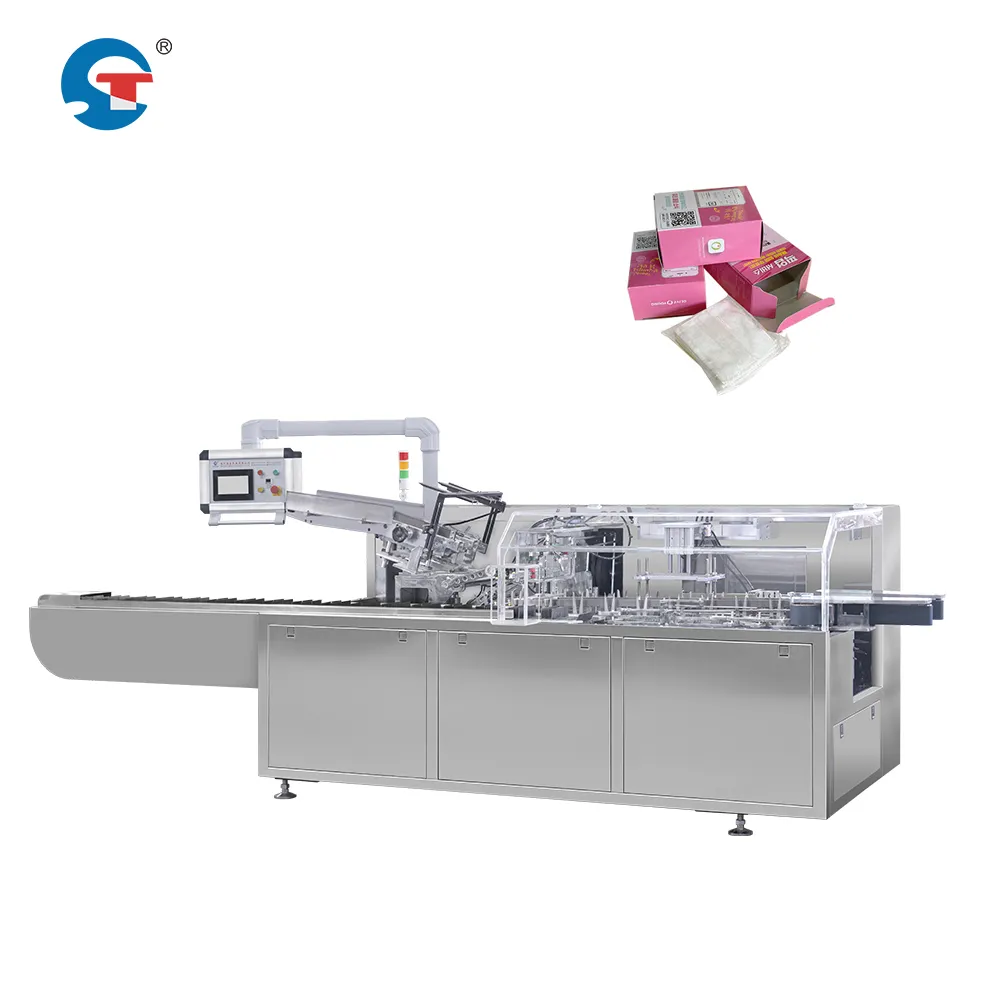
Before making an investment in cosmetic filling and sealing equipment or liquid detergent packaging automation systems, you need clarity on how these machines function, what production volumes they support, and which features genuinely matter for your business. This guide walks you through the essential factors that distinguish quality personal care product bottling systems from inferior alternatives, helping you avoid costly mistakes and make decisions aligned with your operational goals.
Understanding Machine Capacity and Production Volume Requirements
Matching Equipment Scale to Demand
Your first critical consideration is production capacity. A daily chemical packaging machine must align with your current output needs and anticipated growth over the next three to five years. Undersizing means bottlenecks and lost revenue; oversizing wastes capital on unused capacity. Most manufacturers evaluate three dimensions: bottles per minute, shift cycle flexibility, and multi-format compatibility. Cosmetic filling and sealing equipment ranges from semi-automatic models handling 30 bottles per minute to fully automated systems exceeding 200 units hourly, depending on your bottle size, viscosity, and closure type.
Throughput Planning and Scalability
Liquid detergent packaging automation systems must handle variable viscosities and container geometries across your product line. Before purchase, calculate your peak monthly demand, then add 20 to 30 percent as headroom for demand spikes or equipment maintenance downtime. Ask vendors for detailed technical sheets on bottle changeover time, line reconfiguration speed, and whether your machine supports quick-change modules. Personal care product bottling systems that require full rebuilds between formulations waste time and money; seek machines with standardized quick-release components that simplify product transitions.
Evaluating Automation Level and Technology Integration
Automation Tier Selection
The daily chemical packaging machine market offers three primary automation tiers. Semi-automatic models require operator intervention for positioning, capping, and labeling but cost less upfront. Fully automatic systems handle filling, capping, labeling, and case packing with minimal human touch, delivering higher throughput and consistency. Hybrid systems sit between these extremes, offering partial automation where you control investment scope. Cosmetic filling and sealing equipment increasingly includes servo-driven dosing, which provides precise volume control for costly formulations like serums or foundations, reducing product waste by up to 10 percent per cycle.
Control Systems and Data Integration
Modern liquid detergent packaging automation systems integrate with Manufacturing Execution Systems (MES) and enterprise resource planning (ERP) platforms. Look for machines offering real-time production dashboards, predictive maintenance alerts, and batch traceability records. Personal care product bottling systems with integrated vision inspection catch defects before they reach customers, protecting brand reputation and reducing returns. Verify that your prospective equipment connects via Ethernet, USB, or industrial IoT protocols compatible with your existing infrastructure. Some vendors charge subscription fees for remote monitoring; confirm these costs upfront to avoid budget surprises.
Assessing Regulatory Compliance and Sanitary Design
Hygiene Standards and Material Compatibility
Daily chemical packaging machine equipment must meet FDA, EU GMP, and local regulatory standards for product contact surfaces. Stainless steel construction, washdown-rated motors, and sealed bearing housings prevent contamination and extend service life. Your cosmetic filling and sealing equipment should feature tool-free disassembly for sanitization between product runs, especially when handling multiple fragrances or sensitive formulations that risk cross-contamination. Inspect gasket materials to ensure compatibility with your specific formulations; silicone gaskets work well for many detergents, but aggressive solvents or essential oils may require fluorocarbon alternatives.
Documentation and Audit Trail Capabilities
Liquid detergent packaging automation systems in regulated industries must generate comprehensive audit trails for batch records, machine parameters, and calibration history. Ensure your personal care product bottling systems include automated data logging for fill weights, seal temperatures, and cycle times. Many regulators now require digital signatures and secure backup systems; confirm your equipment supports these features without requiring expensive software upgrades. Vendors should provide full documentation of design, testing, and validation protocols to support your regulatory submissions and third-party audits.
Calculating Total Cost of Ownership and Return on Investment
Capital, Operating, and Maintenance Expenses
Purchase price tells only part of the financial story for a daily chemical packaging machine. True Total Cost of Ownership includes spare parts availability, labor for operation and maintenance, utility consumption, and downtime risk. A cosmetic filling and sealing equipment system may cost 15 to 25 percent more initially but consume 30 percent less energy and require half the scheduled maintenance of cheaper alternatives. Liquid detergent packaging automation systems from established vendors typically offer faster spare parts delivery, reducing emergency downtime costs. Request detailed service agreements, including response times, preventive maintenance schedules, and spare parts pricing before commitment.
Payback Period and Operational Metrics
Calculate your expected return on investment by comparing labor savings, reduced scrap rates, and production speed gains against total equipment cost. Personal care product bottling systems that reduce fill variance by 2 to 3 percent can save thousands monthly on product giveaway. Build a sensitivity analysis showing payback under conservative, moderate, and optimistic scenarios. Most well-chosen packaging systems repay their capital cost within 2 to 4 years; if your analysis extends beyond 5 years, reconsider whether the equipment truly suits your business model. Negotiate extended payment terms or lease options if upfront capital constraints exist.
FAQ
What is the typical lifespan of daily chemical packaging machine equipment?
Quality daily chemical packaging machine equipment lasts 10 to 15 years with proper maintenance and periodic component upgrades. Cosmetic filling and sealing equipment from reputable manufacturers often receives spare parts support for 12 to 20 years after purchase. Planned replacement cycles align with technology advancement and your production volume growth. Regular preventive maintenance, including bearing lubrication, seal replacement, and calibration checks every 6 to 12 months, extends service life significantly.
How do I know if my facility can accommodate liquid detergent packaging automation systems?
Most liquid detergent packaging automation systems require 200 to 400 square feet of floor space, 20 to 30 kW of three-phase power, and compressed air supply at 6 to 8 bar. Personal care product bottling systems need utility access points, drainage for washdown operations, and compliance with local electrical codes. Request detailed equipment footprint drawings and utility specifications from vendors before site assessment. Consider future expansion and maintenance access when planning layout; insufficient spacing increases repair times and injury risk.
What support and training does a vendor typically provide with equipment purchase?
Reputable vendors include on-site installation, operator training, and technical documentation with daily chemical packaging machine purchase. Cosmetic filling and sealing equipment vendors often provide 3 to 5 days of on-site training for machine operation, basic troubleshooting, and preventive maintenance. Extended training programs covering advanced diagnostics and spare parts replacement typically cost additional fees. Request clear written agreements specifying training scope, duration, language availability, and follow-up support options before signing purchase contracts.