
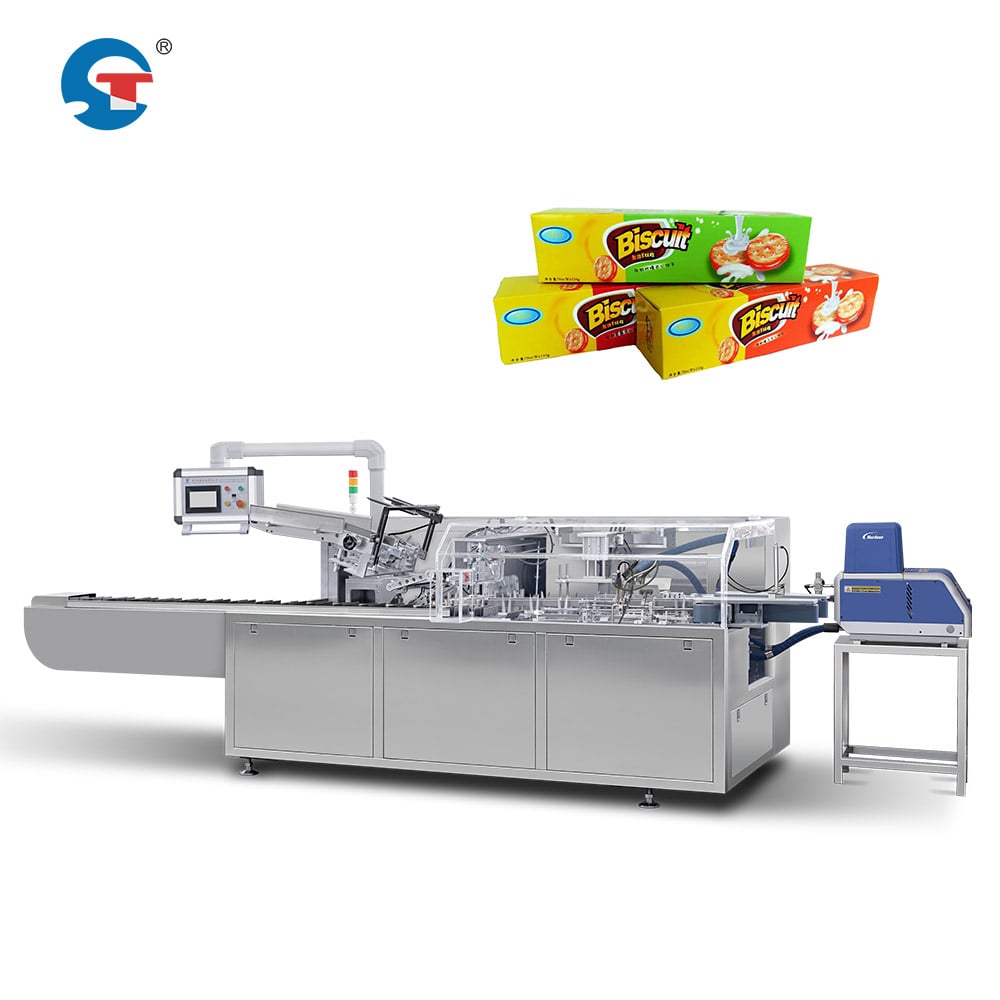
Selecting the right chips packing machine is one of the most critical operational decisions a food production company can make. The equipment you choose directly impacts production speed, product quality, packaging consistency, and overall profitability. With numerous manufacturers offering different technologies and capabilities, companies must carefully evaluate multiple factors before committing to a system that will represent a substantial capital investment and shape their production workflow for years to come.
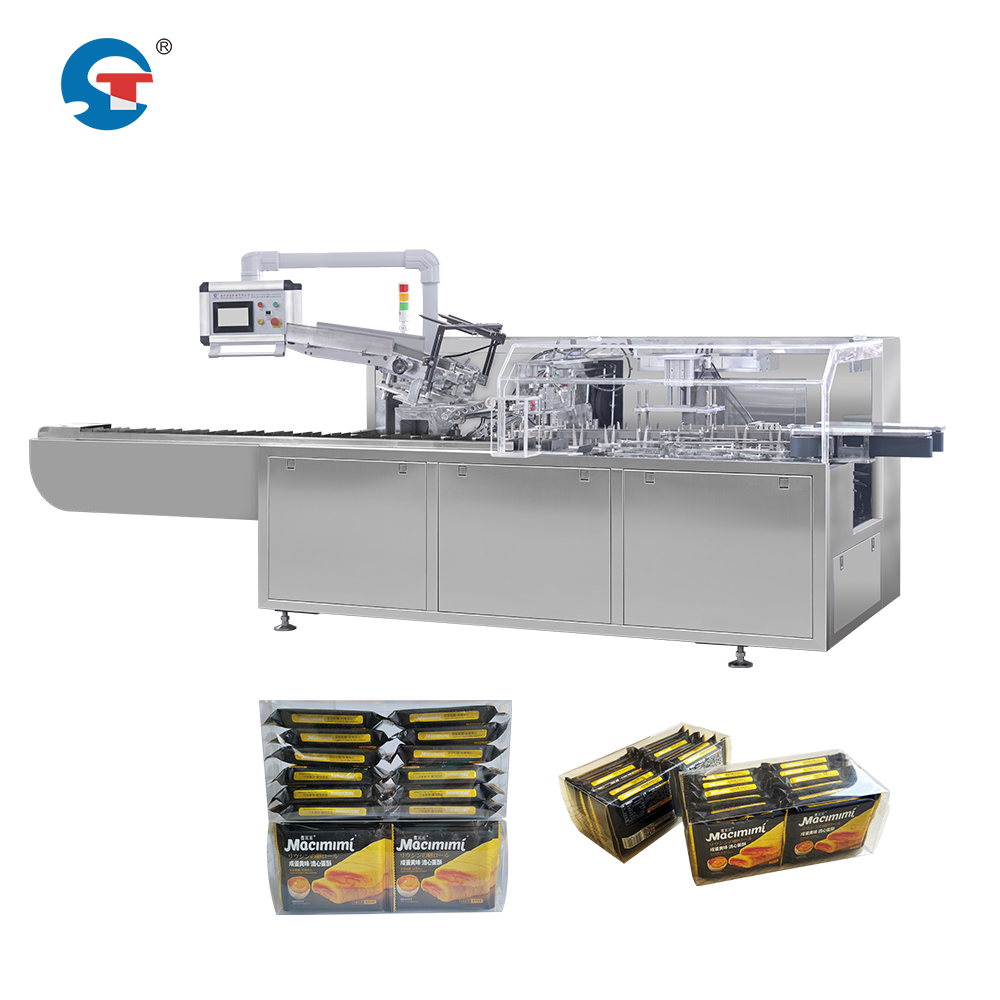
The snack packaging industry has evolved significantly, with automatic snack packaging equipment now offering unprecedented control over portion accuracy, seal integrity, and throughput rates. Understanding what to evaluate helps production managers and procurement teams make informed decisions that align with business goals, regulatory requirements, and long-term manufacturing strategy. This guide walks through the essential evaluation criteria that separate high-performing systems from mediocre investments.
Production Capacity and Throughput Requirements
Matching Machine Speed to Your Output Needs
Production capacity is the foundation of any chips packing machine evaluation. Your facility must produce enough volume to justify the equipment investment, but the machine must also handle peak demand without becoming a bottleneck. Modern automatic snack packaging equipment ranges from 30 to over 300 packs per minute, depending on technology and product type. Assess your current production volume, projected growth over the next three to five years, and seasonal demand fluctuations. A machine running at 85 percent capacity is ideal, as it provides headroom for demand spikes while maintaining reliability and product consistency.
Flexibility Across Product Lines
Many food companies produce multiple snack varieties, bag sizes, or packaging formats. Evaluate whether the vertical form fill seal machine can accommodate changeovers efficiently without extensive downtime. Quick-change components, adjustable forming tubes, and programmable control systems reduce setup time between production runs. Some modern systems achieve changeovers in under 15 minutes, while older or less flexible equipment may require an hour or more. This flexibility directly affects scheduling efficiency and overall equipment effectiveness in multi-product environments.
Precision, Accuracy, and Quality Control Integration
Weight Consistency and Portion Control
Accurate portioning is critical for customer satisfaction, regulatory compliance, and cost control. A multi-head weigher for food packaging ensures consistent bag weights and reduces giveaway, protecting margins on every unit produced. Modern weighers integrate with your chips packing machine to achieve accuracy within ±1 gram on snack products. Evaluate the weigher's response time, rejection rate for underweight packs, and integration with your quality management system. Higher accuracy equipment typically costs more upfront but delivers substantial savings through reduced waste and rework over the machine's operational life.
Seal Quality and Package Integrity
Package integrity directly impacts shelf life and customer experience. The vertical form fill seal machine creates seals through heat, pressure, or ultrasonic methods, depending on film type and product requirements. Inspect demonstration runs to evaluate seal uniformity, resistance to opening, and visual defect rate. Request documentation on seal strength testing and film compatibility. A robust sealing system reduces leakage complaints, product returns, and potential regulatory issues while maintaining brand reputation in retail environments.
Technical Specifications, Maintenance, and Total Cost of Ownership
Material Compatibility and Film Options
Not all automatic snack packaging equipment handles every film type equally. Evaluate compatibility with your current and potential future packaging materials, including polyethylene, polypropylene, laminated films, and specialty materials. Some machines excel with rigid films while others perform better with flexible materials. Verify that the chips packing machine's forming tools, cutting mechanisms, and sealing systems are optimized for your chosen materials. Incompatibility may force you into suboptimal film choices or require expensive retrofits later.
Maintenance Requirements and Service Support
Downtime is expensive. Evaluate the vertical form fill seal machine's maintenance schedule, spare parts availability, and manufacturer support infrastructure. Machines requiring frequent lubrication, component replacement, or calibration adjustments will accumulate hidden ownership costs. Verify that replacement components are readily available through established supply channels and priced competitively. Strong after-sales service, including responsive technical support and preventive maintenance training, significantly extends equipment lifespan and minimizes unplanned production interruptions that damage schedules and customer delivery commitments.
Regulatory Compliance and Safety Standards
Food Safety and Hygiene Design
Food packaging equipment must meet strict hygiene and food contact regulations. The multi-head weigher for food packaging and associated machinery must have smooth surfaces, accessible cleaning areas, and materials that prevent contamination. Verify compliance with FDA, FSMA, and relevant international food safety standards for your target markets. Equipment designed for easy disassembly and sanitation reduces microbial contamination risk and simplifies compliance verification during audits.
Electrical Safety and Industry Standards
Confirm that the chips packing machine meets CE marking requirements, UL certification, and applicable machinery directives. Evaluate guard design, emergency stop mechanisms, and electrical system failsafes. Comprehensive safety documentation and operator training materials should accompany the equipment. Proper electrical grounding, enclosure ratings, and sensor reliability protect personnel and prevent costly safety incidents that compromise operations and create liability exposure.
FAQ
What production volume justifies investing in a chips packing machine?
Most companies justify automatic snack packaging equipment investment with production volumes exceeding 50,000 units monthly. Below that threshold, manual or semi-automatic packaging may offer better economics. Calculate total cost of ownership including capital expense, operating costs, labor replacement, and quality improvements over five years. If the payback period exceeds four years, reassess whether the vertical form fill seal machine aligns with your financial objectives or if gradual capacity scaling makes more sense.
How long does a vertical form fill seal machine typically last before major upgrades become necessary?
Well-maintained automatic snack packaging equipment typically operates reliably for 8 to 12 years. After this period, components like motors, pneumatic systems, and control electronics may require replacement or the machine may become obsolete relative to newer technology. Budget for significant refurbishment around year 8 or plan replacement if throughput needs or packaging requirements evolve substantially. Regular preventive maintenance extends useful life and protects your investment.
Should we prioritize a multi-head weigher for food packaging integration or purchase it separately?
Integrated systems are preferable if the chips packing machine manufacturer offers native compatibility. Integrated weight data flows directly to quality management systems and production controls, reducing integration complexity and support burden. If the manufacturer's weigher option is significantly more expensive or lacks features you need, purchasing a compatible third-party multi-head weigher may offer better value. Verify communication protocols and integration testing before committing to separate equipment to avoid compatibility headaches.