
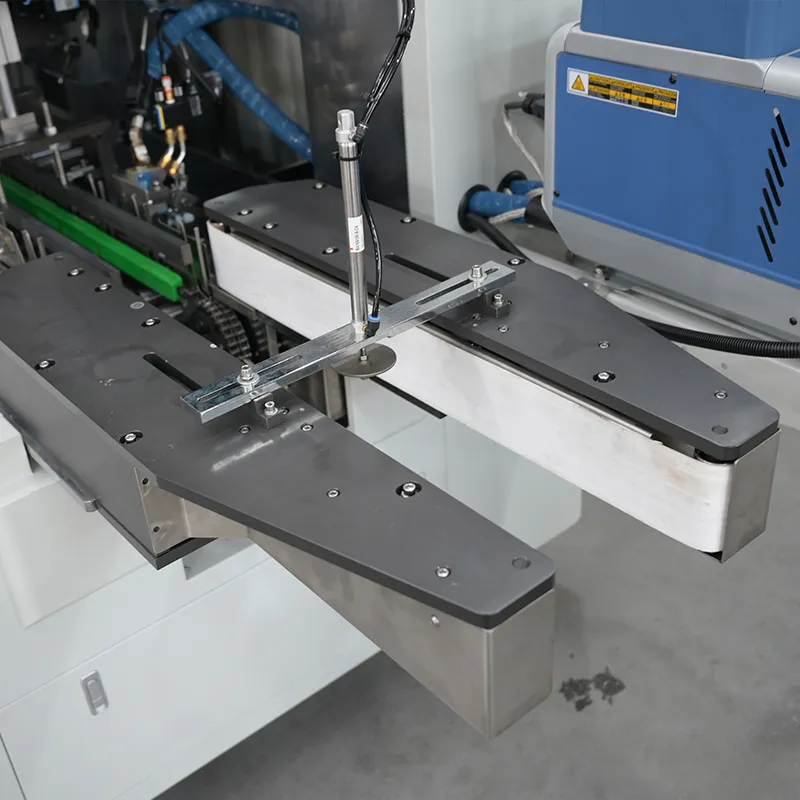
Factory automation remains one of the most critical competitive advantages in the confectionery industry. A peanut candy packing machine represents a transformative investment for manufacturers seeking to streamline production workflows, reduce manual labor dependencies, and achieve consistent packaging quality at scale. Understanding where and how this equipment elevates automation levels is essential for production managers and facility directors aiming to modernize their operations without unnecessary capital waste.
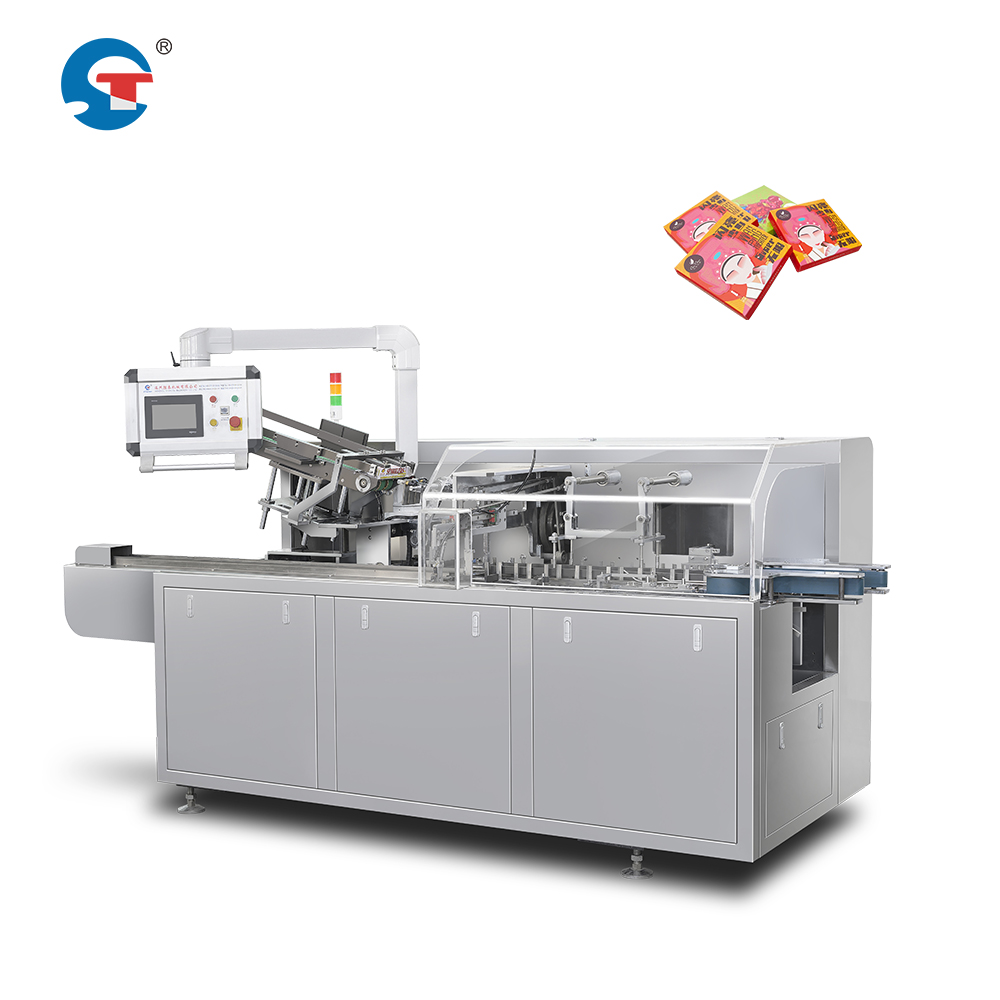
The transition from manual packing to automated solutions fundamentally changes production capacity, labor allocation, and operational consistency. By deploying automatic candy wrapping equipment specifically engineered for peanut-based confections, factories can achieve faster cycle times, reduce product damage during transit, and eliminate human error that typically plagues manual wrapping processes. This shift enables facilities to redirect skilled workers toward quality control, maintenance, and strategic production decisions rather than repetitive packing tasks.
Production Efficiency and Output Scaling
Throughput Acceleration with Automated Systems
Manual packing operations typically limit output to 30–50 units per minute, depending on product size and wrapper complexity. In contrast, a high-speed confectionery sealing machine can process 150–400 units per minute, representing a 3–8x productivity multiplier. This throughput acceleration directly translates to meeting larger customer orders, capturing seasonal demand spikes, and reducing backlog situations without proportional increases in staffing costs.
Peanut brittle packaging solutions designed with servo-driven timing systems and precision positioning ensure that every wrapper seal meets uniform quality standards. The machine maintains consistent tension, temperature control, and seal integrity across thousands of cycles without operator intervention or performance degradation. For facilities producing mixed product lines, quick-change tooling on modern peanut candy packing machines allows operators to switch between different candy sizes and wrapper styles in under 15 minutes, enabling flexible batch scheduling and minimal downtime between production runs.
Energy Consumption and Operational Cost Reduction
While automated equipment requires upfront capital investment and electrical power, the per-unit cost advantage emerges within 6–18 months of operation. Automatic candy wrapping equipment operates on predictable energy profiles, typically consuming 5–12 kilowatts during production cycles. Labor cost savings alone—by eliminating 2–4 full-time packing positions—often offset equipment amortization within a reasonable payback period, particularly in regions with rising wage pressures.
High-speed confectionery sealing machines also reduce material waste through improved wrapper tension control and reduced product damage. Defective seals that leak or tear during shipping represent hidden costs that compound across large production volumes. Precision automation cuts reject rates from 3–5% (typical manual rates) to under 0.5%, directly protecting margin and reducing rework labor.
Quality, Consistency, and Compliance Enhancement
Uniform Packaging Standards and Brand Protection
Consumer perception of candy products depends heavily on visible packaging quality. A peanut candy packing machine with vision-guided quality verification ensures every package exits the production line meeting specifications for seal strength, wrapper orientation, label placement, and visual appeal. This consistency reinforces brand trust and reduces customer complaints related to damaged or poorly sealed products upon receipt.
Peanut brittle packaging solutions equipped with barcode integration and traceability systems enable real-time tracking of production batches, expiration dating accuracy, and lot recall capabilities if quality issues emerge. Modern automatic candy wrapping equipment logs timestamp, temperature, seal pressure, and operator ID for every cycle, creating an auditable record that supports regulatory compliance in markets requiring detailed packaging documentation.
Regulatory and Safety Compliance
Food safety regulations in North America, Europe, and Asia increasingly demand documented packaging integrity and contamination-prevention measures. A high-speed confectionery sealing machine designed with stainless steel construction, sealed electrical compartments, and washdown-rated surfaces meets stringent sanitation requirements. Automatic systems eliminate direct hand contact with products and wrappers, reducing microbial contamination risks associated with manual handling and operator fatigue-related lapses in hygiene protocols.
Labor Flexibility and Workforce Transformation
Strategic Workforce Reallocation and Skill Development
Introducing a peanut candy packing machine does not eliminate jobs; rather, it redeploys human effort toward higher-value activities. Operators transition from repetitive packing to machine oversight, quality inspection, changeover management, and preventive maintenance. This reallocation increases employee engagement, reduces repetitive strain injuries, and creates pathways for career advancement within manufacturing roles that command higher skill premiums and retention stability.
Facilities implementing automatic candy wrapping equipment report improved staff morale because workers escape monotonous hand-packing tasks. Cross-training operators to handle equipment diagnostics, minor repairs, and production scheduling creates deeper factory-floor knowledge and fosters collaborative problem-solving cultures that drive continuous improvement initiatives beyond the packing line.
Scalability Without Proportional Headcount Growth
As market demand grows, factories equipped with a high-speed confectionery sealing machine can expand output by running additional shifts with minimal staffing additions. One operator can oversee multiple automated lines or manage production across several candy packaging stations simultaneously. This scalability advantage is particularly valuable during peak seasons or when responding to large customer opportunities without maintaining permanent payroll capacity that becomes underutilized during slow periods.
Integration and Implementation Considerations
Facility Readiness and Technical Infrastructure
Successful deployment of peanut brittle packaging solutions requires adequate electrical supply, compressed air capacity, and production floor space. Modern machines operate on three-phase power and require 80–120 PSI compressed air; existing infrastructure must be assessed before purchase. Additionally, integration points with upstream candy forming lines, downstream case packing, and quality control systems should be mapped during the design phase to avoid bottlenecks that negate automation benefits.
Training, Support, and Vendor Partnership
Equipment suppliers should provide comprehensive operator training, maintenance protocols, and responsive technical support. A peanut candy packing machine represents a permanent production asset; therefore, vendor reliability, spare parts availability, and performance guarantees should be evaluated alongside initial pricing. Long-term partnerships with equipment providers ensure that troubleshooting guidance, software updates, and replacement components remain accessible throughout the machine's operational life.
FAQ
How much can a peanut candy packing machine increase production speed?
A peanut candy packing machine typically increases throughput from 30–50 manual units per minute to 150–400 automated units per minute, depending on product specifications and wrapper complexity. This 3–8x acceleration translates directly to higher daily output volumes and shorter fulfillment lead times for customer orders.
What is the typical return on investment period for automatic candy wrapping equipment?
Most facilities achieve full return on investment within 6–18 months, driven primarily by labor cost savings, reduced material waste, and increased output per shift. Payback timing depends on baseline labor costs, production volume, and equipment pricing. Detailed cost-benefit analysis during the decision phase provides accurate projections specific to your facility's operating model.
Does a high-speed confectionery sealing machine require specialized maintenance skills?
While a high-speed confectionery sealing machine operates reliably with proper use, basic preventive maintenance—such as cleaning sealing heads, inspecting rollers, and monitoring air pressure—should be performed by trained operators. Manufacturers typically provide training and documentation to enable in-house maintenance. Vendors offer extended service contracts for major repairs or predictive maintenance support if facility expertise is limited.