
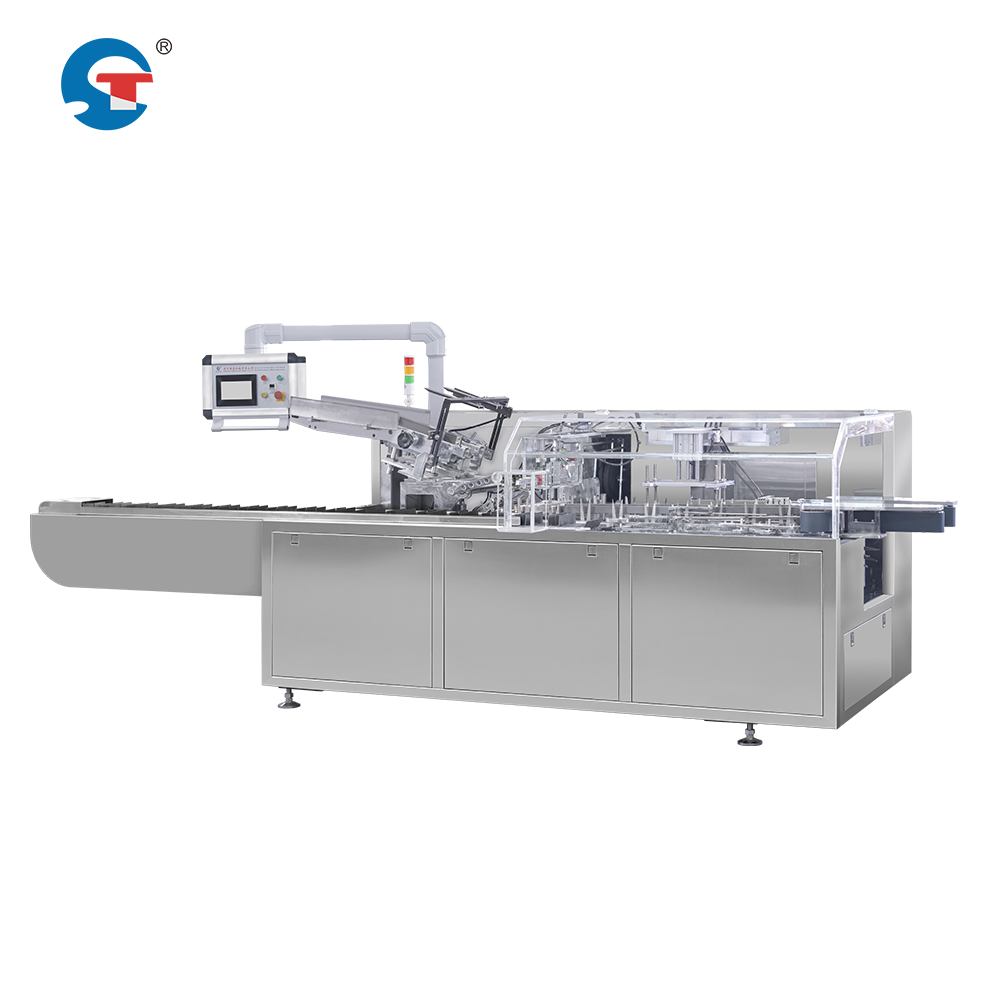
Candy manufacturers face increasing pressure to scale production while maintaining product quality and cost efficiency. The decision to invest in a peanut candy packing machine represents a strategic move that directly addresses these challenges. As consumer demand for peanut-based confectionery continues to rise globally, companies are recognizing that specialized packaging equipment is essential to competitive expansion. These machines enable manufacturers to automate labor-intensive processes, reduce material waste, and accelerate production throughput without sacrificing the product integrity that customers expect.
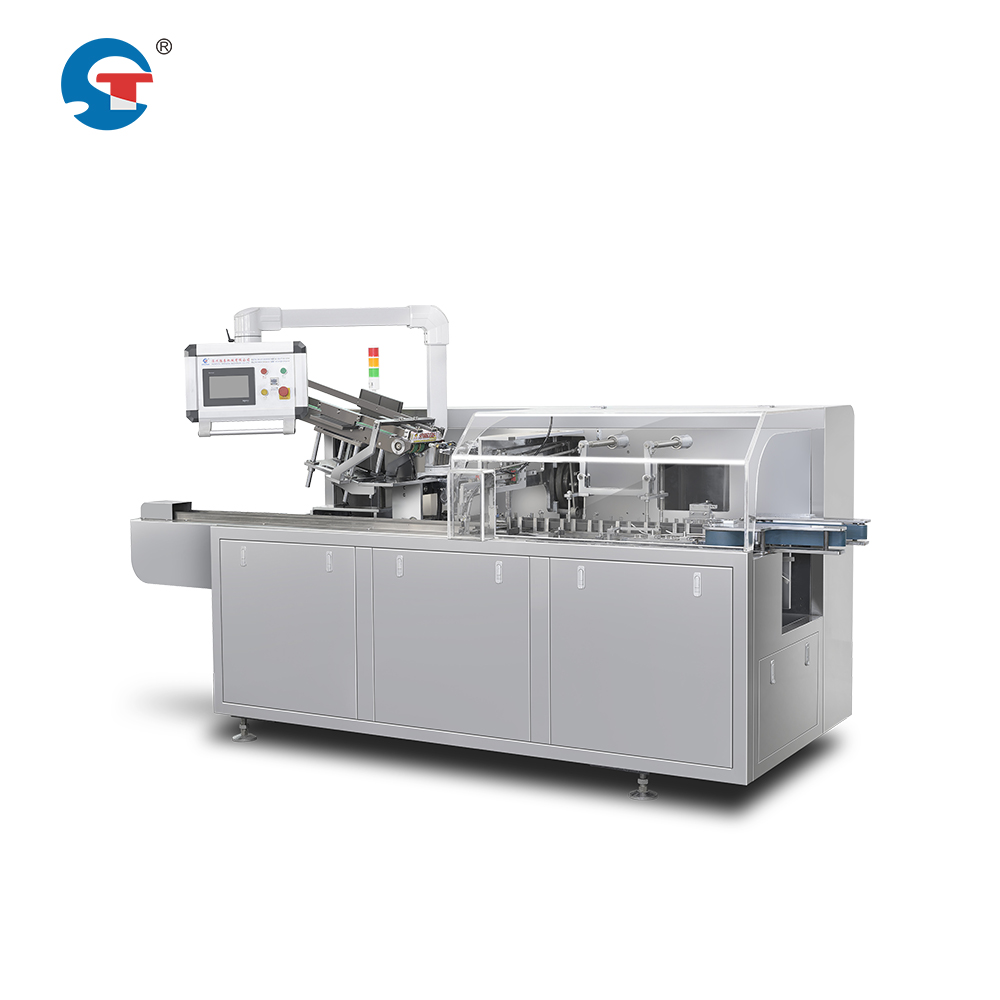
Beyond simple automation, peanut candy packing machines offer manufacturers a pathway to market differentiation and operational resilience. When a company deploys confectionery sealing machine specifications tailored to its product portfolio, it gains control over packaging consistency, branding flexibility, and delivery speed. This operational foundation becomes the backbone of successful expansion into new regional markets or customer segments. The technology addresses real production bottlenecks that manual processes cannot solve at scale.
Production Efficiency and Cost Reduction
Automating Labor-Intensive Packaging
Manual candy packing is inherently slow and prone to variability. Workers must individually wrap, seal, and cartoon products at rates that struggle to keep pace with modern demand. By deploying automatic candy wrapping equipment, manufacturers eliminate repetitive human tasks and redirect labor to higher-value activities such as quality control, product development, and logistics management. This shift reduces per-unit labor costs significantly while accelerating line speeds by two to three times, depending on the equipment specifications and product complexity. Operators monitor machine performance rather than performing the packing motion itself, creating safer and more sustainable work environments.
Material Usage and Waste Minimization
Precision machinery reduces packaging material waste through exact portioning and controlled application. A peanut brittle packaging solution equipped with advanced sensors ensures consistent wrapper tension, seal quality, and product placement within the package. This consistency prevents overfilling, under-filling, or misaligned wrapping that creates aesthetic rejects. Manufacturers report waste reductions of 15 to 25 percent after installing modern confectionery sealing machine specifications, translating directly to margin improvement and sustainability gains. The financial benefit compounds over time as material costs rise, making the machine investment increasingly valuable.
Scaling Production Capacity and Market Expansion
Meeting Demand Growth Without Facility Expansion
Growth often demands more floor space, hiring, and infrastructure investment. A properly sized peanut candy packing machine allows manufacturers to increase output from existing facilities without proportional increases in headcount or facility footprint. Companies can run extended shifts with minimal staffing additions, effectively multiplying production capacity within the same physical space. This flexibility is particularly valuable in early expansion phases when capital is constrained and market validation is still evolving. A single automatic candy wrapping equipment unit can process 2,000 to 10,000 units per hour, depending on product size and complexity, enabling manufacturers to serve larger geographic markets or faster-growing customer accounts.
Standardizing Quality Across Production Runs
Market expansion requires consistency that builds customer trust and reduces return rates. A peanut brittle packaging solution with programmable settings ensures every unit meets the same specifications regardless of shift timing, operator experience, or production volume. This standardization protects brand reputation when expanding into new regions or retail channels where customer expectations are unknown or demanding. Retailers appreciate receiving products that are uniformly packaged, sized, and labeled, as this reduces shelf management costs and minimizes damaged goods claims. Confectionery sealing machine specifications designed for reliability create a competitive advantage in negotiations with large distribution partners who demand strict performance metrics.
Competitive Positioning and Revenue Growth
Enabling Product Diversification
Modern peanut candy packing machines offer flexibility to handle multiple product formats, sizes, and packaging materials within the same equipment framework. Manufacturers can package traditional peanut brittle in one production window, then quickly switch to chocolate-covered peanuts, peanut clusters, or mixed confectionery assortments in another. This adaptability allows companies to respond faster to market trends, seasonal demand spikes, and customer requests without capital-intensive equipment purchases for each product variant. Automatic candy wrapping equipment with modular design reduces changeover time from hours to minutes, keeping production lines active and responsive. This capability directly supports revenue growth by expanding the addressable market within the same operational footprint.
Building Scalable Operations and Organizational Credibility
Investors, distribution partners, and large-volume customers evaluate manufacturers based on operational capability and scalability potential. When a company invests in a peanut candy packing machine and demonstrates consistent production growth, it signals financial stability, commitment to quality, and readiness for larger partnerships. This credibility unlocks opportunities that pure manual operations cannot pursue, such as exclusive supply agreements with national retailers or private-label manufacturing contracts. Confectionery sealing machine specifications that meet food safety certifications and industry standards further reinforce this professional image. The equipment investment becomes a tangible asset that supports business valuation and attracts capital for subsequent expansion phases.
FAQ
What production speed can a peanut candy packing machine achieve?
Modern peanut candy packing machines typically process between 2,000 and 10,000 units per hour, depending on product size, packaging format, and machine configuration. Simpler products like small wrapped candies may reach higher speeds, while larger or multi-component packages process at moderate rates. Manufacturers should evaluate their target output and consult equipment specifications to select a machine size that matches their market expansion goals without overinvestment.
How does automatic candy wrapping equipment reduce packaging costs?
Automatic candy wrapping equipment reduces costs through labor reduction, material waste minimization, and extended production hours with minimal staffing. Precision machinery prevents overfilling and wrapper damage, directly lowering per-unit material expense. Additionally, faster production cycles allow manufacturers to meet customer orders with fewer overtime shifts and less inventory holding, further improving cash flow and profitability during growth phases.
Are confectionery sealing machine specifications difficult to customize for peanut brittle packaging solutions?
Most modern confectionery sealing machines feature modular design that allows straightforward customization for different product types and package sizes. Changeover typically requires adjusting wrapper width, seal temperature, and placement settings rather than physical equipment modification. Manufacturers should work with equipment suppliers to ensure their peanut brittle packaging solution includes these flexibility features before purchase, ensuring long-term adaptability as product portfolios evolve.