
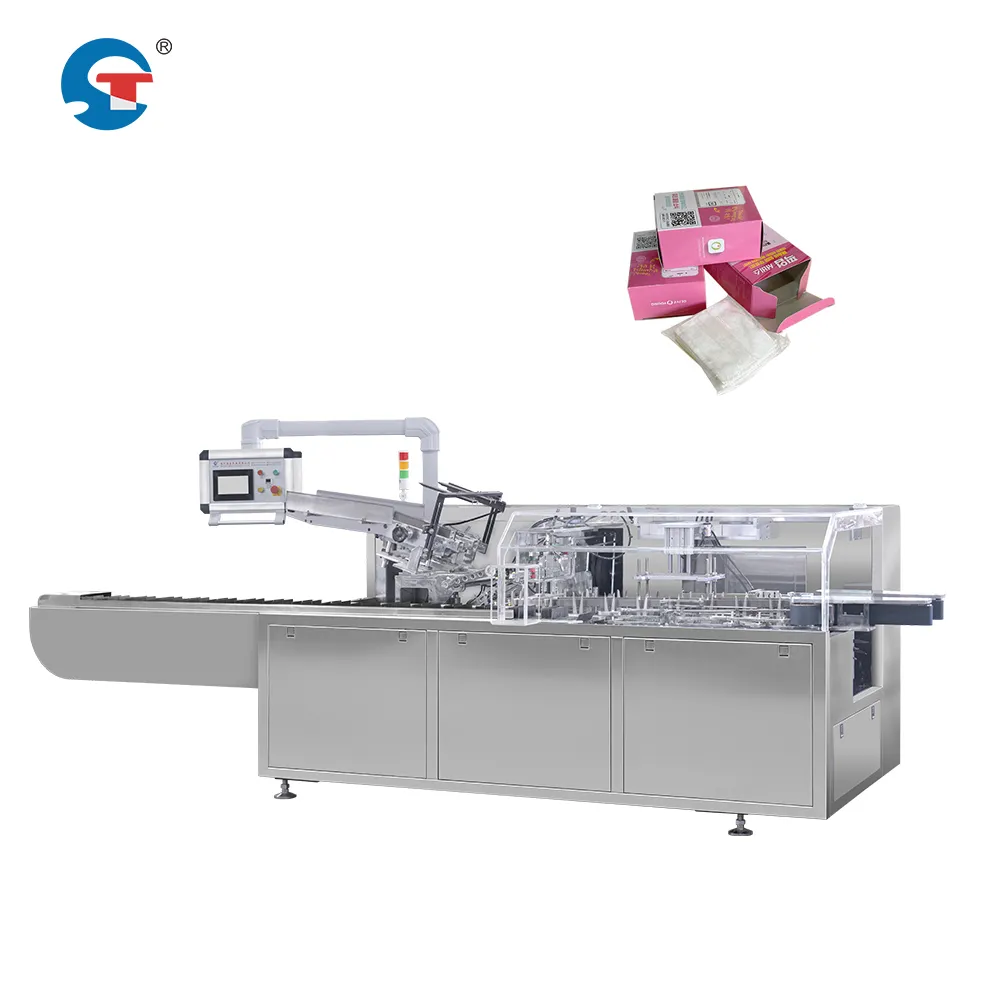
Cosmetic manufacturers face constant pressure to balance speed, precision, and aesthetic presentation in their packaging operations. The tuck-in cartoning machine has emerged as the preferred solution for brands seeking superior sleek packaging without compromising production efficiency. Servo-driven systems deliver the exact control and repeatability that premium cosmetic packaging demands, transforming raw cartons into perfectly sealed packages that reflect brand quality from the first customer touchpoint.
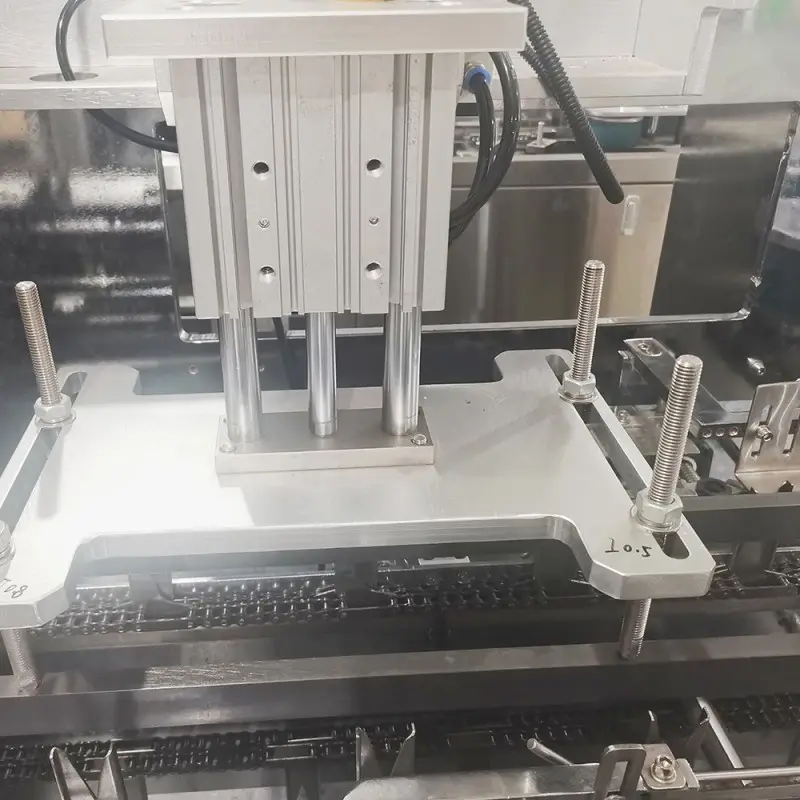
Understanding why cosmetic plants specifically adopt servo-driven tuck-in cartoning machines requires examining the unique intersection of product requirements, production economics, and brand positioning. Cosmetic packaging must convey luxury and precision while maintaining cost-effectiveness across high-volume runs. Servo-driven automation provides the consistency and flexibility necessary to meet these dual demands, enabling manufacturers to compete in markets where packaging quality directly influences purchasing decisions.
Precision Control Meets Cosmetic Quality Standards
Servo Technology and Packaging Consistency
Servo motors provide exact positioning and force control that mechanical systems cannot replicate reliably. In tuck-in cartoning operations, this precision ensures carton flaps fold with uniform pressure and timing across every unit produced. Cosmetic products demand this level of consistency because irregular tuck-in patterns create visible defects that undermine brand perception. The servo-driven tuck-in cartoning machine maintains tolerances measured in fractions of millimeters, regardless of ambient temperature, humidity, or vibration variations common in manufacturing environments.
The automatic carton sealing equipment integrated into servo systems responds in real-time to feedback sensors, adjusting fold angles and seal pressures dynamically. This adaptive control prevents jamming and material waste that plague conventional mechanical designs. For cosmetic manufacturers producing multiple product lines with varying carton dimensions and material thicknesses, servo technology enables rapid changeover with minimal manual intervention, reducing downtime between production batches.
Speed and Throughput in High-Volume Operations
Cartoning machine speed specifications for servo-driven equipment typically range from 80 to 180 cartons per minute, depending on carton complexity and product design. Cosmetic plants operating in competitive markets require this throughput to justify equipment investment while maintaining profitability. The servo-driven architecture eliminates speed bottlenecks by allowing programmable acceleration profiles that optimize each motion phase—from carton pickup through final tuck and seal.
When comparing cartoning machine speed specifications across equipment types, servo systems excel because they reduce mechanical shock and stress on materials. This gentler handling preserves carton integrity during high-speed operation, reducing rejection rates that directly impact overall equipment effectiveness and production yield.
Pharmaceutical Packaging Machinery Standards Shape Cosmetic Applications
Cross-Industry Standards and Regulatory Alignment
Pharmaceutical packaging machinery demands have fundamentally influenced cosmetic equipment design, particularly in servo-driven tuck-in cartoning machines. Pharmaceutical manufacturers require traceability, contamination prevention, and validation documentation that extend beyond basic production capability. Many cosmetic brands now specify equipment that meets these pharmaceutical packaging machinery standards even when regulatory requirements do not mandate them, recognizing that such compliance strengthens supply chain credibility and enables future market expansion.
The tuck-in cartoning machine design philosophy derived from pharmaceutical applications emphasizes material contact surfaces that resist corrosion and contamination. Servo-driven systems facilitate regular cleaning cycles without extended downtime, critical for cosmetic manufacturers whose products include skincare items requiring heightened hygiene standards. This pharmaceutical-inspired rigor in equipment design translates directly to consumer safety perception and regulatory preparedness.
Integration with Quality Control Systems
Servo-driven automatic carton sealing equipment connects seamlessly to industrial vision systems, weight checkers, and data logging platforms that pharmaceutical manufacturers demand. Cosmetic brands increasingly adopt these integrated quality solutions to track batch integrity and enable rapid response to packaging defects. The servo architecture supports predictive maintenance by capturing performance metrics that identify component wear before catastrophic failure occurs, minimizing unplanned production stoppages.
Economic and Strategic Advantages for Cosmetic Producers
Total Cost of Ownership and Return on Investment
While servo-driven tuck-in cartoning machines carry higher upfront capital costs than mechanical alternatives, their energy efficiency and reduced waste generation produce superior long-term economics. Cosmetic manufacturers producing premium products typically operate at higher price points where packaging excellence justifies equipment investment. The ability to run multiple cosmetic formulations through the same cartoning machine speed specifications without extended retooling increases asset utilization and accelerates return on investment timelines.
Energy consumption in servo-driven equipment is proportional to actual motion demand rather than running at constant mechanical load. Over five to seven years of operation, this efficiency advantage compounds significantly, reducing operational expenses while lowering carbon footprint—increasingly important as cosmetic brands emphasize sustainability credentials.
Flexibility for Product Innovation and Market Responsiveness
Cosmetic market dynamics reward manufacturers who can quickly introduce new packaging formats, sizes, and premium presentations. Servo-driven tuck-in cartoning machines adapt to these requirements through software reprogramming rather than mechanical retooling. Brands launching limited editions or seasonal products benefit from the ability to modify cartoning machine speed specifications and motion parameters without halting production lines or investing in dedicated hardware configurations.
The pharmaceutical packaging machinery heritage evident in servo-driven designs also ensures that cosmetic brands can scale operations internationally while maintaining consistent packaging appearance and quality standards across regions.
FAQ
What makes servo-driven tuck-in cartoning machines superior to mechanical designs for cosmetics?
Servo-driven systems provide real-time precision control, adaptive feedback, and consistent force application that mechanical designs cannot replicate. This precision directly enhances packaging aesthetics, reduces material waste, and enables rapid product changeovers—critical advantages for cosmetic brands competing on premium packaging presentation while maintaining production efficiency.
How do cartoning machine speed specifications affect cosmetic packaging quality?
Higher throughput requires more sophisticated motion control to prevent carton misfeeds and seal defects. Servo-driven automatic carton sealing equipment manages these speeds reliably by adjusting acceleration and deceleration profiles dynamically, maintaining consistent tuck-in quality even as production rates increase. This capability allows cosmetic manufacturers to achieve volume targets without sacrificing the packaging excellence that premium brands demand.
Why should cosmetic producers consider pharmaceutical packaging machinery standards?
Pharmaceutical standards establish rigorous design principles for hygiene, traceability, and validation that enhance product safety perception and regulatory readiness. Cosmetic brands adopting these standards through their tuck-in cartoning machine selection strengthen consumer confidence, simplify compliance audits, and create operational flexibility if distribution channels or market opportunities expand into regulated segments.