
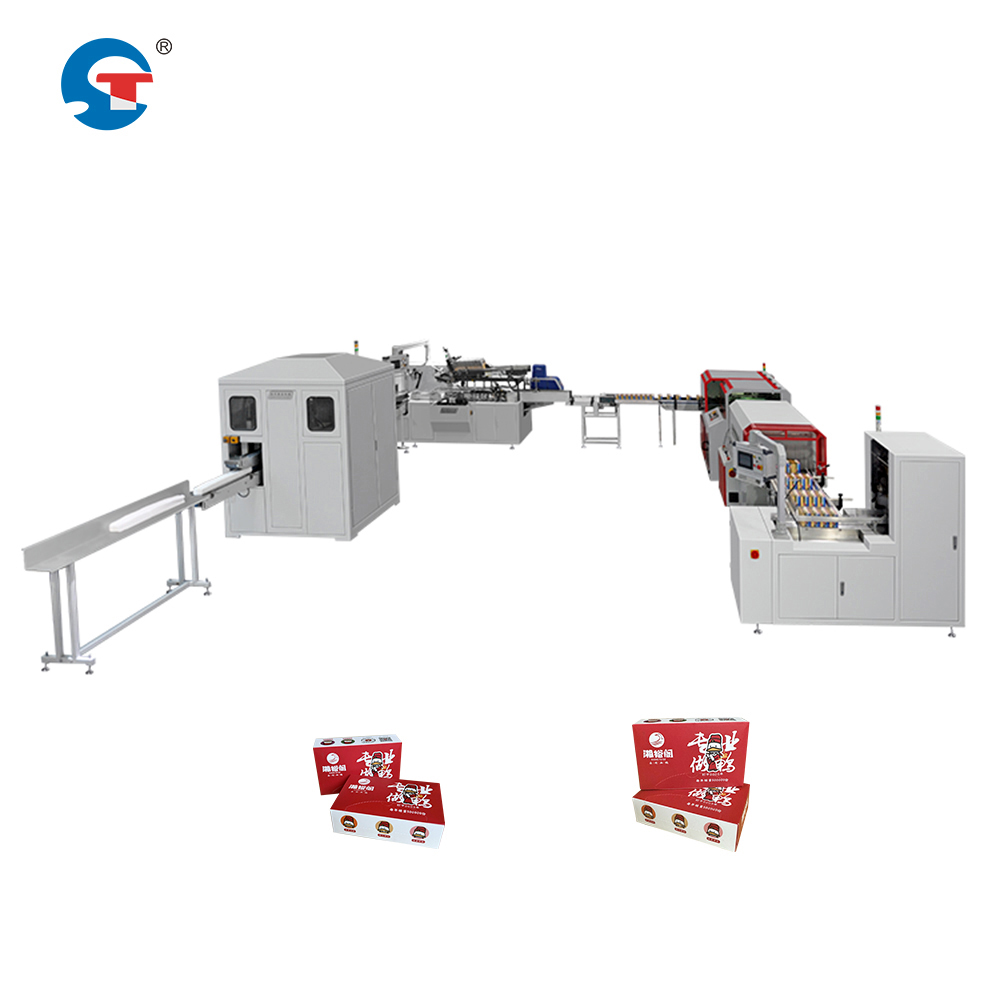
Operating a heavy-duty cartoning machine for production line duty around the clock demands more than just pressing a button and walking away. The question of whether such equipment can sustain continuous 24/7 shifts is critical for manufacturers seeking maximum throughput and return on investment. The answer is nuanced: yes, modern high-speed case packing systems can technically run continuously, but success depends on design specifications, preventive maintenance protocols, operator training, and component quality. Understanding these factors determines whether your pharmaceutical product cartoning solutions or other automatic carton packaging equipment will deliver the uptime your production schedule requires.
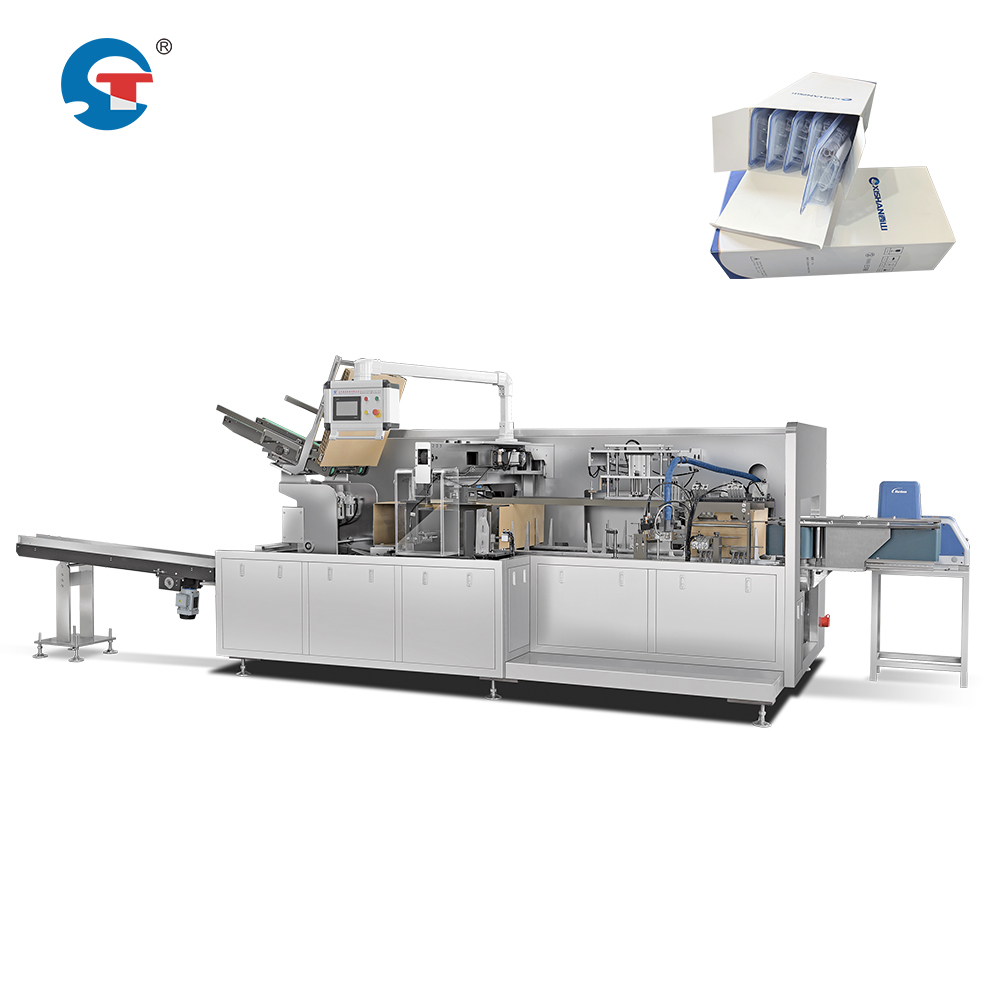
Heavy-duty industrial cartoning equipment is engineered differently than entry-level machines. The bearing systems, drive motors, servo controls, and mechanical assemblies in a true production-grade cartoning machine for production line are built to withstand extended runtime under load. Manufacturers of automatic carton packaging equipment typically publish duty cycle ratings and thermal management specifications that define safe continuous operation windows. However, running any industrial machine at maximum capacity for an entire week without planned downtime introduces cumulative stress on components, thermal fatigue in gearboxes and servo drives, and accelerated wear on positioning mechanisms.
Design Specifications for Continuous Operation
Thermal Management and Cooling Systems
A high-speed case packing system designed for 24/7 duty must incorporate robust thermal management. Industrial motors and servo drives generate heat proportional to runtime and load. Equipment lacking adequate cooling systems will experience thermal throttling, reduced precision, or automatic shutdowns to protect internal components. Manufacturers of pharmaceutical product cartoning solutions integrate cooling fans, heat sinks, and sometimes active temperature monitoring to maintain safe operating temperatures across continuous shifts. The cooling system capacity must exceed the steady-state heat generation at maximum production speeds.
Material Grade and Component Selection
Heavy-duty automatic carton packaging equipment uses premium bearing grades, hardened steel shafts, and sealed gear assemblies rated for extended runtime. Standard-duty machines often use components rated for 16-hour operational lifecycles. Continuous-operation cartoning equipment upgrades to heavy-series bearings, reinforced guide rails, and sealed connectors that resist environmental contamination. The choice of materials directly affects the machine's ability to maintain positional accuracy and throughput consistency over weeks of uninterrupted production without degradation.
Maintenance Requirements and Downtime Reality
Preventive Maintenance Intervals
Even the most robust pharmaceutical product cartoning solutions require scheduled maintenance. A high-speed case packing system running 24/7 may need oil changes, bearing inspections, and servo calibrations at higher frequencies than machines operating 8-hour shifts. Industry practice often recommends brief maintenance windows every 168 to 336 hours of continuous runtime—roughly every one to two weeks. These maintenance stops are essential; they prevent catastrophic failures that cause far longer unplanned downtime. Skipping maintenance to achieve theoretical 'uninterrupted' operation typically results in unexpected breakdowns that halt production entirely.
Component Replacement Cycles
Certain consumable components in a cartoning machine for production line wear proportionally to runtime. Positioning belts, servo encoder wheels, vacuum pump seals, and friction wheels degrade faster under continuous duty. Manufacturers of automatic carton packaging equipment provide replacement interval guidance based on cumulative operating hours. A machine running 24 hours daily consumes these components three times faster than one running 8-hour shifts. Planning for and budgeting these replacement cycles is part of realistic continuous-operation economics. Many operators schedule preventive component replacement during planned downtime windows rather than risk sudden failures.
Operational Readiness and System Capabilities
Control System Reliability and Monitoring
Modern high-speed case packing systems incorporate programmable logic controllers (PLCs) and human-machine interfaces (HMIs) that can theoretically monitor and operate continuously. These electronic systems are designed for industrial environments and often include redundant safety circuits and diagnostic logging. However, the electronic control system is only one component. Sustained 24/7 operation also requires reliable incoming utilities—stable electrical power, clean compressed air, and consistent material supply. Voltage fluctuations, air line contamination, or carton feed interruptions can trigger automatic shutdowns in pharmaceutical product cartoning solutions, halting production despite the machine's physical readiness.
Operator and Staff Considerations
Continuous 24/7 production requires shift-based staffing and operator training. Heavy-duty automatic carton packaging equipment demands skilled operators and technicians to monitor performance, adjust product parameters, respond to jams, and perform basic troubleshooting. Fatigue in shift workers correlates with increased error rates, missed warning signs, and slower response to machine alerts. Building a competent, rotated staff for three daily shifts is a significant investment beyond the machine itself. Additionally, operators must understand the cartoning machine for production line operation deeply enough to distinguish between normal operating behavior and early signs of component wear.
Practical 24/7 Operation Scenarios
Realistic Implementation Approach
In practice, manufacturers using a high-speed case packing system for continuous production typically implement a '23/1' or '22/2' operation model rather than pure 24/7. This means running the machine for 23 hours with a one-hour maintenance window, or 22 hours with two-hour windows for inspection and minor adjustments. This approach maximizes output while preserving equipment longevity and allowing essential maintenance tasks. Pharmaceutical product cartoning solutions in major facilities often operate this way, achieving 95–98 percent uptime rather than targeting impossible 100 percent continuous operation.
Monitoring and Predictive Maintenance
Advanced automatic carton packaging equipment now includes sensors that monitor vibration, temperature, and cycle counts in real time. Predictive maintenance alerts can identify potential bearing failures, servo drift, or seal wear before they cause downtime. A cartoning machine for production line equipped with such monitoring allows operators to schedule component replacement proactively during planned maintenance windows rather than responding to failures. This approach extends equipment life and maximizes actual production time, even in aggressive shift schedules.
FAQ
Can a cartoning machine for production line really run 24 hours every single day without stopping?
Technically yes, but practically no. Heavy-duty equipment is designed to handle extended runtime, but genuine uninterrupted 24/7 operation without any maintenance downtime is unrealistic. Most manufacturers recommend brief scheduled maintenance windows every week or two to inspect bearings, change lubricants, and verify servo accuracy. Attempting true non-stop operation typically results in earlier component failures and longer unplanned shutdowns than scheduled preventive maintenance would cause.
What causes a high-speed case packing system to fail during continuous operation?
Common failure points include thermal breakdown in servo drives due to insufficient cooling, bearing wear accelerated by inadequate lubrication intervals, and precision drift in positioning systems from cumulative mechanical stress. Skipped maintenance is the primary driver. Additionally, contamination in compressed air lines, voltage sags in electrical supply, and material feed inconsistencies can trigger automatic shutdowns. Environmental factors and supply chain reliability play as much a role as the machine itself in continuous-operation success.
How does maintenance scheduling affect pharmaceutical product cartoning solutions uptime?
Proper maintenance scheduling actually increases effective uptime by preventing catastrophic failures. A cartoning machine for production line operating on a planned maintenance cycle typically achieves 95–98 percent uptime over a year. Skipping maintenance to achieve momentary high continuous hours often results in unexpected breakdowns that halt production for days. Predictive monitoring and scheduled component replacement extend equipment life and reduce total downtime, making disciplined maintenance investment the smarter economic choice for automatic carton packaging equipment operators.