
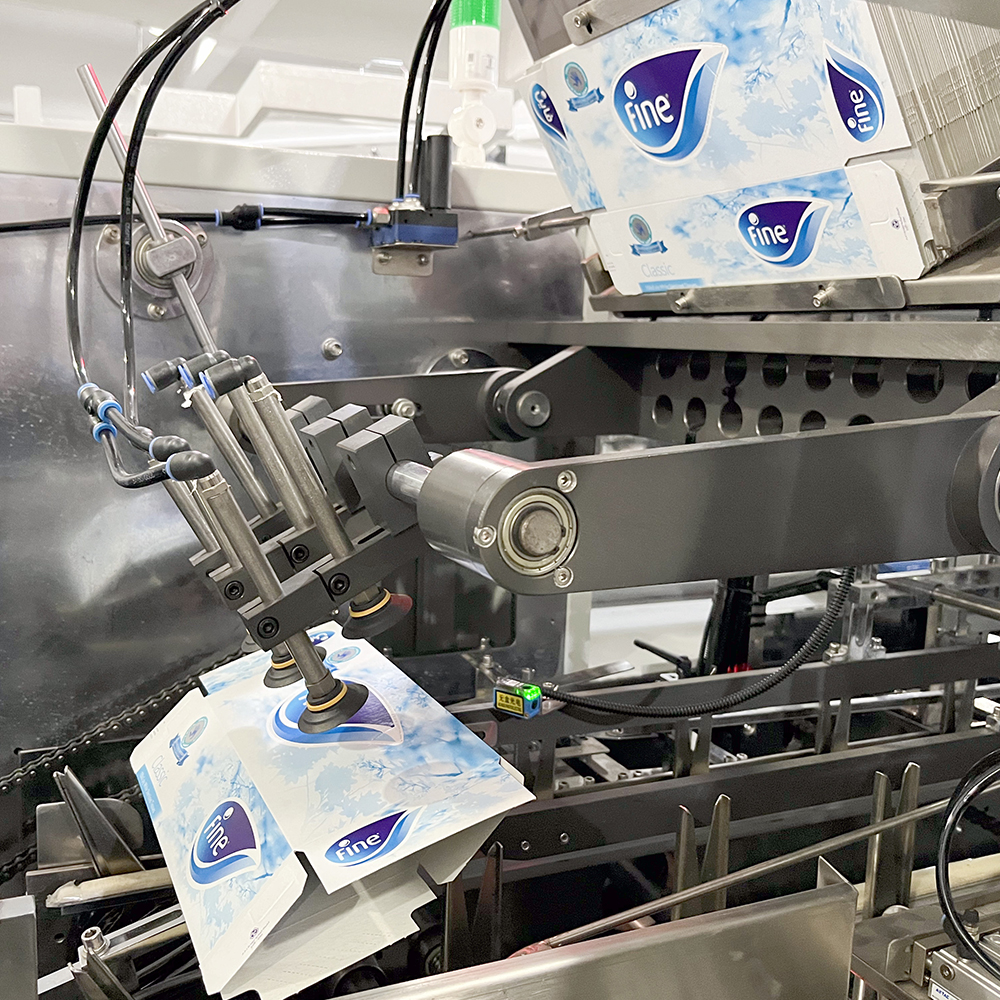
Backpressure jams represent one of the most costly operational challenges in modern packaging facilities. When a cartoning machine for production line operates without proper synchronization, products accumulate at critical transition points, creating dangerous pressure buildup that halts the entire line. Understanding how synchronization prevents these jams is essential for operations managers seeking to maximize throughput while minimizing downtime.
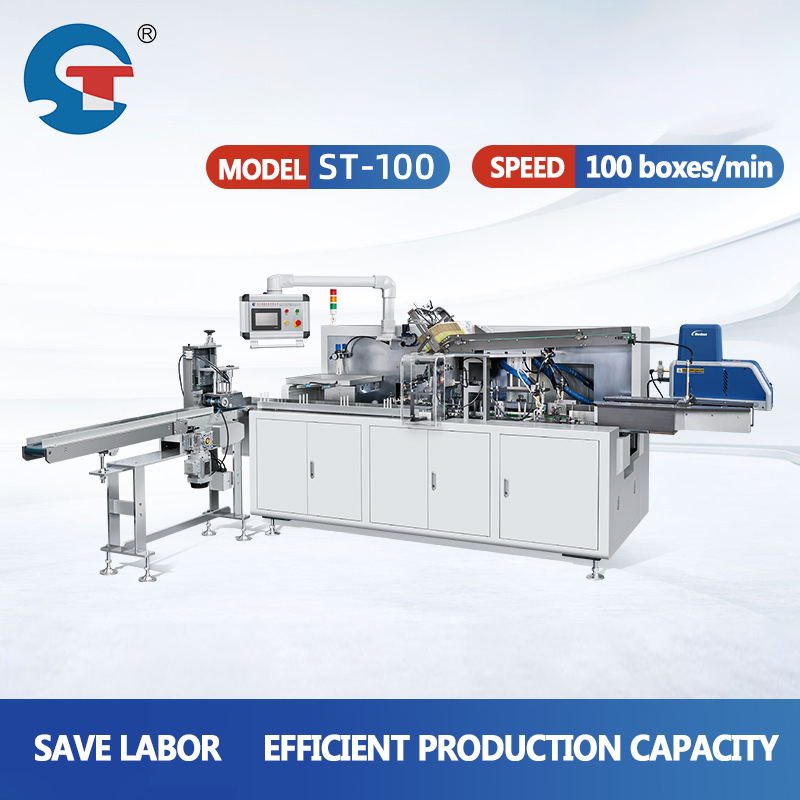
Modern high-speed cartoning equipment must coordinate multiple subsystems operating at precisely aligned speeds. When automatic case packing systems function in isolation without feedback mechanisms, timing misalignment becomes inevitable. Backpressure occurs because products move faster through certain stages than others, forcing them to queue unnaturally. Proper synchronization ensures each stage of the cartoning process operates at matching speeds, allowing continuous flow without congestion.
Understanding Synchronization in Cartoning Systems
Core Synchronization Principles
Synchronization in automatic case packing systems involves linking the speed of infeed conveyors, the opening mechanism, the placing operation, and the sealing process into one coordinated rhythm. Each component must receive real-time feedback about upstream and downstream line status. Without this coordination, the cartoning machine speeds and output capacity cannot be fully realized because bottlenecks force operators to reduce overall line speed.
Sensor networks throughout the high-speed cartoning equipment continuously monitor product position and spacing. When a carton reaches the optimal placement location, sensors signal the opening mechanism to activate. Simultaneously, the infeed conveyor adjusts its speed to prevent excess product accumulation. This closed-loop feedback system ensures the cartoning machine for production line maintains uniform product flow at maximum safe velocity.
Pressure Point Identification
Backpressure typically develops at three critical zones: the carton-opening area, the product-placement chamber, and the sealing station. High-speed cartoning equipment experiences the greatest jam risk at the opening stage, where stationary cartons must transition rapidly into moving positions. When the cartoning machine speeds and output capacity exceed the opening mechanism's processing speed, cartons pile up and create mechanical resistance.
The placement zone demands equally precise synchronization because products must arrive at exact intervals matching the carton advancement rate. Automatic case packing systems without proper timing sensors force products to accumulate, causing pressure waves that propagate backward through the entire line. Understanding these pressure points allows maintenance teams to implement targeted synchronization improvements.
Synchronization Technologies That Prevent Jams
Real-Time Feedback Control Systems
Modern cartoning machine for production line designs incorporate advanced PLC systems and optical sensors that create instantaneous feedback loops. When a carton reaches the opening station, the system measures its position and instantly communicates with the infeed conveyor. High-speed cartoning equipment can then reduce or maintain conveyor speed based on real-time demand, preventing the surge conditions that cause backpressure.
These control systems monitor cartoning machine speeds and output capacity simultaneously, making split-second adjustments to maintain harmony across all stations. If the sealing mechanism signals that it cannot accept the next carton within the expected timeline, the system notifies upstream stations. Automatic case packing systems using this technology experience fewer jams because pressure buildup never develops in the first place.
Variable Speed Drive Integration
Variable frequency drives applied to conveyor motors allow the cartoning machine for production line to adjust speeds fluidly rather than operating at fixed rates. High-speed cartoning equipment equipped with VFD technology can slow the infeed momentarily when downstream congestion is detected. This elasticity prevents the sudden backup scenarios that create mechanical stress and jamming.
The system maintains optimal cartoning machine speeds and output capacity by accelerating again once congestion clears. Automatic case packing systems with VFD integration typically achieve higher throughput than fixed-speed alternatives because they eliminate the need to run the entire line at a reduced speed to prevent occasional jams. Operators can maintain steady high-speed operation without the anxiety of imminent pressure buildup.
Best Practices for Jam Prevention Through Synchronization
Regular Sensor Calibration and Maintenance
Backpressure jams often result from sensor degradation rather than design flaws. The cartoning machine for production line depends on accurate product detection to maintain synchronization, so sensor drift creates timing errors that accumulate over time. High-speed cartoning equipment requires monthly calibration verification and quarterly sensor replacement to ensure signals remain accurate.
Maintenance schedules should include testing all pressure-sensitive switches and optical sensors that trigger carton advancement. When sensors fail silently, the cartoning machine speeds and output capacity calculations become unreliable, forcing operators to reduce line speed preemptively. Automatic case packing systems with preventive sensor programs maintain higher uptime and more consistent throughput than reactive maintenance approaches.
Production Line Audits and Configuration Optimization
Conducting monthly audits of the cartoning machine for production line timing parameters identifies synchronization drift before jams occur. Operators should document the expected timing between each stage and compare it against actual performance measurements. High-speed cartoning equipment parameters can be fine-tuned incrementally based on audit findings.
Configuration optimization involves adjusting the PLC timing parameters to match the specific product geometry and carton dimensions currently in use. Automatic case packing systems configured for a different product size will eventually experience backpressure when product changeovers occur. Regular reconfiguration and testing of the cartoning machine speeds and output capacity parameters ensures the line adapts smoothly to product transitions without pressure spikes.
FAQ
What causes backpressure jams in cartoning machines?
Backpressure jams develop when different stages of a cartoning machine for production line operate at misaligned speeds, causing products to accumulate at transition points. High-speed cartoning equipment without synchronization cannot regulate product flow effectively, leading to congestion. Automatic case packing systems rely on precise timing between infeed, opening, placement, and sealing to prevent pressure buildup that halts the entire line.
How do sensors help prevent jams in high-speed cartoning equipment?
Sensors in high-speed cartoning equipment continuously detect product position and spacing, sending real-time signals to the control system. When the cartoning machine for production line receives sensor feedback indicating downstream congestion, it reduces infeed speed to prevent surge conditions. Automatic case packing systems with networked sensors maintain lower backpressure because adjustments occur before products physically accumulate.
Can synchronization improve cartoning machine speeds and output capacity?
Yes, proper synchronization often allows the cartoning machine for production line to operate at higher sustained speeds because operators no longer need to reduce line speed to prevent occasional jams. High-speed cartoning equipment with precise synchronization experiences fewer emergency stops, resulting in higher actual throughput than machines with poor timing coordination. Automatic case packing systems typically increase output capacity by 15–25 percent after implementing advanced synchronization upgrades.