
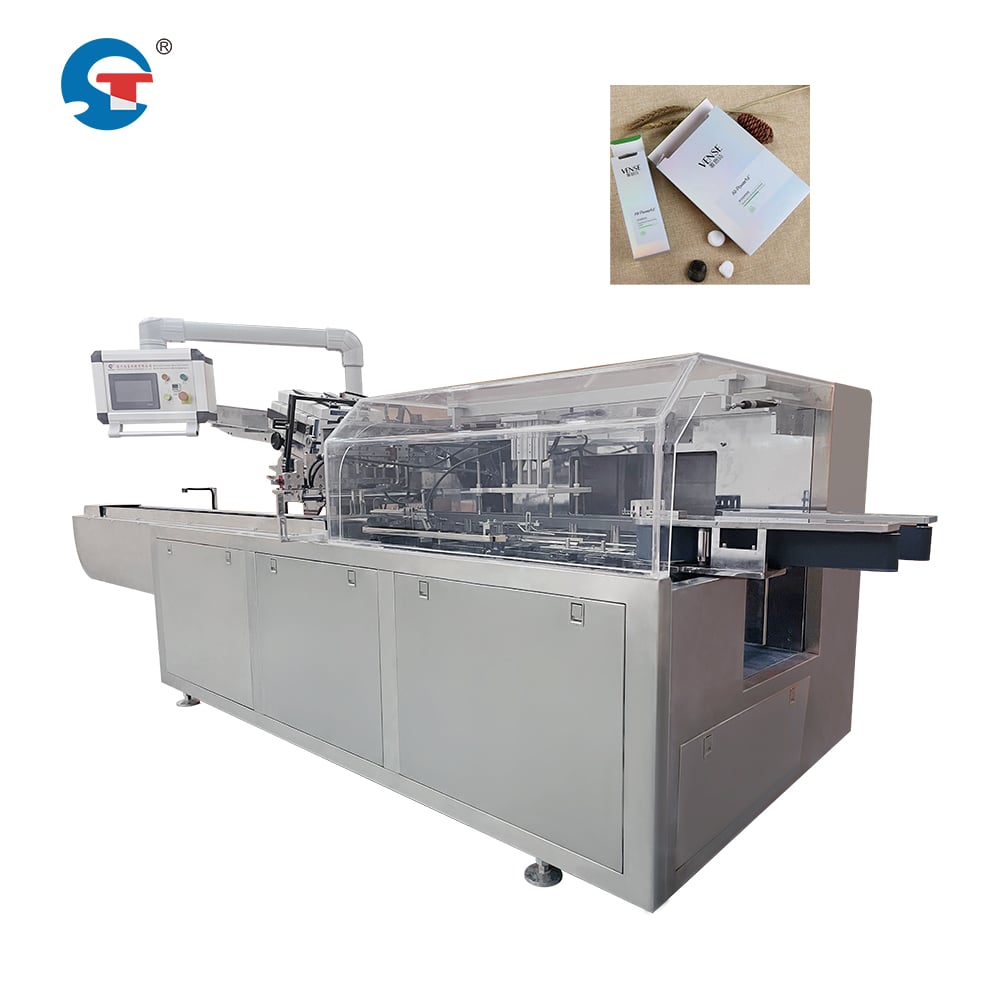
Modern manufacturing demands flexibility, and the mask industry is no exception. A modular mask packing line solution represents a significant advancement in packaging technology, allowing producers to shift seamlessly between individual pouching and bulk box packaging without costly line redesigns or extended downtime. This capability transforms how manufacturers approach product diversity and market demand fluctuations.
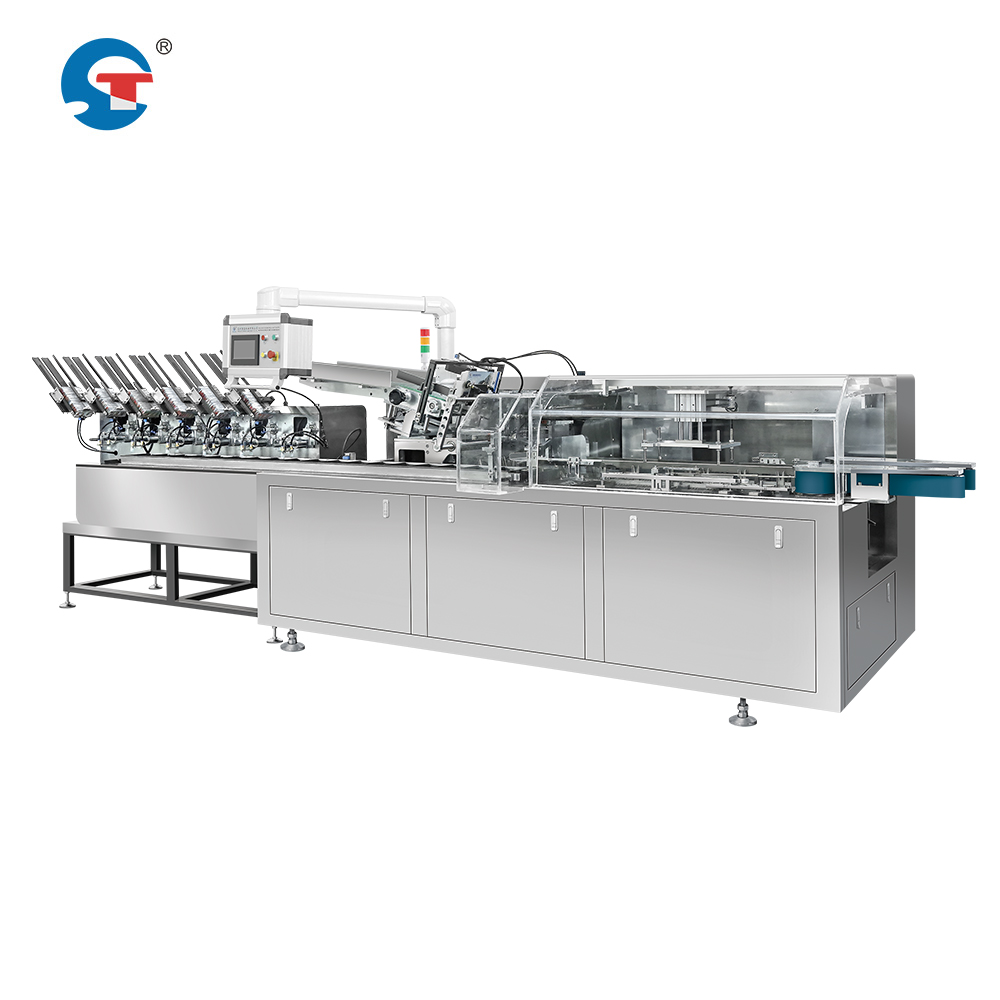
The answer is yes—modern modular systems excel at this dual-packaging challenge. Automated mask packaging equipment has evolved to support multiple format configurations within a single platform. This flexibility enables mask manufacturers to respond quickly to retailer specifications, consumer preferences, and seasonal market shifts while maintaining operational efficiency.
Understanding Modular Flexibility in Mask Production Line Efficiency
Core Design Principles of Modular Systems
A modular mask packing line solution operates on interchangeable components rather than rigid fixed configurations. Each module handles a specific function—filling, sealing, cartoning, or labeling—and can be repositioned or reconfigured based on packaging requirements. This architecture means individual pouching modules can coexist with bulk box handling stations on the same production line, reducing capital expenditure and floor space requirements. Mask production line efficiency improves because changeovers between formats occur in minutes rather than hours.
Quick-Changeover Technology
Modular systems incorporate quick-disconnect fittings, tool-less adjustment mechanisms, and intuitive digital controls that allow operators to transition between pouch formats and box sizes rapidly. When demand shifts from consumer-sized individual pouches to healthcare facility bulk boxes, the changeover involves adjusting width guides, swapping film rolls, and reprogramming the control interface. Automated mask packaging equipment with this capability eliminates the need for separate production lines, which would otherwise require substantial investment and warehouse space.
Handling Individual Pouching and Bulk Packaging
Individual Pouching Configuration
Individual pouching on a high-speed face mask wrapping machine typically handles single-mask or multi-mask packets in sealed film pouches. The system measures precise film lengths, creates gusseted or pillow-style pouches, and incorporates product with consistent heat-sealing. Modular designs allow operators to adjust pouch dimensions through software controls and mechanical guides without physical line reconfiguration. This approach supports retail channels where end-consumers purchase single packs or small quantities, each requiring branded packaging and print verification.
Bulk Box Packaging Capability
Bulk packaging involves placing multiple masks or pre-formed pouches into corrugated or rigid boxes for institutional distribution. A modular mask packing line solution manages this by swapping the film-based pouch module for a cartoning or case-packing station. High-speed face mask wrapping machines with dual-capability design accommodate both workflow patterns within the same production environment. Box erecting, product insertion, and sealing occur on the same frame structure, merely with different tooling and configuration settings. This eliminates redundant infrastructure and labor, directly improving mask production line efficiency.
Operational Advantages and Business Impact
Reduced Capital and Operational Costs
Purchasing a single modular system instead of two separate lines delivers substantial cost savings. Instead of maintaining duplicate equipment, spare parts inventory, and operator training programs, manufacturers consolidate their investment. Automated mask packaging equipment built on modular architecture also reduces maintenance downtime because each component module is independently serviceable. When changeovers occur between individual pouching and bulk boxes, production typically resumes within ten to fifteen minutes, compared to hours for traditional format changes.
Market Responsiveness and Scalability
Retail customers, hospital networks, and corporate buyers each have specific packaging preferences. A modular mask packing line solution allows manufacturers to serve multiple channel requirements from a single investment. When new market segments emerge or customer specifications change, adding or reconfiguring modules is far simpler than acquiring entirely new production lines. This scalability supports business growth without proportional increases in facility costs or complexity.
Quality and Consistency
Modular systems maintain high-speed face mask wrapping machine precision across format transitions. Digital controls ensure seal strength, film tension, and package weight remain consistent whether the line produces individual pouches or bulk boxes. Integrated vision systems verify barcode placement, product count, and package integrity regardless of configuration, supporting regulatory compliance and brand reputation. This consistency reduces waste and customer returns, strengthening profitability.
FAQ
What is the typical changeover time between pouching and bulk box modes?
Most modern modular mask packing line solution systems require ten to twenty minutes for changeover, depending on complexity. Quick-changeover components, pre-staged tooling, and operator familiarity with the specific system reduce this window significantly. Digital recipe storage allows operators to load saved configurations instantly, eliminating manual setup errors.
Can a modular system maintain both pouch and box formats simultaneously on the same line?
Advanced automated mask packaging equipment designs do support parallel operations, though this typically requires additional modules and dedicated sections of the line. Most manufacturers prefer sequential changeovers because managing two simultaneous formats consumes more floor space, requires duplicate components, and complicates operator workflows. Sequential operation on modular systems remains more cost-effective for most production volumes.
How does a high-speed face mask wrapping machine handle different product volumes for pouching versus bulk packaging?
Modular mask production line efficiency accommodates varying volumes through adjustable feed rates and runtime scheduling. Individual pouching typically runs at higher speeds with shorter cycles, while bulk box packaging may run slower with longer dwell times for product insertion and verification. Modern systems allow operators to program different speed profiles for each format, optimizing throughput and energy consumption based on scheduled product mix.