
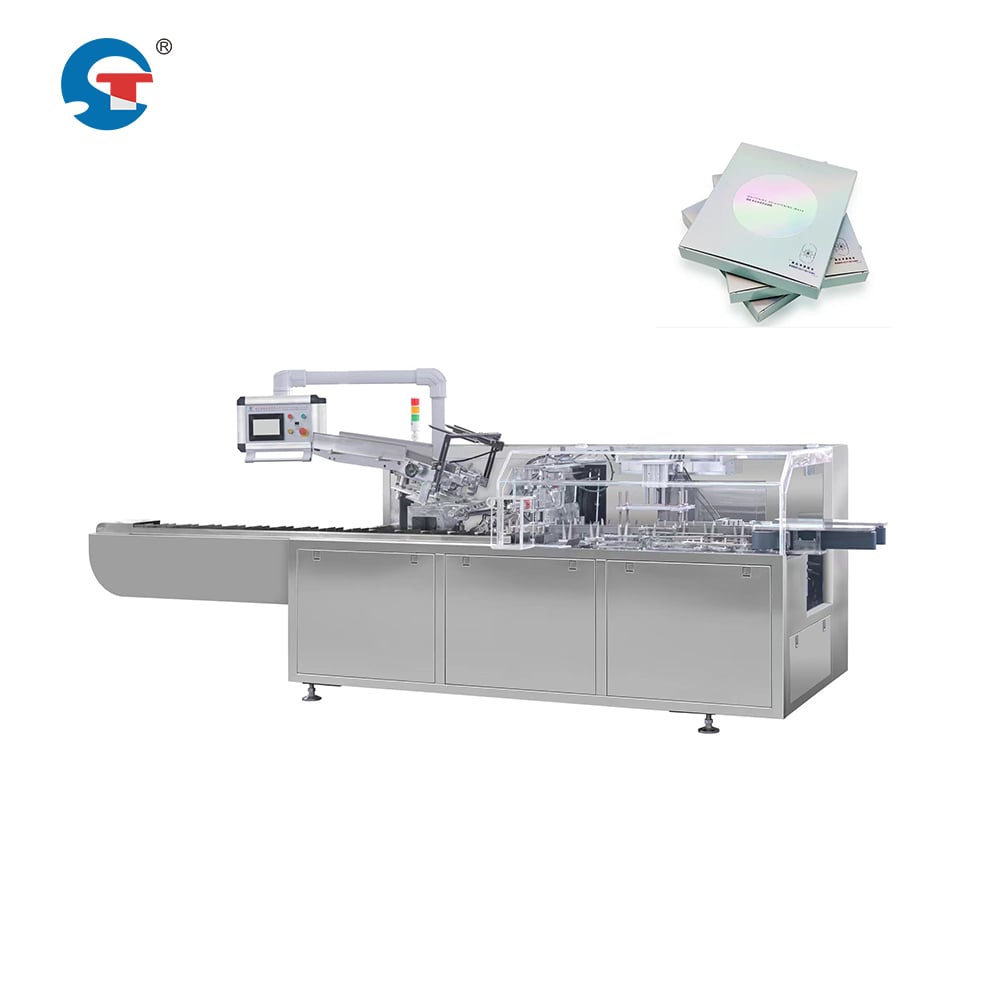
Determining the right floor space footprint for a high-capacity mask packing line solution is critical for manufacturing efficiency and operational success. Many facility managers and production planners underestimate how spatial constraints directly impact throughput, product quality, maintenance accessibility, and worker safety. A properly dimensioned production environment enables seamless material flow, reduces bottlenecks, and maximizes return on equipment investment. Understanding the space requirements upfront prevents costly facility modifications and production delays.
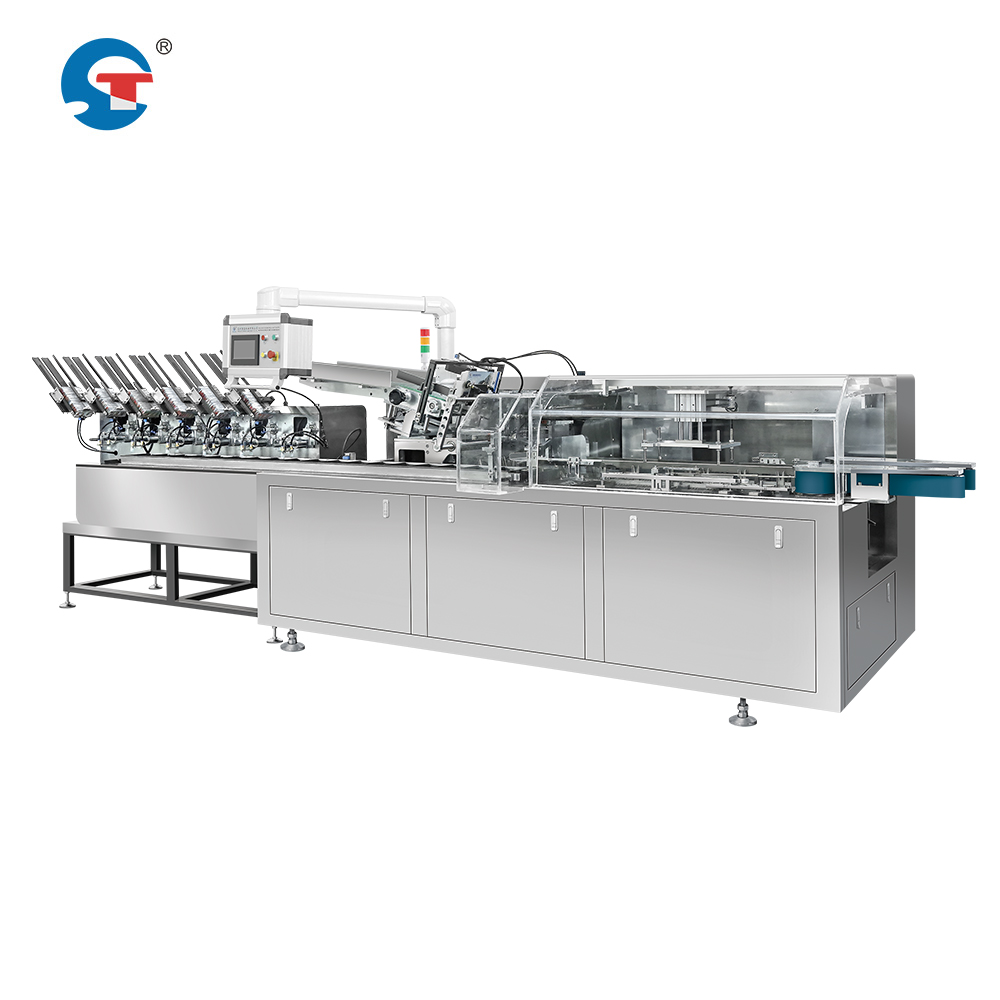
The footprint of automatic mask packaging machinery varies significantly based on production capacity, line configuration, and auxiliary equipment needs. High-capacity operations typically require dedicated zones for raw material staging, mask cartoning and wrapping processes, quality inspection, product accumulation, and finished goods storage. Space planning must account not only for machine dimensions but also for operator movement, conveyor transitions, buffer areas between processing stations, and emergency egress routes required by safety regulations.
Core Space Requirements for Mask Production Line Automation
Machine Footprint and Configuration Layout
A standard high-speed mask wrapping equipment unit occupies approximately 2.5 to 3.5 meters in length and 1.2 to 1.8 meters in width, depending on the specific model and packaging format. When integrating multiple machines into a cohesive mask packing line solution, manufacturers must consider the spatial relationships between hopper stations, feeding mechanisms, cartoning units, and wrapping systems. The high-speed mask wrapping equipment requires adequate clearance on all sides for tool changeovers, component maintenance, and jam clearing operations. Typically, facilities should allocate an additional 0.8 to 1.2 meters around each station for maintenance access and emergency stops.
Material Flow and Buffer Space
Effective automatic mask packaging machinery layout requires dedicated zones for material movement and intermediate storage. Raw masks must flow from receiving areas through staging zones into the production line without creating congestion points. High-capacity operations benefit from implementing buffer conveyors between processing stages to accommodate minor speed variations and prevent line stoppages. These intermediate storage areas typically consume 15 to 25 percent of total production floor space. Proper buffer positioning reduces operator intervention, improves line stability, and enables maintenance on individual components without halting the entire mask production line automation system.
Spatial Planning for Optimal Equipment Performance
Utility Infrastructure and Support Systems
Beyond the primary automatic mask packaging machinery footprint, facility planning must address compressed air lines, electrical distribution, drainage systems, and waste collection infrastructure. These utility pathways should be routed overhead or through dedicated channels to minimize floor obstruction and maintain clear work areas. Compressed air requirements for pneumatic components in high-speed mask wrapping equipment typically demand dedicated compressor units positioned outside the primary production zone. Electrical panels, emergency shut-off controls, and power distribution centers must remain accessible without interfering with equipment operation. The collective utility infrastructure often requires an additional 10 to 15 percent of gross facility space.
Quality Control and Inspection Staging
Integration of quality verification systems within the mask packing line solution necessitates dedicated inspection stations positioned strategically throughout the production workflow. Vision inspection systems, weight verification scales, and defect detection equipment require clear sightlines and unobstructed access to the product stream. Modern mask production line automation incorporates real-time rejection mechanisms and diverter systems that direct substandard products into separate collection areas. These inspection zones should occupy 8 to 12 percent of the total production footprint, positioned to enable rapid response without disrupting continuous line operation.
Practical Facility Sizing Considerations
Throughput Capacity and Space Efficiency
High-capacity automatic mask packaging machinery typically achieves 80 to 120 mask units per minute, depending on product specifications and packaging complexity. To sustain this output level throughout an operating shift, the mask production line automation system requires proportionate floor space for material staging and finished goods accumulation. Facilities processing 50,000 masks daily typically require 200 to 280 square meters of dedicated production space, including all supporting systems. This calculation should incorporate realistic production scenarios including line startup, changeover procedures, and scheduled maintenance windows that temporarily reduce available production area.
Future Expansion and Flexibility
Strategic facility designers recommend allocating 15 to 20 percent additional floor space beyond current equipment requirements to accommodate future line expansion or technology upgrades. As market demand for mask packing line solution capabilities evolves, facilities with built-in flexibility avoid costly relocation or facility construction. The mask production line automation landscape continues developing enhanced components for improved speed, reliability, and product handling. Preserving expansion corridors near utility access points enables straightforward integration of supplementary automatic mask packaging machinery without major infrastructure modifications.
FAQ
What is the minimum floor space required for a single high-capacity mask packing line solution?
A single high-capacity mask packing line solution typically requires a minimum of 150 to 200 square meters of dedicated floor space, including the automatic mask packaging machinery footprint, material staging areas, quality inspection zones, and supporting systems. This calculation should account for the specific model of high-speed mask wrapping equipment and your facility's unique operational workflow. Smaller operations may optimize space through creative layout design, while larger installations with multiple production lines require proportionally more allocation.
How should operators access the automatic mask packaging machinery for maintenance?
Proper high-speed mask wrapping equipment maintenance access requires minimum 0.8 to 1.2 meters of clearance on all sides of the mask production line automation system. This working space enables technicians to reach adjustment points, replace wearing components, and diagnose operational issues without removing equipment. The designated maintenance zone should include non-slip flooring, adequate overhead lighting, and clear pathways to emergency exits. Planning for these access requirements during initial facility design prevents injuries and minimizes downtime when servicing the mask packing line solution.
Can floor space requirements be reduced through vertical stacking or multi-level systems?
Most automatic mask packaging machinery and high-speed mask wrapping equipment operates best on single-level installations to maintain stable conveyor alignment and minimize product damage during transitions. While some auxiliary components like finished goods storage or control systems may be positioned vertically, the primary mask production line automation equipment requires horizontal floor placement. Attempting to stack or angle production machinery typically introduces mechanical complications, increases maintenance complexity, and reduces the reliability advantages of modern high-capacity mask packing line solutions. Standard single-level layouts remain the industry standard for optimal performance and operator safety.