
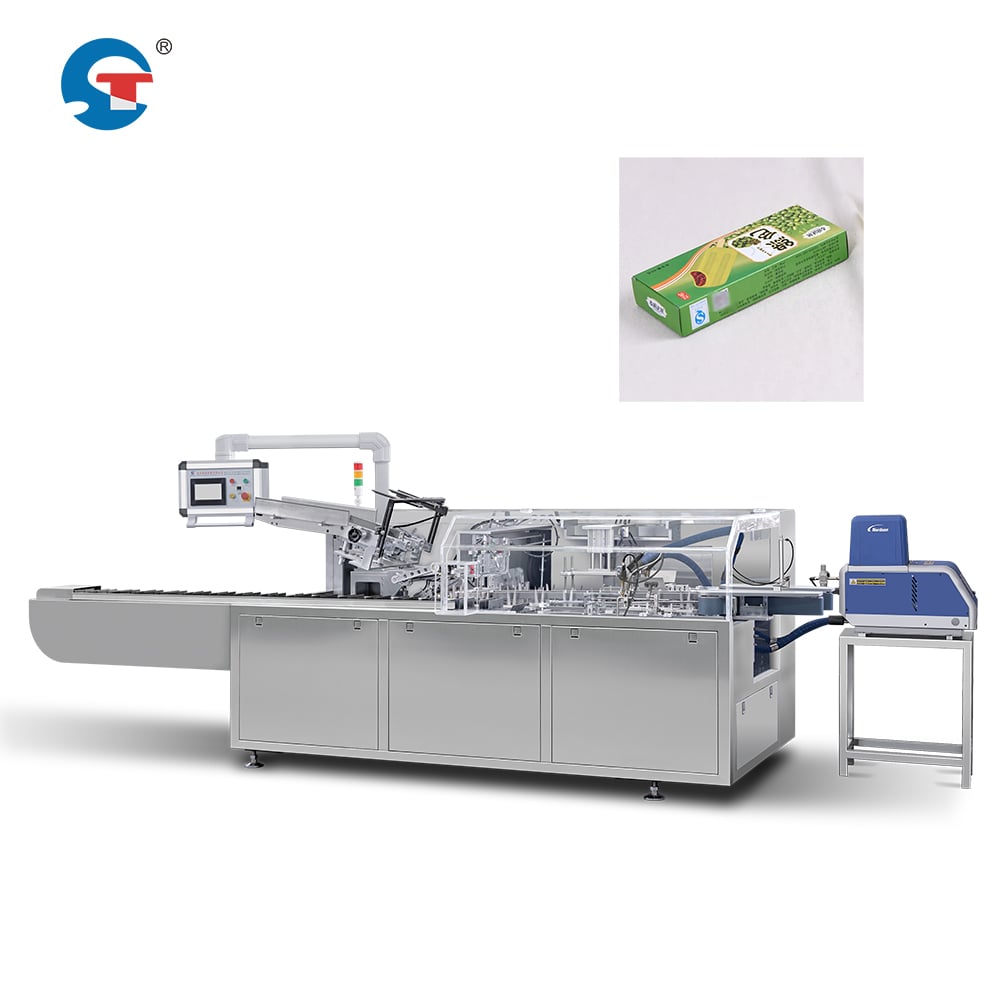
Modern frozen dessert production demands flexibility and precision. Ice cream packaging equipment must handle diverse container types, sizes, and sealing requirements without significant downtime or retooling costs. Whether you are filling individual cones, sealing gelato cups, or packaging bulk containers, the right machinery adapts to your production needs while maintaining product quality and safety standards.
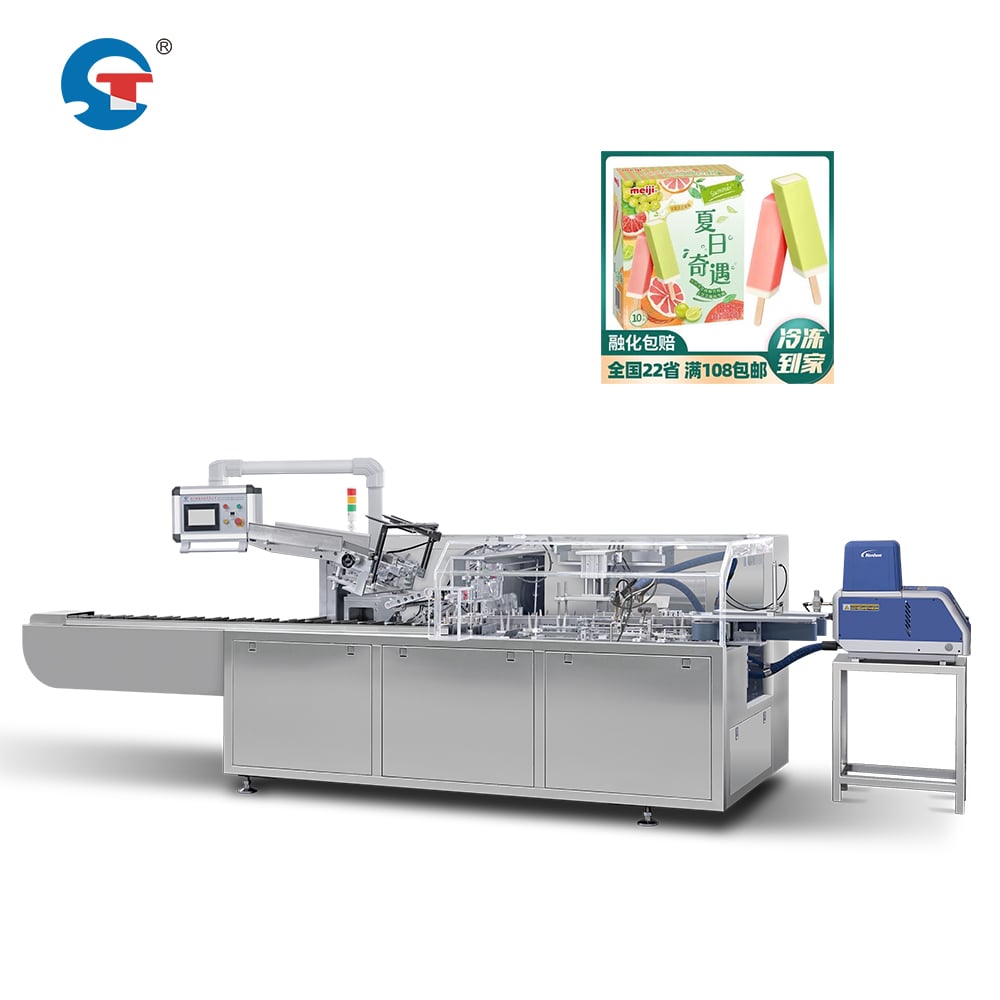
The frozen dessert industry operates under strict hygiene, temperature, and shelf-life regulations. Equipment that cannot accommodate multiple packaging formats creates operational bottlenecks and limits market responsiveness. Understanding how modern ice cream packaging equipment achieves format compatibility involves exploring material handling capabilities, sealing mechanisms, and control systems that distinguish premium machinery from basic alternatives.
Multi-Format Capability in Modern Equipment
Adaptable Filling and Dosing Systems
Contemporary automatic ice cream cone filling machine designs incorporate modular filling heads that adjust to different container profiles and volumes. These systems use servo-driven or pneumatic mechanisms to control fill height, portion accuracy, and material flow rates. An automatic ice cream cone filling machine can transition between hand-held cones, pretzel cones, sugar cones, and specialty cone types by simply recalibrating sensor positions and nozzle placement without mechanical replacement.
The filling accuracy becomes critical when handling soft-serve, hard-pack, or gelato products with varying viscosity. Programmable logic controllers manage fill time, pressure settings, and cutoff sequences for each format. This flexibility reduces product waste, maintains consistent portion control, and enables producers to offer diverse product lines from a single production line without extensive changeover procedures.
Sealing Technology Across Container Types
Gelato cup sealing technology represents a specialized advancement in frozen dessert packaging. Cup sealers must apply precise pressure, temperature, and dwell time to bond film or foil lids to containers without damaging delicate product surfaces or compromising seal integrity. Gelato cup sealing technology accommodates varying cup materials, lid types, and container diameters through adjustable clamp pressure, heated platen temperature control, and programmable sealing cycles.
Advanced gelato cup sealing technology includes optical recognition systems that detect container presence, verify lid placement, and confirm seal quality before product release. Ultrasonic or induction sealing options provide alternatives for sensitive products or premium packaging applications, ensuring flexibility across market segments and product lines.
Handling Frozen Dessert Packaging Materials
Material Specification and Compatibility
Frozen dessert packaging materials specifications define acceptable container substrates, film types, adhesive compatibility, and storage conditions. Equipment must reliably handle frozen dessert packaging materials specifications without jamming, tearing, or misalignment. This includes rigid plastics, paperboard composites, aluminum, flexible films, and specialty biodegradable options emerging in sustainable packaging trends.
The equipment design must maintain cold-chain integrity while processing materials with different thermal properties and static characteristics. Static electricity, condensation buildup, and material brittleness at low temperatures create challenges that premium frozen dessert packaging materials specifications address through material testing protocols and equipment hardening features like grounding, humidity control, and anti-static rollers.
Rapid Format Changeovers
Equipment that handles multiple frozen dessert packaging materials specifications achieves competitive advantage through rapid changeover capabilities. Quick-change components, standardized interface mounting, and documented setup procedures reduce transition time between formats. Manufacturers investing in modular equipment designs encounter lower operational friction when responding to seasonal demand shifts or market opportunities requiring new package types.
Digital documentation and preset recipe storage enable operators to execute format changes within minutes rather than hours. Mobile interfaces allow production managers to view changeover schedules, trigger automated sequences, and track performance metrics across multiple packaging lines simultaneously, improving visibility and reducing human error.
Operational Integration and Control Systems
Automation and Quality Assurance
Integrated control systems enable ice cream packaging equipment to monitor product quality, material consistency, and seal integrity throughout production cycles. Vision inspection systems verify fill levels, detect foreign material, confirm lid placement, and validate seal formation automatically. Real-time feedback loops adjust equipment parameters mid-run, minimizing rejections and waste while maintaining compliance with food safety and labeling regulations.
Temperature monitoring, pressure sensors, and throughput tracking provide production data that feeds into predictive maintenance programs and performance analytics. Equipment capable of handling multiple formats simultaneously collects format-specific performance baselines that operators reference during troubleshooting or optimization efforts, enhancing overall production efficiency and consistency.
Scalability and Investment Protection
Modern ice cream packaging equipment offers scalability that protects capital investment across production volume fluctuations. Modular designs allow capacity expansion through additional filling heads, parallel processing lanes, or upgraded drive systems without replacing core infrastructure. This approach appeals to manufacturers planning growth trajectories or managing seasonal production swings characteristic of frozen dessert markets.
Backward compatibility with existing material handling systems, electrical infrastructure, and facility layouts reduces installation complexity and startup costs. Equipment specifications that emphasize format flexibility deliver long-term value by accommodating innovation cycles, regulatory changes, and evolving consumer preferences without mandating wholesale equipment replacement.
FAQ
Can ice cream packaging equipment adjust between cone and cup formats automatically?
Yes, modern ice cream packaging equipment incorporates programmable systems that switch between cone and cup configurations through software commands and quick-change mechanical components. Operators input format parameters, the system recalibrates nozzle positions and sealing mechanisms, and production resumes with minimal downtime. Automation reduces manual intervention and human error compared to traditional manual changeover procedures.
What factors determine if gelato cup sealing technology will work with my container materials?
Gelato cup sealing technology compatibility depends on container material composition, film adhesive chemistry, sealing temperature tolerance, and container wall thickness. Manufacturers provide material compatibility matrices and recommend test runs with your specific packaging materials before full-scale deployment. Working with equipment suppliers to validate frozen dessert packaging materials specifications prevents costly production failures and ensures reliable seal performance throughout product shelf life.
How do automatic ice cream cone filling machine systems prevent product contamination across format changes?
Automatic ice cream cone filling machine systems include cleaning cycle protocols, sanitization spray stations, and material separation barriers that isolate product contact surfaces between format transitions. Many systems feature tool-less changeover designs that minimize exposed surfaces requiring cleaning. Operators follow documented sanitation procedures and validation testing to confirm effectiveness, maintaining food safety compliance across diverse packaging lines.