
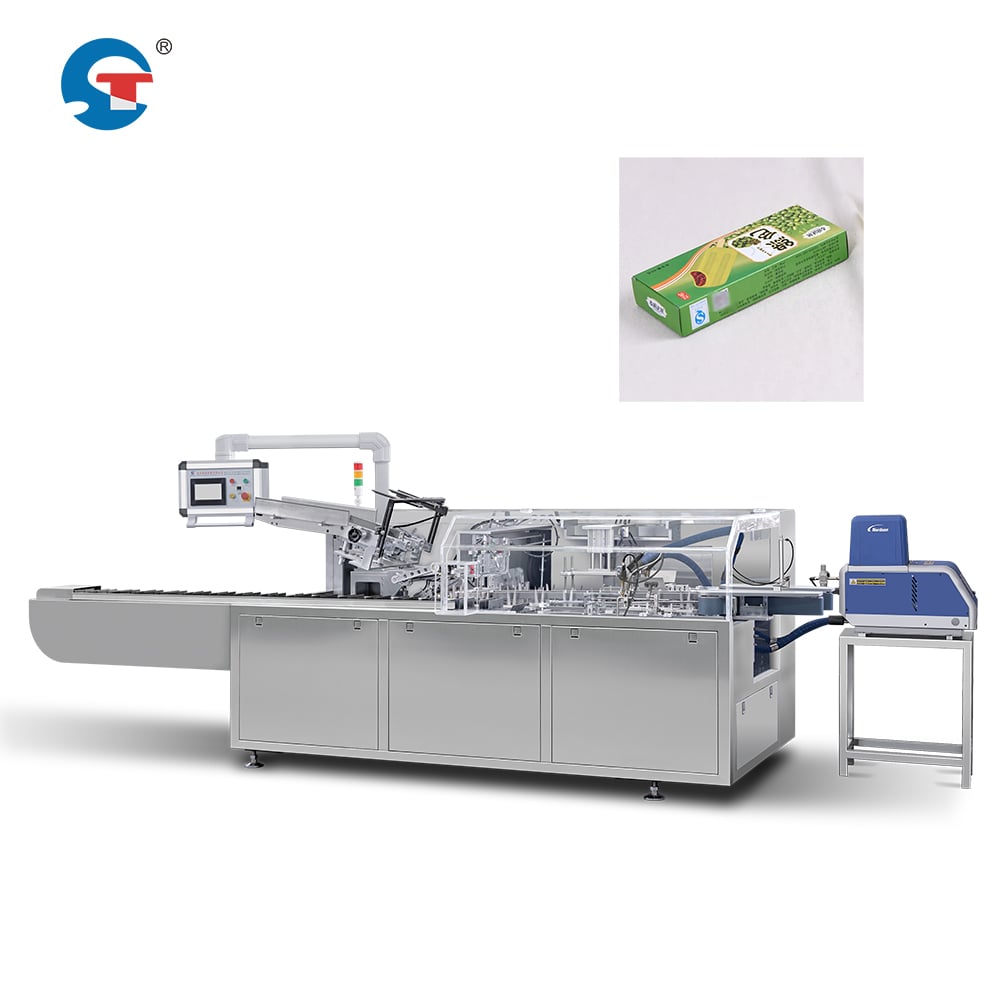
Maintaining product quality during packaging is one of the most critical challenges in the frozen dessert industry. Ice cream and other frozen treats are inherently sensitive to temperature fluctuations, air exposure, and mechanical stress. The right ice cream packaging equipment ensures that your products reach customers in perfect condition, preserving texture, flavor, and visual appeal throughout the supply chain.
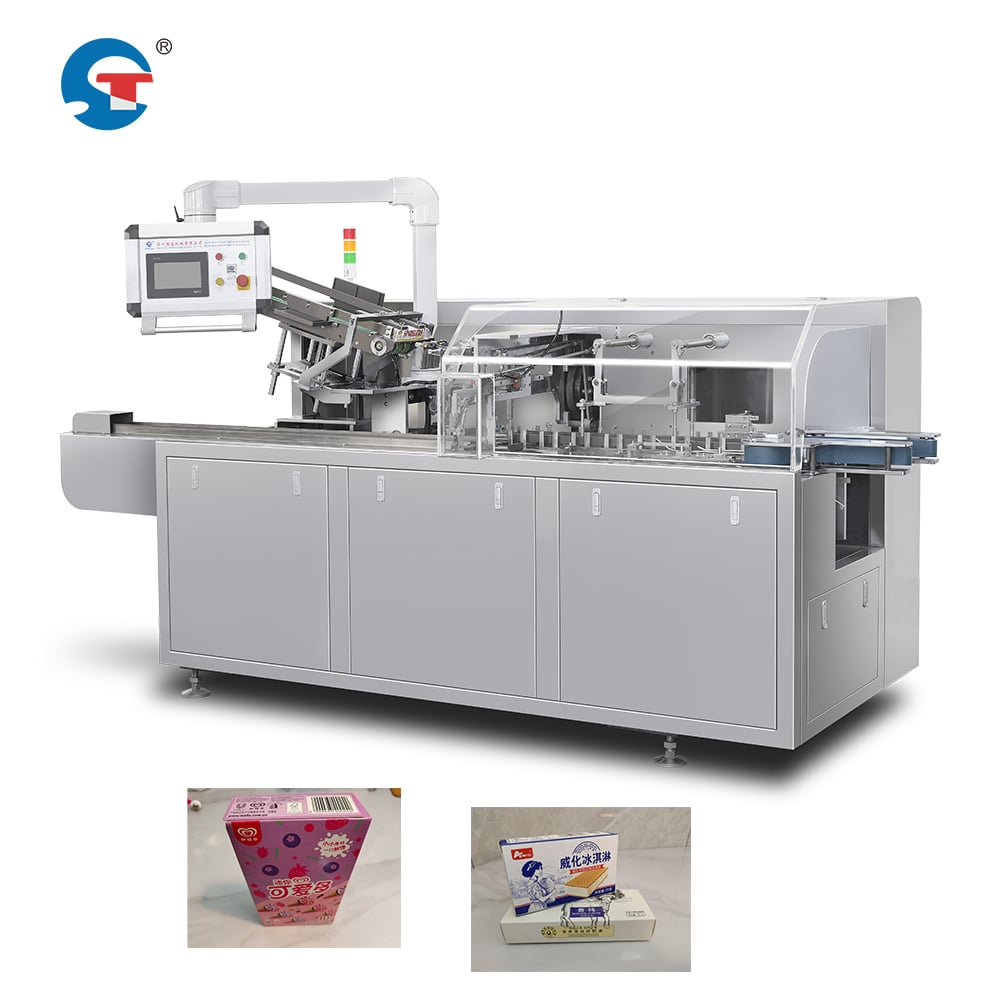
Quality control in ice cream packaging depends on multiple interconnected factors: temperature management, material selection, sealing integrity, and automation precision. Each component of your packaging system must work in harmony to prevent common issues such as ice crystal formation, product dehydration, freezer burn, and contamination. Understanding how ice cream packaging equipment maintains these standards is essential for any business seeking to deliver consistent, premium frozen products.
Temperature Control and Thermal Management
Maintaining Optimal Freezing Conditions
Temperature is the primary driver of frozen dessert quality. Most ice cream packaging equipment incorporates integrated refrigeration systems that maintain product temperature throughout the packaging process. These systems prevent product softening, which can occur if ice cream sits unrefrigerated during filling and sealing. Advanced equipment monitors internal and external temperatures in real-time, ensuring that thermal conditions never deviate beyond safe parameters.
An automatic ice cream cone filling machine uses precise temperature sensors and insulated chambers to keep product frozen while moving through each packaging stage. The equipment reduces dwell time—the period ice cream spends exposed to warmer air—by automating what would otherwise be manual, slower processes. This efficiency directly translates to better product consistency and reduced quality degradation.
Minimizing Heat Transfer During Sealing
Ice cream container sealing technology must balance two competing demands: creating an airtight seal to prevent freezer burn while minimizing heat exposure that could damage the product. Modern equipment uses rapid-seal technology that completes the sealing process in milliseconds, reducing heat transfer to the product surface. Some systems employ cryogenic cooling or secondary refrigeration circuits that maintain temperature even during the heat-intensive sealing moment.
The design of sealing jaws and the selection of sealing materials directly influence how well product temperature is preserved. Equipment that seals from the sides rather than the top, for instance, reduces contact with the product itself. Temperature-controlled sealing platens ensure that heat applied for melting the seal does not penetrate the product interior.
Material Selection and Container Integrity
Choosing Frozen Dessert Packaging Materials and Specifications
Frozen dessert packaging materials and specifications must meet exacting standards to protect product quality over weeks or months of storage. The container material itself—whether plastic, cardboard composite, or specialized laminate—determines how well the package resists moisture vapor transmission, oxygen infiltration, and physical damage. Ice cream packaging equipment must be compatible with these materials to ensure consistent, reliable sealing and containment.
Barrier films with low oxygen transmission rates prevent oxidation of fats in ice cream, which can create rancid off-flavors. Moisture barriers prevent sublimation, the process where ice crystals evaporate from the product surface, leading to texture degradation and product shrinkage. Equipment that works with high-performance packaging materials ensures these barriers function effectively throughout distribution and retail storage.
Ensuring Seal Quality and Leak Prevention
A compromised seal allows warm air and moisture to penetrate the package, triggering ice crystal formation and freezer burn within days. Modern ice cream container sealing technology applies consistent pressure and heat across the entire seal perimeter, eliminating weak points that could compromise integrity. Some systems use ultrasonic or induction sealing methods that create molecular bonds rather than thermal seals, further reducing risk of failure.
Automated inspection systems built into advanced packaging equipment verify seal integrity after each package is sealed. These systems detect microscopic gaps, incomplete seals, or material defects that manual inspection would miss. Packages that fail inspection are automatically rejected, preventing defective products from entering the supply chain.
Automation, Precision, and Contamination Control
Reducing Human Handling and Contamination Risk
Manual packaging introduces inconsistency and contamination risks. An automatic ice cream cone filling machine eliminates these variables by standardizing every movement and contact point. Robotic arms handle product consistently, reducing dropped or damaged units. Enclosed packaging lines minimize exposure to dust, microbes, and temperature fluctuations that occur in open environments.
Hygienic design principles embedded in modern ice cream packaging equipment include smooth surfaces that resist bacterial growth, quick-release components for easy cleaning, and enclosed product pathways that prevent external contaminants from reaching the product. Stainless steel construction and washdown-rated motors further enhance food safety compliance.
Precision Filling and Weight Consistency
Product quality extends beyond freshness to include weight consistency and proper fill levels. Overfilled containers waste product and may prevent proper sealing; underfilled containers create headspace that promotes ice crystal formation. Automated equipment uses volumetric or mass-flow filling systems that dispense precise amounts of ice cream into each container, ensuring uniform product presentation and optimal package conditions.
Real-time quality data from packaging equipment provides transparency into production performance. Manufacturers can track fill accuracy, seal quality metrics, and temperature deviations throughout each shift. This data-driven approach enables rapid corrective action if any parameters drift outside acceptable ranges, protecting batch quality before problems become widespread.
FAQ
Why is maintaining temperature critical during ice cream packaging?
Temperature control prevents product softening, which compromises texture and makes sealing difficult. Even brief exposure to warmer conditions can initiate ice crystal formation or dehydration, degrading product quality that cannot be recovered during later storage or distribution.
How does automatic ice cream cone filling machine improve product quality compared to manual packaging?
Automatic equipment eliminates human inconsistency, reduces dwell time in warmer environments, minimizes contamination risk, and ensures precise fill volumes and seal integrity. These factors combine to deliver products that maintain consistent quality and appearance throughout their shelf life.
What role does ice cream container sealing technology play in preventing freezer burn?
Rapid, reliable sealing prevents air and moisture from entering the package. By creating an airtight barrier, proper sealing technology stops sublimation and oxidation processes that cause freezer burn, ice crystals, and off-flavors, preserving the product in its original state for weeks of storage.