
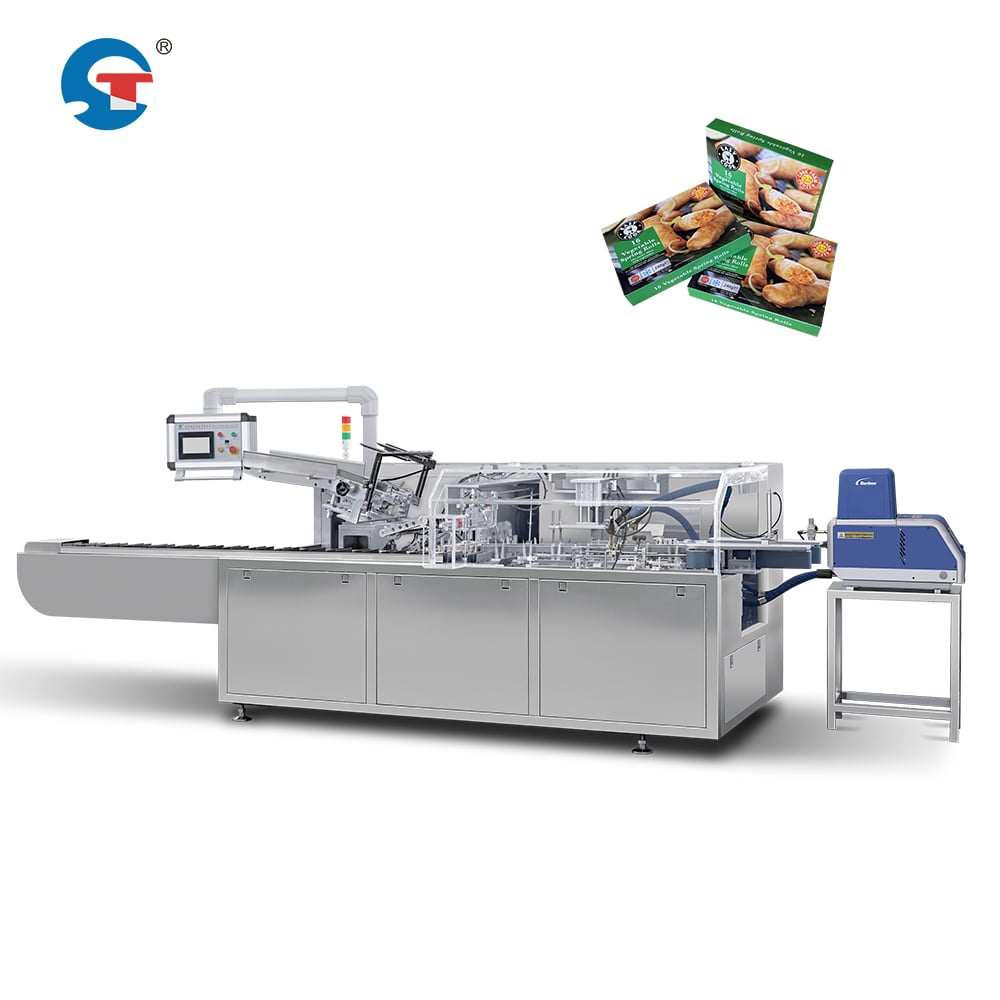
A food cartoner has become an indispensable component in modern food production environments where speed, consistency, and efficiency directly impact profitability. High-speed food production lines demand equipment that can handle rapid throughput without compromising product integrity or packaging quality. The food cartoner addresses these requirements by automating the cartonning process, transforming manual labor-intensive operations into seamless, synchronized workflows. Understanding why a food cartoner is suitable for high-speed applications requires examining its design capabilities, integration potential, and role within the broader automatic packaging machine for food ecosystem.
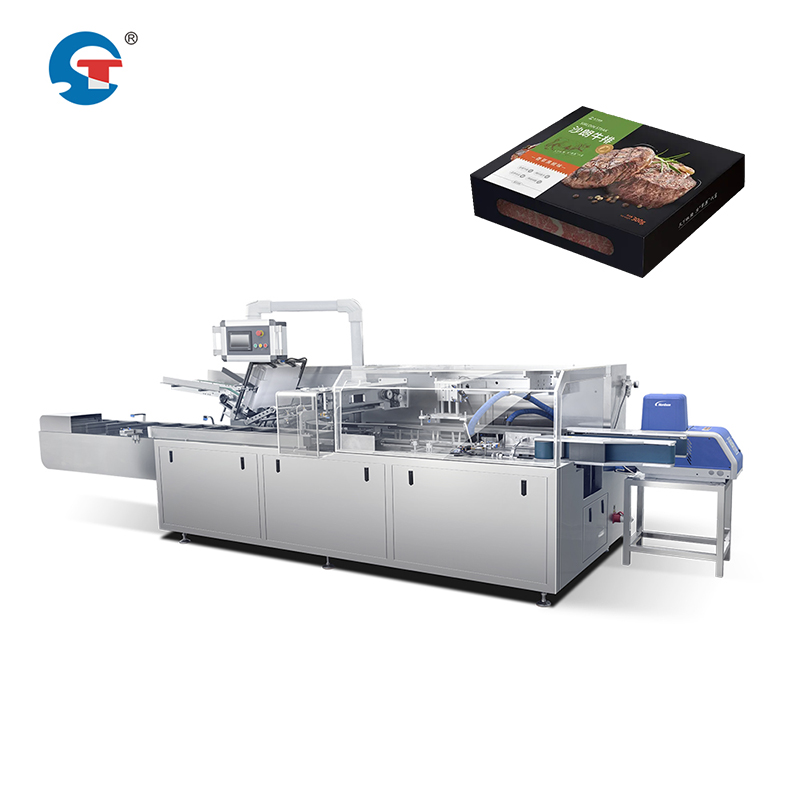
Performance Specifications and Speed Capabilities
Understanding Carton Packaging Equipment Specifications
Carton packaging equipment specifications reveal why modern food cartooners excel in high-speed environments. Typical industrial food cartooners operate at speeds ranging from 40 to 150 cartons per minute, depending on carton size, product type, and configuration complexity. These machines incorporate servo-driven systems, advanced vision recognition, and pneumatic controls that enable precise, repeatable operations at rates that consistently outpace human operators by factors of 10 to 20 times. The architectural design of a food cartoner integrates multiple stations—product infeed, carton supply, insertion, closing, and discharge—into a single coordinated system where each component operates in synchronization.
The technical specifications of carton packaging equipment also include adjustable product positioning systems, variable carton format compatibility, and real-time quality monitoring. These adaptive capabilities allow a single food cartoner to handle product variations without complete reconfiguration, reducing changeover time between production runs. Modern machines feature touch-screen interfaces, data logging, and network connectivity that permit remote diagnostics and predictive maintenance, further enhancing uptime and reducing unexpected production interruptions that plague older manual systems.
Integration Within Food Packaging Line Automation
Food packaging line automation represents a holistic approach where the food cartoner functions as a critical link between upstream product processing and downstream case packing or shipping operations. When properly integrated, a food cartoner communicates with upstream equipment to synchronize product supply, ensuring consistent carton fill rates and eliminating bottlenecks. This synchronization is essential in high-speed environments where even brief timing misalignments cascade into production stoppages. The food cartoner accepts variable-speed product input, applies consistent carton placement timing, and outputs filled cartons at regulated intervals that downstream equipment can process without interruption.
Advanced food packaging line automation systems incorporate the food cartoner into broader data ecosystems where production metrics, efficiency indicators, and quality parameters flow continuously between all connected machinery. This visibility enables operators to identify where slowdowns originate, whether within the cartoner itself or in adjacent equipment, and address root causes rather than applying temporary workarounds. For high-speed production lines operating 16 to 24 hours daily, this systematic approach to automation transforms the food cartoner from a standalone machine into a responsive component of an intelligent production network.
Product Protection and Quality Assurance
Maintaining Product Integrity at High Speeds
The design of a food cartoner specifically addresses the challenge of protecting delicate or fragile products during rapid handling. Unlike manual cartonning where inconsistent hand placement risks product damage, a food cartoner uses calibrated product insertion mechanisms that position items consistently within cartons at standardized depths and angles. This consistency prevents shifting during carton closure, reducing damaged goods rates that directly impact profitability. For food products like baked goods, frozen items, or pharmaceuticals where damage occurs during packaging rather than from external transport, this precision is critical.
Food cartoners employ gentle product handling techniques such as angled infeed chutes, soft-landing mechanisms, and adjustable compression forces during closure. These features ensure that even at maximum rated speeds, the automatic packaging machine for food does not compromise product presentation or structural integrity. Quality control is further enhanced through integrated vision systems that verify proper carton formatting, product placement accuracy, and closure integrity before each unit exits the machine. This real-time quality assurance prevents defective packages from entering the distribution stream, protecting brand reputation and reducing downstream returns.
Regulatory Compliance and Traceability
Modern food cartoners are engineered to support regulatory requirements across diverse markets and product categories. The carton packaging equipment specifications typically include provisions for coding systems that print batch numbers, expiration dates, and traceability information directly onto cartons or pre-printed materials. Food packaging line automation systems generate comprehensive production logs documenting machine parameters, product lot assignments, production timestamps, and quality verification results. This data architecture enables rapid traceability investigations if safety or quality issues emerge, supporting compliance with FDA, FSMA, and international food safety regulations.
The food cartoner contributes to compliance by ensuring consistent product-to-carton documentation, eliminating manual transcription errors that create regulatory vulnerabilities. Each carton processed through an automated system can be linked definitively to specific production runs, ingredient lots, and quality verification checkpoints. For manufacturers operating multi-site facilities or serving international markets with varying regulatory frameworks, this traceable, auditable approach to cartonning provides essential documentation that standalone manual operations cannot reliably achieve.
Economic and Operational Advantages
Labor Cost Reduction and Workforce Flexibility
High-speed food production environments that previously required 5 to 10 manual cartonning operators can often accomplish equivalent output with a single food cartoner operator who monitors the automated process. This dramatic labor reduction translates directly to decreased per-unit packaging costs, particularly in regions where labor expenses comprise significant portions of total production overhead. Beyond simple headcount reduction, the food cartoner enables manufacturers to reallocate personnel to higher-value activities such as quality inspection, maintenance, product development, or customer service roles that demand human judgment and expertise.
The automatic packaging machine for food also addresses workforce volatility challenges that plague manual operations. Seasonal production peaks no longer require emergency hiring and training of temporary cartonning staff; instead, existing operators simply manage higher throughput from the same equipment. This operational stability reduces recruitment costs, training expense, and the quality inconsistencies that emerge when untrained personnel perform complex cartonning tasks. For manufacturers in competitive markets with tight margins, this consistency and cost control provide substantial competitive advantages.
Throughput Scaling and Production Flexibility
A food cartoner enables manufacturers to scale production volume without proportional increases in facility space, infrastructure investment, or operational complexity. When demand rises, a single machine running extended shifts can often accommodate increased output, whereas manual operations would require physical expansion, additional workspace, and corresponding capital investment. This scalability is particularly valuable for food producers experiencing seasonal demand fluctuations or launching new products where sales volume is initially uncertain.
Modern carton packaging equipment specifications include modular design features that permit relatively simple format changes between product runs. A food cartoner configured for one carton size can typically be adapted for different dimensions or closure styles within one to four hours, compared to half-day or full-day changeovers required in older manual systems. This flexibility supports just-in-time manufacturing approaches where production directly responds to actual customer orders rather than relying on forecasts and inventory buffers. For food products with limited shelf life, this responsiveness directly translates to reduced waste, improved freshness, and better product quality reaching consumers.
FAQ
What speed range should a food cartoner achieve for high-speed production lines?
A food cartoner suitable for high-speed production should operate at 60 to 150 cartons per minute depending on carton complexity and product type. The specific speed required depends on your production targets, downstream equipment capabilities, and product handling requirements. Most food packaging line automation systems are designed with the food cartoner operating at or near its rated maximum speed throughout standard production shifts, ensuring that the equipment is fully utilized and delivering optimal cost-per-unit economics. Consulting machine specifications and reviewing historical performance data from similar facilities helps establish realistic speed expectations for your particular application.
How does a food cartoner integrate with existing production equipment?
Integration requires compatible interfaces between the food cartoner and upstream product supply systems, as well as downstream case packing or palletizing equipment. Modern automatic packaging machine for food models include configurable controls, adjustable timing parameters, and communication protocols like Ethernet or proprietary networks that enable synchronization. An integrator or equipment manufacturer typically performs site assessment, designs the specific integration approach, and conducts commissioning testing to verify that the food cartoner operates in rhythm with surrounding equipment. Proper integration ensures that carton packaging equipment specifications are met consistently and that the entire food packaging line automation system functions as an efficient unified process.
What maintenance requirements does a food cartoner demand?
A food cartoner requires routine preventive maintenance including lubrication of moving components, inspection and replacement of wear items like seals and guides, and calibration of sensing systems. Most manufacturers recommend daily visual inspections, weekly lubrication schedules, and quarterly comprehensive maintenance protocols. Modern machines include self-diagnostic features that alert operators to maintenance needs before failures occur, supporting predictive maintenance approaches. Proper maintenance extends equipment lifespan, maintains consistent performance aligned with carton packaging equipment specifications, and minimizes unexpected downtime that disrupts high-speed production schedules.