
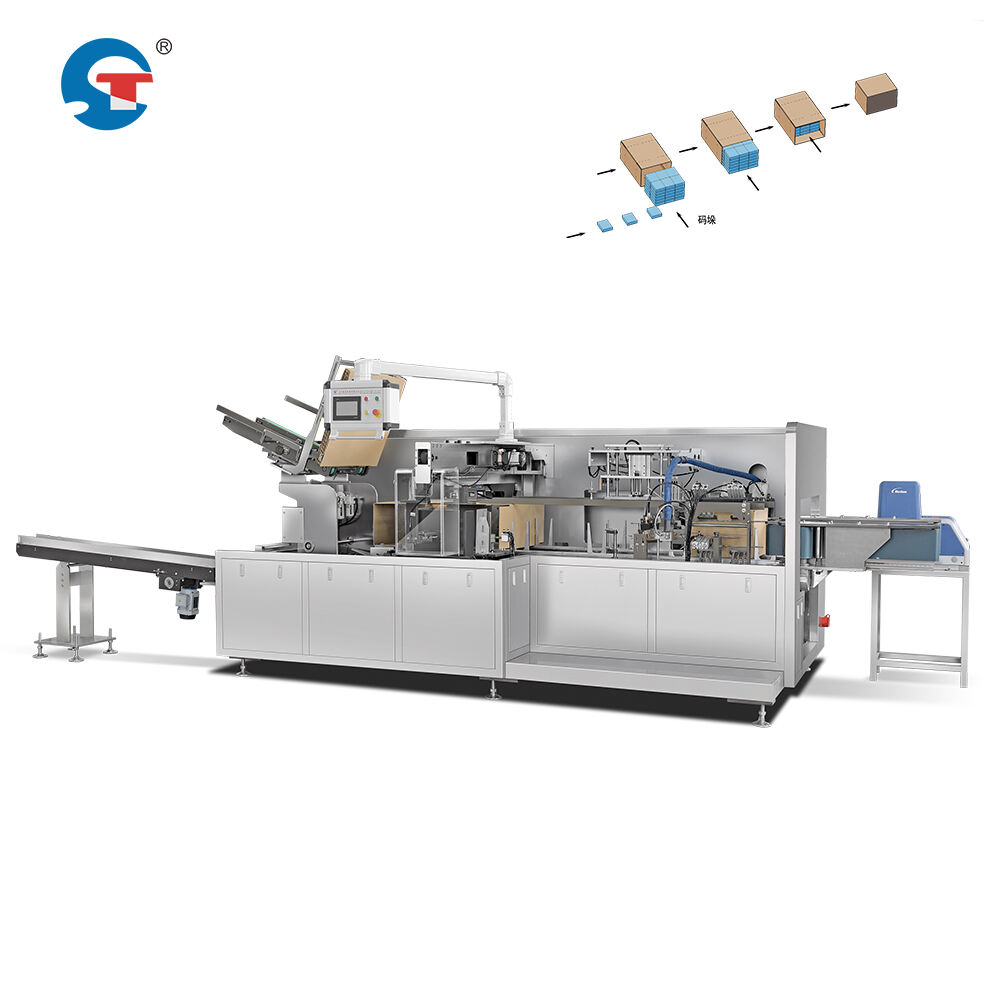
Manufacturing facilities across the food processing industry face mounting pressure to optimize operational expenses while maintaining high production standards. Among the most significant recurring costs in packaging operations is labor, which includes wages, training, supervision, and the indirect expenses associated with manual handling errors. A food cartoning machine represents a strategic investment that directly addresses these cost pressures by automating repetitive packaging tasks, minimizing human intervention requirements, and establishing consistent output rates that manual operations cannot match. This automation technology transforms packaging lines from labor-intensive processes into streamlined, efficient systems that require minimal supervision while delivering superior consistency and throughput.
The economic justification for implementing a food cartoning machine extends beyond simple headcount reduction. These automated systems fundamentally restructure packaging operations by eliminating bottlenecks, reducing quality control costs, minimizing product waste from handling errors, and enabling factories to reallocate skilled workers to higher-value tasks that require human judgment and expertise. Understanding the specific mechanisms through which cartoning automation reduces labor costs helps manufacturers calculate return on investment accurately and design packaging lines that maximize operational efficiency while maintaining flexibility for product changeovers and varying production volumes.
Direct Labor Reduction Through Packaging Automation
Elimination of Manual Box Forming and Loading Stations
Traditional manual packaging operations require dedicated workers to perform repetitive tasks such as retrieving flat carton blanks, folding them into three-dimensional boxes, loading products into the formed cartons, and closing the flaps for sealing. Each of these steps demands physical effort, attention to detail, and consistent execution throughout extended shifts. A food cartoning machine consolidates these multiple manual operations into a single automated process that runs continuously without fatigue or performance degradation. The machine automatically erects cartons from flat blanks, positions them precisely for product insertion, loads items at programmed intervals, and closes boxes with consistent fold quality.
This consolidation typically eliminates between two to four manual labor positions per packaging line, depending on production speed and product complexity. For facilities operating multiple shifts, the labor savings multiply accordingly, as the automated system requires only periodic supervision rather than continuous manual operation. The food cartoning machine maintains consistent cycle times regardless of shift changes, breaks, or workforce variations, ensuring predictable production output that manual operations struggle to achieve. Additionally, the reduction in manual handling positions decreases the associated costs of recruiting, training, and retaining workers for repetitive packaging roles that experience high turnover rates in many manufacturing environments.
Decreased Supervision and Quality Control Requirements
Manual packaging operations require constant supervision to maintain quality standards, ensure proper technique adherence, and address the inevitable variations in individual worker performance. Quality control personnel must regularly inspect manual packaging output to catch errors such as improperly closed cartons, incorrect product orientation, damaged packaging materials, or incomplete loads. A food cartoning machine dramatically reduces these supervision requirements by executing programmed sequences with mechanical precision, incorporating sensors that verify proper carton formation and product placement, and automatically rejecting defective units before they proceed to downstream processes.
The integrated quality verification capabilities of modern cartoning systems mean that one operator can effectively supervise multiple automated packaging lines simultaneously, whereas manual operations might require one supervisor for every three to five workers. This leverage effect compounds labor cost savings beyond the direct elimination of packaging positions. Furthermore, the consistent operation of a food cartoning machine reduces the frequency and severity of quality issues that require management intervention, rework authorization, or customer complaint resolution, all of which represent hidden labor costs that automation helps minimize.
Reduction in Material Handling and Transportation Labor
Beyond the immediate packaging stations, manual operations generate substantial labor requirements for material handling activities such as transporting carton blanks to workstations, moving finished packages to accumulation areas, and managing packaging material inventory. Workers must continuously replenish carton supplies at manual stations, remove completed packages to prevent workspace congestion, and coordinate these logistics activities with production schedules. A food cartoning machine integrates with automated feeding systems that deliver carton blanks directly from bulk storage magazines, and connects to downstream conveyor systems that automatically transport finished packages to case packing or palletizing operations.
This integration eliminates dedicated material handling positions and reduces the frequency of forklift operations, warehouse staff involvement, and coordination overhead between packaging and logistics personnel. The continuous flow enabled by automated cartoning systems means that materials move through the packaging process without manual intervention, reducing touch points and the associated labor time. For facilities processing multiple product types, the food cartoning machine can be equipped with quick-change carton magazines that minimize changeover labor, allowing a single operator to switch between different package sizes with minimal downtime compared to the extensive setup and training time required when transitioning manual packaging crews to new product formats.
Indirect Labor Cost Savings from Operational Efficiency
Minimized Training Time and Skill Requirements
Manual packaging operations require comprehensive training programs to ensure workers understand proper techniques, quality standards, ergonomic practices, and safety protocols. New employees typically require several days to weeks of hands-on training before achieving acceptable productivity and quality levels, during which both trainers and trainees represent labor costs without proportional output. Employee turnover in manual packaging positions necessitates continuous training cycles that represent a persistent labor expense. A food cartoning machine fundamentally changes this cost structure by requiring operators with machine tending skills rather than manual packaging expertise.
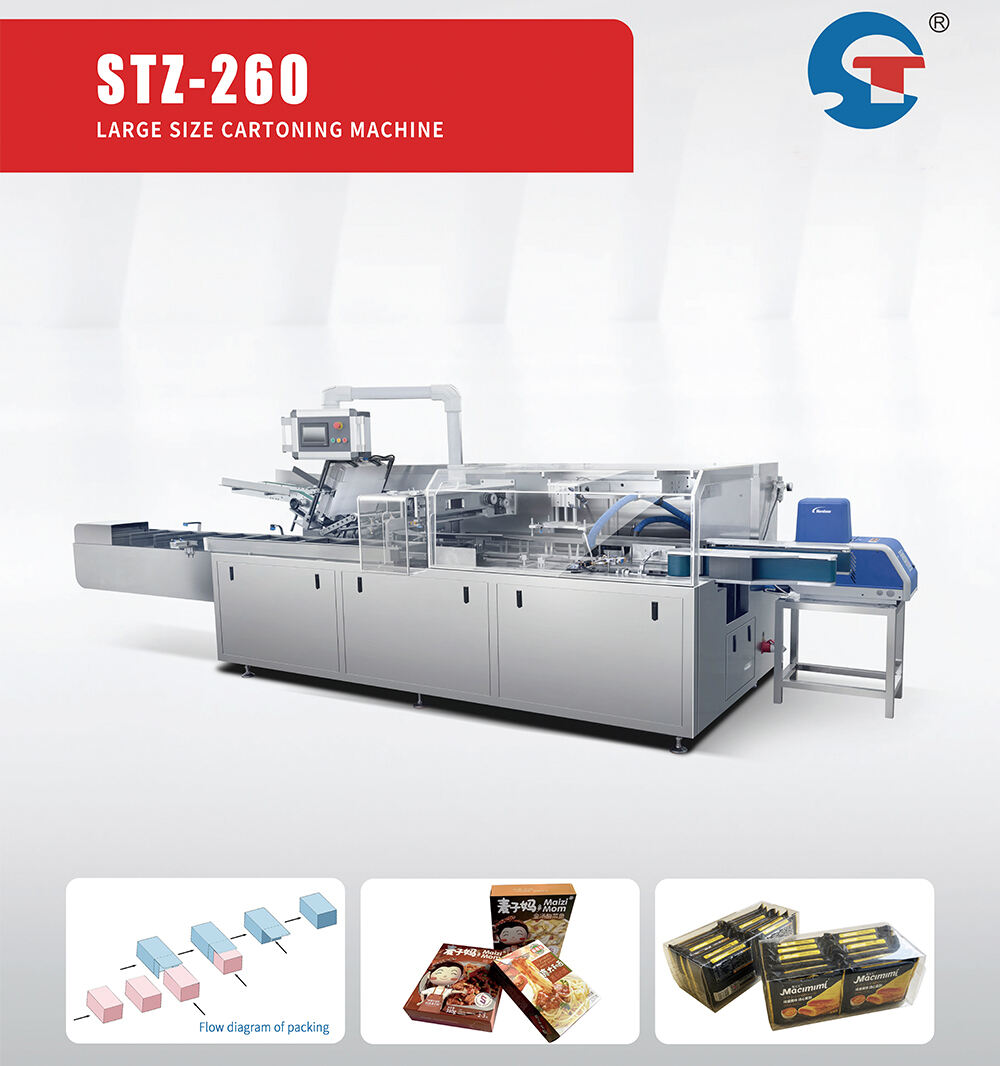
Operating a food cartoning machine involves monitoring system status, loading carton magazines, responding to fault indicators, and performing basic changeovers using guided procedures displayed on machine interfaces. These tasks require significantly less training time compared to developing manual packaging proficiency, allowing new operators to reach productive contribution within hours or days rather than weeks. The simplified skill requirements also expand the available labor pool and reduce the wage premiums necessary to attract and retain qualified packaging personnel. Additionally, the standardized operation of automated systems means that training investments are more durable, as the knowledge remains relevant across shift rotations and production schedule changes without the skill degradation that occurs when manual workers transition between different assignments.
Reduced Error Correction and Rework Labor
Human error in manual packaging operations generates substantial hidden labor costs through detection activities, segregation of defective units, rework processes, and documentation requirements. Common manual packaging errors include improper carton assembly that fails during handling, incorrect product counts or orientations, damaged packaging materials from mishandling, and inconsistent closure quality that compromises product protection. Each error instance requires labor time to identify the problem, remove the defective unit from the production flow, determine whether the product can be repackaged or must be discarded, and execute the corrective action.
A food cartoning machine operates with programmed precision that eliminates the variability inherent in human performance, dramatically reducing packaging defect rates to levels typically measured in parts per thousand rather than the percentages common in manual operations. The mechanical consistency of automated carton forming, precise product placement guided by servo-controlled mechanisms, and consistent closure pressure application result in uniform package quality that meets specifications without the variation that characterizes manual work. This reliability reduces quality control labor, eliminates most rework activities, and decreases the supervisory time spent addressing packaging problems. The cumulative effect of these error-prevention capabilities represents a significant indirect labor cost reduction that compounds the direct savings from eliminated packaging positions.
Decreased Workplace Injury and Compensation Costs
Repetitive manual packaging tasks create substantial risks for repetitive strain injuries, musculoskeletal disorders, and acute injuries from handling packaging materials or products. Workers performing continuous carton folding, product loading, and box closure operations experience cumulative stress on hands, wrists, shoulders, and backs that frequently leads to workplace injury claims, workers' compensation expenses, and productivity losses from injured employee absences. These injury-related costs include direct medical expenses, compensation payments, temporary replacement labor, accident investigation time, and the administrative burden of managing injury claims and regulatory reporting.
Implementing a food cartoning machine removes workers from these high-risk repetitive tasks, transferring the mechanical stress to engineered systems designed to handle continuous operation without fatigue or injury. The reduction in manual handling substantially decreases injury frequency and severity, lowering workers' compensation insurance premiums, reducing lost-time incidents, and eliminating the hidden costs of managing workplace injuries. For facilities with significant manual packaging operations, the injury cost savings alone can represent a meaningful portion of the financial justification for automation investment. Additionally, improved workplace safety enhances employee morale, reduces turnover driven by injury concerns, and strengthens the facility's safety culture, creating positive secondary effects that further reduce labor-related costs.
Production Efficiency Improvements That Leverage Labor Resources
Increased Throughput Without Proportional Labor Increases
Manual packaging operations face inherent throughput limitations determined by human physical capabilities and sustained attention spans. Even highly skilled workers cannot maintain consistent high-speed packaging throughout extended periods, with productivity typically declining after initial shift hours due to fatigue effects. Increasing production volume in manual operations requires proportional increases in workforce size, creating a linear relationship between output and labor costs. A food cartoning machine breaks this linear relationship by delivering consistent high-speed operation that scales production output without proportional labor increases.
Modern cartoning systems operate at speeds ranging from 60 to over 200 cartons per minute depending on product characteristics and package complexity, maintaining these rates continuously throughout production runs. This throughput capability means that a single food cartoning machine with one operator can match the output of five to ten manual packaging workers, fundamentally changing the labor economics of packaging operations. When production demands increase, facilities with automated cartoning can often meet higher volumes by extending operating hours or adding shifts with minimal labor increases, whereas manual operations would require proportionally larger workforce additions. This scalability advantage allows manufacturers to respond to market demand fluctuations with labor flexibility that manual operations cannot provide.
Extended Operating Hours with Minimal Additional Labor
Manual packaging operations face practical constraints on extended operating schedules due to worker availability, overtime cost premiums, and the performance degradation that occurs during extended shifts. Running manual packaging operations beyond standard hours requires additional workers or overtime payments that significantly increase labor costs per unit produced. A food cartoning machine enables extended or continuous operation with minimal additional labor requirements, as the automated system maintains consistent performance regardless of operating duration, requiring only periodic supervision and material replenishment.
Facilities can operate a food cartoning machine for extended shifts or implement lights-out production during overnight hours with skeletal staffing, maximizing asset utilization without the exponential labor cost increases that characterize extended manual operations. This capability proves particularly valuable for facilities facing seasonal demand peaks, unexpected order surges, or production recovery scenarios following equipment maintenance. The labor efficiency of extended automated operation means that manufacturers can meet variable demand patterns with stable labor costs, avoiding the hiring and layoff cycles that generate recruitment, training, severance, and unemployment insurance expenses associated with scaling manual workforces up and down in response to production volume changes.
Improved Labor Allocation to Value-Added Activities
Perhaps the most strategically significant labor cost benefit of implementing a food cartoning machine is not the reduction in total headcount, but rather the reallocation of labor resources from low-value repetitive tasks to higher-value activities that drive competitive advantage. Workers displaced from manual packaging positions can be retrained and reassigned to roles such as quality assurance, process improvement, preventive maintenance, production planning, or customer service functions that directly contribute to operational excellence and customer satisfaction.
This labor reallocation transforms packaging automation from a cost-cutting initiative into a strategic workforce optimization that enhances overall facility performance. Rather than viewing the food cartoning machine solely as a headcount reduction tool, progressive manufacturers recognize it as an enabler of workforce development that allows human talent to focus on problem-solving, innovation, and customer-facing activities where human judgment creates distinctive value. This perspective shifts the labor cost discussion from simple expense reduction to return on human capital investment, recognizing that automation allows facilities to deploy their workforce more effectively while improving both cost structure and competitive capabilities.
Equipment Selection and Implementation Factors Affecting Labor Savings
Machine Speed and Throughput Capabilities
The labor cost reduction achieved through cartoning automation depends significantly on selecting equipment with appropriate speed capabilities for the facility's production requirements. Undersized equipment that cannot match upstream production rates creates bottlenecks that require manual intervention or supplementary packaging capacity, negating potential labor savings. Conversely, overspecified equipment with excessive speed capabilities represents unnecessary capital investment without proportional labor cost benefits. Effective equipment selection requires careful analysis of current and projected production volumes, product mix variability, and the typical operating hours that the food cartoning machine will support.
Manufacturers should evaluate cartoning equipment speed ratings in the context of realistic sustained operating conditions rather than theoretical maximum speeds. Factors such as carton size changeovers, product characteristics that affect handling complexity, and integration with upstream and downstream equipment all influence practical throughput. A food cartoning machine specification that aligns with actual production requirements maximizes labor savings by eliminating exactly the number of manual positions necessary without excess capacity that goes unutilized. Additionally, selecting equipment with appropriate speed capabilities ensures that the single operator supervising the automated system can effectively monitor performance and respond to conditions without becoming overwhelmed during peak operating periods.
Changeover Speed and Flexibility Requirements
Facilities producing multiple product variations or frequently changing package sizes face different labor cost considerations than high-volume single-product operations. Manual packaging operations demonstrate inherent flexibility, as workers can quickly adapt to different products with minimal setup time, though at the cost of lower throughput and higher per-unit labor content. A food cartoning machine typically requires changeover procedures when switching between different carton sizes, product configurations, or packaging materials, and the labor efficiency of automated operations depends heavily on minimizing changeover time and complexity.
Modern cartoning systems incorporate quick-change features such as tool-free adjustment mechanisms, recipe-driven parameter storage that eliminates manual setup calculations, and modular format parts that can be exchanged rapidly. These design features determine whether changeovers can be accomplished by a single operator in minutes rather than requiring multiple technicians for extended periods. For facilities with frequent product transitions, the labor cost analysis must account for changeover time as a proportion of total operating hours, recognizing that a food cartoning machine with superior changeover capabilities delivers labor savings even in high-mix production environments by minimizing the non-productive time during which operators are adjusting equipment rather than producing packages.
Integration with Upstream and Downstream Automation
The labor savings potential of a food cartoning machine amplifies significantly when the equipment integrates seamlessly with upstream product handling systems and downstream case packing or palletizing operations. Isolated automation islands that require manual material transfer at interfaces create labor requirements that diminish the overall efficiency gains from individual automated equipment. Comprehensive line integration that enables continuous product flow from processing through final package formation eliminates these interface labor positions and maximizes the leverage ratio between supervisory operators and total throughput.
Effective integration requires attention to communication protocols that enable coordinated operation between equipment from different suppliers, mechanical interfaces that ensure smooth product transfer without jamming or damage, and synchronized speed control that prevents accumulation or starvation conditions. When properly implemented, an integrated packaging line featuring a food cartoning machine can operate with supervisory oversight from a single operator managing multiple process stages, whereas disconnected equipment would require dedicated operators at each stage. The integration investment represents a critical factor in realizing maximum labor cost reduction, as the cumulative savings across the entire packaging line substantially exceed the benefits captured by automating only the cartoning operation in isolation.
FAQ
What is the typical payback period for a food cartoning machine based on labor savings alone?
The payback period for a food cartoning machine varies based on factors including equipment cost, production volume, local labor rates, and the number of shifts operated, but typically ranges from 18 to 36 months when considering direct labor savings only. Facilities operating multiple shifts with higher local wage rates achieve faster payback, while single-shift operations or locations with lower labor costs experience longer return periods. Including indirect savings from reduced quality issues, lower injury costs, and improved material efficiency often shortens the payback period by 20 to 40 percent compared to calculations based solely on eliminated manual positions.
Can a food cartoning machine operate effectively with completely unskilled operators?
While a food cartoning machine significantly reduces the skill requirements compared to manual packaging operations, effective operation still requires operators with basic mechanical aptitude, attention to system status indicators, and ability to follow standardized procedures for material loading and simple troubleshooting. Most facilities find that operators with minimal technical training can effectively manage cartoning equipment within a few days of instruction, but completely untrained personnel without any manufacturing experience would require structured onboarding. The skill level required is substantially lower than specialized packaging technicians, allowing facilities to staff these positions from a broader labor pool at competitive wage rates.
How does automation affect labor costs during seasonal production peaks?
A food cartoning machine provides significant labor cost advantages during seasonal production peaks by enabling volume increases through extended operating hours rather than temporary workforce expansion. Facilities with automated cartoning can respond to seasonal demand by adding shifts or extending daily operation with minimal additional labor, avoiding the recruitment, training, and eventual severance costs associated with temporary manual packaging workers. This approach provides both cost savings and operational stability, as the facility maintains a consistent core workforce rather than managing the quality and productivity variations that accompany rapid temporary staff onboarding and the subsequent training investments that provide no long-term value when seasonal workers depart.
What ongoing labor is required to maintain and support a food cartoning machine?
A food cartoning machine requires periodic maintenance labor for routine tasks such as cleaning, lubrication, wear part replacement, and calibration checks, typically totaling 2 to 4 hours per week depending on operating intensity and environmental conditions. Most facilities assign these tasks to existing maintenance personnel as part of their regular preventive maintenance schedules rather than requiring dedicated cartoning machine technicians. More complex repairs or adjustments may require specialized service support from equipment suppliers, but modern cartoning systems feature diagnostic capabilities and remote monitoring options that minimize unplanned maintenance labor. When accounting for maintenance labor in total cost calculations, the ongoing support requirements represent a small fraction of the labor costs eliminated from manual packaging operations, maintaining a strongly positive labor cost equation even after accounting for all support activities required to sustain automated operation.
Table of Contents
- Direct Labor Reduction Through Packaging Automation
- Indirect Labor Cost Savings from Operational Efficiency
- Production Efficiency Improvements That Leverage Labor Resources
- Equipment Selection and Implementation Factors Affecting Labor Savings
-
FAQ
- What is the typical payback period for a food cartoning machine based on labor savings alone?
- Can a food cartoning machine operate effectively with completely unskilled operators?
- How does automation affect labor costs during seasonal production peaks?
- What ongoing labor is required to maintain and support a food cartoning machine?