
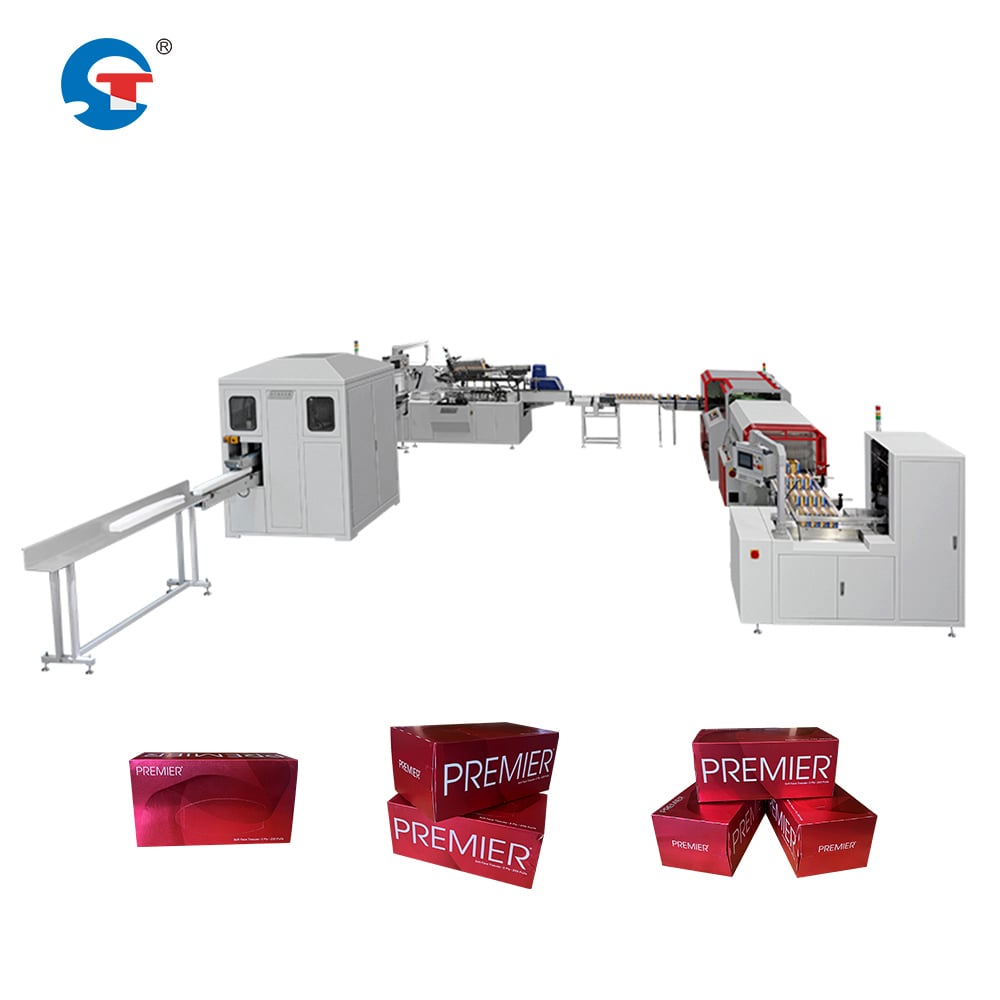
A facial tissue production line represents a comprehensive manufacturing solution that directly addresses one of the most critical challenges in tissue converting: maintaining consistent product quality while scaling output. Modern tissue paper machine automation has revolutionized how manufacturers approach quality assurance, eliminating manual inspection bottlenecks and reducing defect rates to near-zero levels. The integration of advanced sensors, real-time monitoring systems, and precision control mechanisms within facial tissue manufacturing equipment ensures that every roll meets strict industry standards before packaging.
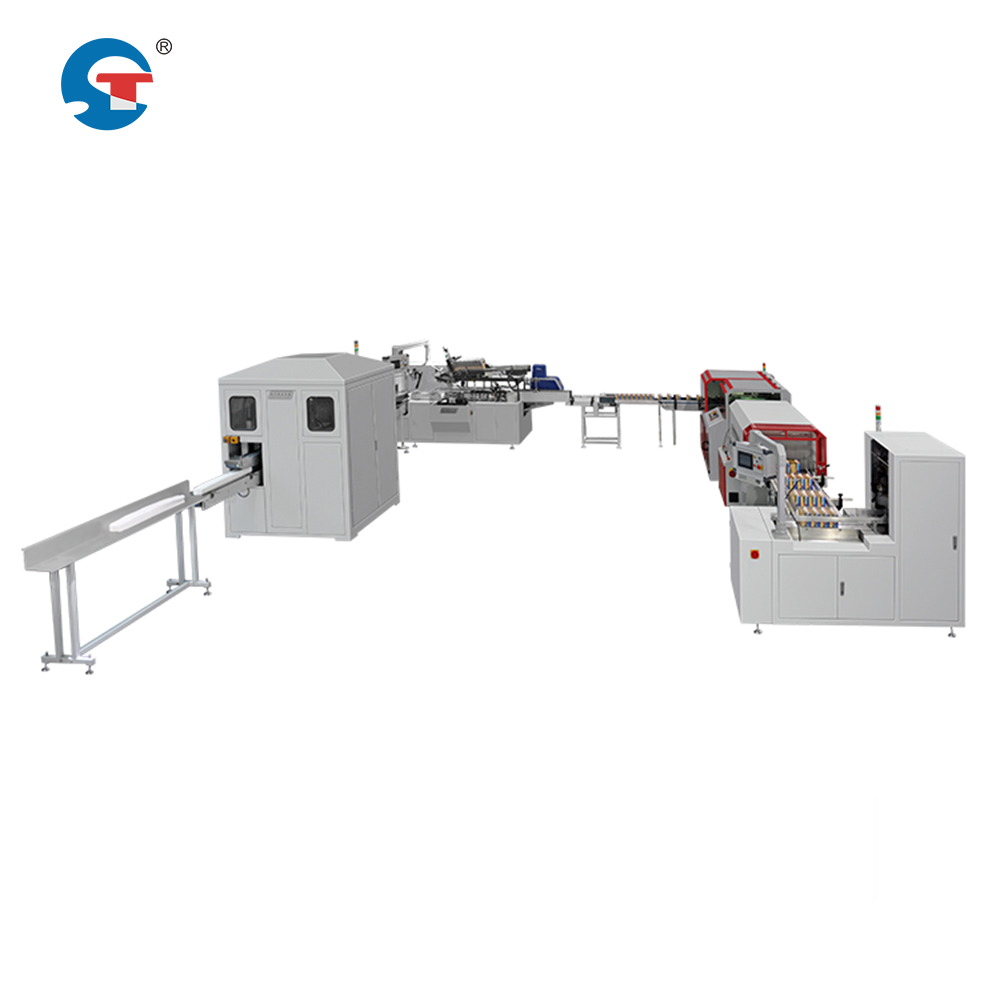
Quality control in tissue production historically relied on visual inspection and statistical sampling, leaving significant room for inconsistency. Today, tissue converting machine specifications incorporate automated defect detection, thickness uniformity monitoring, and strength verification systems that operate continuously during production. This shift toward integrated quality management means manufacturers can achieve superior product consistency, reduce waste, and respond immediately to any parameter drift before defective products are produced.
Automated Defect Detection in Tissue Converting Systems
Real-Time Surface Inspection Technology
Tissue converting machine specifications now include sophisticated optical scanning systems that inspect every centimeter of tissue as it moves through the production line. These cameras detect tears, holes, weak spots, density variations, and contamination with precision that human inspectors cannot match. The tissue paper machine automation continuously compares live images against defined quality parameters, allowing operators to adjust process variables immediately when deviations occur. This real-time feedback loop prevents entire batches from being compromised by early-stage equipment drift.
Multi-Point Quality Verification
Modern facial tissue manufacturing equipment integrates multiple inspection checkpoints throughout the production sequence. Pulp quality is verified at the wet-end, sheet formation uniformity is monitored across the forming fabric, calender pressure is adjusted automatically to maintain thickness tolerances, and emboss depth is verified before converting and packaging. Each checkpoint feeds data into a central quality management system that tracks performance metrics continuously. When any parameter exceeds predetermined limits, the system alerts operators and can automatically adjust machine settings or flag product for rework or downgrade.
Process Parameter Control and Optimization
Precision Automation in Tissue Production
Tissue paper machine automation eliminates the guesswork from critical production variables. Temperature control across dryer sections maintains within 0.5 degrees Celsius, creping blade pressure adjusts automatically based on tissue properties, and rewetting systems apply exact moisture percentages to achieve target softness. Facial tissue manufacturing equipment featuring these controls delivers remarkable consistency from the first roll to the last, regardless of raw material variations or environmental conditions. The result is products that consumers recognize by their reliable quality and performance every single time they purchase.
Machine Learning and Predictive Adjustment
Advanced tissue converting machine specifications now incorporate machine learning algorithms that predict quality issues before they develop. These systems analyze historical production data to identify patterns preceding defects, then make preventive adjustments to process parameters. For example, if data shows that certain material batches tend to cause thickness variations four hours into production, the system automatically modifies forming speed or press pressure proactively. This predictive capability reduces scrap rates significantly and ensures that facial tissue production line operators maintain consistent quality metrics throughout each production shift.
Integration of Quality Data and Continuous Improvement
Comprehensive Quality Documentation and Traceability
Modern facial tissue manufacturing equipment connects to manufacturing execution systems that document every parameter, measurement, and corrective action in real time. This digital record provides complete traceability for every batch produced, enabling rapid identification of the cause if customer complaints arise. Quality trending tools within tissue converting machine specifications track performance metrics over weeks and months, revealing opportunities for further optimization. Manufacturers can demonstrate compliance with industry standards and customer specifications through objective data rather than assumptions.
Continuous Improvement Through Data Analytics
Tissue paper machine automation collects vast quantities of operational data that reveal improvement opportunities invisible to traditional management. Analytics identify correlations between raw material properties and finished product performance, quantify the impact of maintenance actions on quality consistency, and reveal the optimal settings for different product configurations. This data-driven approach to quality control transforms production from reactive problem-solving into proactive optimization. Manufacturers who leverage these insights achieve lower defect rates, reduced raw material waste, and higher customer satisfaction compared to facilities still relying on conventional quality management methods.
FAQ
How does tissue converting machine automation reduce defect rates?
Automated systems inspect continuously across multiple parameters simultaneously, detect issues in real time before full batch compromise, and make immediate corrective adjustments. This eliminates the lag inherent in manual inspection and sampling methods, ensuring defects are caught at the source rather than discovered during packaging or customer use.
What specific measurements does facial tissue manufacturing equipment monitor for quality?
Modern equipment monitors tissue thickness uniformity, basis weight, moisture content, tensile strength, softness, brightness, dust levels, emboss depth, and sheet density. Each measurement is compared continuously against target specifications, with automated alerts and adjustments triggered when parameters drift beyond acceptable ranges.
Can tissue paper machine automation adapt to different product grades?
Yes, advanced systems store production recipes for different tissue grades and product configurations. Operators select the desired product specification, and the facial tissue production line automatically adjusts all machine parameters, inspection thresholds, and quality targets to match that recipe, ensuring consistent results regardless of which product runs are scheduled.