
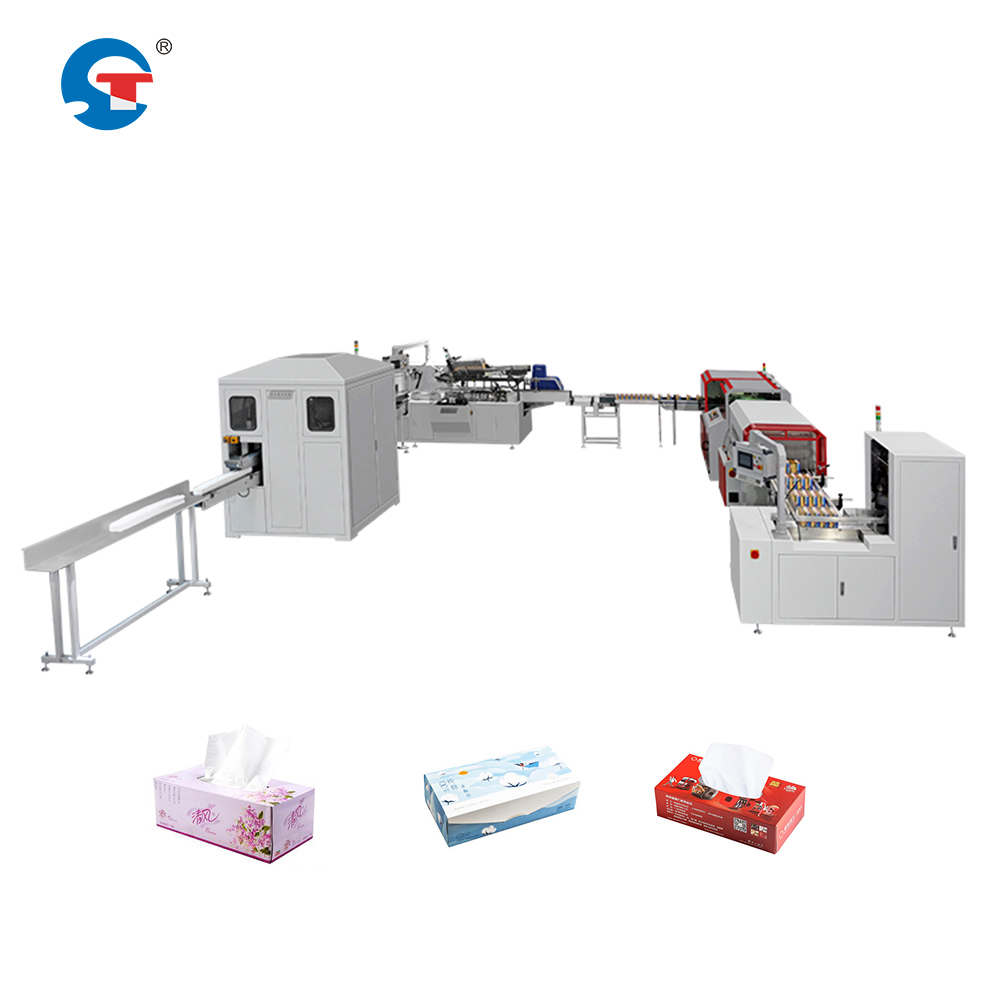
Investing in a facial tissue production line represents a significant capital commitment for tissue manufacturers. The decision involves evaluating multiple interconnected factors that directly impact long-term profitability, operational efficiency, and market competitiveness. Understanding these decision drivers helps manufacturers align equipment selection with business strategy and production goals.
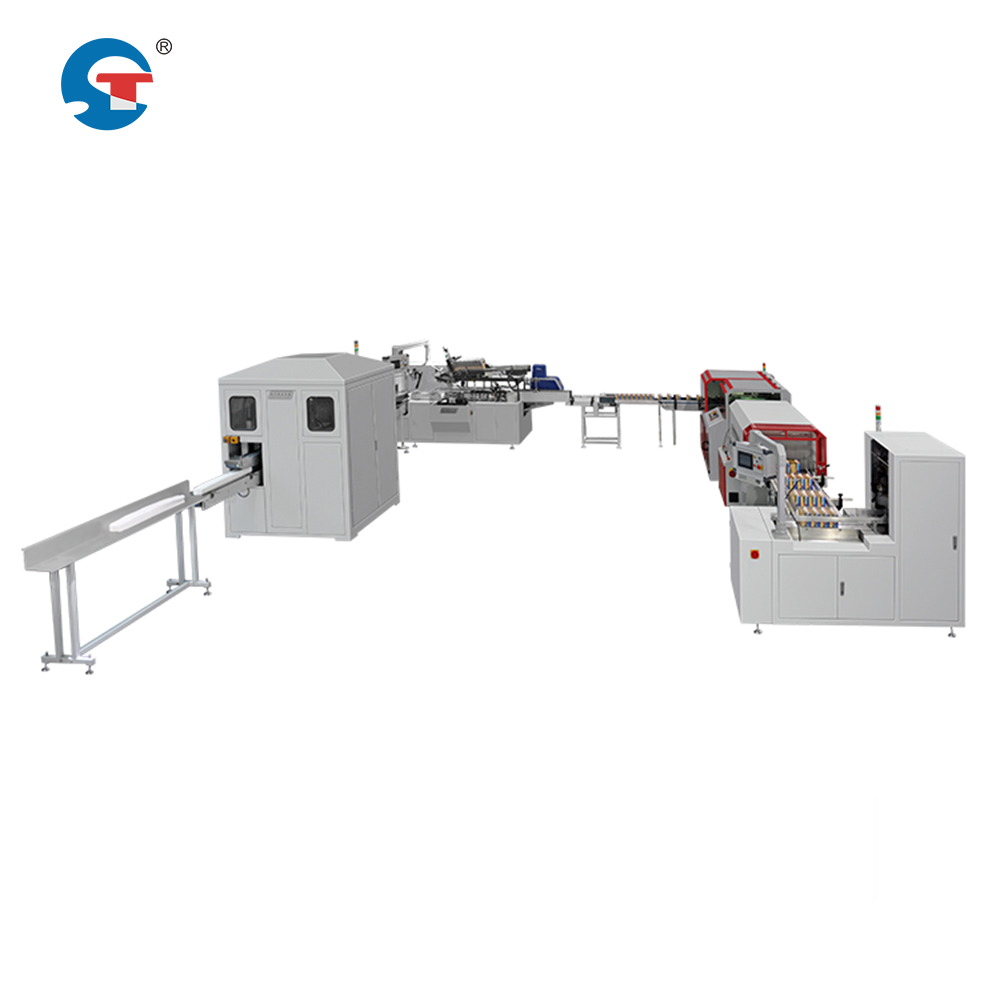
Tissue paper manufacturing equipment selection requires balancing initial capital expenditure against operational performance metrics, production capacity, and the specific market segment your facility will serve. Manufacturers must evaluate whether tissue converting machinery specifications align with their target tissue types, packaging formats, and volume forecasts to ensure the investment delivers measurable returns.
Production Capacity and Market Demand Alignment
Defining Optimal Output Capacity
Market demand directly shapes the appropriate capacity for your tissue paper manufacturing equipment. A facial tissue production line must match your target market volume to avoid underutilization or bottleneck constraints. Underestimating demand leads to lost sales and competitive disadvantage, while overestimating capacity creates idle assets and cash flow pressure. Careful market analysis, customer contracts, and demand forecasts should inform your capacity selection.
Scalability and Future Growth
Tissue converting machinery specifications should support growth without requiring complete equipment replacement. Modern facial tissue machine efficiency optimization focuses on modular designs that allow production increases through line expansion or enhanced control systems. Choosing equipment with built-in scalability protects your investment if market conditions shift or customer demand expands. Consider whether the machinery can handle product variations or new tissue formats your business might introduce.
Operational Efficiency and Cost Performance
Energy Consumption and Resource Utilization
Tissue paper manufacturing equipment efficiency directly impacts operating costs over the production line's lifecycle. Energy consumption per unit, raw material waste rates, and water usage vary significantly across equipment manufacturers. Facial tissue machine efficiency optimization should include detailed power consumption analysis, maintenance requirements, and spare parts availability. Lower energy intensity translates to reduced operating expenses and improved margins, particularly important in competitive tissue markets where pricing pressures are intense.
Downtime and Maintenance Impact
Production downtime costs accumulate rapidly in tissue converting operations. Tissue converting machinery specifications must address reliability, mean time between failures, and maintenance accessibility. Equipment designed for quick changeovers, easy cleaning, and minimal setup time reduces production delays and increases annual throughput. Evaluate the manufacturer's service record, spare parts network, and technical support capabilities before committing to a facial tissue production line investment.
Quality Control and Product Specifications
Output Quality and Consistency
Customer expectations for tissue quality drive purchasing decisions in retail markets. Facial tissue production line equipment must deliver consistent softness, strength, absorption, and appearance across production runs. Quality consistency reduces waste, customer complaints, and returns while building brand reputation. Tissue paper manufacturing equipment with advanced monitoring systems and real-time adjustment capabilities maintains tighter quality tolerances and reduces variation between batches.
Flexibility for Product Innovation
Market opportunities often emerge for specialized tissue formats, embossing patterns, or feature combinations. Tissue converting machinery specifications should permit product customization and rapid format changes to capitalize on market trends. Equipment flexibility enables your facility to respond to customer requests for premium products, seasonal variations, or niche market segments. Facial tissue machine efficiency optimization extends beyond pure speed to include the ability to produce diverse product specifications profitably.
Financial and Strategic Considerations
Capital Investment and Payback Timeline
Initial purchase price represents only one component of total investment cost. Installation, infrastructure modifications, training, and startup commissioning add substantially to capital requirements. Calculate the payback period by dividing total investment by annual net cash flow contribution from the facial tissue production line. Manufacturers typically expect payback within three to five years for tissue equipment investments, though this varies by market conditions and facility utilization rates.
Regulatory and Compliance Requirements
Environmental regulations, food-contact safety standards, and workplace safety codes influence equipment specifications. Tissue paper manufacturing equipment must comply with applicable regulations in your operating region. Some facial tissue machine efficiency optimization features may exceed minimum requirements but provide competitive advantages or future-proof your investment. Verify that tissue converting machinery specifications meet all relevant certifications and environmental standards before purchase to avoid costly retrofits or operational disruptions.
FAQ
What is the typical investment range for a facial tissue production line?
Investment costs for facial tissue production line systems typically range from several hundred thousand to multiple million dollars, depending on capacity, automation level, and tissue converting machinery specifications. Entry-level systems serving smaller markets may cost less, while high-speed automated lines serving large regional markets represent larger capital commitments. Obtain equipment quotes and conduct detailed ROI analysis aligned with your specific production volume forecasts.
How does facial tissue machine efficiency optimization impact return on investment?
Facial tissue machine efficiency optimization directly improves ROI by reducing per-unit operating costs and increasing annual production throughput. Lower energy consumption, reduced waste, and minimized downtime translate to higher profit margins and faster payback periods. Equipment featuring advanced controls, real-time monitoring, and tissue converting machinery specifications optimized for your specific tissue types can improve ROI by 15 to 25 percent compared to older technology baseline systems.
What factors should influence the choice between new and used tissue paper manufacturing equipment?
Used tissue paper manufacturing equipment offers lower capital costs but carries uncertainty regarding remaining service life, available spare parts, and support. New facial tissue production line systems provide manufacturer support, warranty coverage, and access to latest facial tissue machine efficiency optimization features. Evaluate the purchase price difference, expected maintenance costs, technology advancement benefits, and residual value when comparing new versus used tissue converting machinery specifications for your specific application.