
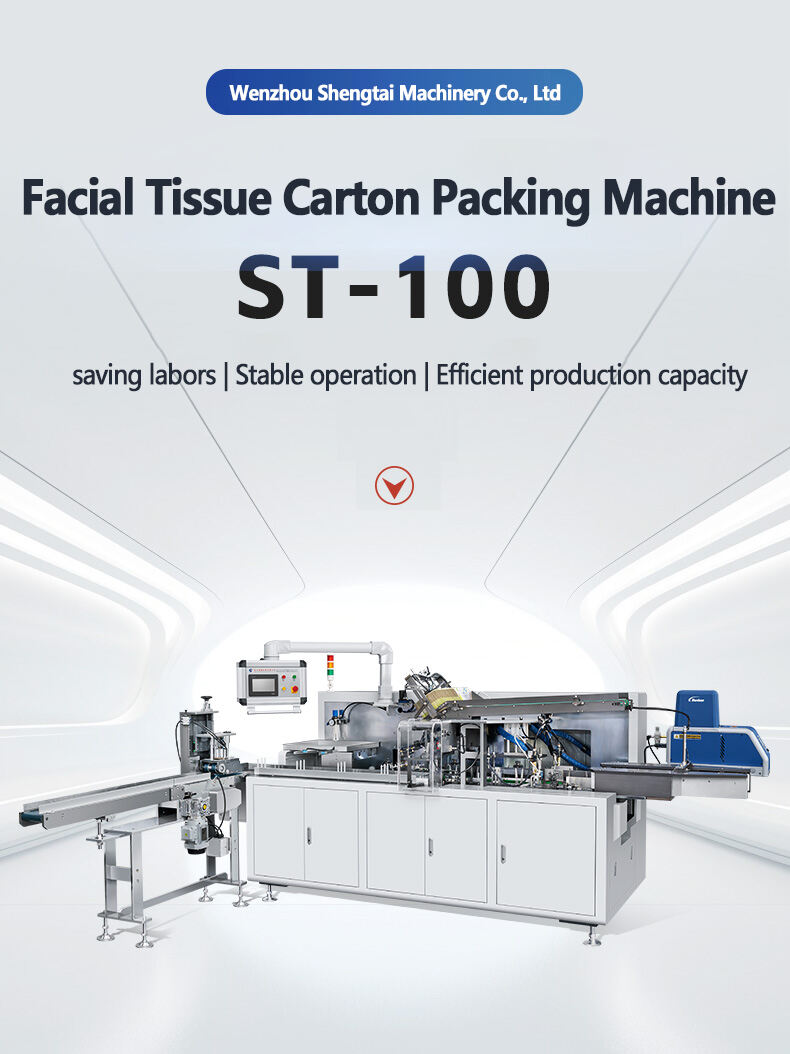
Manufacturing industries across diverse sectors rely heavily on automated packaging solutions to maintain efficiency and product integrity. Among these solutions, cartoning machines play a pivotal role in ensuring products reach consumers in pristine condition while optimizing production workflows. The requirements for cartoning machines vary significantly between industries, with each sector demanding specific features, capabilities, and performance standards tailored to their unique operational needs.
Understanding these industry-specific requirements is crucial for manufacturers seeking to invest in the right packaging equipment. From pharmaceutical companies requiring sterile environments to food processors demanding hygienic operations, each sector presents distinct challenges that influence cartoning machine selection. The complexity of products, regulatory compliance standards, production volumes, and packaging materials all contribute to these varying requirements.
Pharmaceutical Industry Requirements for Cartoning Equipment
Regulatory Compliance and Validation Standards
The pharmaceutical industry maintains the most stringent requirements for cartoning machines due to critical safety and regulatory considerations. Pharmaceutical cartoning machines must comply with Good Manufacturing Practice (GMP) standards and undergo extensive validation processes to ensure product safety and efficacy. These machines require comprehensive documentation, including Installation Qualification (IQ), Operational Qualification (OQ), and Performance Qualification (PQ) protocols.
Serialization capabilities represent another essential requirement for pharmaceutical cartoning machines. With global track-and-trace regulations becoming increasingly prevalent, these machines must integrate seamlessly with serialization systems to apply unique identifiers to each package. This integration ensures product authentication and helps combat counterfeit medications in the supply chain.
Sterile Environment and Material Handling
Pharmaceutical cartoning machines must operate within controlled environments that maintain sterility and prevent contamination. These systems require specialized design features such as enclosed processing areas, HEPA filtration systems, and sanitization protocols. The materials used in construction must be compatible with frequent cleaning and sterilization procedures without degradation or contamination risks.
Product handling mechanisms in pharmaceutical cartoning machines must accommodate delicate items such as vials, ampoules, and blister packs without causing damage. Gentle handling systems with adjustable parameters ensure product integrity while maintaining high-speed operation. Temperature and humidity control within the cartoning environment also becomes critical for moisture-sensitive medications.
Food and Beverage Industry Packaging Specifications
Hygiene and Food Safety Standards
Food industry cartoning machines must adhere to strict hygiene standards to prevent contamination and ensure food safety. These machines require food-grade materials in all product contact areas and must be designed for easy cleaning and sanitization. Stainless steel construction with smooth surfaces and minimal crevices helps eliminate bacterial growth opportunities and facilitates thorough cleaning procedures.
HACCP (Hazard Analysis and Critical Control Points) compliance forms the foundation for food industry cartoning machines. These systems must incorporate monitoring capabilities for critical control points such as temperature, humidity, and contamination prevention. Regular validation of cleaning procedures and microbiological testing ensures ongoing compliance with food safety regulations.
Product Variety and Packaging Flexibility
The food and beverage industry demands exceptional flexibility from cartoning machines due to diverse product formats and seasonal variations. These machines must handle everything from frozen foods requiring cold-chain packaging to delicate bakery items needing gentle handling. Quick changeover capabilities enable manufacturers to switch between different product lines efficiently, minimizing downtime and maximizing productivity.
Cartoning machines in food applications must accommodate various carton styles, from traditional folding cartons to specialty packaging formats. The ability to handle different carton materials, including recycled and sustainable options, becomes increasingly important as environmental concerns drive packaging innovations. Integration with upstream and downstream equipment ensures seamless production line flow for diverse food products.
Cosmetics and Personal Care Product Considerations
Aesthetic Quality and Brand Presentation
Cosmetics industry cartoning machines prioritize aesthetic perfection and brand presentation quality. These machines must handle delicate packaging materials without causing scratches, dents, or other visual imperfections that could compromise product appeal. Precision control systems ensure consistent carton formation and closure quality, maintaining the premium appearance expected in cosmetics packaging.
Variable data printing capabilities enable cosmetics cartoning machines to apply batch codes, expiration dates, and promotional information while maintaining packaging aesthetics. Integration with vision inspection systems helps detect and reject packages with print defects or aesthetic flaws before they reach consumers. The ability to handle specialty packaging features such as embossing, foil stamping, and unique closure mechanisms adds value to cosmetics packaging operations.
Product Protection and Shelf Appeal
Cosmetics cartoning machines must protect products from environmental factors while enhancing shelf appeal. These systems require precise control over packaging tension to prevent damage to glass containers or delicate applicators while ensuring secure product retention. The handling of various product shapes and sizes, from lipstick tubes to large skincare jars, demands flexible gripper systems and adjustable guides.
Tamper-evident features integrated into cosmetics cartoning machines help ensure product authenticity and consumer safety. These features may include specialized adhesive applications, security tapes, or unique closure mechanisms that clearly indicate if packaging has been compromised. The machines must apply these security features consistently without affecting packaging aesthetics or functionality.
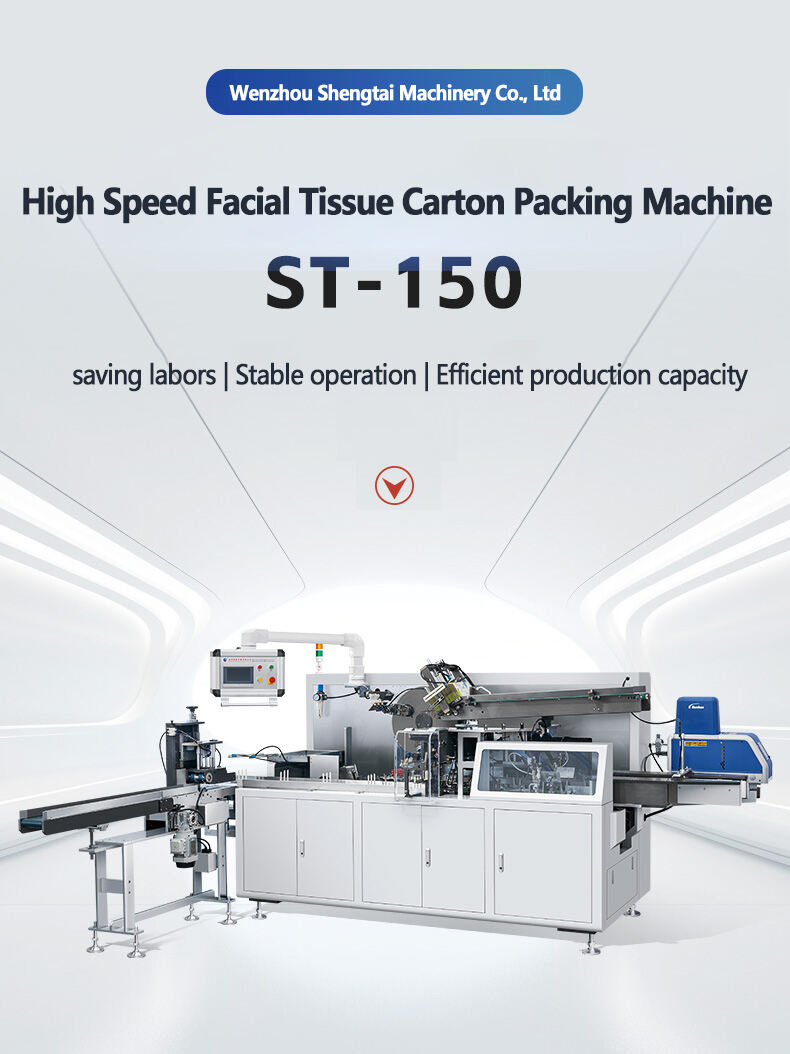
Electronics and Technology Sector Packaging Needs
Static Protection and Environmental Shielding
Electronics industry cartoning machines must incorporate specialized features to protect sensitive components from static electricity and environmental hazards. Anti-static materials and grounding systems throughout the machine prevent electrostatic discharge that could damage electronic components during packaging. These machines often require integration with ESD-safe conveyor systems and handling mechanisms.
Environmental protection features in electronics cartoning machines include moisture barriers, oxygen absorbers, and desiccant integration capabilities. These systems must accommodate specialized packaging materials such as anti-static bags, conductive foams, and barrier films that protect electronic components during storage and transportation. Precise control over packaging tension prevents damage to circuit boards and delicate components.
Precision Handling and Component Protection
Electronics cartoning machines require exceptional precision in product handling due to the fragile nature of electronic components. Variable-force handling systems adjust pressure based on product characteristics, ensuring adequate security without causing damage. Integration with robotic picking systems enables gentle handling of irregularly shaped items such as circuit boards, cables, and connectors.
Traceability features in electronics cartoning machines support quality control and warranty management. Barcode printing and scanning capabilities enable tracking of individual components through the supply chain. These machines must accommodate various identification methods including QR codes, RFID tags, and laser etching while maintaining packaging integrity and aesthetics.
Automotive Parts and Industrial Components
Heavy-Duty Construction and Durability Requirements
Automotive industry cartoning machines must withstand the demanding environment of parts packaging, where heavy components and high-volume production create challenging operating conditions. These machines require robust construction with reinforced frames and heavy-duty drives capable of handling substantial product weights. Enhanced bearing systems and oversized motors ensure reliable operation under continuous heavy-load conditions.
Cartoning machines for automotive applications must accommodate a wide range of component sizes and weights, from small fasteners to large brake assemblies. Adjustable product guides and variable-speed conveyor systems enable efficient handling of diverse part geometries. Specialized lifting and positioning mechanisms help manage heavy components while maintaining precise placement within cartons.
Corrosion Protection and Industrial Environment Adaptation
Industrial cartoning machines operating in automotive manufacturing environments must resist corrosion from cutting fluids, oils, and other industrial chemicals. Specialized coatings and sealed electrical components protect against contamination while maintaining operational reliability. Enhanced filtration systems prevent particulate matter from affecting machine performance in dusty manufacturing environments.
Integration capabilities with automotive manufacturing systems require cartoning machines to communicate with enterprise resource planning (ERP) systems and manufacturing execution systems (MES). Real-time data exchange enables just-in-time packaging coordination with production schedules. These machines must also accommodate automotive-specific labeling requirements including part numbers, lot codes, and supplier identification information.
Healthcare and Medical Device Applications
Sterility Maintenance and Biocompatibility
Medical device cartoning machines must maintain sterile conditions throughout the packaging process to prevent contamination of critical healthcare products. These systems require integration with sterile barrier packaging systems and must accommodate pre-sterilized components without compromising sterility. Laminar airflow systems and positive pressure environments help maintain clean conditions during cartoning operations.
Biocompatibility requirements for medical cartoning machines extend to all materials that may contact packaged products. USP Class VI certified materials and specialized surface treatments ensure compatibility with medical devices and pharmaceuticals. Validation protocols must demonstrate that packaging processes do not introduce contaminants or affect product biocompatibility.
Regulatory Compliance and Documentation
Healthcare cartoning machines must support extensive documentation requirements for regulatory compliance. These systems generate detailed batch records, process parameters, and quality data required for FDA submissions and other regulatory approvals. Integration with quality management systems enables automatic documentation of critical process parameters and deviation handling.
Unique device identification (UDI) requirements for medical devices drive specialized labeling and data management capabilities in healthcare cartoning machines. These systems must apply and verify UDI labels while maintaining database connectivity for traceability throughout the supply chain. The machines must also accommodate various sterilization indicators and validation strips required for different sterilization methods.
Chemical and Hazardous Material Packaging
Safety Systems and Containment Features
Chemical industry cartoning machines incorporate extensive safety systems to protect operators and prevent environmental contamination. Explosion-proof electrical systems and intrinsically safe designs enable operation in hazardous environments where flammable vapors may be present. Emergency shutdown systems and safety interlocks prevent accidents during maintenance or abnormal operating conditions.
Containment features in chemical cartoning machines include spill collection systems, vapor extraction, and secondary containment barriers. These systems must handle corrosive packaging materials and resist chemical attack from product vapors or spills. Specialized gasket materials and sealing systems prevent chemical migration while maintaining operational efficiency.
Regulatory Compliance and Hazard Communication
Chemical cartoning machines must support complex labeling requirements including hazard communication, shipping classifications, and emergency response information. Integration with chemical inventory systems enables automatic generation of safety data sheets and regulatory documentation. These machines must accommodate various label types including chemical-resistant materials and tamper-evident security labels.
Environmental monitoring capabilities in chemical cartoning machines help ensure compliance with air quality regulations and worker safety standards. Continuous monitoring of vapor concentrations and particulate levels triggers automatic safety responses when thresholds are exceeded. Documentation systems maintain records of environmental conditions and safety system performance for regulatory reporting.
FAQ
What factors should manufacturers consider when selecting cartoning machines for specific industries
Manufacturers should evaluate regulatory requirements, product characteristics, production volumes, and environmental conditions when selecting industry-specific cartoning machines. Consider compliance standards such as GMP for pharmaceuticals or food safety requirements for consumables. Product fragility, weight, and dimensional variations influence machine design requirements, while production volumes determine speed and automation levels needed for efficient operations.
How do cartoning machine costs vary between different industrial applications
Cartoning machine costs vary significantly based on industry requirements and complexity levels. Pharmaceutical and medical device applications typically require the highest investment due to validation requirements, sterile design features, and specialized materials. Food industry machines generally fall in the mid-range, while standard industrial applications may offer more economical options. Specialized features such as serialization, vision inspection, or explosion-proof construction add substantial cost premiums.
Can cartoning machines be modified to serve multiple industries
Many modern cartoning machines offer modular designs that enable adaptation for multiple industry applications through component changes and software modifications. However, certain industry-specific requirements such as pharmaceutical validation or food safety certifications may limit cross-industry flexibility. Manufacturers should evaluate long-term flexibility needs and consider dedicated machines for highly regulated industries while using adaptable systems for less stringent applications.
What maintenance considerations differ between industry-specific cartoning machines
Maintenance requirements vary significantly based on industry applications and operating environments. Pharmaceutical and food industry machines require more frequent sanitization and validation procedures, increasing maintenance complexity and scheduling requirements. Chemical industry applications may need specialized maintenance materials and safety procedures due to corrosive environments. Electronics industry machines require anti-static precautions during maintenance, while automotive applications may need more robust maintenance schedules due to heavy-duty operation.
Table of Contents
- Pharmaceutical Industry Requirements for Cartoning Equipment
- Food and Beverage Industry Packaging Specifications
- Cosmetics and Personal Care Product Considerations
- Electronics and Technology Sector Packaging Needs
- Automotive Parts and Industrial Components
- Healthcare and Medical Device Applications
- Chemical and Hazardous Material Packaging
-
FAQ
- What factors should manufacturers consider when selecting cartoning machines for specific industries
- How do cartoning machine costs vary between different industrial applications
- Can cartoning machines be modified to serve multiple industries
- What maintenance considerations differ between industry-specific cartoning machines