
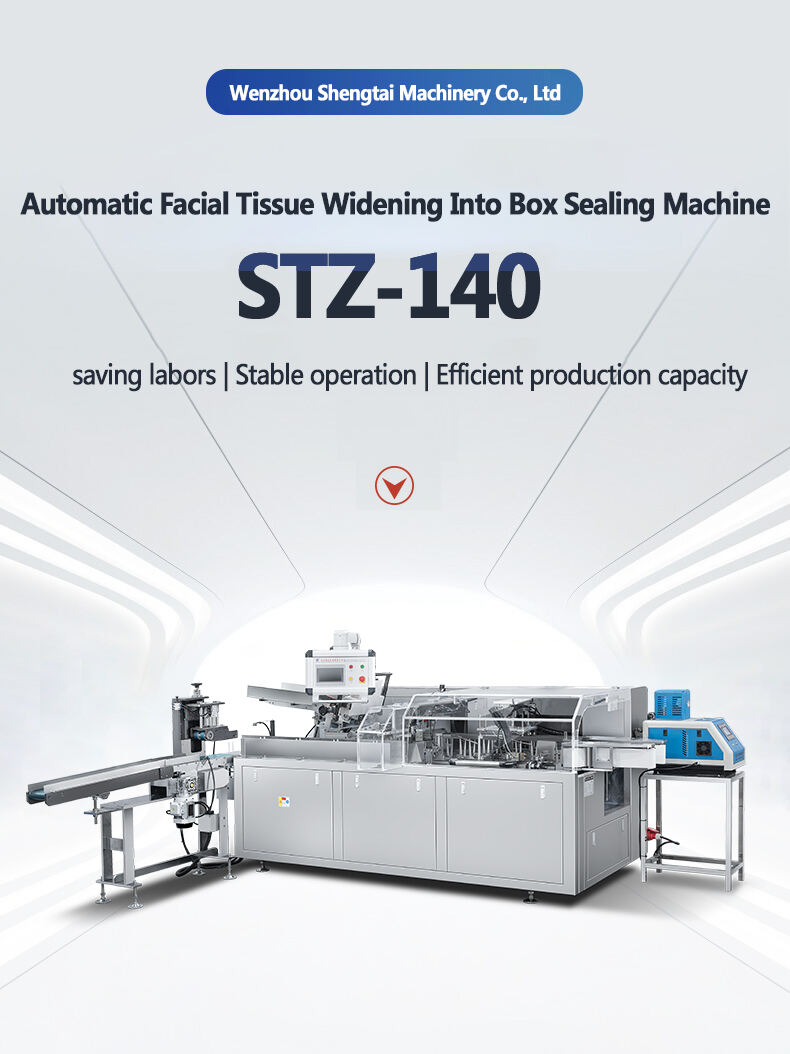
The food packaging industry has witnessed remarkable technological advancements in recent years, with automation becoming a critical factor for maintaining competitive advantage. Modern food brands face increasing pressure to deliver products efficiently while maintaining quality standards and reducing operational costs. A cartoning packaging machine represents one of the most significant investments a food manufacturer can make to streamline their production line and enhance overall productivity. These sophisticated systems have revolutionized how companies approach secondary packaging, offering unprecedented levels of speed, accuracy, and reliability that manual processes simply cannot match.
Understanding Modern Cartoning Technology in Food Manufacturing
Evolution of Automated Packaging Solutions
The transition from manual to automated packaging has transformed the food industry landscape dramatically. Traditional packaging methods required extensive labor resources and were prone to human error, resulting in inconsistent packaging quality and reduced throughput. A cartoning packaging machine eliminates these challenges by providing consistent, repeatable results that meet stringent food safety standards. Modern systems incorporate advanced sensors, servo motors, and programmable logic controllers that ensure precise carton formation, product insertion, and sealing operations.
Contemporary cartoning equipment features modular designs that allow manufacturers to customize their packaging lines according to specific product requirements. These machines can handle various carton styles, from straight-line cartons to complex wraparound designs, making them versatile solutions for diverse product portfolios. The integration of Industry 4.0 technologies has further enhanced machine capabilities, enabling real-time monitoring, predictive maintenance, and seamless communication with other production line equipment.
Technical Specifications and Performance Metrics
High-performance cartoning systems typically operate at speeds ranging from 60 to 400 cartons per minute, depending on product complexity and carton size. A quality cartoning packaging machine incorporates precision-engineered components that ensure consistent carton opening, product loading, and closure operations. These machines utilize advanced vision systems for quality control, detecting improperly formed cartons, missing products, or incorrect orientations before sealing occurs.
The mechanical design of modern cartoning equipment emphasizes easy maintenance and quick changeover capabilities. Tool-free adjustments allow operators to switch between different product sizes and carton configurations within minutes rather than hours. This flexibility is particularly valuable for food manufacturers who produce multiple product lines or seasonal variations that require different packaging formats.
Economic Benefits and Return on Investment Analysis
Labor Cost Reduction and Efficiency Gains
Implementing a cartoning packaging machine delivers substantial labor cost savings by reducing the number of operators required for packaging operations. Manual cartoning typically requires 3-4 workers per line, while automated systems can operate with a single operator overseeing multiple machines. This reduction in labor dependency not only decreases direct wage costs but also eliminates expenses related to training, benefits, and workforce management.
The efficiency gains from automation extend beyond simple labor reduction. Automated cartoning systems maintain consistent operating speeds regardless of shift changes, breaks, or human fatigue factors that affect manual operations. This consistency results in predictable production schedules and improved delivery reliability, which strengthens customer relationships and enables better inventory management throughout the supply chain.
Quality Consistency and Waste Reduction
Manual packaging operations are inherently variable, leading to inconsistent carton quality and increased waste rates. A properly calibrated cartoning packaging machine produces uniform results with minimal variation, ensuring that every carton meets predetermined quality standards. This consistency reduces product returns, customer complaints, and the associated costs of handling defective packaging.
Waste reduction occurs through multiple mechanisms in automated systems. Precise carton handling minimizes damage during the packaging process, while accurate product placement reduces the likelihood of carton jams or misaligned closures. Advanced cartoning equipment also features automatic reject systems that identify and remove defective packages before they enter the distribution chain, preventing costly recalls and protecting brand reputation.
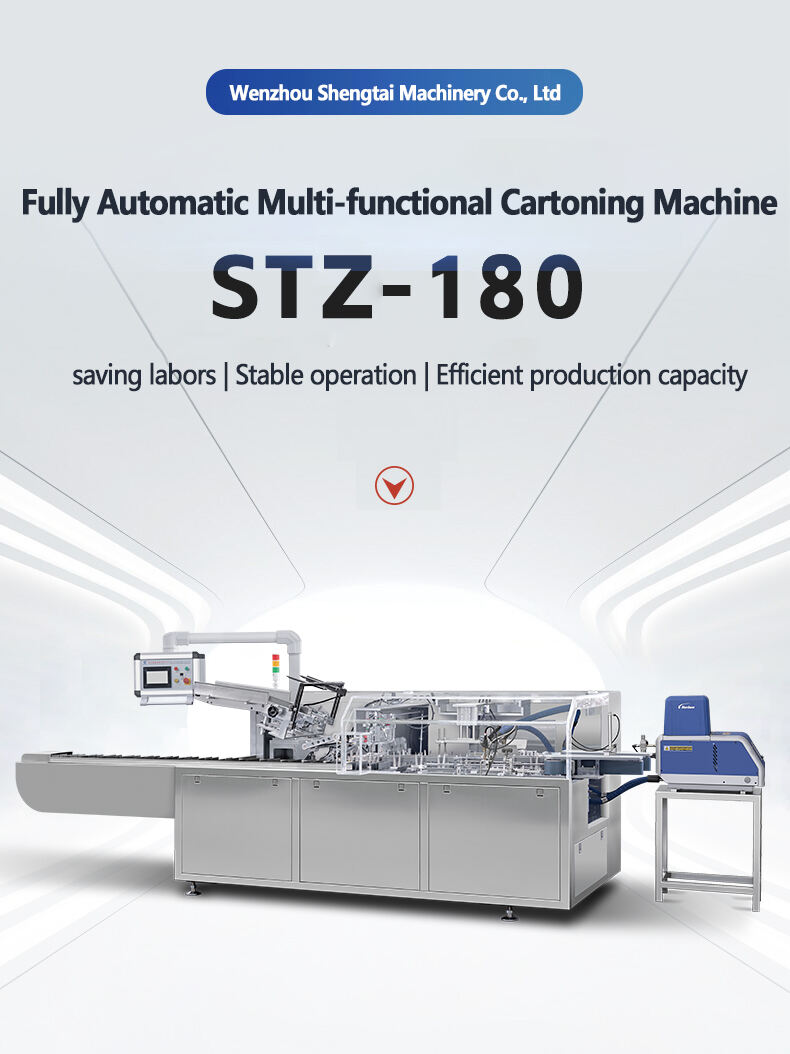
Operational Advantages in Food Production Environments
Hygiene and Food Safety Compliance
Food safety regulations require strict adherence to hygiene standards throughout the packaging process. A cartoning packaging machine designed for food applications incorporates sanitary design principles that facilitate cleaning and prevent contamination. Stainless steel construction, smooth surfaces, and minimal crevices reduce bacterial growth opportunities while enabling thorough sanitization between production runs.
Automated systems also minimize human contact with packaged products, reducing the risk of contamination from handling. This is particularly important for products with extended shelf lives or those destined for international markets where contamination could result in significant financial losses and regulatory penalties. The enclosed nature of cartoning operations protects products from environmental contaminants such as dust, moisture, and airborne particles.
Scalability and Production Flexibility
Modern food brands must adapt quickly to changing market demands and seasonal fluctuations in product volume. A cartoning packaging machine provides the scalability needed to handle these variations without significant infrastructure changes. During peak seasons, automated systems can operate extended hours without the challenges of finding and training additional temporary workers.
The modular nature of contemporary cartoning equipment allows manufacturers to expand their packaging capabilities incrementally as business grows. Additional features such as date coding, promotional insert placement, or tamper-evident sealing can be integrated without replacing the entire system. This upgradability protects the initial investment while enabling continuous improvement in packaging capabilities.
Technology Integration and Smart Manufacturing
Data Collection and Process Optimization
Advanced cartoning packaging machine systems generate valuable operational data that enables continuous process improvement. Real-time monitoring of machine performance, throughput rates, and quality metrics provides insights into production efficiency and identifies opportunities for optimization. This data-driven approach to manufacturing helps companies make informed decisions about production scheduling, maintenance planning, and capacity utilization.
Integration with enterprise resource planning systems allows cartoning machines to receive production orders automatically and adjust settings accordingly. This seamless communication reduces setup time, minimizes operator intervention, and ensures that packaging specifications align with customer requirements. The ability to track individual cartons through the packaging process also supports traceability requirements and facilitates rapid response to quality issues.
Predictive Maintenance and Reliability
Modern cartoning systems incorporate sophisticated diagnostic capabilities that monitor component health and predict maintenance requirements. Sensors throughout the machine track parameters such as motor current, temperature, vibration, and cycle times to identify potential issues before they cause unplanned downtime. This predictive approach to maintenance reduces emergency repairs and extends equipment life.
The reliability of a well-maintained cartoning packaging machine significantly exceeds that of manual operations. Automated systems can achieve uptimes of 95% or higher when properly maintained, compared to the inherent variability of human-dependent processes. This reliability translates directly into improved production planning accuracy and reduced buffer inventory requirements.
Market Competitiveness and Brand Enhancement
Speed to Market and Customer Responsiveness
The ability to respond quickly to market opportunities often determines success in the competitive food industry. A cartoning packaging machine enables rapid product launches by eliminating the time required to hire and train additional packaging personnel. New product introductions can proceed immediately once formulation and primary packaging are complete, reducing the time between product development and market availability.
Customer demands for customized packaging solutions can be accommodated more easily with flexible cartoning systems. Special promotional packages, seasonal graphics, or limited-edition products can be produced without significant lead times or setup costs. This responsiveness to customer needs strengthens relationships and creates opportunities for premium pricing on customized offerings.
Professional Packaging Presentation
Consumer perception of product quality is heavily influenced by packaging appearance and consistency. Automated cartoning produces professional-looking packages with uniform closure quality, straight edges, and consistent graphics alignment. This enhanced presentation supports premium positioning strategies and helps products stand out in competitive retail environments.
The precision of cartoning packaging machine operations enables the use of more sophisticated carton designs that would be difficult or impossible to execute manually. Complex folding patterns, tamper-evident features, and integrated promotional materials become feasible when automated equipment ensures consistent execution. These advanced packaging features can differentiate products and justify higher price points.
Implementation Considerations and Best Practices
Equipment Selection and Specification
Selecting the appropriate cartoning packaging machine requires careful analysis of current and future production requirements. Factors such as product dimensions, carton styles, throughput needs, and available floor space influence equipment specifications. Working with experienced suppliers who understand food industry requirements ensures that selected equipment will meet both immediate needs and provide growth capacity for future expansion.
The evaluation process should include consideration of total cost of ownership rather than just initial purchase price. Energy consumption, maintenance requirements, spare parts availability, and supplier support capabilities all impact long-term operating costs. A thorough analysis of these factors often reveals that higher-quality equipment with greater initial cost provides better value over the equipment lifecycle.
Training and Change Management
Successfully implementing automated cartoning requires comprehensive operator training and organizational change management. Workers familiar with manual processes need time to develop skills in machine operation, troubleshooting, and maintenance procedures. Investing in thorough training programs ensures that equipment capabilities are fully utilized and reduces the risk of operational errors during the transition period.
Change management should address concerns about job displacement while highlighting opportunities for skill development and career advancement. Operators who master cartoning packaging machine technology often become valuable assets in maintaining and optimizing automated systems. Creating clear pathways for professional development helps organizations retain experienced personnel during the automation transition.
FAQ
What factors determine the payback period for a cartoning packaging machine investment?
The payback period typically ranges from 12 to 36 months depending on current labor costs, production volume, and equipment utilization rates. Higher-volume operations with significant manual labor requirements generally achieve faster payback through immediate cost savings. Additional benefits such as reduced waste, improved quality consistency, and increased production capacity contribute to overall return on investment but may not be immediately quantifiable in simple payback calculations.
How does cartoning equipment integrate with existing production line systems?
Modern cartoning packaging machine systems are designed for seamless integration with upstream and downstream equipment through standardized communication protocols. Most systems can interface with existing conveyors, filling equipment, and case packing machinery using common industrial networking standards. Integration typically requires coordination between equipment suppliers to ensure compatible timing, product handling, and control system communication.
What maintenance requirements are necessary to ensure optimal cartoning machine performance?
Preventive maintenance programs for cartoning equipment include daily cleaning and inspection, weekly lubrication of moving parts, and monthly calibration checks of sensors and actuators. Major maintenance activities such as belt replacement, motor servicing, and control system updates are typically scheduled based on operating hours or production volume. Following manufacturer-recommended maintenance schedules is essential for maintaining warranty coverage and ensuring reliable operation.
Can cartoning systems handle multiple product sizes without extensive changeover procedures?
Advanced cartoning packaging machine designs incorporate quick-change features that allow size adjustments within defined ranges without tools or extensive setup time. However, significant size changes or completely different carton styles may require more substantial changeover procedures including mechanical adjustments and control system programming changes. The extent of changeover requirements depends on the specific machine design and the degree of size variation between products.
Table of Contents
- Understanding Modern Cartoning Technology in Food Manufacturing
- Economic Benefits and Return on Investment Analysis
- Operational Advantages in Food Production Environments
- Technology Integration and Smart Manufacturing
- Market Competitiveness and Brand Enhancement
- Implementation Considerations and Best Practices
- FAQ