
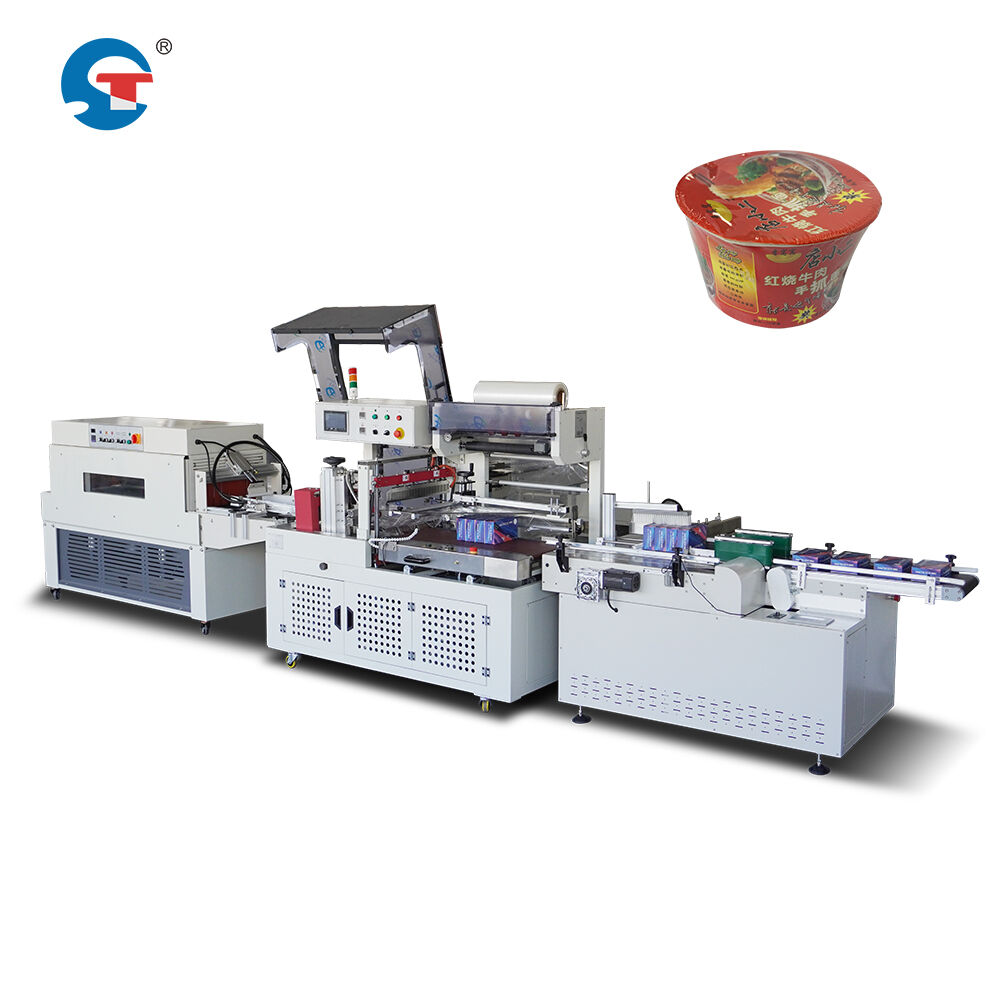
Maintaining a paper cutting machine for long-term stability requires a systematic approach that combines daily operational care, scheduled preventive maintenance, and proactive component monitoring. Industrial paper cutting equipment represents a significant capital investment for tissue manufacturers, packaging facilities, and printing operations, making proper maintenance essential not only for extending machine lifespan but also for ensuring consistent product quality, minimizing unplanned downtime, and protecting operator safety. The difference between a paper cutting machine that operates reliably for decades and one that experiences frequent breakdowns often comes down to how consistently and comprehensively maintenance protocols are implemented throughout the equipment's service life.
Long-term stability in paper cutting operations depends on understanding that these machines operate under demanding conditions—high-speed blade movements, continuous material friction, precision alignment requirements, and repetitive mechanical stress all contribute to gradual wear that must be systematically addressed. Whether you operate a single-passage automatic tissue paper cutting system or a multi-blade industrial guillotine cutter, the maintenance principles remain fundamentally similar, though the specific procedures and intervals will vary based on machine design, production volume, and material characteristics. This comprehensive guide explores the essential maintenance practices that ensure your paper cutting machine delivers consistent performance, maintains cutting accuracy, and operates safely throughout its intended service life.
Understanding Critical Components Requiring Regular Maintenance
Blade System Maintenance and Sharpening Protocols
The blade assembly represents the most critical component of any paper cutting machine, directly influencing cut quality, production efficiency, and operational safety. Blade maintenance begins with establishing a sharpening schedule based on production volume and material characteristics—facilities processing softer tissue papers may sharpen blades every 50,000 to 100,000 cuts, while operations handling denser cardstock might require sharpening every 20,000 to 40,000 cuts. Regular blade inspection should identify early signs of dullness including increased cutting resistance, ragged edges on finished products, increased dust generation, or visible nicks and chips along the cutting edge. Professional blade sharpening using dedicated grinding equipment ensures proper bevel angles are maintained, typically between 19 and 23 degrees depending on material type, with consistent edge geometry across the entire blade length.
Beyond sharpening, blade maintenance includes proper installation procedures that ensure correct tension, alignment, and secure mounting to prevent blade deflection during cutting operations. The paper cutting machine blade should be cleaned regularly to remove accumulated paper dust, adhesive residue, and fiber buildup that can affect cutting performance and accelerate wear. Blade clearance settings—the gap between the cutting blade and the back gauge or bed—must be verified and adjusted periodically, as improper clearance causes excessive blade wear, poor cut quality, and potential safety hazards. For hydraulic or pneumatic clamping systems that secure the blade, regular inspection of mounting bolts, clamping pressure consistency, and proper torque specifications prevents blade slippage or catastrophic blade failure during operation.
Lubrication System Management and Fluid Monitoring
Proper lubrication represents one of the most fundamental yet frequently neglected aspects of paper cutting machine maintenance, directly affecting bearing life, reducing friction-related wear, minimizing heat generation, and ensuring smooth mechanical operation. Establishing a comprehensive lubrication schedule requires identifying all lubrication points including blade carrier bearings, guide rail systems, pneumatic cylinder pivot points, chain drives, gear reducers, and hydraulic systems, then assigning appropriate lubricant types and application intervals for each component. Modern paper cutting machines typically require multiple lubricant grades—high-quality bearing grease for slow-moving pivot points, light machine oil for high-speed bearings, specialized chain lubricants for drive systems, and specific hydraulic fluids for power transmission systems.
Daily lubrication checks should verify that automatic lubrication systems are functioning correctly, with operators visually confirming lubricant delivery to critical points and checking reservoir levels. Manual lubrication points require consistent attention according to manufacturer specifications—typically daily for high-cycle components like blade carrier bearings and weekly for lower-frequency movement points. Lubricant quality monitoring involves periodic sampling and analysis to detect contamination, moisture intrusion, or degradation that indicates replacement needs before component damage occurs. Over-lubrication can be as problematic as under-lubrication, attracting paper dust and creating sticky buildup that interferes with precision movement, so applying the correct quantity using calibrated dispensing equipment ensures optimal results without waste or contamination issues.
Pneumatic and Hydraulic System Integrity
For paper cutting machines equipped with pneumatic clamping systems or hydraulic cutting drives, maintaining these power transmission systems is essential for consistent cutting force, reliable material holding, and safe operation. Pneumatic system maintenance begins with the air supply—ensuring compressed air is properly filtered to remove moisture, oil vapor, and particulate contamination that can damage valve seals, corrode cylinder bores, and cause erratic actuator movement. Daily condensate drain procedures for air line filters and receiver tanks prevent moisture accumulation, while monthly filter element replacement maintains air quality. Pneumatic pressure settings should be verified regularly against manufacturer specifications, as excessive pressure accelerates component wear and creates safety risks, while insufficient pressure results in inadequate clamping force and potential material slippage during cutting.
Hydraulic systems require equally diligent attention, with fluid level checks performed daily and complete fluid analysis conducted annually to assess viscosity, contamination levels, and additive depletion. Hydraulic fluid temperature monitoring helps identify cooling system issues or excessive system friction before serious damage occurs. All hydraulic hoses, fittings, and seals should be inspected monthly for signs of leakage, abrasion, or age-related deterioration, with preventive replacement scheduled before failures occur during production. Hydraulic filter elements require replacement according to differential pressure indicators or manufacturer time intervals, as contaminated fluid is the leading cause of hydraulic component failure in paper cutting machines. System pressure testing and relief valve verification ensure safety systems function correctly and protect expensive hydraulic cylinders, pumps, and motors from overpressure damage.
Implementing Preventive Maintenance Schedules and Documentation
Daily Operational Maintenance Procedures
Daily maintenance routines form the foundation of long-term paper cutting machine stability by addressing immediate operational needs and identifying developing issues before they escalate into major problems. Each production shift should begin with a structured pre-operation inspection covering blade condition visual assessment, safety guard functionality verification, emergency stop button testing, lubrication level checks, and general cleanliness inspection. Operators should physically test all safety interlocks to confirm they prevent machine operation when guards are open or when safety conditions are not met. Unusual noises, vibrations, or changes in operational feel should be documented immediately, as these often provide early warning of bearing wear, misalignment, or component looseness that requires investigation.
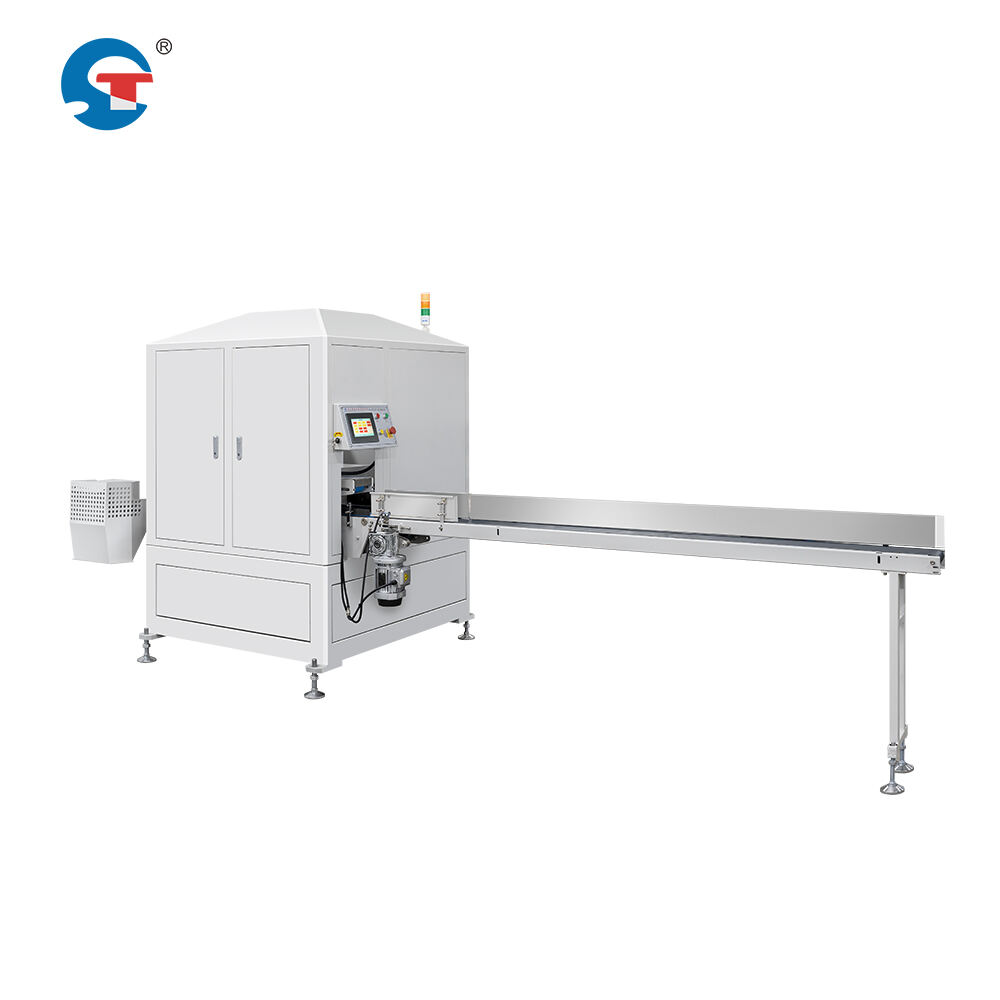
During production, operators should maintain awareness of cut quality consistency, noting any degradation that might indicate blade dullness, pressure inconsistency, or alignment drift. End-of-shift cleaning procedures should remove accumulated paper dust from all accessible areas, paying particular attention to guide rails, sensors, and moving components where dust accumulation interferes with precision operation. Daily documentation in maintenance logs creates valuable historical data that reveals patterns, predicts component life cycles, and justifies maintenance investments. This routine discipline transforms operators from passive machine users into active maintenance partners who contribute significantly to equipment longevity and production reliability.
Weekly and Monthly Maintenance Interventions
Weekly maintenance activities for a paper cutting machine expand beyond daily routines to include more thorough inspections and adjustments that require brief production interruptions. Guide rail systems should be cleaned thoroughly and inspected for wear patterns, with measurement of any play or looseness in linear bearings or guide blocks. Belt tension verification ensures power transmission efficiency and prevents premature belt wear or tooth skipping on toothed belt drives. Electrical connection tightness checks prevent loose terminals that cause intermittent faults or create fire hazards through resistive heating. Sensor cleaning and alignment verification maintain positioning accuracy and prevent false triggering that disrupts production flow. All adjustment mechanisms including back gauge positioning systems, blade angle settings, and material clamping pressure should be verified against baseline settings and readjusted if drift is detected.
Monthly maintenance introduces more intensive procedures including complete lubrication of all designated points regardless of automatic system operation, comprehensive safety system testing with documented results, precision measurement of critical dimensions like blade parallelism and back gauge squareness, and detailed inspection of wear components like cutting sticks, guide blocks, and pressure bars. Monthly intervals also provide appropriate timing for reviewing accumulated production data, maintenance logs, and operator feedback to identify trends that might indicate emerging reliability issues. This regular cadence of increasingly thorough inspection and intervention creates multiple opportunities to detect and correct problems before they impact production, embodying the preventive maintenance philosophy that distinguishes reliably operating facilities from those experiencing chronic breakdown cycles.
Annual Comprehensive Maintenance and Calibration
Annual maintenance represents the most thorough intervention in the paper cutting machine maintenance cycle, typically scheduled during planned production shutdowns or low-demand periods. This comprehensive service includes complete disassembly of major wear components, detailed measurement of all critical dimensions against original specifications, replacement of consumable items regardless of apparent condition, and recalibration of all adjustable parameters. Blade carrier systems should be completely disassembled, cleaned, inspected for wear or damage, and reassembled with new bearings, seals, and wear components. Guide rail systems benefit from precision measurement to quantify wear and determine if replacement or compensation adjustment is required to maintain cutting accuracy.
Electrical system inspection during annual maintenance should include thermal imaging of control panels to identify hot spots indicating loose connections or failing components, insulation resistance testing of motor windings, and verification of all sensor calibrations and response characteristics. Pneumatic and hydraulic systems receive complete servicing including fluid replacement, seal kit installation in cylinders and valves, accumulator recharging if applicable, and pressure switch calibration. Annual maintenance also provides opportunity for implementing design improvements or retrofits that address known issues, upgrade outdated components, or enhance capability. Comprehensive documentation of all measurements, component conditions, replacements performed, and adjustments made creates a permanent record that tracks machine condition over time and informs future maintenance decisions, spare parts stocking, and eventual replacement timing.
Addressing Environmental Factors Affecting Machine Longevity
Dust Management and Facility Cleanliness
Paper cutting operations inherently generate substantial dust from fiber separation, particularly when processing tissue papers, newsprint, or recycled content materials. This dust represents a significant threat to paper cutting machine longevity as it infiltrates bearings causing abrasive wear, accumulates on sensors causing false readings, builds up on electrical contacts creating resistance and heat, and combines with lubricants to form abrasive paste that accelerates component wear. Effective dust management begins with proper facility ventilation design that creates slight negative pressure around cutting areas, drawing dust away from machines toward collection systems rather than allowing it to settle on equipment. Local exhaust hoods positioned near blade cutting zones capture dust at the source before it disperses throughout the facility.
Regular facility cleaning schedules should complement machine-specific cleaning, preventing dust accumulation on floors, walls, and overhead structures from eventually settling back onto equipment. Air filtration systems require regular maintenance to maintain effectiveness, with filter replacement scheduled based on pressure drop monitoring rather than arbitrary time intervals. For paper cutting machine installations in particularly dusty environments, consideration should be given to protective enclosures for electrical panels, positive pressure sealing for sensitive components, and more frequent preventive maintenance intervals to compensate for accelerated contamination rates. Understanding that dust control is not merely a housekeeping preference but a critical maintenance requirement changes how facilities approach cleanliness and invest in dust collection infrastructure.
Temperature and Humidity Control
Environmental temperature and humidity significantly impact paper cutting machine performance and longevity through multiple mechanisms. Excessive humidity causes paper dimensional instability, making accurate cutting more difficult and potentially leading to material jams that stress mechanical components. High humidity also accelerates corrosion of bare metal surfaces including precision-ground guide rails, blade surfaces, and unpainted structural components. Conversely, extremely low humidity increases static electricity generation, causing paper sheets to cling together or to machine surfaces, disrupting material handling and potentially creating dust explosion hazards in severe cases. Temperature extremes affect hydraulic fluid viscosity, lubricant performance, and dimensional stability of precision components, while rapid temperature fluctuations create condensation that introduces moisture into pneumatic systems and electrical enclosures.
Maintaining facility conditions within manufacturer-specified ranges—typically 20-25°C temperature and 45-55% relative humidity for most paper cutting applications—optimizes both paper handling characteristics and machine component longevity. Climate control systems should operate continuously rather than cycling on and off, preventing temperature and humidity swings that are more damaging than steady conditions even slightly outside ideal ranges. Dehumidification may be necessary in humid climates or seasons, while humidification prevents problems in arid environments or heated facilities during winter. Monitoring environmental conditions with recording instruments provides documentation of compliance with warranty requirements and helps diagnose quality problems that may stem from material conditioning rather than machine malfunction. For facilities unable to achieve full climate control, localized environmental management around critical paper storage and cutting areas provides significant benefit at lower cost than whole-facility conditioning.
Electrical Power Quality and Grounding
Modern paper cutting machines incorporate sophisticated electronic controls, servo drives, and programmable logic systems that are sensitive to power quality issues including voltage fluctuations, harmonic distortion, and electrical noise. Poor power quality accelerates electronic component failure, causes erratic machine behavior, and can corrupt program memory or calibration data. Establishing clean, stable electrical power begins with proper electrical service sizing to prevent voltage sag during machine operation, dedicated circuits that isolate paper cutting machine loads from other heavy or noise-generating equipment, and appropriate overcurrent protection sized for equipment characteristics. Transient voltage surge suppressors installed at machine electrical panels protect sensitive electronics from lightning-induced surges and switching transients generated by other facility equipment.
Proper electrical grounding serves both safety and operational functions, providing fault current return paths for personnel protection while also establishing a reference potential that reduces electrical noise and prevents static electricity accumulation. Ground resistance should be verified annually and maintained below recommended thresholds, typically under 5 ohms for equipment grounding systems. For facilities with multiple paper cutting machines or extensive automation systems, isolated technical grounds separate from power grounds can further reduce noise-related control issues. Power quality monitoring during initial installation and periodically thereafter identifies problems like voltage imbalance, harmonic distortion, or excessive electrical noise that should be corrected through power conditioning equipment or electrical system improvements. Understanding that electronic controls represent the intelligence directing mechanical systems makes power quality protection a logical maintenance investment that prevents expensive control system failures.
Training Operators and Maintenance Personnel
Developing Operator Competency and Awareness
Operators represent the front line of paper cutting machine maintenance, as they interact with equipment throughout every production shift and are positioned to detect developing problems at the earliest stages. Comprehensive operator training should extend beyond basic operating procedures to include understanding of machine mechanical principles, recognition of normal versus abnormal operating characteristics, and clear protocols for reporting observations that might indicate maintenance needs. Operators should understand how blade condition affects cut quality, recognize sounds that indicate bearing wear or misalignment, and appreciate how proper material handling prevents jams that stress mechanical components. This deeper understanding transforms operators from button-pushers into informed equipment stewards who actively contribute to maintenance effectiveness.
Training should emphasize the economic impact of operator actions, helping personnel understand that careful operation extends component life, prevents damage, and reduces overall operating costs. Practical training in daily maintenance tasks including cleaning procedures, lubrication point identification, and basic adjustments empowers operators to perform routine care that maintains machine condition between scheduled maintenance interventions. Establishing clear communication channels between operators and maintenance personnel ensures observations are documented and acted upon rather than being forgotten or dismissed. Recognition programs that reward operators for identifying problems before they cause failures reinforce the importance of vigilant observation and create cultural emphasis on equipment care. Cross-training operators on multiple machines and rotating assignments prevents knowledge concentration and ensures maintenance-conscious operation continues regardless of personnel schedules.
Maintenance Technician Skill Development
Maintenance personnel responsible for paper cutting machine servicing require specialized skills that combine mechanical aptitude, hydraulic and pneumatic system knowledge, electrical troubleshooting capability, and specific understanding of paper cutting equipment design and operation. Structured training programs should progress from basic preventive maintenance procedures through component-level diagnosis and repair, eventually developing capability for complex troubleshooting and performance optimization. Manufacturer-provided training offers invaluable insight into design intent, critical adjustment procedures, and model-specific peculiarities that are difficult to learn through general experience alone. Maintenance technicians should receive regular refresher training as skills degrade without practice, and should be exposed to advanced topics including predictive maintenance techniques, vibration analysis, and precision measurement methods.
Documentation skills are equally important as mechanical skills, as thorough maintenance records provide historical context for troubleshooting, track component life cycles, and justify maintenance investments to management. Technicians should be trained in systematic troubleshooting methodologies that gather data, form hypotheses, and test theories rather than randomly replacing components hoping to stumble upon solutions. Access to technical documentation including parts manuals, maintenance procedures, and electrical schematics must be readily available in formats technicians actually use, whether paper-based shop manuals or digital resources accessible via tablets or shop computers. Encouraging professional development through industry associations, technical schools, and certification programs builds expertise that benefits the organization while providing career advancement opportunities that improve retention of skilled maintenance personnel.
Establishing Maintenance Culture and Accountability
Long-term paper cutting machine stability ultimately depends less on specific maintenance procedures than on organizational culture that values equipment care, allocates resources for proper maintenance, and holds personnel accountable for consistent execution. Management must visibly prioritize maintenance by providing adequate time for scheduled activities, funding proper tools and supplies, and supporting maintenance personnel when production pressures conflict with equipment care needs. Performance metrics should include maintenance compliance rates, unplanned downtime frequency, and cost per unit produced rather than focusing exclusively on production volume, which can incentivize delaying maintenance and operating equipment beyond recommended intervals. Regular management review of maintenance activities demonstrates commitment and provides opportunity to address resource constraints or procedural problems.
Creating accountability structures ensures maintenance activities are completed as scheduled rather than being perpetually deferred when production demands intensify. Computerized maintenance management systems track scheduled tasks, document completion, and generate reports highlighting overdue activities that require attention. Assigning specific individuals responsibility for particular machines or systems creates ownership and pride in equipment condition. Periodic audits by management or outside consultants verify that documented procedures are actually being followed and identify improvement opportunities. Celebrating maintenance successes—extended component life, prevented failures, improved reliability—reinforces desired behaviors and demonstrates the value of maintenance investment. Organizations that develop strong maintenance cultures experience fundamentally different equipment performance than those viewing maintenance as discretionary cost to be minimized, making cultural development perhaps the most impactful maintenance investment possible.
Implementing Predictive Maintenance Technologies
Vibration Analysis and Bearing Condition Monitoring
Predictive maintenance represents an evolution beyond time-based preventive maintenance by monitoring actual equipment condition and predicting failures before they occur, enabling precisely timed interventions that maximize component life while minimizing unexpected breakdowns. Vibration analysis stands as one of the most effective predictive techniques for rotating equipment in paper cutting machines, detecting bearing wear, misalignment, imbalance, and looseness long before these conditions cause failure or become apparent through other means. Portable vibration analyzers enable periodic measurement at designated monitoring points including blade carrier bearings, motor bearings, and drive system components, with trending software tracking how vibration signatures evolve over time and alerting when predetermined alarm thresholds are exceeded.
For facilities operating multiple paper cutting machines or high-value equipment, permanently installed vibration sensors with continuous monitoring provide even earlier fault detection and eliminate the variability inherent in periodic handheld measurements. Vibration monitoring programs require initial baseline establishment on equipment in known good condition, creation of alarm values based on manufacturer recommendations or industry standards, and consistent measurement protocols that control variables like sensor location, mounting method, and measurement parameters. Training maintenance personnel in basic vibration analysis interpretation enables in-house capability development, though complex diagnosis often benefits from specialist consultation. The economic justification for vibration monitoring becomes compelling when considering that bearing failures often cause collateral damage to shafts, housings, and adjacent components, making early detection valuable beyond simple bearing replacement cost avoidance.
Thermal Imaging for Electrical and Mechanical Issues
Thermal imaging technology provides non-contact temperature measurement that reveals developing problems in electrical systems, hydraulic components, and mechanical assemblies through abnormal heat patterns invisible to conventional inspection. Electrical connection issues including loose terminals, corroded contacts, or undersized conductors generate resistive heating detectable with thermal cameras long before visible discoloration or failure occurs. Thermal surveys of control panels, motor terminal boxes, and power distribution components should be conducted quarterly or semi-annually, comparing temperatures across phases and against baseline measurements to identify anomalies requiring investigation. Temperature differences exceeding 10-15°C compared to similar components or adjacent phases typically warrant immediate attention to prevent failure.
Mechanical applications of thermal imaging include bearing temperature monitoring to detect inadequate lubrication or excessive friction, hydraulic system temperature mapping to identify flow restrictions or internal leakage, and brake or clutch temperature measurement indicating adjustment problems or excessive slippage. Unlike contact thermometers that measure only single points, thermal imaging cameras reveal temperature distributions across entire assemblies, making pattern recognition possible and identifying problems that point measurements might miss. Building an image library documenting normal thermal signatures for each paper cutting machine enables comparison during subsequent surveys and provides objective evidence of condition changes over time. While thermal imaging equipment represents significant initial investment, the capability to inspect electrical and mechanical systems without disassembly or production interruption delivers rapid return through prevented failures and optimized maintenance timing.
Oil Analysis and Fluid Condition Monitoring
For paper cutting machines with hydraulic systems or enclosed gear reducers, oil analysis provides detailed insight into fluid condition and internal component wear through laboratory testing of small fluid samples. Comprehensive oil analysis includes viscosity measurement to assess thermal degradation and shear breakdown, particle counting to quantify contamination, spectrographic analysis to identify wear metals indicating component deterioration, and chemical tests for moisture content, acid formation, and additive depletion. Trending these parameters over time reveals gradual degradation and predicts when fluid replacement becomes necessary before condition deteriorates to the point of causing component damage. Sudden changes in wear metal concentrations or contamination levels often provide earliest warning of developing failures, enabling investigation and correction before catastrophic breakdown.
Establishing an effective oil analysis program requires consistent sampling procedures including proper sample point location, adequate flushing before sample collection, and contamination prevention during sampling and handling. Sample frequency typically ranges from quarterly for critical systems to annually for less demanding applications, with more frequent sampling justified when analysis reveals concerning trends. Laboratory selection should consider turnaround time, test scope, and interpretive expertise provided with results, as raw data without context provides limited value to maintenance decision-making. Oil analysis programs generate best return when results actually influence maintenance actions rather than simply being filed away, making commitment to acting on recommendations essential. For facilities operating multiple paper cutting machines or extensive hydraulic equipment, oil analysis typically pays for itself many times over through extended fluid life, prevented component failures, and optimized change intervals based on actual condition rather than conservative time estimates.
FAQ
How often should blades be replaced on a paper cutting machine?
Blade replacement frequency depends on production volume, material characteristics, and maintenance quality rather than fixed time intervals. High-volume operations processing abrasive materials might require blade replacement after 6-12 months of continuous use, while lower-volume facilities handling clean, soft papers may achieve 2-3 years of service life. Regular sharpening extends blade life significantly, with quality blades typically enduring 10-20 sharpenings before dimensional limits or material fatigue necessitate replacement. Monitoring cut quality, inspecting for cracks or chips, and measuring blade height remaining above minimum specifications determines actual replacement timing more accurately than predetermined schedules. Maintaining detailed records of blade installation dates, sharpening frequency, and replacement reasons helps predict future blade life and optimize inventory management.
What are the most common causes of paper cutting machine breakdowns?
The most common breakdown causes include inadequate lubrication leading to bearing failures, blade dullness causing excessive cutting forces that stress drive components, accumulated paper dust interfering with sensors and pneumatic systems, improper blade clearance adjustment creating uneven wear patterns, and neglected preventive maintenance allowing minor issues to escalate into major failures. Electrical control problems including loose connections, failed sensors, and corrupted programs also rank among frequent breakdown causes, particularly in machines lacking proper power quality protection. Operator errors including improper material loading, forcing jammed material, and operating with safety interlocks bypassed contribute significantly to premature component wear and failure. Facilities experiencing chronic breakdown problems typically find root causes in maintenance program inadequacy or organizational culture issues rather than inherent equipment design flaws.
Can preventive maintenance really extend paper cutting machine lifespan significantly?
Comprehensive preventive maintenance programs demonstrably extend paper cutting machine operational life by 50-100% compared to reactive maintenance approaches that address only failures after they occur. Well-maintained machines routinely achieve 20-30 years of productive service, while neglected equipment often requires major rebuilding or replacement within 10-15 years despite similar initial quality. The lifespan extension results from multiple mechanisms including preventing accelerated wear from contamination and inadequate lubrication, maintaining precision that prevents uneven loading and stress concentration, detecting and correcting minor problems before they cause collateral damage, and preserving component surfaces that deteriorate rapidly once protective measures lapse. Economic analysis consistently shows preventive maintenance delivering 3-5 times return on investment through extended asset life, reduced emergency repair costs, improved product quality, and decreased unplanned downtime. The key distinction lies in consistent execution of comprehensive programs rather than sporadic attention to obvious problems.
What documentation should be maintained for paper cutting machine maintenance?
Comprehensive maintenance documentation should include daily operator logs recording observations, cleaning performed, and any unusual occurrences; preventive maintenance checklists with completion dates and technician signatures; detailed work orders for all repairs including problem description, diagnosis process, parts replaced, and time required; blade sharpening and replacement records tracking service life and performance; lubrication schedules with actual completion documentation; calibration records for precision adjustments and measurements; training records documenting operator and technician qualifications; and safety inspection results verifying guard functionality and interlock operation. Predictive maintenance data including vibration trends, thermal imaging results, and oil analysis reports should be retained for historical comparison. Manufacturer correspondence, modification documentation, and parts purchase history provide valuable context for troubleshooting and future planning. Modern computerized maintenance management systems organize this information accessibly, though even basic paper records deliver significant value if consistently maintained and actually referenced during maintenance planning and troubleshooting activities.