
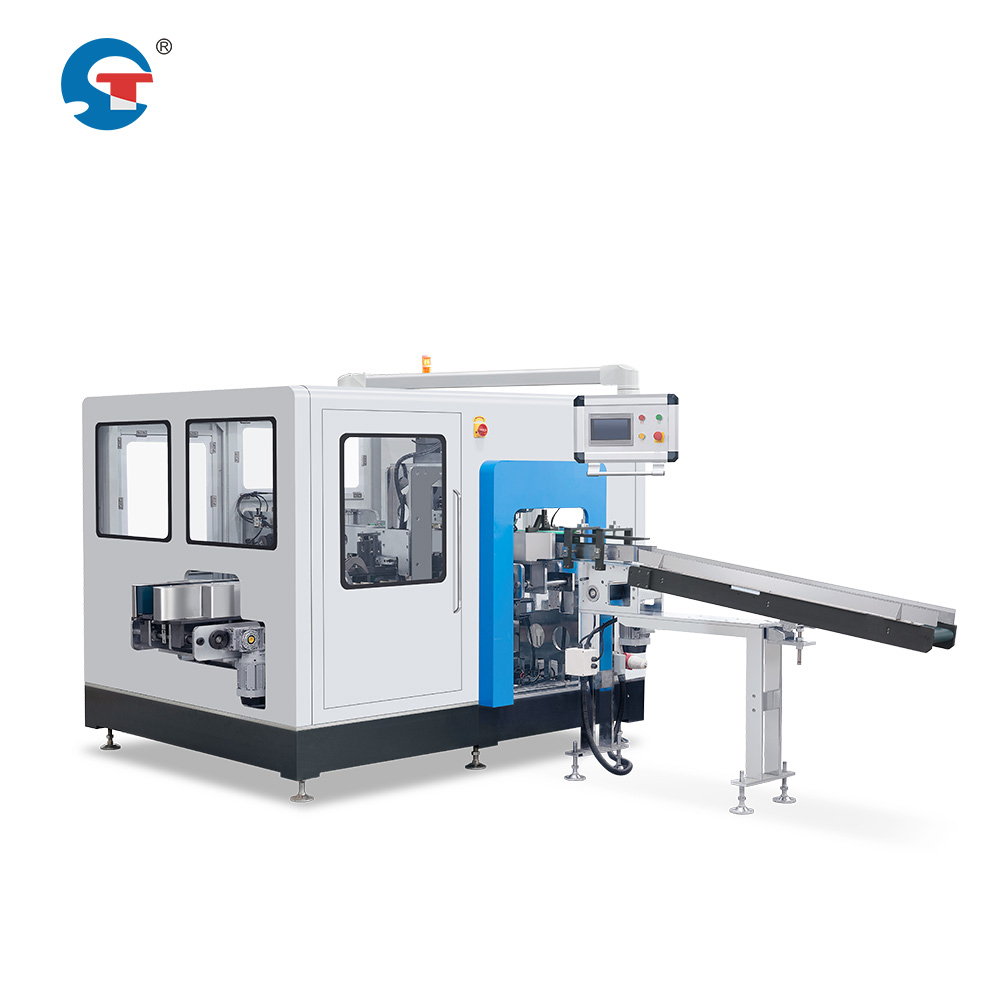
Manufacturing companies in the cosmetics and personal care industry face numerous packaging challenges that can significantly impact their production efficiency and bottom line. From inconsistent box formation to labor shortages, these obstacles require innovative solutions to maintain competitive advantage. A daily chemical cartoning machine represents a transformative approach to addressing these complex packaging requirements while ensuring consistent quality and optimal throughput.
Production Speed and Efficiency Limitations
Manual Packaging Bottlenecks
Traditional manual packaging operations create significant bottlenecks in daily chemical manufacturing facilities. Workers must individually fold cartons, insert products, apply adhesive, and perform quality checks at each station. This process severely limits production capacity and creates inconsistent output rates throughout different shifts. The repetitive nature of manual cartoning leads to worker fatigue, which directly correlates with decreased productivity and increased error rates during peak production periods.
Manufacturing facilities often struggle to scale their packaging operations during high-demand seasons without substantially increasing labor costs. The time required for training new packaging personnel further compounds these challenges, as proper carton folding techniques and product placement require extensive hands-on experience. A daily chemical cartoning machine eliminates these constraints by automating the entire packaging sequence, delivering consistent output rates regardless of shift changes or seasonal demand fluctuations.
Throughput Consistency Requirements
Modern cosmetic and personal care manufacturers must meet stringent delivery schedules while maintaining consistent product quality standards. Manual packaging operations inherently lack the precision and repeatability necessary for high-volume production environments. Variations in worker skill levels, fatigue, and attention to detail create unpredictable throughput patterns that complicate production planning and inventory management processes.
Automated cartoning systems provide the reliability and consistency that daily chemical manufacturers require to meet customer demands. These machines operate at predetermined speeds with minimal variation, allowing production managers to accurately forecast packaging capacity and schedule maintenance windows. The predictable nature of automated daily chemical cartoning machine operations enables manufacturers to optimize their entire production flow and minimize costly downtime.
Quality Control and Consistency Issues
Carton Formation Standards
Achieving uniform carton formation across thousands of units presents significant challenges for manual packaging operations. Inconsistent folding techniques, varying adhesive application, and improper corner alignment create quality control issues that can compromise product protection and brand presentation. These variations become particularly problematic when packaging premium cosmetic products where presentation quality directly impacts consumer perception and purchase decisions.
A daily chemical cartoning machine ensures precise carton formation through mechanical guides and controlled adhesive application systems. Each carton receives identical treatment, resulting in uniform appearance and structural integrity across entire production runs. This consistency eliminates the need for extensive quality control inspections and reduces product rejection rates significantly.
Product Placement Precision
Proper product positioning within cartons requires careful attention to prevent damage during transportation and storage. Manual packaging operations often result in products shifting within cartons due to inconsistent placement techniques or inadequate securing methods. This movement can cause cosmetic containers to break, leak, or become damaged during shipping, leading to customer complaints and costly returns.
Advanced cartoning machinery incorporates precise positioning mechanisms that ensure optimal product placement within each carton. These systems account for product dimensions, weight distribution, and packaging material specifications to create secure packaging configurations. The result is significantly reduced product damage rates and improved customer satisfaction with delivered products.
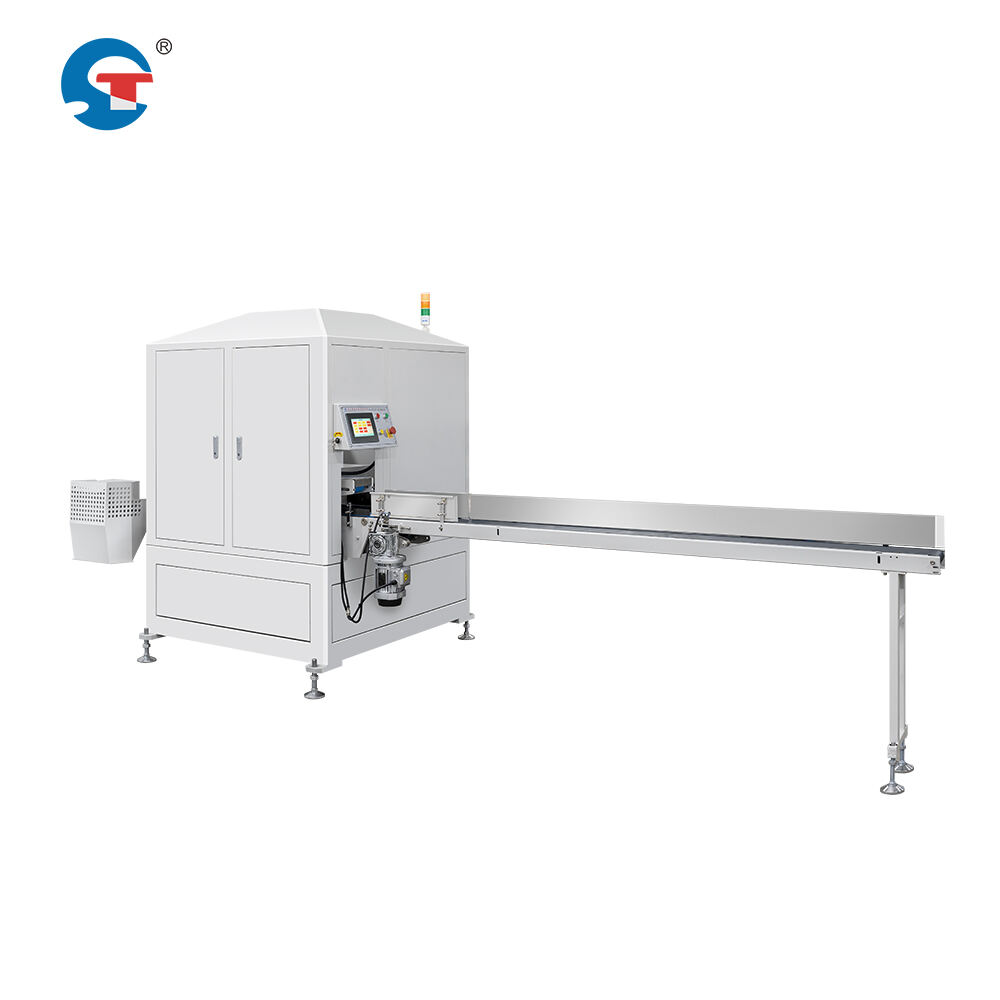
Labor Cost and Availability Challenges
Skilled Worker Shortages
The packaging industry faces ongoing challenges in recruiting and retaining skilled workers capable of maintaining high-quality manual cartoning operations. Training new employees requires substantial time investments, and experienced packaging workers command increasingly higher wages due to market demand. These factors create ongoing pressure on manufacturing costs and operational stability.
Implementing a daily chemical cartoning machine reduces dependency on specialized packaging workers while redirecting human resources toward higher-value activities such as quality assurance, equipment maintenance, and process optimization. This shift enables manufacturers to better utilize their workforce while reducing overall labor costs and improving operational resilience.
Workforce Scalability Limitations
Seasonal demand fluctuations in the cosmetics industry require flexible packaging capacity that can be difficult to achieve through manual labor alone. Hiring temporary workers for peak periods involves significant recruitment, training, and supervision costs. Additionally, temporary workers typically require extended time to reach acceptable productivity levels, often resulting in reduced efficiency during critical production periods.
Automated cartoning equipment provides the scalability necessary to handle demand variations without proportional increases in labor requirements. A single daily chemical cartoning machine can process the equivalent output of multiple manual packaging workers while maintaining consistent quality standards throughout extended operating periods.
Regulatory Compliance and Traceability Requirements
Documentation and Record Keeping
Cosmetic and personal care manufacturers must maintain comprehensive documentation of their packaging processes to comply with regulatory requirements and support quality assurance programs. Manual packaging operations make it challenging to capture accurate production data, lot tracking information, and process parameters necessary for regulatory compliance and product recalls.
Modern cartoning machinery integrates advanced data collection systems that automatically record production metrics, batch information, and process parameters. This automated documentation ensures compliance with regulatory requirements while providing valuable insights for process improvement initiatives. The digital records generated by daily chemical cartoning machine operations support traceability requirements and facilitate efficient quality investigations when issues arise.
Contamination Prevention Protocols
Maintaining hygienic packaging environments presents ongoing challenges for manual operations, particularly when handling sensitive cosmetic and personal care products. Human contact with packaging materials and products increases contamination risks that can compromise product safety and regulatory compliance. Traditional manual packaging processes require extensive protocols and monitoring to ensure appropriate hygiene standards.
Automated packaging systems minimize human contact with products and packaging materials, significantly reducing contamination risks. The enclosed design of professional cartoning equipment protects products from environmental contaminants while maintaining sterile packaging conditions. This approach simplifies compliance with good manufacturing practices and reduces the risk of product contamination incidents.
Cost-Effectiveness and Return on Investment
Operational Efficiency Improvements
The financial benefits of implementing automated cartoning solutions extend beyond simple labor cost reductions. Improved packaging speed and consistency lead to better overall equipment effectiveness and reduced manufacturing lead times. These efficiency gains enable manufacturers to respond more quickly to market demands while optimizing inventory levels and reducing carrying costs.
A daily chemical cartoning machine typically demonstrates positive return on investment through multiple cost reduction mechanisms including decreased labor expenses, reduced material waste, improved product protection, and enhanced production capacity utilization. The quantifiable benefits often justify the initial equipment investment within 12 to 18 months of implementation.
Long-Term Competitive Advantages
Manufacturers who invest in automated packaging technology position themselves for sustained competitive advantage through improved operational flexibility and reduced production costs. The ability to quickly adjust packaging configurations and handle diverse product lines becomes increasingly valuable as market demands evolve and customer expectations continue rising.
Advanced cartoning equipment provides the foundation for future automation initiatives and digital manufacturing strategies. The data collection and process control capabilities of modern daily chemical cartoning machine systems support continuous improvement programs and enable integration with broader manufacturing execution systems.
FAQ
How much space does a daily chemical cartoning machine require for installation
Most daily chemical cartoning machines require approximately 15-20 square meters of floor space including access areas for maintenance and material handling. The specific footprint depends on the machine configuration, conveyor integration requirements, and auxiliary equipment such as carton magazines and reject systems. Proper installation planning should account for adequate clearance around the equipment for safe operation and routine maintenance activities.
What types of cosmetic products can be processed by cartoning machinery
A daily chemical cartoning machine can handle a wide variety of cosmetic and personal care products including bottles, tubes, jars, compacts, and sachets. The equipment typically accommodates products ranging from 10mm to 200mm in height and various widths depending on the specific machine configuration. Most modern systems feature adjustable guides and changeover capabilities to handle multiple product formats with minimal setup time.
How often does a daily chemical cartoning machine require maintenance
Regular maintenance schedules for cartoning equipment typically include daily cleaning and lubrication, weekly mechanical inspections, and monthly comprehensive servicing. Most manufacturers recommend professional service visits every three to six months depending on operating intensity and environmental conditions. Proper maintenance practices ensure optimal performance and extend equipment service life while minimizing unexpected downtime.
What level of operator training is needed for cartoning machine operation
Operating a daily chemical cartoning machine typically requires 2-3 days of initial training for basic operation and routine maintenance tasks. Advanced troubleshooting and format changeover procedures may require additional training depending on the complexity of the specific equipment. Most manufacturers provide comprehensive training programs that cover safety procedures, operational best practices, and basic maintenance requirements to ensure safe and efficient operation.