
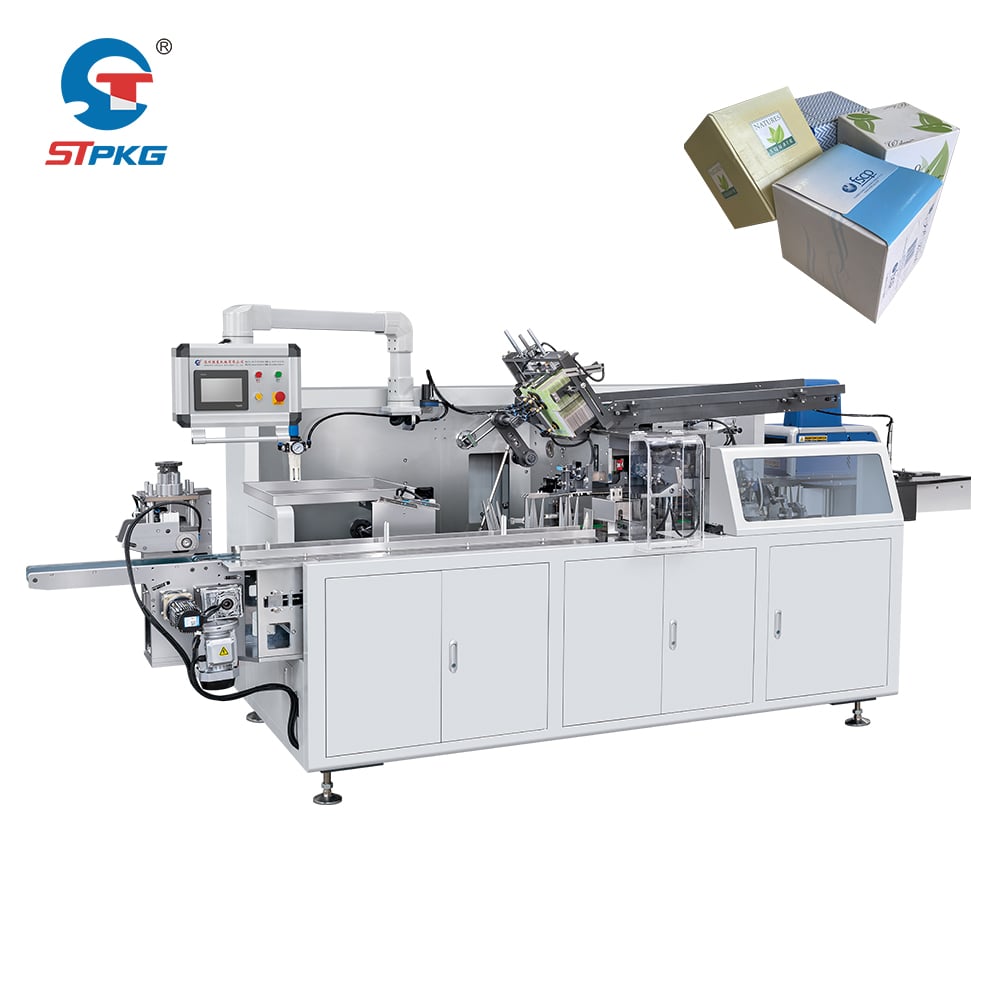
The global tissue market demands unprecedented efficiency, speed, and consistency in product delivery. A facial tissue packing machine has become essential infrastructure for manufacturers aiming to scale international distribution. Modern automatic tissue packaging equipment eliminates manual bottlenecks, reduces labor costs, and ensures every product meets stringent export quality standards. For tissue producers competing in global markets, investing in advanced packing technology directly translates to competitive advantage, faster time-to-market, and improved profit margins across all distribution channels.
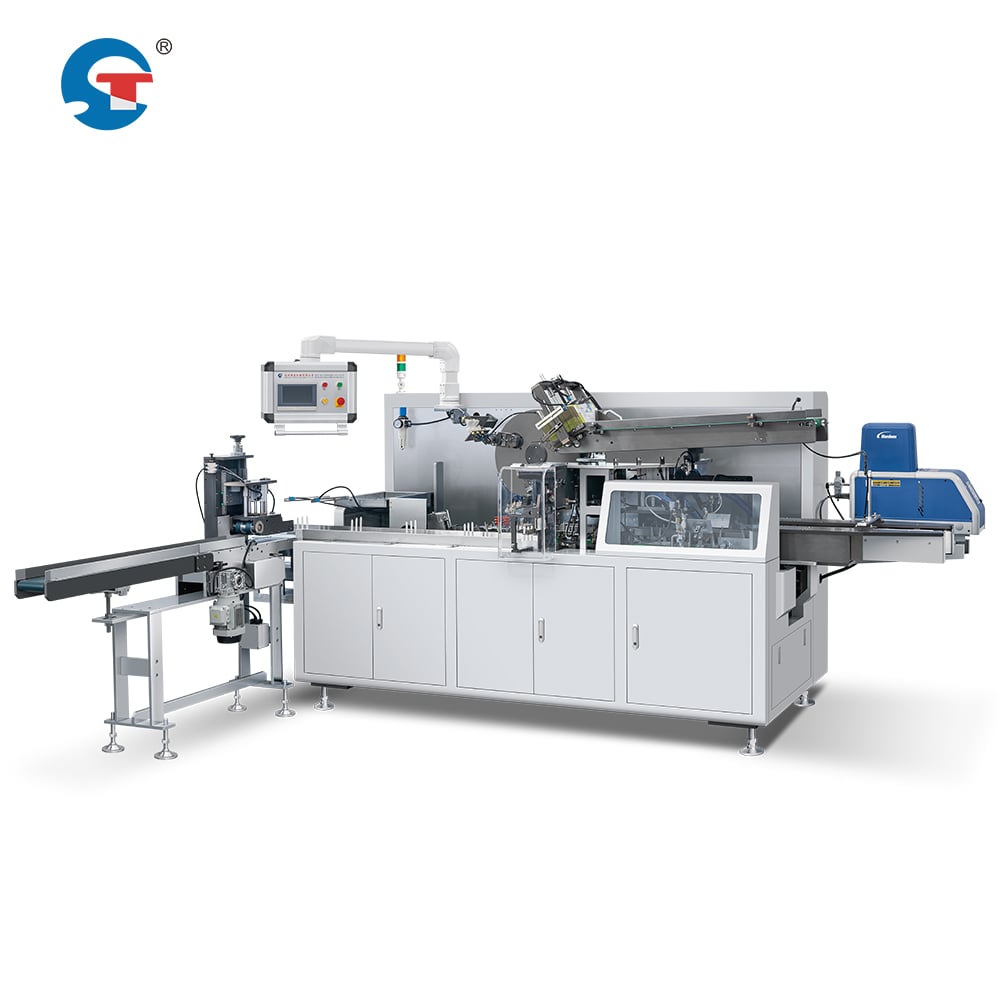
International tissue distribution networks require machinery capable of handling continuous high-volume production without compromising quality. The automatic tissue packaging equipment available today integrates precision box feeding, tissue wrapping, gluing, and sealing into a single automated workflow. This comprehensive automation minimizes human touch points, reduces contamination risk, and enables manufacturers to meet demanding international hygiene certifications. Whether serving North American retailers, European supermarket chains, or emerging Asian markets, the right tissue box wrapping machine becomes the backbone of reliable supply chains that operate twenty-four hours daily.
Core Capabilities of Modern Tissue Packing Systems
Speed and Production Volume
Contemporary automatic tissue packaging equipment delivers output rates between one hundred and three hundred boxes per minute, depending on configuration and box design specifications. This capacity enables mid-sized and large manufacturers to fulfill orders from multiple international distributors simultaneously without warehouse backlog. The facial tissue production line adjusts quickly between package formats, allowing producers to respond to market demand shifts without expensive retooling. Higher throughput directly reduces per-unit production cost, making export pricing more competitive while maintaining acceptable profit margins across different regional markets.
Quality Consistency and Compliance
Regulatory bodies across Europe, North America, and Asia enforce strict packaging standards for tissue products destined for retail sale. Modern automatic tissue packaging equipment incorporates vision inspection systems that verify box integrity, tissue layer count, and label alignment before products leave the facility. The tissue box wrapping machine ensures uniform shrink-wrap tension, proper flap sealing, and consistent package dimensions that prevent damage during international shipping. Compliance with these standards eliminates costly returns, protects brand reputation, and streamlines customs clearance processes in destination markets.
Integration Benefits for Global Supply Chains
Cost Reduction and Labor Efficiency
Deploying a facial tissue production line significantly reduces dependency on manual labor while maintaining production quality. Automated wrapping, gluing, and case packing eliminate repetitive tasks that previously required large teams working in shifts. Freed labor resources shift toward maintenance, quality oversight, and equipment optimization roles that add greater value. For manufacturers operating across multiple production facilities or countries, labor cost savings accumulate substantially, particularly in high-wage markets where manual packing historically consumed fifteen to twenty percent of production expenses.
Flexibility for Multi-Market Operations
International distributors expect customized packaging formats, language-specific labeling, and regional packaging preferences. The tissue box wrapping machine readily adapts to different box sizes, tissue ply configurations, and packaging materials without requiring extensive downtime. This flexibility enables producers to serve diverse markets from single production facilities, optimizing capital investment and supply chain resilience. Quick changeover capabilities ensure manufacturers can pivot rapidly when market conditions shift, regional preferences evolve, or new retail partnerships emerge.
Implementation Considerations for Export-Ready Operations
Infrastructure and Space Requirements
Installing a facial tissue packing machine demands adequate facility space, electrical capacity, and compressed air supply systems. Manufacturers should evaluate existing production floor layouts before purchasing, as automatic tissue packaging equipment typically occupies significant footprints ranging from fifty to one hundred square meters. Infrastructure upgrades, including power conditioning systems and dust collection, often accompany machine installation to protect equipment performance and extend service life. Planning for adequate raw material staging areas and finished goods palletization zones ensures smooth production flow without operational interruptions.
Operator Training and Technical Support
Effective deployment of a tissue box wrapping machine requires skilled operators trained in equipment operation, maintenance procedures, and troubleshooting protocols. Manufacturers should partner with machine suppliers offering comprehensive training programs, remote support capabilities, and spare parts availability for critical components. Operators need proficiency in adjusting settings for different package formats, recognizing quality issues early, and performing routine preventive maintenance. Long-term operational success depends on building internal expertise that maximizes equipment uptime and maintains consistent product quality across export shipments.
FAQ
How does automatic tissue packaging equipment improve export competitiveness?
Automatic tissue packaging equipment reduces per-unit production costs, improves product consistency, and enables faster order fulfillment, making export pricing more competitive. Consistent quality helps tissue manufacturers win retail contracts in demanding markets where quality standards directly influence buyer selection. Faster production cycles mean manufacturers respond quickly to seasonal demand spikes and emerging market opportunities, capturing market share before competitors can react.
What production output can a facial tissue production line achieve?
Modern facial tissue production lines typically produce between one hundred and three hundred boxes per minute, depending on box configuration and system setup. This range enables manufacturers to serve regional distributors across multiple countries simultaneously while maintaining quality consistency. Higher throughput capacity justifies capital investment by enabling manufacturers to consolidate production into fewer facilities, reducing overall operational complexity and improving supply chain resilience.
Can a tissue box wrapping machine handle different package formats and international market requirements?
Yes, contemporary tissue box wrapping machines feature quick-change mechanisms and adjustable settings that accommodate various box sizes, tissue ply counts, and regional packaging preferences. This flexibility allows manufacturers to serve multiple international markets from single production facilities without expensive retooling or long changeover times. The ability to rapidly adapt packaging specifications supports manufacturers pursuing growth in diverse geographic markets with varying customer expectations.