
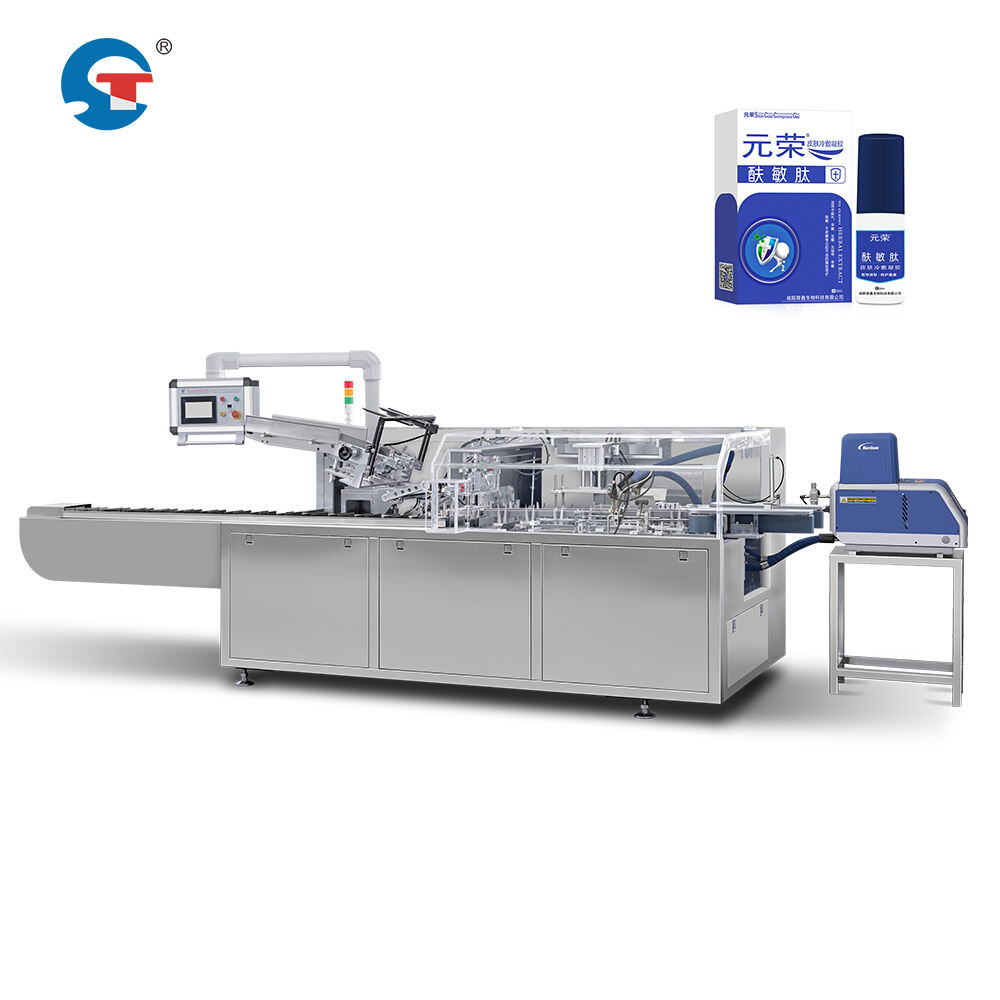
Modern manufacturing facilities are constantly seeking ways to optimize their packaging operations, and the adoption of automated equipment has become essential for maintaining competitive advantage. A crating machine represents a significant technological advancement in industrial packaging, offering manufacturers the ability to streamline their end-of-line processes while ensuring consistent product protection. These sophisticated systems have revolutionized how factories approach packaging workflows, delivering measurable improvements in efficiency, cost management, and operational reliability. Understanding the comprehensive benefits of implementing a crating machine in factory environments provides valuable insights for manufacturing decision-makers evaluating packaging automation solutions.
Enhanced Production Efficiency Through Automation
Accelerated Packaging Speed and Throughput
The implementation of a crating machine fundamentally transforms production line velocity by eliminating manual packaging bottlenecks that traditionally constrain manufacturing output. These automated systems can process hundreds of units per hour, far exceeding human capabilities while maintaining consistent performance throughout extended operating periods. Factory managers report productivity increases of 300-400% when transitioning from manual crating processes to automated solutions, enabling facilities to meet demanding production schedules without compromising quality standards.
Advanced crating machine designs incorporate intelligent conveyor systems and precise positioning mechanisms that ensure seamless product flow from assembly lines directly into protective packaging. This continuous operation eliminates the delays associated with manual handling, reducing cycle times and maximizing equipment utilization rates. The result is a more responsive manufacturing environment capable of adapting to fluctuating demand patterns while maintaining optimal resource allocation.
Reduced Labor Dependencies and Workforce Optimization
Automated crating systems significantly reduce dependency on manual labor for packaging operations, allowing manufacturers to redirect human resources toward higher-value activities such as quality control, maintenance, and process improvement initiatives. This strategic workforce reallocation enhances overall operational efficiency while reducing exposure to labor shortages that can disrupt production schedules. A modern crating machine typically requires minimal operator intervention, functioning autonomously once properly configured and maintained.
The reduced labor requirements also translate to improved scheduling flexibility, as automated packaging systems can operate during off-shift hours without requiring additional staffing. This capability enables manufacturers to extend production windows and respond more effectively to urgent orders or seasonal demand fluctuations. Furthermore, the consistent performance of automated equipment eliminates variability associated with human factors such as fatigue, skill differences, or training gaps.
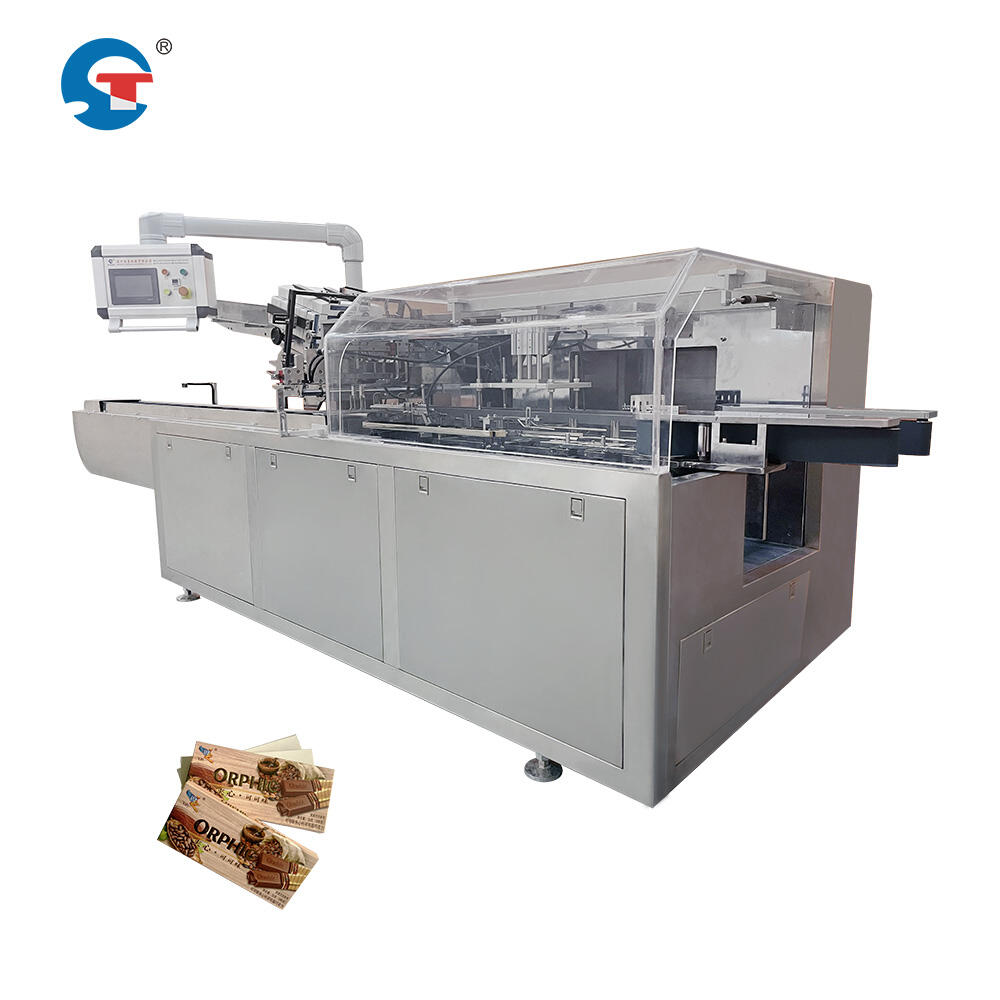
Superior Cost Management and Economic Benefits
Material Waste Reduction and Resource Conservation
Precision engineering in modern crating machine designs ensures optimal material utilization through accurate measurement systems and controlled dispensing mechanisms. These systems minimize packaging material waste by applying exact quantities of protective materials, eliminating the overuse common in manual operations. The consistent application of materials not only reduces costs but also supports sustainability initiatives by minimizing environmental impact through reduced resource consumption.
Advanced crating systems incorporate sensors and feedback mechanisms that monitor material levels and adjust dispensing rates based on product specifications and packaging requirements. This intelligent material management capability prevents both material shortages that could halt production and excessive material usage that increases operational costs. The precision offered by these automated systems typically results in 15-25% reduction in packaging material expenses compared to manual operations.
Long-term Return on Investment Considerations
While the initial capital investment for a crating machine may appear substantial, the long-term economic benefits justify the expenditure through multiple cost-saving mechanisms. Reduced labor costs, decreased material waste, improved product protection, and enhanced productivity combine to deliver compelling return on investment within 18-36 months of implementation. These systems also provide predictable operating costs, enabling more accurate financial planning and budget forecasting.
The durability and reliability of modern crating equipment ensure extended service life with minimal maintenance requirements, further enhancing the economic value proposition. Many manufacturers report operational life spans exceeding 15 years for properly maintained systems, distributing the initial investment across extensive production volumes. Additionally, the improved packaging consistency reduces product damage during shipping and handling, minimizing costly returns and warranty claims.
Quality Assurance and Product Protection Excellence
Consistent Packaging Standards and Reliability
The precision and repeatability of automated crating systems ensure consistent packaging quality that manual processes cannot match. Each product receives identical protection levels, eliminating variations that could compromise product integrity during transportation and storage. This consistency is particularly crucial for manufacturers serving industries with stringent quality requirements or those shipping products over long distances or through multiple handling stages.
A properly configured crating machine applies precise forces and maintains exact tolerances throughout the packaging process, ensuring optimal protection without over-packaging that could increase costs or environmental impact. The elimination of human variability in packaging operations results in predictable performance metrics and reliable quality outcomes that support brand reputation and customer satisfaction objectives.
Advanced Protection Features and Customization
Modern crating systems offer sophisticated protection features including adjustable cushioning systems, variable compression settings, and customizable packaging configurations tailored to specific product requirements. These capabilities enable manufacturers to optimize protection levels for different product categories while maintaining efficient throughput rates. The flexibility to adjust packaging parameters ensures appropriate protection for items ranging from delicate electronics to heavy industrial components.
Integration capabilities with quality control systems allow crating machines to incorporate inspection data and automatically adjust packaging parameters based on product characteristics or quality metrics. This intelligent adaptation ensures that products requiring special handling receive appropriate protection while standard items are processed efficiently. The result is a packaging system that adapts to product variations while maintaining consistent quality standards across all output.
Workplace Safety and Ergonomic Improvements
Elimination of Repetitive Strain Injuries
Manual crating operations expose workers to repetitive motions, heavy lifting, and awkward positioning that contribute to musculoskeletal disorders and workplace injuries. Automated crating systems eliminate these risk factors by handling all physical aspects of the packaging process, creating safer work environments and reducing workers' compensation claims. The removal of repetitive manual tasks allows employees to focus on higher-skill activities that provide greater job satisfaction and career development opportunities.
The safety benefits extend beyond injury prevention to include reduced exposure to packaging materials such as adhesives, solvents, or dust that may pose health risks during manual application. Enclosed crating systems contain these materials within controlled environments, minimizing worker exposure while maintaining effective packaging operations. This improved safety profile contributes to enhanced employee retention and reduced training costs associated with high turnover in physically demanding positions.
Enhanced Workplace Environment and Morale
The implementation of modern crating technology creates cleaner, more organized work environments by eliminating the clutter and material handling challenges associated with manual packaging operations. Automated systems maintain orderly material flow and reduce the accumulation of packaging waste around workstations. This improved workplace organization contributes to better safety conditions and enhanced employee morale through more pleasant working conditions.
Workers operating in facilities with advanced packaging automation report higher job satisfaction due to the elimination of physically demanding tasks and the opportunity to develop technical skills related to equipment operation and maintenance. The technology upgrade also demonstrates management commitment to employee welfare and operational excellence, fostering positive workplace culture and supporting retention efforts in competitive manufacturing environments.
Technological Integration and Smart Manufacturing
Industry 4.0 Compatibility and Data Analytics
Contemporary crating machine designs incorporate advanced connectivity features that enable seamless integration with Manufacturing Execution Systems (MES) and Enterprise Resource Planning (ERP) platforms. This integration capability allows real-time monitoring of packaging operations, providing valuable data for performance optimization and predictive maintenance scheduling. The collection and analysis of operational data support continuous improvement initiatives and inform strategic decision-making processes.
Smart crating systems generate comprehensive performance metrics including throughput rates, material consumption, error frequencies, and maintenance requirements. This data visibility enables manufacturers to identify optimization opportunities, predict maintenance needs, and benchmark performance against industry standards. The analytical capabilities support evidence-based decision making and facilitate the implementation of lean manufacturing principles throughout packaging operations.
Scalability and Future-Ready Technology
Modern crating equipment is designed with scalability considerations that accommodate future growth and evolving production requirements. Modular designs allow manufacturers to expand system capacity or modify configurations as business needs change, protecting the initial investment while providing operational flexibility. This adaptability is particularly valuable for manufacturers experiencing growth or diversification into new product categories.
The integration of artificial intelligence and machine learning capabilities in advanced crating systems enables continuous performance optimization through automated parameter adjustment and predictive analytics. These smart features allow the equipment to adapt to changing conditions and optimize performance without manual intervention, ensuring sustained efficiency gains and reduced operational complexity. The technology evolution pathway ensures that current investments remain relevant as manufacturing automation continues advancing.
FAQ
What maintenance requirements should manufacturers expect for crating machines?
Most modern crating systems require routine maintenance including daily cleaning, weekly lubrication of moving components, and monthly inspection of sensors and control systems. Preventive maintenance schedules typically involve quarterly replacement of wear components and annual comprehensive system audits. Well-maintained equipment operates reliably for 15-20 years with minimal unplanned downtime, making maintenance costs predictable and manageable within operational budgets.
How do crating machines handle different product sizes and packaging requirements?
Advanced crating systems feature adjustable components including variable-width conveyors, height-adjustable platforms, and programmable control systems that accommodate diverse product dimensions. Many systems can store multiple packaging configurations in memory, allowing quick changeovers between product lines without extensive setup time. This flexibility enables manufacturers to process various products efficiently while maintaining consistent packaging quality across different item categories.
What training is required for operators working with automated crating equipment?
Operator training typically requires 2-5 days of comprehensive instruction covering system operation, basic troubleshooting, and safety procedures. Most manufacturers provide detailed training programs including hands-on practice and certification processes to ensure competent operation. Ongoing training updates are recommended when software upgrades or system modifications are implemented, ensuring operators maintain current knowledge and skills for optimal equipment performance.
Can crating machines integrate with existing production line equipment?
Modern crating systems are designed with standard interface protocols that facilitate integration with existing conveyor systems, quality control equipment, and manufacturing control systems. Integration planning should consider conveyor heights, communication protocols, and synchronization requirements to ensure seamless operation. Most equipment suppliers provide integration support and system commissioning services to minimize installation complexity and ensure successful implementation within existing production environments.
Table of Contents
- Enhanced Production Efficiency Through Automation
- Superior Cost Management and Economic Benefits
- Quality Assurance and Product Protection Excellence
- Workplace Safety and Ergonomic Improvements
- Technological Integration and Smart Manufacturing
-
FAQ
- What maintenance requirements should manufacturers expect for crating machines?
- How do crating machines handle different product sizes and packaging requirements?
- What training is required for operators working with automated crating equipment?
- Can crating machines integrate with existing production line equipment?