
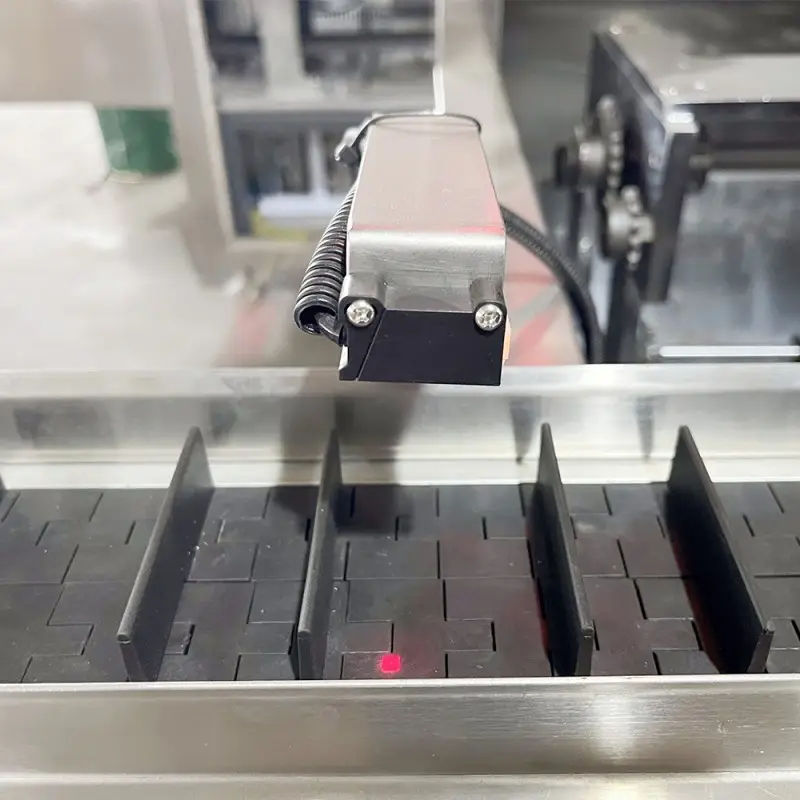
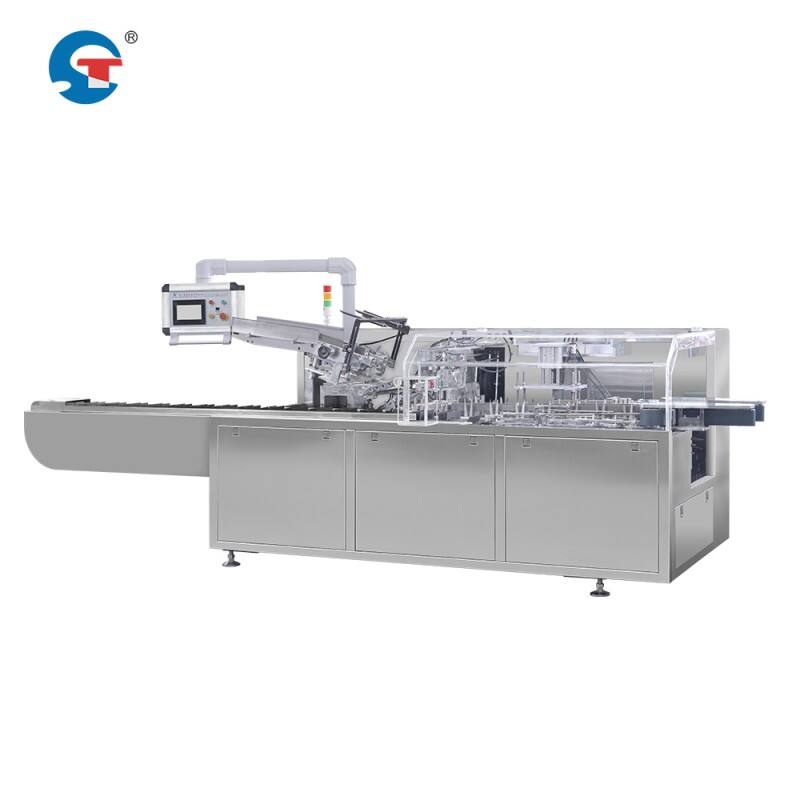
Modern pharmaceutical manufacturing facilities face unprecedented challenges in maintaining efficient, compliant, and cost-effective packaging operations. As regulatory requirements become increasingly stringent and market demands for faster production cycles intensify, pharmaceutical companies must leverage advanced automation solutions to remain competitive. A pharmaceutical cartoning machine represents a critical investment that addresses multiple operational bottlenecks while ensuring product integrity throughout the packaging process. These sophisticated systems transform manual, error-prone packaging workflows into streamlined, automated operations that deliver consistent results across high-volume production environments.
Production Efficiency and Speed Optimization
Eliminating Manual Labor Bottlenecks
Traditional manual cartoning processes create significant production bottlenecks that limit overall throughput capacity in pharmaceutical packaging lines. Workers performing repetitive cartoning tasks often experience fatigue, leading to decreased productivity and increased error rates during extended production runs. A pharmaceutical cartoning machine eliminates these human limitations by operating continuously at consistent speeds, typically processing between 60 to 300 cartons per minute depending on the specific model and application requirements. This dramatic improvement in processing speed allows manufacturers to meet demanding production schedules while reducing labor costs associated with manual packaging operations.
Automated cartoning systems maintain consistent performance levels throughout entire production shifts, eliminating the productivity variations inherent in manual processes. The precision timing and movement control of modern pharmaceutical cartoning machine technology ensures optimal material handling and placement accuracy, reducing waste from damaged products or improperly assembled cartons. These systems integrate seamlessly with upstream and downstream equipment, creating synchronized production workflows that maximize overall line efficiency and minimize idle time between processing stages.
Scalable Production Capacity Management
Pharmaceutical manufacturers often face fluctuating demand patterns that require flexible production capacity adjustments to maintain optimal inventory levels and customer service standards. Manual cartoning operations struggle to accommodate these variations efficiently, often requiring significant workforce adjustments and training investments. A pharmaceutical cartoning machine provides scalable capacity management through programmable speed controls and quick changeover capabilities that allow operators to adjust production rates based on real-time demand requirements without compromising quality standards.
Advanced cartoning systems feature modular designs that support capacity expansion through additional equipment integration or performance upgrades. This scalability ensures that initial equipment investments remain viable as production requirements evolve, protecting capital investments while providing flexibility for future growth. The ability to rapidly reconfigure cartoning operations for different product sizes and packaging formats enables manufacturers to respond quickly to market opportunities and maintain competitive positioning in dynamic pharmaceutical markets.
Quality Control and Compliance Enhancement
Regulatory Compliance Assurance
Pharmaceutical packaging operations must comply with stringent regulatory requirements including Good Manufacturing Practice (GMP) guidelines, FDA validation protocols, and international quality standards. Manual cartoning processes introduce numerous compliance risks through inconsistent procedures, documentation gaps, and human error potential that can result in costly regulatory violations or product recalls. A pharmaceutical cartoning machine incorporates built-in quality control systems that automatically verify proper product placement, carton integrity, and packaging completeness according to predetermined specifications and regulatory requirements.
Automated documentation and traceability features ensure complete batch records and audit trails that satisfy regulatory inspection requirements. Modern pharmaceutical cartoning machine systems include integrated vision systems, weight checking capabilities, and reject mechanisms that identify and remove non-conforming products before they reach final packaging stages. This proactive quality control approach minimizes regulatory risks while providing verifiable evidence of compliance with established manufacturing standards and procedures.
Product Integrity and Contamination Prevention
Maintaining product integrity throughout the packaging process requires careful attention to contamination prevention, proper handling procedures, and environmental control measures. Manual cartoning operations expose pharmaceutical products to increased contamination risks through direct human contact, inconsistent handling techniques, and potential cross-contamination between different product batches. A pharmaceutical cartoning machine operates within controlled environments using enclosed processing chambers, sterile air systems, and automated material handling that minimizes contamination exposure while maintaining strict cleanliness standards.
Precision handling mechanisms ensure gentle product treatment that preserves tablet integrity, capsule appearance, and packaging aesthetics throughout the cartoning process. Advanced sensor technologies monitor product condition and automatically reject items that fail to meet established quality criteria, preventing defective products from reaching consumers. The consistent, repeatable nature of automated cartoning eliminates the variability associated with manual handling, ensuring uniform product presentation and packaging quality across all production batches.
Cost Reduction and Return on Investment
Labor Cost Optimization
Labor costs represent a significant portion of pharmaceutical packaging expenses, particularly in facilities operating multiple shifts or producing high-volume products. Manual cartoning operations require substantial workforce investments including direct labor, supervision, training, and benefits costs that continue to increase over time. A pharmaceutical cartoning machine dramatically reduces these ongoing labor expenses by automating repetitive tasks while requiring minimal operator intervention for routine production activities.
The automation of cartoning processes allows companies to redeploy skilled personnel to higher-value activities such as quality assurance, process optimization, and equipment maintenance. This strategic workforce reallocation improves overall operational efficiency while reducing the training and turnover costs associated with manual packaging positions. Long-term labor savings often justify equipment investments within 18 to 36 months, depending on production volumes and current labor costs.
Material Waste and Error Reduction
Manual cartoning processes generate significant material waste through handling errors, improper carton assembly, and product damage during packaging operations. These waste streams represent direct cost impacts through lost materials and increased disposal expenses, as well as indirect costs from production delays and quality investigations. A pharmaceutical cartoning machine incorporates precision control systems that minimize material waste by ensuring accurate product placement, proper carton formation, and gentle handling throughout the packaging process.
Automated error detection and correction capabilities identify and address packaging issues before they result in waste generation or quality problems. Vision inspection systems verify proper product orientation, carton completeness, and labeling accuracy, automatically rejecting non-conforming items for manual review and correction. This proactive approach to quality control significantly reduces waste generation while improving overall packaging consistency and product presentation standards.
Integration and Connectivity Advantages
Manufacturing Execution System Integration
Modern pharmaceutical manufacturing facilities rely on sophisticated Manufacturing Execution Systems (MES) to coordinate production activities, track batch progress, and maintain comprehensive documentation records. Manual cartoning operations often create integration challenges due to inconsistent data collection, timing variations, and documentation gaps that disrupt overall system coordination. A pharmaceutical cartoning machine provides seamless MES integration through standardized communication protocols, real-time data exchange, and automated reporting capabilities that enhance overall manufacturing visibility and control.
Integrated systems enable real-time production monitoring, automated batch documentation, and predictive maintenance scheduling that optimize overall equipment effectiveness. The ability to share operational data across integrated manufacturing systems supports advanced analytics, process optimization initiatives, and regulatory compliance reporting requirements. This connectivity ensures that cartoning operations contribute to broader manufacturing intelligence and continuous improvement efforts.
Supply Chain Optimization
Efficient pharmaceutical cartoning operations support broader supply chain optimization initiatives by providing predictable production schedules, consistent quality outputs, and reliable delivery commitments to downstream distribution partners. A pharmaceutical cartoning machine enables precise production planning and scheduling that aligns packaging operations with upstream manufacturing activities and downstream distribution requirements. This coordination reduces inventory carrying costs, minimizes stockouts, and improves customer service levels throughout the supply chain.
Automated data collection and reporting capabilities provide valuable insights into packaging performance, material consumption, and production efficiency metrics that support supply chain decision-making. Real-time visibility into cartoning operations enables proactive inventory management, optimized material ordering, and improved coordination with contract packaging partners. These capabilities contribute to overall supply chain resilience and responsiveness in dynamic market conditions.
Technology and Innovation Benefits
Advanced Automation Features
Contemporary pharmaceutical cartoning machine technology incorporates advanced automation features that extend beyond basic packaging functions to provide comprehensive operational support. Servo-driven mechanisms ensure precise timing and positioning control, while programmable logic controllers enable flexible recipe management and quick product changeovers. Touch screen interfaces simplify operator interactions and provide intuitive access to system diagnostics, performance monitoring, and maintenance scheduling information.
Machine learning algorithms analyze operational data to optimize performance parameters, predict maintenance requirements, and identify process improvement opportunities. These intelligent systems continuously adapt to changing production conditions, maintaining optimal performance levels while minimizing operator intervention requirements. The integration of Industry 4.0 technologies creates smart packaging systems that contribute to overall manufacturing digitization and automation initiatives.
Future-Proofing and Adaptability
Pharmaceutical markets continue evolving with new product formats, packaging requirements, and regulatory standards that demand flexible manufacturing capabilities. Traditional manual cartoning processes struggle to accommodate these changes efficiently, often requiring significant retraining investments and procedural modifications. A pharmaceutical cartoning machine provides future-proofing through modular designs, software-based configuration management, and upgrade pathways that adapt to changing requirements without major equipment replacements.
Standardized interfaces and open architecture designs ensure compatibility with emerging technologies and industry standards. This adaptability protects equipment investments while enabling continuous capability enhancement through software updates, accessory additions, and integration with new manufacturing technologies. The ability to evolve with changing market requirements ensures long-term equipment viability and return on investment protection.
FAQ
What maintenance requirements are associated with pharmaceutical cartoning machines?
Pharmaceutical cartoning machines require regular preventive maintenance including daily cleaning and inspection procedures, weekly lubrication and calibration checks, and monthly comprehensive system evaluations. Most modern systems include predictive maintenance capabilities that monitor component performance and provide advance warning of potential issues. Typical maintenance schedules involve 2-4 hours of daily maintenance tasks and 8-12 hours of weekly maintenance activities, depending on production volumes and operating conditions.
How do pharmaceutical cartoning machines handle different product sizes and formats?
Modern pharmaceutical cartoning machines feature adjustable product handling systems, changeable tooling components, and programmable control systems that accommodate various product sizes and packaging formats. Changeover procedures typically require 15-45 minutes depending on the complexity of format differences. Many systems include quick-change mechanisms and stored recipes that minimize downtime during product transitions while maintaining consistent quality standards across different packaging configurations.
What validation requirements apply to pharmaceutical cartoning machine installations?
Pharmaceutical cartoning machine installations must undergo comprehensive validation protocols including Installation Qualification (IQ), Operational Qualification (OQ), and Performance Qualification (PQ) testing. These validation activities verify equipment functionality, process capability, and compliance with regulatory requirements. Documentation requirements include validation master plans, test protocols, acceptance criteria, and comprehensive reporting that demonstrates system suitability for pharmaceutical manufacturing applications.
How do pharmaceutical cartoning machines integrate with existing packaging line equipment?
Pharmaceutical cartoning machines integrate with existing packaging lines through standardized conveyor systems, communication protocols, and control interfaces that ensure seamless material flow and coordinated operation. Integration considerations include mechanical interfaces, electrical connections, and software communication requirements that enable synchronized operation with upstream and downstream equipment. Professional installation and commissioning services typically ensure proper integration and system optimization for specific production environments.
Table of Contents
- Production Efficiency and Speed Optimization
- Quality Control and Compliance Enhancement
- Cost Reduction and Return on Investment
- Integration and Connectivity Advantages
- Technology and Innovation Benefits
-
FAQ
- What maintenance requirements are associated with pharmaceutical cartoning machines?
- How do pharmaceutical cartoning machines handle different product sizes and formats?
- What validation requirements apply to pharmaceutical cartoning machine installations?
- How do pharmaceutical cartoning machines integrate with existing packaging line equipment?