
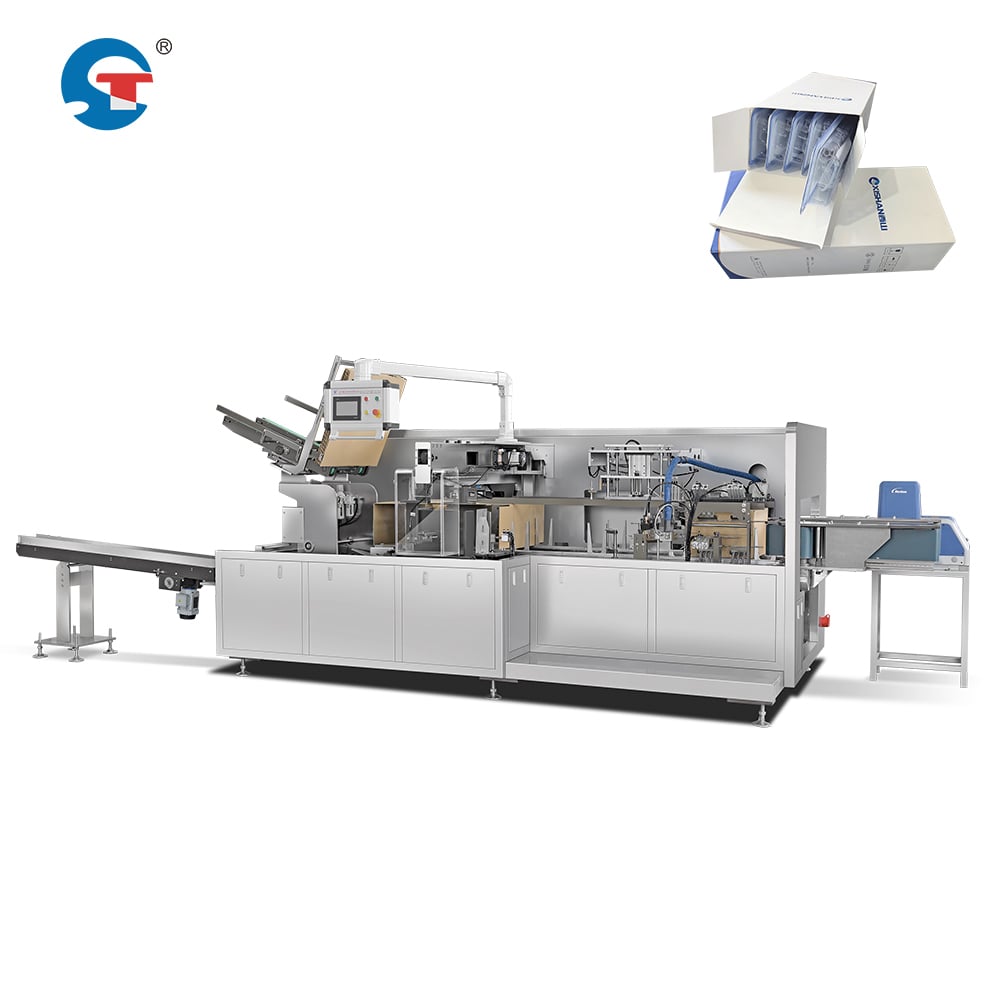
Reliable performance in an auto cartoner machine system depends on more than its rated speed. The system must handle the intended carton and product consistently, coordinate its operating stages, and recover predictably from normal interruptions. Reviewing carton packaging automation and case erecting and packing equipment as connected production functions helps teams identify what drives dependable output.
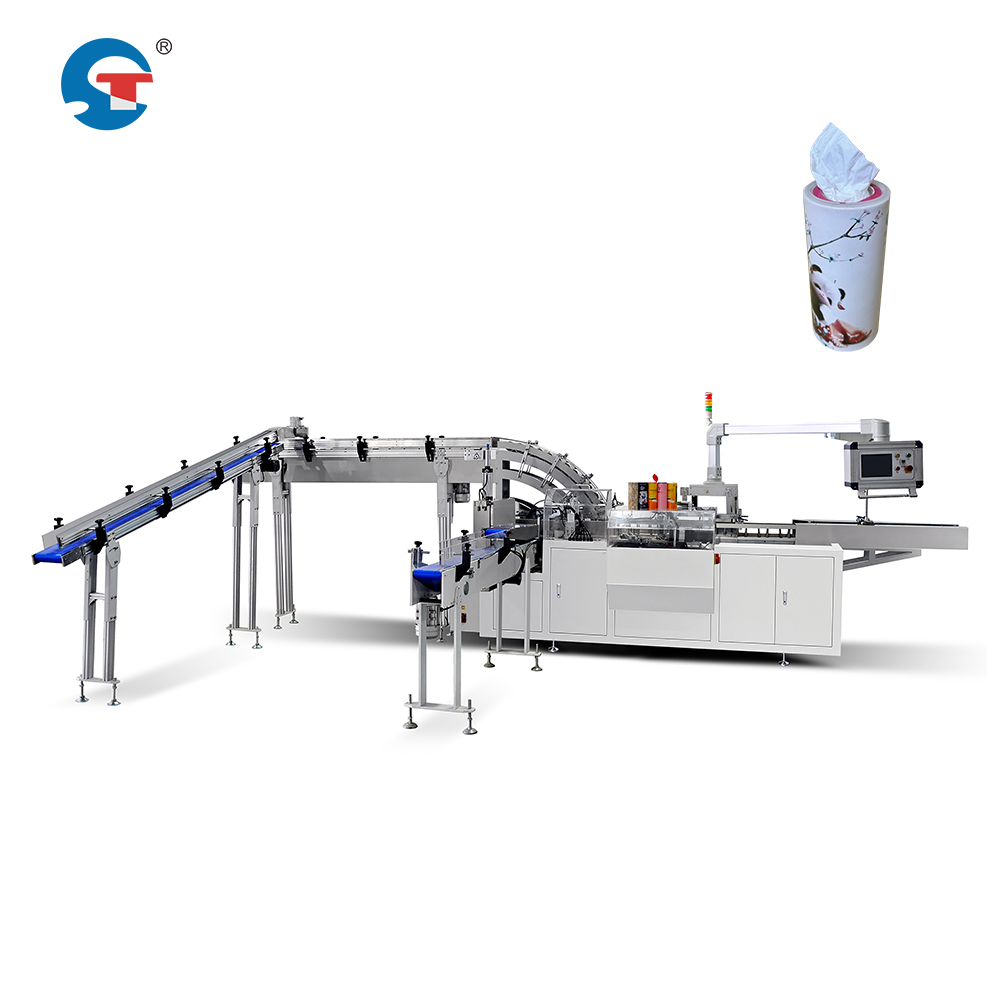
The useful measure is sustained performance under actual operating conditions, not a momentary best-case rate. A high-speed cartoning system can only contribute reliable production when feeding, carton forming, loading, and closing remain synchronized. The sections below explain the equipment, material, control, and maintenance factors that determine whether a line can meet its planned schedule.
Equipment fit and mechanical consistency
Matching the system to products and cartons
Start with the product range, carton dimensions, board characteristics, and expected changeover frequency. Carton packaging automation should accommodate real variation in these inputs rather than a single ideal sample. Confirming those requirements before selecting an auto cartoner machine reduces the risk of recurring jams, poor carton presentation, or adjustments that consume production time.
Compatibility also matters across connected equipment. Case erecting and packing equipment must deliver open cases in a format and orientation the downstream process can accept, while product spacing must suit the loading method. Test representative products and packaging materials together, since a high-speed cartoning system may react differently to a full production mix than to a carefully prepared setup.
Mechanical repeatability shows up in small actions: cartons separate cleanly, blanks open squarely, products arrive at the loading point in position, and closures form consistently. These actions make carton packaging automation dependable from cycle to cycle. When they drift, operators may compensate manually, concealing the underlying issue until throughput or packaging quality becomes unacceptable.
Structural design and setup control
A stable frame, accessible adjustment points, and clear setup references help keep the machine aligned through routine operation. On case erecting and packing equipment, repeatable guides and forming components matter because case geometry affects transfer and sealing. A high-speed cartoning system should also allow technicians to inspect critical areas without turning every adjustment into an extended shutdown.
Evaluate the range of tooling and formats the auto cartoner machine can support, then establish documented settings for each approved job. This makes carton packaging automation less dependent on individual memory and helps prevent setup variation between shifts. Reliable changeovers are not simply fast; they restore the verified operating condition without introducing avoidable defects.
Before production, verify that the case size, carton style, and product presentation match the selected recipe or setup sheet. Case erecting and packing equipment benefits from the same disciplined checks as the cartoner. A high-speed cartoning system is more predictable when teams confirm format settings and material suitability before increasing the line to its normal rate.
Controls, line flow, and operating conditions
Coordinating each production stage
A line performs as a connected process: upstream supply, carton forming, product loading, and downstream closing must exchange product without creating gaps or congestion. Carton packaging automation relies on coordinated sensors, timing, and accumulation capacity. When an auto cartoner machine runs faster than its feed or takeaway can support, short stoppages can reduce sustained output.
Assess how the equipment responds to empty feeds, misaligned cartons, blocked transfers, and downstream stops. Case erecting and packing equipment should signal faults clearly and avoid sending unstable cases into the next stage. A high-speed cartoning system needs practical fault recovery logic, so operators can identify the cause and restart safely rather than repeatedly clearing symptoms.
Control settings should support steady product spacing and prevent unnecessary starts and stops. In carton packaging automation, sensors need suitable placement and maintenance, while timing must reflect the real product flow. Review fault histories and observed line behavior together; frequent minor interruptions may reveal a coordination problem even when no single event appears severe.
Operator access and production visibility
Clear status messages, accessible emergency stops, and straightforward access to routine adjustments help operators manage normal variations. The auto cartoner machine should make its operating state easy to understand, including whether a stop came from missing cartons, product supply, or a downstream blockage. Better visibility supports faster diagnosis without encouraging unsafe intervention.
Case erecting and packing equipment should also provide practical access for replenishing blanks and clearing approved stoppages. When carton packaging automation is designed around the actual operator workflow, routine tasks are less likely to interrupt adjacent stations. Consider sight lines, replenishment routes, and safe access during acceptance testing, not only in a layout drawing.
Measure planned rate alongside good-pack output, stoppage frequency, and recovery time. A high-speed cartoning system that reaches its target only in brief runs may not meet the shift requirement. Comparing performance across representative products and operating periods reveals whether the constraint is equipment capacity, line balance, material variation, or operating practice.
Materials, maintenance, and sustained reliability
Packaging quality and environmental consistency
Carton blanks and case materials must be suitable for the forming and closing method. Changes in dimensions, board stiffness, cut quality, or storage condition can affect carton packaging automation even when machine settings remain unchanged. Establish incoming material checks and preserve packaging as recommended, particularly where humidity or handling can alter blank behavior.
Product condition matters as much as packaging condition. Confirm that items arrive in a consistent orientation and that fragile or irregular products are supported by an appropriate loading method. A high-speed cartoning system may expose small inconsistencies sooner because product spacing and timing leave less room for uncontrolled variation during transfer.
Keep approved material specifications and test samples available for troubleshooting. Case erecting and packing equipment can show different behavior when case blanks vary, so recording the material lot alongside faults helps separate equipment issues from supply variation. This evidence makes adjustments more targeted and reduces the chance of compensating for a temporary material problem with permanent machine changes.
Preventive care and performance verification
A preventive maintenance plan should reflect operating hours, wear points, cleaning needs, and the consequences of a component failure. For an auto cartoner machine, inspect guides, grippers, belts, sensors, and forming elements at intervals suited to the application. Documenting inspections and replacing worn parts before failure supports stable carton packaging automation.
Train operators to recognize early warning signs such as repeated misfeeds, inconsistent folds, unusual noise, or rising minor stops. Case erecting and packing equipment benefits when operators know which checks are routine and which conditions require maintenance support. Clear escalation rules reduce improvised repairs and help preserve verified settings after work is completed.
After maintenance, format changes, or control adjustments, verify performance with representative products and cartons. A high-speed cartoning system should be returned to service only after teams confirm stable feeding, acceptable package quality, and reliable transfers. Recording the results provides a useful baseline for later troubleshooting and shows whether the change improved the process.
FAQ
Which measure best indicates reliable performance?
Use sustained good-pack output over a representative production period, alongside stoppages, rejects, and recovery time. A single peak-rate test is not enough to judge carton packaging automation. Include the actual product and material mix, and note whether the auto cartoner machine can maintain consistent package quality through normal interruptions.
How should connected equipment be evaluated?
Assess interfaces as well as individual machines: product spacing, case presentation, transfer timing, and fault communication. Case erecting and packing equipment should supply a stable flow that downstream stations can accept. Trialing the full sequence helps reveal line constraints that isolated equipment checks may miss.
Can higher speed improve dependable output?
Only when feeding, materials, controls, and downstream capacity support the required rate. A high-speed cartoning system cannot overcome inconsistent blanks or poor line balance by speed alone. Validate the target under realistic conditions, then use maintenance records and production data to sustain the verified operating range.