
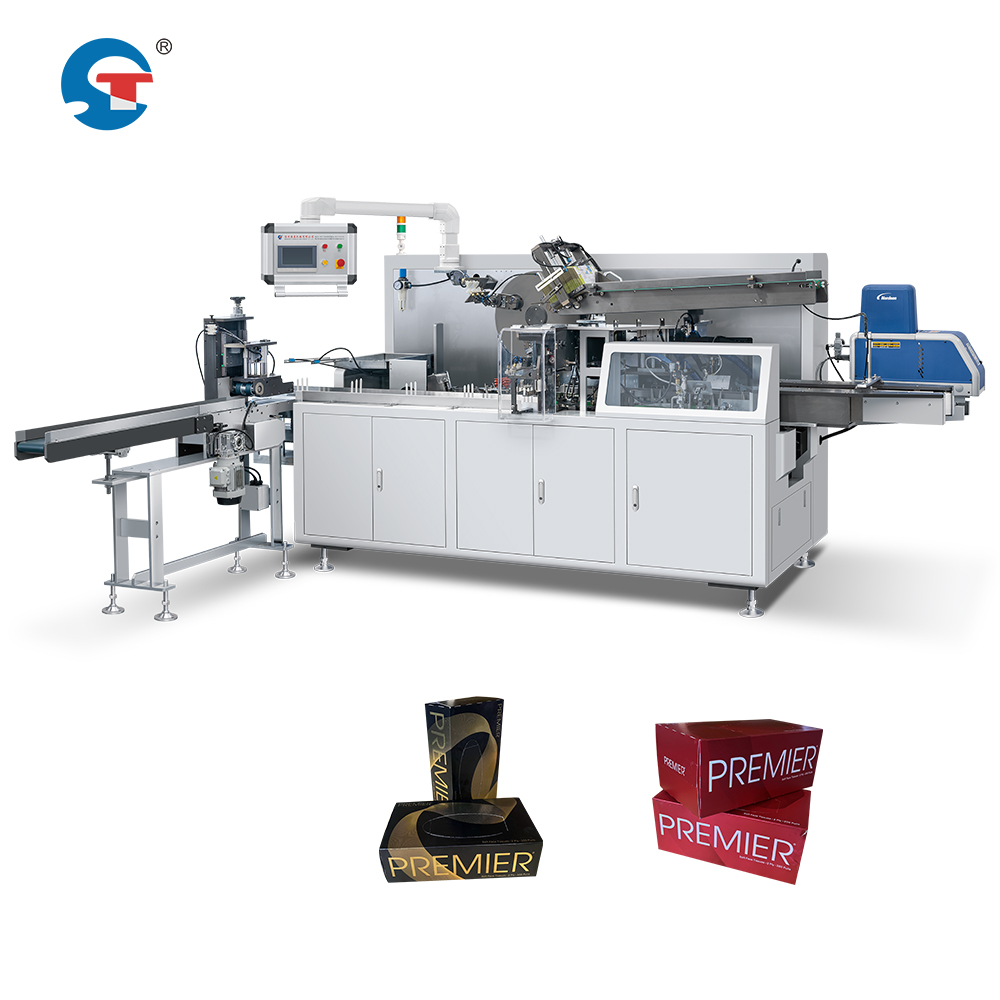
Manufacturers invest in a high speed cartoner when rising output requirements, labor constraints, or frequent packaging changes make existing lines difficult to manage. The decision is not simply about running cartons faster: it is about coordinating product feeding, carton forming, loading, closing, and downstream handling. An automatic case packing machine and compatible high speed packaging equipment may also be needed to keep the wider line balanced.
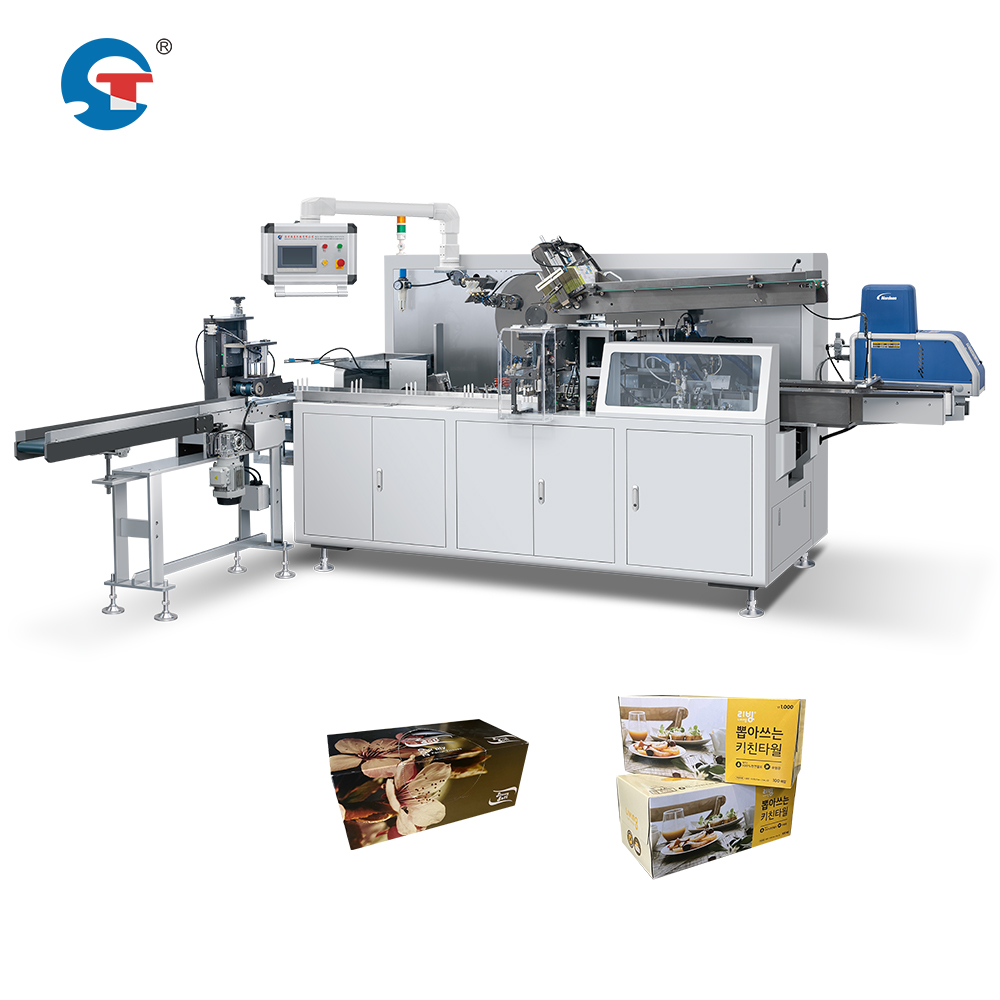
The strongest investment case appears when packaging is a recurring production constraint rather than an occasional inconvenience. A cartoning machine for pharmaceuticals, for example, must support controlled handling and dependable pack presentation, while other sectors may prioritize format changes or labor reduction. A high speed cartoner can address these pressures when it is selected for the actual product, carton, and operating pattern.
Production pressures that make automation worthwhile
Rising output exposes manual and semi-automatic limits
As orders grow, operators may struggle to supply cartons, load products, and clear finished packs at the pace required by the line. This creates interruptions even when the primary product-making equipment has available capacity. An automatic case packing machine can help manage downstream case handling, while a high speed cartoner organizes the carton-forming and loading stage that often sits between production and shipping.
Manufacturers may therefore invest to reduce the number of repetitive handoffs, not merely to raise a machine’s nominal rate. A high speed packaging equipment plan should consider upstream feeding and downstream case packing together. If cartons accumulate at discharge or products arrive inconsistently, faster cartoning alone will not remove the bottleneck. Line balance is the practical reason to assess every connected operation.
Labor availability and repetitive work shape the case
Carton erection, product insertion, leaflet placement, and closure can involve frequent repetitive movements. Automating suitable tasks can shift people toward replenishment, inspection, changeover, and exception handling. An automatic case packing machine may extend that approach to the end of the line, but the business case should account for training, maintenance, and staffing needs rather than assume that automation eliminates labor requirements.
A high speed cartoner is most useful when the production team can define which manual tasks cause recurring delays or quality variation. In regulated settings, a cartoning machine for pharmaceuticals may also support a more controlled process for assembling cartons and handling inserts. The relevant benefit is repeatable execution of defined steps, provided operating procedures and inspection controls are designed around the equipment.
Operational and commercial value beyond speed
Consistent carton handling supports dependable presentation
Carton opening, product placement, and closing must work together to produce packs that meet the intended presentation and handling requirements. A high speed cartoner can automate this sequence, while sensors and process checks may help identify faults for operator attention. The appropriate controls depend on the product and line design; manufacturers should confirm which checks are included rather than infer capabilities from the machine category.
For an automatic case packing machine, reliable arrival of closed cartons matters as much as the case-loading operation itself. Likewise, high speed packaging equipment should be evaluated for how it handles normal variation in materials and product supply. Better coordination can reduce avoidable stops and rework, although actual results depend on packaging quality, setup, maintenance, and operator practice.
Format flexibility can protect production planning
Many plants handle several carton sizes, product configurations, or order volumes. When a machine can be adjusted for approved formats, production planners may have more options for assigning work across shifts and campaigns. A high speed cartoner should therefore be assessed for its changeover process, adjustment points, and required tooling, not just its rated operating speed.
An automatic case packing machine must also suit the range of cases and pack patterns used downstream. Manufacturers using high speed packaging equipment benefit from checking whether format changes are practical for the people who will perform them. In pharmaceutical applications, a cartoning machine for pharmaceuticals must fit the approved carton and product presentation, with changeover controls that preserve the required documentation and inspection routine.
Investment conditions and implementation priorities
Capacity needs must be matched to real line conditions
Before approving a purchase, manufacturers should establish current cycle rates, planned demand, product characteristics, carton specifications, and the causes of existing downtime. This baseline helps determine whether a high speed cartoner addresses the constraint or simply moves it elsewhere. The review should include upstream supply, operator access, utilities, floor space, and the performance of connected equipment.
A cartoning machine for pharmaceuticals requires particular attention to product handling, documentation, and inspection expectations. An automatic case packing machine should be assessed for compatibility with the carton output and shipping case format. When high speed packaging equipment is considered as a complete line, engineering teams can identify interface requirements early and reduce the risk of mismatched operating speeds.
Returns depend on integration, changeover, and support
The investment case should include installation, commissioning, training, spare parts, preventive maintenance, and the time needed for product trials. A high speed cartoner may offer useful capacity, but sustained value depends on keeping it supplied with suitable cartons and products. Manufacturers should also confirm who will manage alarms, clear jams, and approve settings during routine production.
Integration deserves the same scrutiny as the machine itself. An automatic case packing machine, conveyors, and inspection devices must exchange products and signals in a controlled sequence. For high speed packaging equipment, practical acceptance criteria should reflect the formats, materials, and operating conditions the plant actually expects. Those checks make the investment decision more grounded than a comparison based only on advertised speed.
FAQ
Why invest in a high speed cartoner instead of adding operators?
Investment can make sense when repetitive carton handling repeatedly limits output, staffing is difficult to sustain, or consistent pack assembly is important. An automatic case packing machine may also be considered when downstream case loading is a constraint. The decision should compare total operating needs, including training, maintenance, and the cost of integration.
Does a high speed cartoner suit pharmaceutical production?
It can suit a pharmaceutical line when its handling, carton formats, controls, and documentation practices align with the site’s requirements. A cartoning machine for pharmaceuticals should be evaluated against actual products and approved packaging formats. High speed packaging equipment does not replace process validation, inspection procedures, or trained oversight.
What should manufacturers check before investing?
Confirm the true bottleneck, required formats, product and carton specifications, changeover needs, line interfaces, and service plan. Review how an automatic case packing machine will receive finished cartons and whether high speed packaging equipment can run at a coordinated pace. These checks clarify whether a high speed cartoner solves a production need and can be supported over time.