
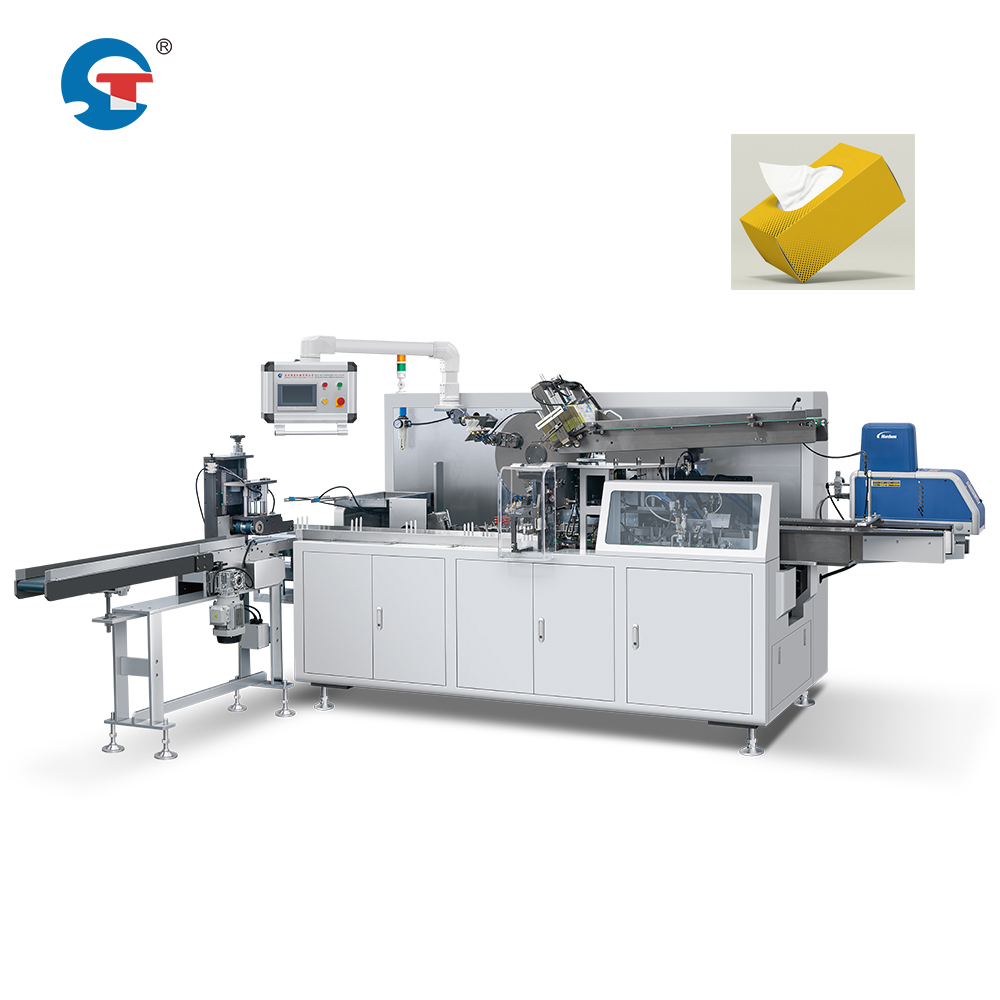
A high speed cartoner can reduce production delays by keeping carton forming, product loading, and closing work moving in a coordinated sequence. Instead of relying on repeated manual handling, the machine controls key steps and helps operators identify interruptions sooner. The result depends on matching the equipment to product dimensions, line speed, and the factory’s existing material flow.
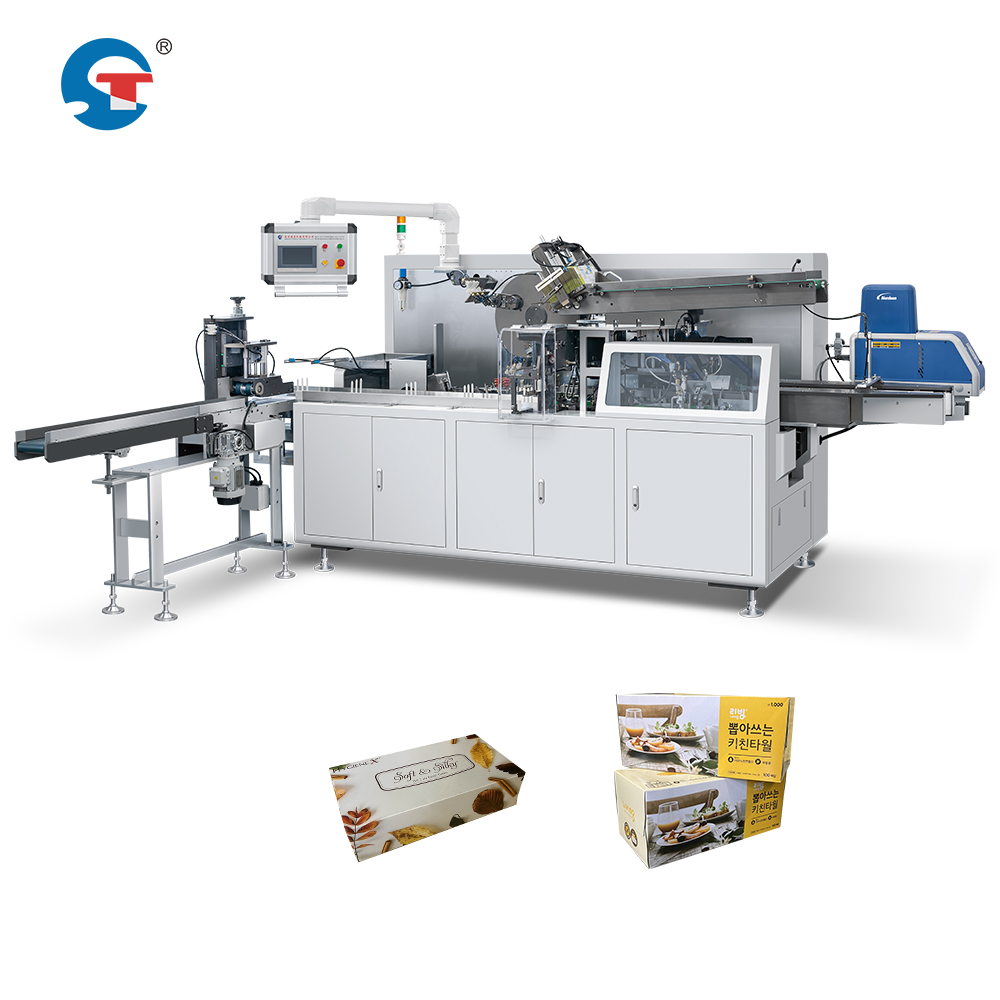
For factories, delay reduction is not simply a matter of running faster. A stoppage at one packaging stage can idle upstream production and disrupt downstream dispatch, while frequent adjustments consume labor and planned run time. Understanding how a high speed cartoner addresses these causes helps teams decide where automation will make a practical difference.
How Cartoning Removes Recurring Line Bottlenecks
Coordinated packaging steps reduce waiting
A packaging line loses time when carton preparation, loading, and closing happen at inconsistent rates. An automatic case packing machine can receive finished cartons at a more predictable pace, while carton sealing equipment completes the next operation without creating a queue. A vertical cartoning system also supports an orderly product path, helping the team see where a hold-up begins.
The benefit comes from synchronization, not speed in isolation. When an automatic case packing machine is set to the actual output of the upstream process, operators can reduce gaps between batches. Carton sealing equipment can then accept a steady flow instead of alternating between idle periods and rushed catch-up work, while a vertical cartoning system keeps the loading sequence controlled.
Reliable feeding prevents avoidable stops
Cartons that fail to open, products that arrive unevenly, or misaligned blanks can trigger repeated stops. A high speed cartoner with suitable feeding and detection functions can flag these conditions earlier, allowing an operator to correct the cause before more packages accumulate. The automatic case packing machine should be evaluated for the specific carton style and product orientation used in production.
Good infeed design also matters when carton sealing equipment is connected to a cartoning station. If the transfer point is poorly matched, sealed packs may back up and interrupt the upstream cycle. A vertical cartoning system can help manage product presentation, but it still needs correctly prepared cartons and consistent replenishment to sustain flow.
How Automation Improves Changeovers and Recovery
Repeatable settings shorten adjustments
Changeovers often create hidden production losses because teams must reset guides, verify carton dimensions, and confirm product placement. A high speed cartoner with accessible adjustment points and documented settings can make these tasks more repeatable. The automatic case packing machine also needs compatible format settings, or operators may finish one change only to troubleshoot the next station.
Before a planned format change, teams can stage the correct cartons, product components, and tools near the line. This preparation reduces searching and avoids starting before every station is ready. Carton sealing equipment should be included in the changeover check, and a vertical cartoning system should be tested with the intended carton size before full production resumes.
Fast fault recovery protects planned output
Automation cannot eliminate every jam or component shortage, but clear fault indications can reduce diagnosis time. Operators can distinguish a carton-feed issue from a downstream blockage, then act at the relevant point. An automatic case packing machine with understandable operating controls supports a more consistent response, particularly when several shifts share responsibility for the same line.
Recovery planning should cover the equipment around the cartoner as well as the machine itself. If carton sealing equipment stops, the upstream station may need a controlled pause to prevent a pileup. A vertical cartoning system also needs procedures for clearing misfeeds safely, checking product presentation, and restarting at a pace that downstream equipment can accept.
How to Fit the Cartoner to Factory Operations
Match capacity to the whole production line
A useful assessment starts with the slowest connected process, not the maximum rate stated for one machine. Compare typical product output, carton supply, staffing, and downstream handling capacity. An automatic case packing machine should be sized for realistic operating conditions, while carton sealing equipment must keep pace with the expected discharge rather than become a new bottleneck.
Product and pack characteristics shape the right configuration. A vertical cartoning system may suit products that need a particular loading orientation, while other applications require different infeed arrangements. Review carton dimensions, product fragility, batch variation, and available floor space. A high speed cartoner is most useful when its operating range reflects actual production requirements.
Build maintenance and operating discipline
Preventive maintenance helps avoid delays caused by worn guides, dirty sensors, loose components, or poorly adjusted feeders. Define routine inspection tasks and record recurring faults so the team can address patterns rather than repeatedly clear symptoms. An automatic case packing machine should be inspected alongside its connected stations, since a fault at one transfer point can affect the whole line.
Training is equally important for stable output. Operators need to understand safe startup, format adjustment, fault recovery, and restart checks. Include carton sealing equipment and the vertical cartoning system in those procedures, rather than treating them as unrelated machines. Clear responsibilities and consistent checks help protect output across shifts.
FAQ
Can a high speed cartoner reduce every production delay?
No. It can address delays linked to manual handling, inconsistent carton feeding, and poorly coordinated packaging steps, but it cannot correct every upstream shortage or downstream constraint. Review the complete line to identify whether the cartoner is the actual source of lost time.
What should factories check before adding cartoning automation?
Check product and carton specifications, required operating range, changeover needs, floor layout, and the capacity of connected equipment. Confirm how carton supply and operator tasks will work in practice, then test representative formats before setting production expectations.
How can a factory measure delay reduction?
Record stoppage frequency, causes, recovery time, changeover duration, and completed output before and after installation. Separate planned pauses from unplanned stops, and review results across comparable products and shifts to understand whether workflow changes are helping.