
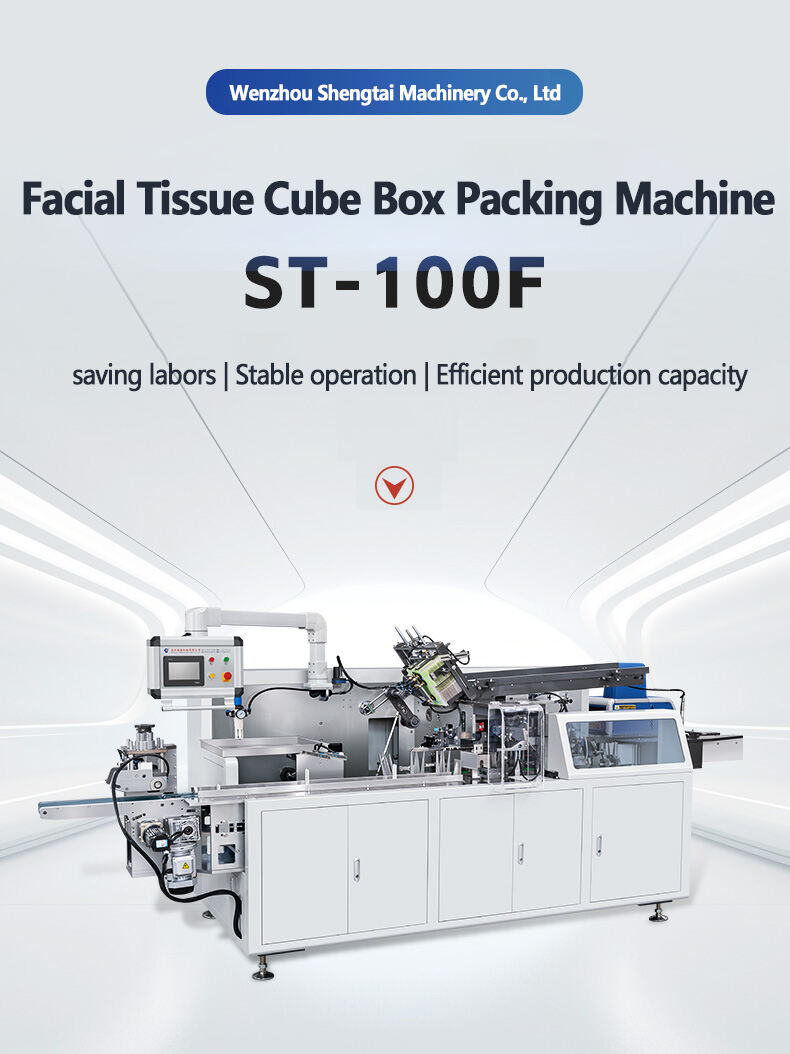
Modern manufacturing environments demand efficiency, precision, and reliability in every aspect of production, particularly in packaging operations. A box packaging machine represents the cornerstone of automated packaging systems, delivering consistent results while minimizing labor costs and maximizing throughput. These sophisticated systems have revolutionized how businesses approach large-scale packaging challenges, transforming manual processes into streamlined automated workflows that can handle thousands of products per hour with remarkable accuracy.
Understanding Box Packaging Machine Technology
Core Components and Mechanisms
The fundamental architecture of a box packaging machine encompasses several integrated subsystems working in perfect harmony. The carton forming mechanism creates precise boxes from flat cardboard blanks, utilizing servo-driven folding arms that ensure consistent dimensions and structural integrity. Product handling systems employ sophisticated sensors and conveyor networks to position items accurately within the packaging sequence. The sealing apparatus applies adhesive or mechanical fasteners with programmed precision, creating secure closures that withstand shipping stresses and storage conditions.
Advanced control systems coordinate these mechanical operations through programmable logic controllers that monitor every aspect of the packaging process. Temperature sensors ensure optimal adhesive application, while pressure monitoring systems verify proper sealing force distribution. Vision systems inspect package quality in real-time, automatically rejecting defective units and maintaining consistent output standards. This technological integration enables a box packaging machine to achieve remarkable reliability rates exceeding 99.5% uptime in well-maintained industrial environments.
Automation Integration Capabilities
Modern box packaging machine designs incorporate extensive connectivity features that seamlessly integrate with existing manufacturing execution systems. Ethernet communication protocols enable real-time data exchange with upstream production equipment and downstream logistics systems. This connectivity allows for dynamic recipe changes, production scheduling optimization, and comprehensive performance analytics that drive continuous improvement initiatives across the entire packaging line.
The machine learning capabilities embedded in contemporary systems analyze historical performance data to predict maintenance requirements and optimize operational parameters automatically. Predictive algorithms adjust packaging speeds based on product characteristics, ambient conditions, and quality requirements, ensuring optimal performance across diverse production scenarios. These intelligent features transform a basic box packaging machine into a smart manufacturing asset that contributes valuable insights to overall equipment effectiveness metrics.
Operational Efficiency Benefits
Throughput Optimization
Large-scale packaging operations require consistent high-volume output that manual processes simply cannot achieve. A properly configured box packaging machine delivers throughput rates ranging from 300 to 1,200 packages per hour, depending on product complexity and package dimensions. This performance level represents a significant multiplication factor over manual packaging teams, while simultaneously reducing labor costs and improving workplace safety by eliminating repetitive motion injuries.
The continuous operation capability of automated systems enables manufacturers to maximize facility utilization across multiple shifts without performance degradation. Unlike human operators who experience fatigue and require breaks, a box packaging machine maintains consistent speed and accuracy throughout extended production runs. This reliability translates directly into predictable production schedules and improved customer service levels through reliable delivery commitments.
Quality Consistency
Automated packaging systems eliminate the variability inherent in manual operations, delivering consistent package quality that meets stringent customer specifications. Every carton receives identical sealing pressure, adhesive application, and dimensional accuracy, resulting in professional presentation that enhances brand image and customer satisfaction. Statistical process control capabilities built into modern systems provide real-time quality monitoring and automatic adjustments that maintain specifications within tight tolerances.
The quality assurance benefits extend beyond visual appearance to include structural integrity and protection performance. Consistent sealing methods ensure reliable package integrity during transportation and storage, reducing damage claims and product returns. This quality consistency becomes particularly valuable for companies shipping internationally, where package reliability directly impacts customer relationships and market reputation.
Cost-Effectiveness Analysis
Labor Cost Reduction
The economic justification for box packaging machine implementation typically centers on substantial labor cost savings that accumulate over the equipment's operational lifetime. A single automated system can replace multiple manual packaging stations, reducing direct labor requirements by 60-80% while simultaneously improving output quality and consistency. The calculation becomes even more compelling when considering the escalating costs of employee benefits, training, and turnover replacement expenses.
Beyond direct labor savings, automated systems eliminate the hidden costs associated with human error, including product damage, rework expenses, and customer complaint resolution. The precision and repeatability of mechanical operations significantly reduce waste generation, contributing additional cost savings through improved material utilization rates. These combined savings typically justify the capital investment within 18-24 months in high-volume packaging environments.
Maintenance and Operating Costs
Modern box packaging machine designs emphasize maintenance efficiency through modular construction and predictive maintenance capabilities. Standardized components and tool-free adjustments minimize downtime for routine maintenance procedures, while advanced lubrication systems extend component life and reduce replacement frequency. The total cost of ownership remains competitive with manual alternatives when considering the extended service life of quality equipment.
Energy consumption represents another significant operational consideration, with contemporary systems incorporating efficient servo motors and intelligent power management features that minimize electrical usage during idle periods. Variable frequency drives optimize motor performance based on actual load requirements, reducing energy waste and contributing to sustainability initiatives. These efficiency improvements often result in utility cost savings that further enhance the economic benefits of automation implementation.
Scalability and Flexibility Advantages
Production Volume Adaptation
The inherent scalability of automated packaging systems provides manufacturers with the flexibility to respond effectively to changing market demands without major infrastructure investments. A well-designed box packaging machine accommodates production volume fluctuations through speed adjustments and shift scheduling optimization, enabling efficient operation across a wide range of output requirements. This adaptability proves essential for seasonal businesses and companies experiencing rapid growth phases.
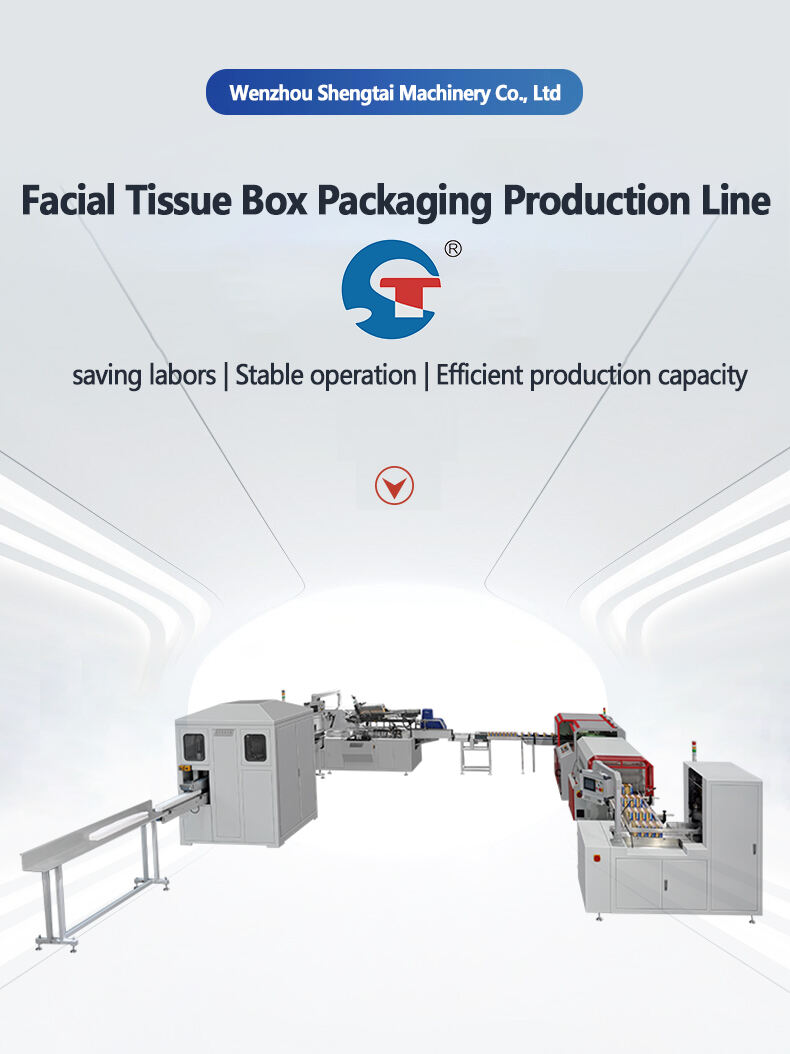
Modular system architectures allow for capacity expansion through additional equipment integration without disrupting existing operations. Standardized interfaces enable seamless connectivity between multiple machines, creating packaging lines that can scale incrementally as business volume grows. This evolutionary approach to capacity expansion minimizes capital risk while ensuring optimal resource utilization throughout the growth process.
Product Variety Handling
Contemporary box packaging machine designs incorporate changeover features that accommodate diverse product lines with minimal setup time and complexity. Quick-change tooling systems enable transitions between different package sizes and configurations within minutes rather than hours, maximizing production flexibility and reducing changeover-related downtime. Recipe management systems store optimal parameters for each product variant, ensuring consistent performance across diverse packaging requirements.
The ability to handle multiple product formats within a single system eliminates the need for dedicated packaging equipment for each product line, reducing capital requirements and facility space utilization. This versatility becomes particularly valuable for contract packaging operations and companies with diverse product portfolios that require frequent changeovers throughout the production schedule.
Quality Control and Compliance
Regulatory Compliance
Automated packaging systems incorporate comprehensive documentation and traceability features that facilitate compliance with increasingly stringent regulatory requirements across various industries. Data logging capabilities capture detailed records of packaging parameters, environmental conditions, and quality measurements for each production lot, providing the documentation necessary for regulatory audits and product recalls when required.
The consistent operation of a box packaging machine eliminates process variations that could potentially compromise product safety or regulatory compliance. Validated packaging procedures execute identically for every product, reducing the risk of non-conforming packages reaching the market. This reliability becomes essential for pharmaceutical, food, and medical device manufacturers operating under strict regulatory oversight.
Quality Assurance Systems
Integrated quality control systems monitor critical packaging parameters in real-time, automatically detecting and rejecting non-conforming packages before they enter the distribution chain. Vision inspection systems verify proper product placement, label application, and package integrity, while weight checking capabilities ensure accurate fill quantities and complete product assembly. These automated quality measures provide comprehensive coverage that exceeds manual inspection capabilities.
Statistical process control features analyze quality data trends to identify potential issues before they impact production output. Automatic alerts notify operators of parameter drift or equipment anomalies, enabling proactive intervention that prevents quality problems from escalating. This predictive approach to quality management significantly reduces the risk of large-scale quality incidents that could damage brand reputation and customer relationships.
Technology Integration and Industry 4.0
Smart Manufacturing Connectivity
The integration of box packaging machine systems with Industry 4.0 manufacturing architectures creates unprecedented visibility and control over packaging operations. Real-time data streams provide insights into equipment performance, production efficiency, and quality trends that enable data-driven decision making. Cloud connectivity allows remote monitoring and support, reducing maintenance response times and enabling expert troubleshooting from anywhere in the world.
Artificial intelligence algorithms analyze production data to identify optimization opportunities and predict maintenance requirements before equipment failures occur. Machine learning capabilities continuously improve packaging processes by analyzing successful operations and automatically adjusting parameters to maximize efficiency and quality. This intelligent automation transforms traditional packaging equipment into self-optimizing systems that continuously improve their own performance.
Data Analytics and Reporting
Comprehensive data collection capabilities built into modern packaging systems generate valuable insights that extend far beyond basic production metrics. Analysis of packaging performance data reveals correlations between environmental conditions, product characteristics, and quality outcomes that guide process improvements and equipment optimization. These insights contribute to overall equipment effectiveness improvements that impact entire production facilities.
Real-time dashboards and automated reporting systems provide management with immediate visibility into packaging line performance, enabling rapid response to production issues and optimization opportunities. Historical trending capabilities support long-term planning and continuous improvement initiatives by identifying patterns and relationships that might not be apparent from daily operations alone.
Implementation Considerations
Planning and Design Requirements
Successful box packaging machine implementation requires thorough analysis of existing production processes, facility constraints, and future growth projections. Layout planning must consider material flow, operator access, and maintenance requirements while optimizing space utilization and integration with existing equipment. Electrical and compressed air infrastructure requirements must be evaluated to ensure adequate utility capacity for reliable operation.
Product testing and validation protocols establish optimal packaging parameters and verify system performance across the full range of production requirements. Pilot testing with actual products identifies potential issues and refinement opportunities before full-scale implementation, reducing startup risks and ensuring smooth transition to automated operations. This comprehensive planning approach minimizes implementation surprises and accelerates the path to full productivity.
Training and Support Infrastructure
Effective operator training programs ensure successful adoption of automated packaging technology while maximizing system performance and reliability. Comprehensive training covers normal operations, changeover procedures, basic troubleshooting, and preventive maintenance requirements. Simulation-based training systems allow operators to develop proficiency without risking equipment damage or production disruption during the learning process.
Technical support infrastructure, including spare parts inventory, maintenance procedures, and vendor support agreements, provides the foundation for long-term system reliability and performance. Preventive maintenance programs based on manufacturer recommendations and operational experience ensure optimal equipment condition and minimize unexpected downtime that could disrupt production schedules.
FAQ
What production volume justifies investing in a box packaging machine?
The economic justification for automated packaging typically begins around 500-1000 packages per day, depending on labor costs and product complexity. Higher volume operations see more dramatic returns on investment, with payback periods often under two years for facilities packaging more than 2000 units daily. The calculation should include direct labor savings, improved quality consistency, reduced waste, and increased production capacity when evaluating the investment decision.
How much space does a typical box packaging machine require?
Space requirements vary significantly based on machine configuration and throughput capacity, typically ranging from 200 to 800 square feet including operator access and material staging areas. Compact designs suitable for smaller facilities require approximately 12 feet by 20 feet, while high-speed systems may need 20 feet by 40 feet or more. Ceiling height requirements typically range from 10 to 14 feet depending on the specific machine configuration and safety requirements.
What maintenance requirements should be expected with automated packaging equipment?
Daily maintenance typically involves basic cleaning, lubrication checks, and visual inspections requiring 30-60 minutes per shift. Weekly maintenance includes more thorough cleaning, adjustment verification, and component inspections. Monthly and quarterly maintenance schedules address wear parts replacement, calibration verification, and system optimization. Most manufacturers provide detailed maintenance schedules and training to ensure optimal equipment performance and longevity.
How quickly can operators learn to run a box packaging machine effectively?
Basic operational competency typically develops within one to two weeks of structured training, while advanced troubleshooting and changeover skills may require several months of experience. The learning curve depends heavily on operator background, system complexity, and training program quality. Most manufacturers provide comprehensive training programs including hands-on instruction, documentation, and ongoing support to ensure successful technology adoption and optimal system performance.