
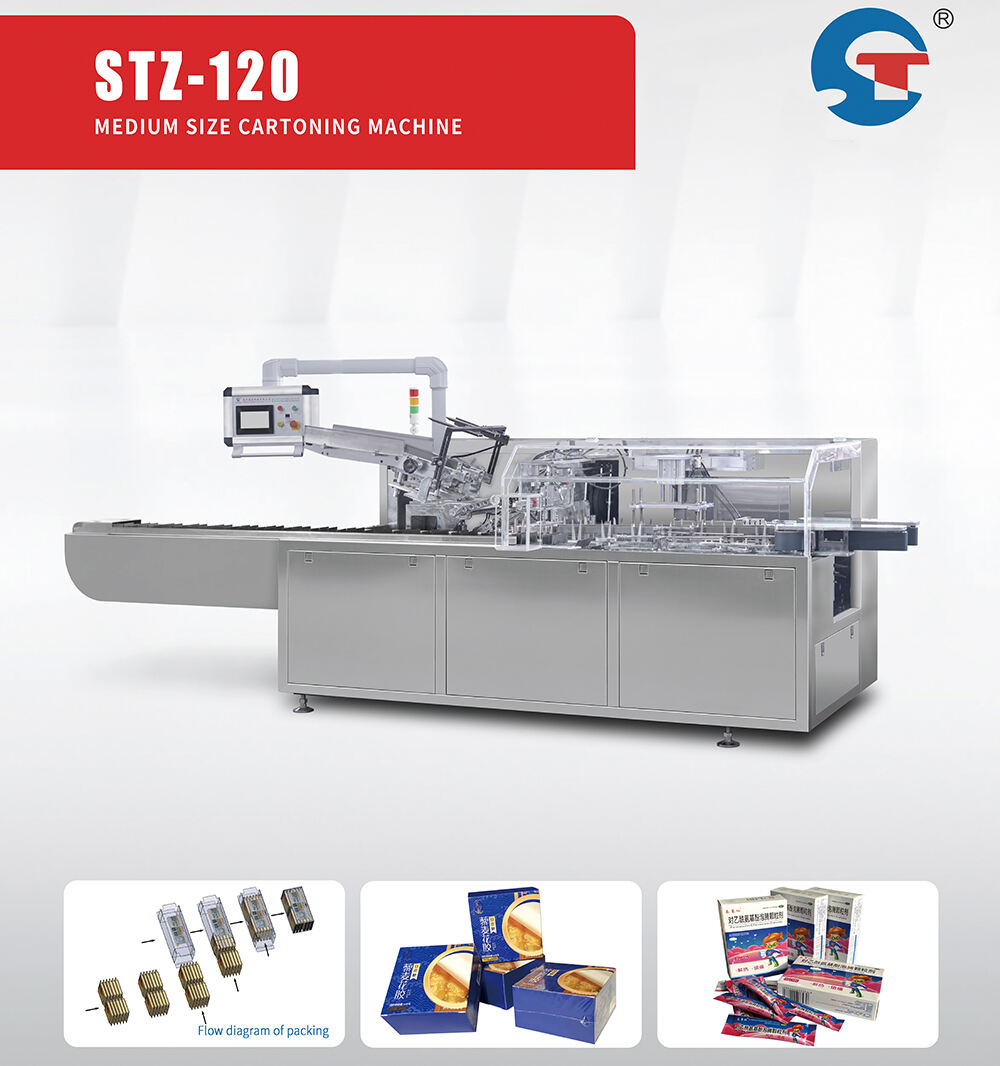
Manufacturing efficiency has become a critical competitive advantage in the food and beverage industries, where companies constantly seek innovative solutions to streamline operations and reduce operational expenses. A cartoning machine represents one of the most significant technological advancements that transforms packaging processes while dramatically cutting labor costs. These automated systems have revolutionized how manufacturers approach product packaging, delivering consistent results that manual processes simply cannot match. The integration of advanced cartoning machine technology enables companies to achieve substantial cost savings while maintaining high-quality packaging standards that meet consumer expectations and regulatory requirements.
Understanding Labor Cost Challenges in Food and Beverage Manufacturing
Traditional Manual Packaging Limitations
Manual packaging processes in food and beverage manufacturing present numerous operational challenges that directly impact profitability and efficiency. Workers performing repetitive packaging tasks often experience fatigue, leading to decreased productivity and increased error rates throughout production shifts. The physical demands of continuous lifting, folding, and positioning products into cartons create ergonomic concerns that can result in workplace injuries and associated compensation costs. Manual operations also struggle to maintain consistent packaging speeds, especially during peak production periods when demand fluctuates significantly.
Human error in manual packaging processes can lead to product damage, improper sealing, and inconsistent presentation that affects brand reputation and customer satisfaction. The time required to train new employees on complex packaging procedures adds additional overhead costs that impact overall operational efficiency. Furthermore, manual processes cannot easily scale to meet increasing production demands without proportionally increasing labor force, creating bottlenecks that limit manufacturing capacity and market responsiveness.
Labor Cost Analysis in Contemporary Manufacturing
Contemporary food and beverage manufacturers face escalating labor costs that significantly impact profit margins and competitive positioning in global markets. Minimum wage increases, healthcare benefits, overtime compensation, and workers' compensation insurance contribute to rising employment expenses that directly affect production costs. The shortage of skilled manufacturing workers has intensified competition for qualified personnel, driving up wages and increasing recruitment and retention costs across the industry.
Manufacturing companies must also account for indirect labor costs including training programs, safety compliance measures, and productivity losses due to employee turnover. These hidden expenses often exceed direct wage costs and can represent substantial financial burdens that affect long-term profitability. The complexity of managing large workforces requires additional supervisory personnel and administrative systems that further increase operational overhead costs.
Cartoning Machine Technology and Automation Benefits
Advanced Automation Features
Modern cartoning machine systems incorporate sophisticated automation technologies that eliminate the need for extensive manual labor in packaging operations. These machines utilize precision robotics and computer-controlled mechanisms to perform complex packaging tasks with remarkable accuracy and consistency. Advanced sensors monitor product positioning and carton formation throughout the packaging process, ensuring optimal results without human intervention. The integration of programmable logic controllers allows operators to customize packaging parameters for different product types and carton specifications.
Contemporary cartoning machine designs feature user-friendly interfaces that simplify operation and reduce training requirements for manufacturing personnel. Automated feeding systems ensure continuous product flow while maintaining proper spacing and orientation for efficient packaging. The incorporation of quality control sensors detects packaging defects in real-time, automatically rejecting substandard packages and maintaining consistent quality standards throughout production runs.
Production Speed and Efficiency Improvements
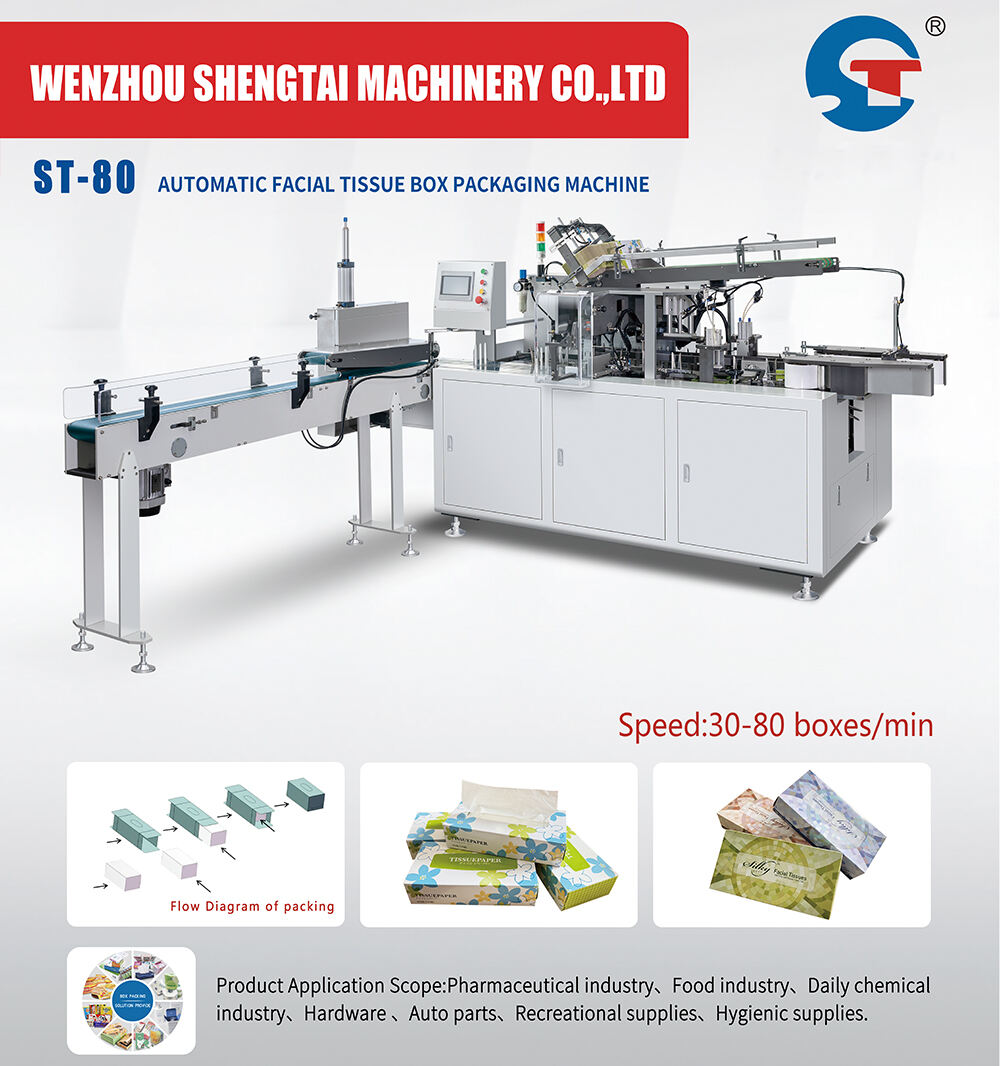
High-performance cartoning machine systems achieve production speeds that far exceed manual packaging capabilities, enabling manufacturers to significantly increase throughput without adding personnel. These automated systems can process hundreds or thousands of products per hour, depending on configuration and product specifications. The consistent operating pace eliminates productivity variations associated with human fatigue and maintains optimal efficiency throughout extended production periods.
Automated packaging processes reduce setup times and changeover requirements when transitioning between different product lines or package configurations. The precision of cartoning machine operations minimizes material waste and reduces rework requirements that often plague manual packaging processes. Enhanced efficiency translates directly into improved production capacity and reduced per-unit packaging costs that strengthen competitive positioning in price-sensitive markets.
Quantifiable Labor Cost Reductions
Direct Labor Savings Calculations
Implementing a cartoning machine typically reduces packaging labor requirements by 60-80% compared to manual operations, depending on product complexity and production volume. A single automated system can replace multiple workers while operating continuously without breaks, overtime requirements, or shift changes that affect productivity. The elimination of packaging positions reduces direct wage expenses, benefits costs, and associated employment taxes that represent significant ongoing operational savings.
Manufacturing companies can quantify labor savings by calculating the difference between current manual packaging costs and projected automated operation expenses. These calculations should include direct wages, benefit contributions, workers' compensation insurance, and training costs associated with packaging personnel. The resulting savings often justify cartoning machine investments within 12-24 months, depending on production volume and labor cost structures in specific geographic regions.
Indirect Cost Benefits and Operational Improvements
Beyond direct labor savings, cartoning machine implementation delivers substantial indirect cost benefits that enhance overall operational efficiency and profitability. Reduced workplace injuries associated with repetitive manual tasks lower workers' compensation premiums and eliminate lost-time incidents that disrupt production schedules. The consistency of automated packaging processes reduces product damage and rework costs while improving customer satisfaction through enhanced package quality.
Automated systems require minimal supervisory oversight compared to manual packaging operations, enabling companies to redeploy management resources to higher-value activities. The reliability of cartoning machine systems reduces unplanned downtime and maintenance costs while providing predictable operational performance that facilitates accurate production planning and inventory management.
Implementation Strategies for Maximum ROI
Equipment Selection and Configuration
Successful cartoning machine implementation requires careful evaluation of production requirements, product specifications, and facility constraints to ensure optimal equipment selection. Manufacturers must assess current packaging volumes, future growth projections, and product diversity to determine appropriate system capacity and flexibility requirements. The selection process should consider integration capabilities with existing production lines and quality control systems to maximize operational efficiency.
Proper cartoning machine configuration ensures seamless integration into existing manufacturing workflows while minimizing disruption during installation and startup phases. Technical specifications must align with product dimensions, packaging materials, and production speed requirements to achieve desired performance outcomes. Collaboration with equipment suppliers during the selection process helps identify optimal configurations that deliver maximum return on investment while meeting specific operational needs.
Training and Change Management
Effective training programs ensure smooth transitions from manual packaging processes to automated cartoning machine operations while maximizing system utilization and efficiency. Comprehensive operator training covers machine operation, maintenance procedures, troubleshooting techniques, and safety protocols to ensure optimal performance and minimize downtime. Ongoing education programs help personnel adapt to technological improvements and maintain proficiency with evolving system capabilities.
Change management strategies address employee concerns about automation implementation while emphasizing opportunities for skill development and career advancement in technical roles. Transparent communication about implementation timelines, job reassignment opportunities, and retraining programs helps maintain workforce morale and engagement throughout transition periods. Successful change management ensures that cartoning machine implementation enhances rather than disrupts organizational culture and employee satisfaction.
Industry Applications and Case Studies
Food Processing Applications
Food processing companies utilize cartoning machine systems to package diverse products including baked goods, frozen foods, snacks, and prepared meals with remarkable efficiency and consistency. These automated systems accommodate various package sizes and configurations while maintaining food safety standards required by regulatory agencies. The precision of cartoning machine operations ensures proper product protection and extends shelf life through consistent sealing and packaging integrity.
Bakery operations benefit significantly from cartoning machine implementation, as these systems handle delicate products without damage while maintaining rapid production speeds. Frozen food manufacturers rely on automated packaging systems to maintain temperature control and prevent product deterioration during packaging processes. The versatility of modern cartoning machine designs enables food processors to package multiple product lines using the same equipment, maximizing investment utilization and operational flexibility.
Beverage Industry Implementations
Beverage manufacturers implement cartoning machine systems to package bottles, cans, and multi-pack configurations with precision and speed that manual processes cannot achieve. These automated systems handle fragile glass containers and maintain proper alignment for attractive retail presentation. The integration of cartoning machine technology with bottling lines creates seamless production flows that maximize efficiency and minimize handling requirements.
Craft beverage producers utilize compact cartoning machine systems to achieve professional packaging quality while maintaining cost-effective operations suitable for smaller production volumes. Large-scale beverage manufacturers deploy high-speed cartoning machine installations that process thousands of units per hour while maintaining consistent quality standards. The flexibility of modern systems accommodates seasonal packaging variations and promotional configurations without extensive reconfiguration requirements.
Return on Investment Analysis
Financial Performance Metrics
Cartoning machine investments typically generate positive returns within 18-30 months through combined labor savings, productivity improvements, and quality enhancements that reduce operational costs. Financial analysis should consider initial equipment costs, installation expenses, training requirements, and ongoing maintenance costs against projected savings from reduced labor requirements and improved efficiency. The calculation of total cost of ownership provides comprehensive insight into long-term financial benefits and supports informed investment decisions.
Manufacturing companies can track key performance indicators including packaging speed improvements, error rate reductions, and labor cost savings to measure cartoning machine performance against established baselines. These metrics demonstrate tangible benefits and justify additional automation investments in other production areas. Regular performance reviews ensure that systems continue delivering expected returns and identify opportunities for further optimization and improvement.
Long-term Strategic Advantages
Beyond immediate cost savings, cartoning machine implementation provides strategic advantages that enhance competitive positioning and support sustainable growth objectives. Automated packaging capabilities enable manufacturers to respond quickly to market opportunities and customer demands without extensive workforce expansion. The scalability of automated systems supports business growth while maintaining consistent operational costs and quality standards.
Investment in cartoning machine technology demonstrates commitment to operational excellence and innovation that attracts customers seeking reliable suppliers with advanced capabilities. The consistent quality and efficiency of automated packaging processes support premium pricing strategies and enhance brand reputation in competitive markets. These strategic benefits contribute to long-term profitability and market leadership that justify initial investment costs.
FAQ
What is the typical payback period for a cartoning machine investment?
Most cartoning machine investments achieve payback within 18-30 months through labor cost savings, productivity improvements, and quality enhancements. The exact payback period depends on current labor costs, production volume, and system configuration. Companies with higher labor costs and larger production volumes typically experience faster payback periods due to greater absolute savings from automation implementation.
How much maintenance does a cartoning machine require?
Modern cartoning machine systems require minimal maintenance compared to manual packaging operations, with most preventive maintenance tasks completed during scheduled production breaks. Regular maintenance includes lubrication, sensor calibration, and wear part replacement according to manufacturer specifications. Proper maintenance programs ensure optimal performance and extend equipment lifespan while minimizing unplanned downtime that could disrupt production schedules.
Can cartoning machines handle different product sizes and packaging requirements?
Contemporary cartoning machine designs offer exceptional flexibility to accommodate various product sizes, carton configurations, and packaging materials through adjustable components and programmable controls. Many systems feature quick-change capabilities that enable rapid transitions between different products without extensive reconfiguration. This versatility allows manufacturers to maximize equipment utilization across multiple product lines while maintaining efficient operations.
What level of technical expertise is required to operate a cartoning machine?
Modern cartoning machine systems feature user-friendly interfaces and automated functions that minimize operator skill requirements compared to complex manual packaging processes. Basic training typically requires 1-2 weeks for operators to achieve proficiency in standard operations, troubleshooting, and routine maintenance tasks. Advanced functions and optimization techniques may require additional training, but most day-to-day operations can be performed by personnel with minimal technical background after appropriate instruction.