
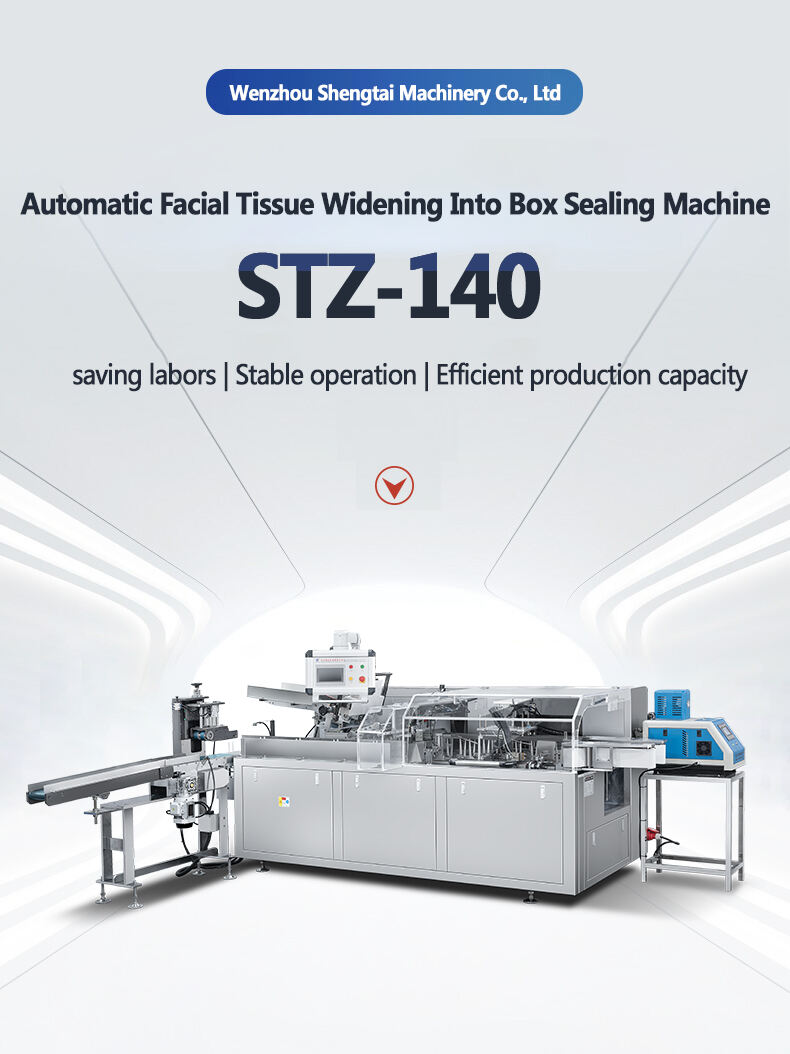
Manufacturing facilities worldwide are experiencing unprecedented pressure to optimize their packaging operations while maintaining quality standards and reducing operational costs. The implementation of automated packaging solutions has become essential for companies seeking to remain competitive in today's fast-paced industrial landscape. A box packaging machine represents a transformative investment that addresses multiple operational challenges simultaneously, from labor shortages to consistency requirements. These sophisticated systems integrate seamlessly into existing production lines, delivering measurable improvements in throughput, accuracy, and overall operational efficiency. Modern factories that embrace automated packaging technology position themselves for sustained growth and market leadership.
Understanding Automated Packaging Technology
Core Components and Functionality
The foundation of any effective box packaging machine lies in its integrated subsystems that work harmoniously to execute complex packaging sequences. These machines typically incorporate carton forming mechanisms, product placement systems, and sealing components that operate with precision timing. Advanced sensors and control systems monitor each stage of the packaging process, ensuring consistent quality and detecting potential issues before they impact production. The mechanical design emphasizes durability and reliability, with components engineered to withstand continuous operation in demanding industrial environments.
Modern packaging automation relies heavily on programmable logic controllers that enable operators to adjust parameters for different product configurations and packaging requirements. This flexibility allows manufacturers to respond quickly to changing market demands without extensive retooling or downtime. The integration of servo motors and precision drives ensures accurate positioning and consistent packaging quality across all production cycles. Quality control mechanisms built into the system automatically reject improperly packaged products, maintaining high standards without manual intervention.
Integration with Production Lines
Successful implementation of a box packaging machine requires careful consideration of existing production workflows and material handling systems. These machines are designed to interface with upstream processes such as product assembly or filling operations, creating seamless transitions between manufacturing stages. Conveyor systems, product accumulation zones, and buffer mechanisms ensure steady material flow while accommodating variations in production rates. The modular design of modern packaging equipment facilitates integration with diverse manufacturing environments and product types.
Communication protocols and data exchange capabilities enable packaging machines to coordinate with enterprise resource planning systems and production management software. This connectivity provides real-time visibility into packaging operations, allowing managers to monitor performance metrics and identify optimization opportunities. The ability to collect and analyze operational data transforms the box packaging machine from a standalone piece of equipment into an integral component of smart manufacturing initiatives. Predictive maintenance capabilities further enhance integration by providing advance notice of service requirements.
Operational Efficiency Improvements
Speed and Throughput Optimization
The most immediate benefit of implementing automated packaging technology is the dramatic increase in production speed and throughput capacity. A typical box packaging machine can process hundreds of packages per hour, significantly exceeding the output of manual packaging operations. This increased capacity allows manufacturers to meet growing demand without proportional increases in labor costs or facility space. The consistent operating speed eliminates the variability associated with human performance, providing predictable production schedules and delivery commitments.
Speed optimization extends beyond raw throughput to include reduced changeover times and setup procedures. Modern packaging equipment features quick-change mechanisms that minimize downtime when switching between different product configurations or packaging formats. Automated adjustment systems can transition between packaging specifications in minutes rather than hours, maximizing productive time and improving overall equipment effectiveness. These capabilities are particularly valuable in facilities that handle multiple product lines or frequent format changes.
Labor Cost Reduction
Automation of packaging operations addresses one of the most significant cost drivers in manufacturing facilities while simultaneously improving working conditions for employees. The implementation of a box packaging machine typically reduces the number of workers required for packaging operations by seventy to eighty percent. This reduction in labor dependency provides protection against workforce shortages and reduces exposure to wage inflation pressures that affect many industries.
The remaining workforce can be redeployed to higher-value activities such as quality control, maintenance, or process improvement initiatives. This shift in human resource allocation improves job satisfaction by eliminating repetitive manual tasks and creating opportunities for skill development. The reduced physical demands of automated operations also decrease workplace injury risks and associated compensation costs. Long-term labor cost savings often justify the initial investment in packaging automation within two to three years of implementation.
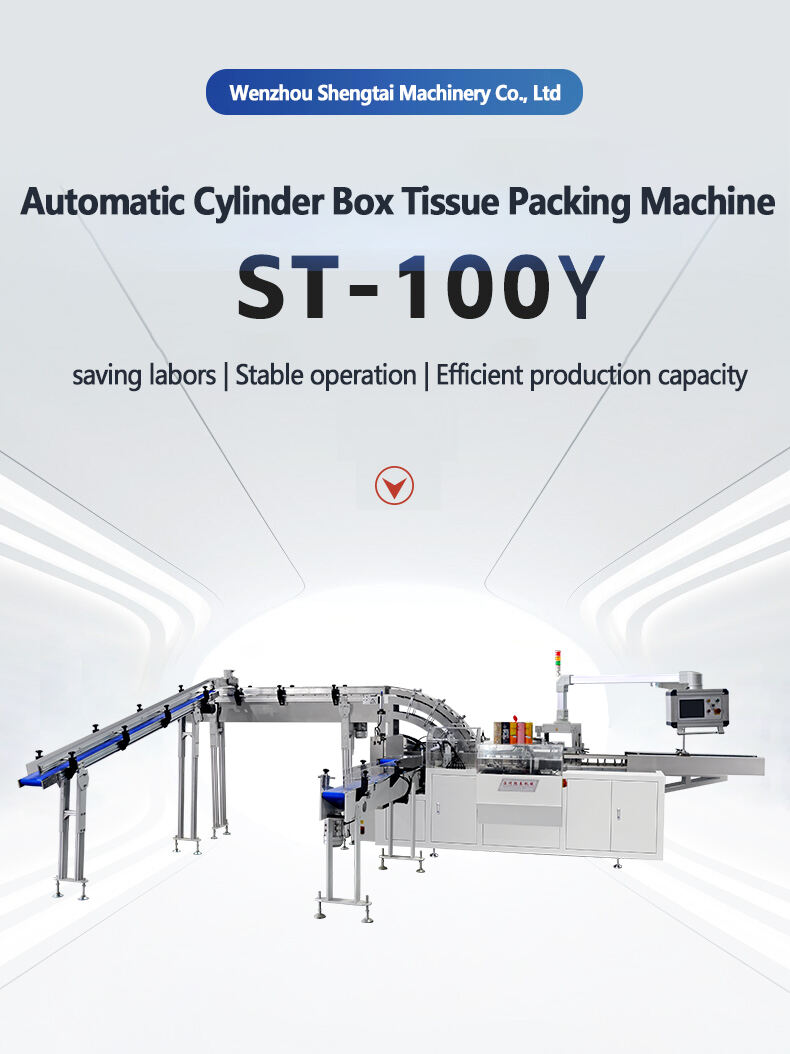
Quality Control and Consistency Benefits
Standardization of Packaging Processes
Manual packaging operations inevitably introduce variability in product presentation, sealing quality, and overall package integrity. Automated systems eliminate this human factor by executing identical packaging sequences for every product, ensuring consistent results regardless of production volume or time of day. The precision mechanisms within a box packaging machine maintain exact positioning tolerances and apply consistent sealing pressure, creating uniform package appearance and protection levels. This standardization enhances brand image and customer satisfaction while reducing product returns due to packaging defects.
Quality management systems integrated into modern packaging equipment provide continuous monitoring and documentation of packaging parameters. These systems track critical variables such as seal temperatures, compression forces, and timing sequences, creating comprehensive records for quality audits and process validation. Automated reject mechanisms remove non-conforming packages from the production stream before they reach customers, preventing quality issues from impacting brand reputation. Statistical process control capabilities identify trends and variations that might indicate developing problems.
Error Reduction and Traceability
Human error represents a significant source of packaging defects, product mix-ups, and quality issues in manual operations. Automated packaging systems incorporate multiple verification steps and error-prevention mechanisms that dramatically reduce these risks. Barcode scanning, weight verification, and vision inspection systems ensure that correct products are placed in appropriate packaging configurations. These validation steps occur automatically without slowing production, providing comprehensive error detection without impact on throughput.
Advanced traceability capabilities enable manufacturers to track individual packages through the entire production and distribution process. Serial number assignment, batch code printing, and database integration create detailed records that support quality investigations and regulatory compliance requirements. The ability to quickly identify and isolate affected products in the event of quality issues minimizes recall scope and associated costs. This traceability infrastructure becomes increasingly important as supply chain transparency requirements continue to expand across industries.
Cost Savings and Return on Investment
Direct Cost Reductions
The financial benefits of implementing a box packaging machine extend far beyond simple labor cost savings to encompass multiple areas of operational expense reduction. Material waste decreases significantly due to precise positioning and consistent packaging techniques that minimize damage and rework. Energy consumption per package typically decreases as automated systems operate more efficiently than manual processes, particularly when considering lighting and climate control requirements for worker areas. These operational savings compound over time, contributing substantially to the overall return on investment calculation.
Packaging material costs often decrease through improved supplier negotiations enabled by predictable consumption patterns and reduced variation in material specifications. Automated systems use exact quantities of packaging materials without the excess associated with manual operations, reducing inventory carrying costs and waste disposal expenses. The consistent quality output also reduces customer complaints and return processing costs, improving overall profitability. Insurance premiums may decrease due to reduced workplace injury risks and improved product quality records.
Long-term Financial Impact
Capital investments in packaging automation typically demonstrate attractive returns through cumulative operational improvements and strategic advantages. The increased production capacity enables manufacturers to accept larger orders or enter new markets without proportional increases in operational complexity. This scalability provides competitive advantages that translate into revenue growth and market share expansion. The predictable operating characteristics of a box packaging machine facilitate accurate production planning and customer commitment fulfillment.
Depreciation benefits and potential tax incentives for manufacturing equipment investments further improve the financial attractiveness of packaging automation. Many regions offer accelerated depreciation schedules or investment tax credits for productivity-enhancing equipment, reducing the effective cost of implementation. The extended service life of quality packaging equipment, often exceeding ten years with proper maintenance, spreads the initial investment across many production cycles. Technological obsolescence risks are minimized through modular designs and upgrade capabilities that extend equipment relevance.
Implementation Strategies and Best Practices
Planning and Preparation
Successful implementation of packaging automation requires comprehensive analysis of existing operations and careful planning to ensure seamless integration. Detailed evaluation of current packaging volumes, product characteristics, and quality requirements provides the foundation for equipment specification and selection. Site preparation considerations include electrical supply requirements, compressed air availability, and adequate space allocation for equipment operation and maintenance access. Coordination with existing production schedules minimizes disruption during installation and commissioning phases.
Training programs for operators and maintenance personnel should begin well before equipment installation to ensure smooth startup and ongoing operation. These programs typically include both classroom instruction and hands-on practice with similar equipment at manufacturer facilities or training centers. Documentation development, including standard operating procedures and troubleshooting guides, supports consistent operation across different shifts and operators. Change management strategies help employees adapt to new workflows and understand their evolving roles in automated operations.
Maintenance and Support
Preventive maintenance programs are essential for maximizing the performance and service life of packaging automation equipment. Regular inspection schedules, lubrication protocols, and component replacement procedures should be established based on manufacturer recommendations and operational experience. Inventory management for critical spare parts ensures minimal downtime in the event of component failures or wear. The complexity of modern box packaging machine systems requires trained maintenance personnel with both mechanical and electrical expertise.
Remote monitoring capabilities and diagnostic systems provide early warning of developing issues and enable proactive maintenance scheduling. Many equipment manufacturers offer service contracts that include regular inspections, emergency support, and performance optimization services. These partnerships often prove valuable for maintaining peak operational efficiency and staying current with technological improvements. Documentation of maintenance activities and performance trends supports continuous improvement initiatives and helps optimize maintenance schedules over time.
Future Trends and Technology Developments
Smart Manufacturing Integration
The evolution of packaging automation continues toward greater intelligence and connectivity as manufacturers embrace Industry 4.0 principles and smart manufacturing concepts. Modern box packaging machine systems increasingly incorporate artificial intelligence and machine learning capabilities that optimize performance based on production patterns and quality data. These advanced systems can automatically adjust operating parameters to maintain optimal performance as conditions change, reducing the need for manual intervention and improving overall efficiency.
Internet of Things connectivity enables packaging equipment to communicate with other production systems and enterprise software platforms, creating integrated manufacturing environments with unprecedented visibility and control. Real-time data sharing facilitates coordinated production scheduling, predictive maintenance, and quality management across entire facilities. Cloud-based analytics platforms process operational data from multiple machines and facilities, identifying optimization opportunities and best practices that can be applied broadly across manufacturing networks.
Sustainability and Environmental Considerations
Environmental sustainability has become a critical consideration in packaging automation as companies respond to regulatory requirements and customer expectations for responsible manufacturing practices. Modern packaging equipment incorporates energy-efficient components and operating modes that minimize power consumption without compromising performance. Advanced material handling systems reduce packaging waste through precise control and optimized material usage patterns. These improvements support corporate sustainability goals while often providing additional cost savings.
Future developments in packaging automation will likely emphasize recyclable materials compatibility and circular economy principles. Equipment manufacturers are developing systems capable of handling bio-based packaging materials and supporting recycling initiatives through improved package design and material selection. The integration of sustainability metrics into operational monitoring systems enables manufacturers to track and report environmental performance alongside traditional productivity measures. These capabilities position forward-thinking companies to meet evolving regulatory requirements and customer expectations.
FAQ
What factors should be considered when selecting a box packaging machine for a specific facility?
The selection process should evaluate current and projected production volumes, product dimensions and characteristics, available floor space, and existing infrastructure capabilities. Integration requirements with upstream and downstream equipment, changeover frequency between different products, and specific quality standards all influence equipment specifications. Budget considerations must balance initial capital costs against expected operational savings and return on investment timelines. Manufacturer support capabilities, including training, maintenance, and upgrade options, represent important long-term considerations that affect total cost of ownership.
How long does it typically take to see return on investment from packaging automation?
Most manufacturers realize positive returns within eighteen to thirty-six months of implementation, depending on labor costs, production volumes, and operational complexity. Direct labor savings often provide the most immediate benefits, while quality improvements and increased capacity contribute to longer-term returns. Facilities with higher production volumes or significant labor costs typically see faster payback periods. The calculation should include both direct cost savings and indirect benefits such as improved customer satisfaction and reduced quality issues.
What maintenance requirements are associated with automated packaging equipment?
Regular maintenance includes daily cleaning and inspection procedures, weekly lubrication of moving components, and periodic replacement of wear items such as seals and cutting blades. More comprehensive maintenance activities occur monthly or quarterly, including electrical connection inspection, sensor calibration, and software updates. Annual maintenance typically involves thorough mechanical inspection, precision component replacement, and performance verification. Proper maintenance requires trained personnel and adequate spare parts inventory, but significantly extends equipment life and maintains optimal performance.
Can existing packaging operations be gradually automated or does implementation require complete replacement?
Many manufacturers successfully implement packaging automation in phases, allowing gradual transition from manual operations while maintaining production continuity. Modular equipment designs often permit incremental expansion as production requirements grow or additional automation benefits are realized. Hybrid approaches that combine automated and manual stations provide flexibility during transition periods and accommodate varying product requirements. However, some facilities benefit from complete system replacement to achieve maximum efficiency gains and avoid integration complexities associated with mixed automation levels.
Table of Contents
- Understanding Automated Packaging Technology
- Operational Efficiency Improvements
- Quality Control and Consistency Benefits
- Cost Savings and Return on Investment
- Implementation Strategies and Best Practices
- Future Trends and Technology Developments
-
FAQ
- What factors should be considered when selecting a box packaging machine for a specific facility?
- How long does it typically take to see return on investment from packaging automation?
- What maintenance requirements are associated with automated packaging equipment?
- Can existing packaging operations be gradually automated or does implementation require complete replacement?