
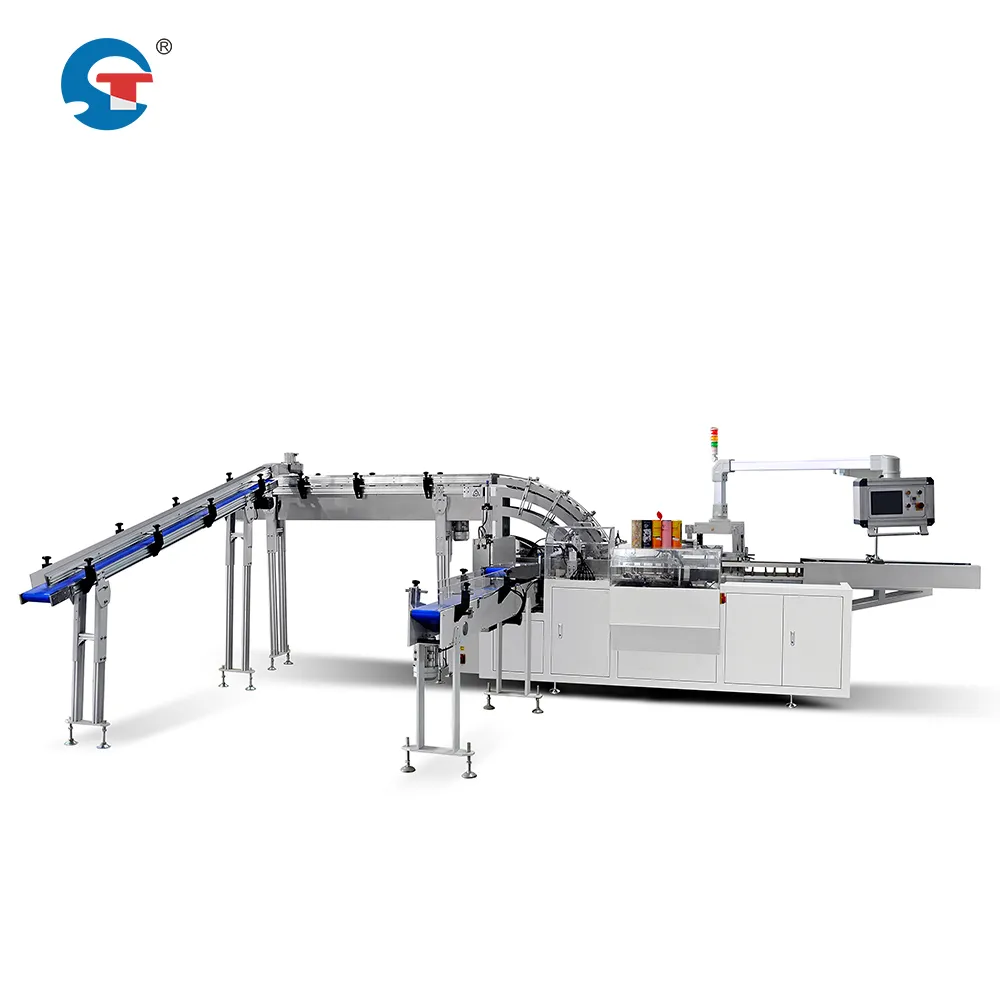
Industrial packaging demands speed, consistency, and reliability. An automatic box sealer addresses these requirements by automating the critical final step of product protection and shipment preparation. Manufacturers and logistics operators worldwide rely on carton sealing machines to reduce labor costs, minimize packaging defects, and meet production deadlines consistently.
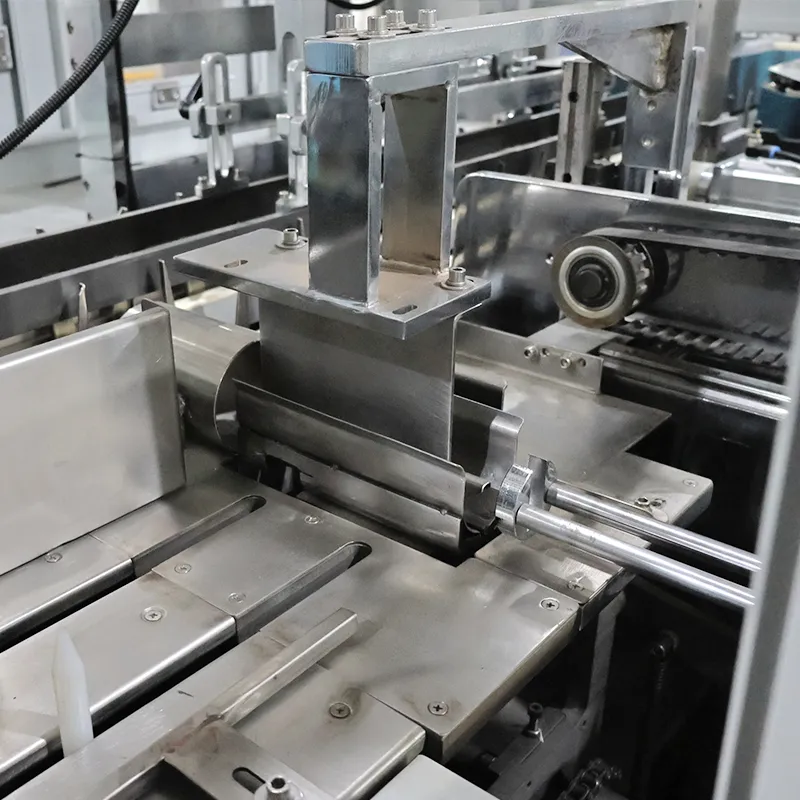
Modern production environments generate thousands of boxes daily. Manual sealing cannot keep pace with these volumes while maintaining quality standards. Box taping equipment and automated packaging machinery have become standard infrastructure in warehouses, fulfillment centers, and manufacturing facilities that process consumer goods, e-commerce shipments, and industrial products. Understanding what makes these systems suitable for your operation requires examining their core capabilities and business impact.
Operational Efficiency and Speed Advantages
Throughput Performance and Production Scaling
An automatic box sealer dramatically increases sealing speed compared to manual processes. Carton sealing machines seal boxes at rates exceeding 20 boxes per minute, depending on box dimensions and tape application method. This throughput directly translates to meeting aggressive shipping timelines and seasonal demand spikes without proportionally increasing labor headcount. Businesses processing high-volume orders can rely on consistent carton sealing performance throughout shifts and production runs.
Box taping equipment reduces cycle time per unit, enabling facilities to handle peak periods efficiently. Automated packaging machinery maintains this speed across variable box sizes and configurations when equipped with adjustable sealing mechanisms. The financial impact becomes measurable quickly: reduced labor per box, faster order fulfillment, and improved warehouse throughput justify capital investment in reliable sealing systems.
Consistency and Quality Standards
Human fatigue and attention fluctuations introduce variability into manual sealing processes. Automatic box sealer systems apply tape with uniform tension, placement, and coverage on every box, eliminating weak seals and incomplete applications. This consistency reduces customer returns due to damaged shipments and protects your brand reputation in logistics. Carton sealing machines achieve this reliability hour after hour without performance degradation, ensuring quality predictability across batches.
Quality consistency also reduces waste and rework. Boxes sealed properly the first time avoid recycling costs and line stoppages. Automated packaging machinery records sealing data, enabling traceability and compliance documentation for regulated industries. This level of process control is impossible with manual sealing alone.
Cost Reduction and Operational Sustainability
Labor Economics and Total Cost of Ownership
Sealing boxes manually requires persistent staff allocation. Box taping equipment reduces labor dependency significantly by automating repetitive tasks. While an automatic box sealer represents upfront capital expense, operational cost analysis typically shows payback within 18 to 36 months when considering avoided wages, benefits, and training costs. Carton sealing machines operate independently across multiple shifts, generating long-term cost efficiency that compounds with production volume.
Beyond direct wage savings, automated packaging machinery reduces workplace injuries associated with repetitive strain from manual taping. Lower injury rates translate to reduced insurance costs and improved employee retention. Labor redirection becomes possible too; staff transition to higher-value roles such as quality inspection, equipment maintenance, or order management rather than performing basic sealing tasks.
Tape Usage Optimization and Material Efficiency
Manual sealing often results in excessive tape consumption due to inconsistent application. An automatic box sealer uses standardized tape lengths and patterns, reducing material waste per box. Carton sealing machines equipped with proper tension controls apply only necessary tape, cutting supply costs measurably across high-volume operations. Over thousands of boxes monthly, these tape savings become substantial revenue protection.
Automated packaging machinery suppliers offer configurable sealing patterns optimized for different box styles and weights. This flexibility prevents over-taping lightweight items and under-taping heavy goods, ensuring appropriate resource allocation. Material efficiency improvements complement labor savings, making box taping equipment an economically sound infrastructure investment.
Flexibility and Adaptability for Varied Production Demands
Adjustability for Multiple Box Sizes and Configurations
Industrial packaging operations rarely handle single box dimensions. An automatic box sealer with adjustable width and height settings accommodates carton variety without complete equipment changeover. Carton sealing machines accept boxes ranging from small e-commerce parcels to large shipping containers, adapting quickly to production switches. This versatility eliminates the need for multiple sealing systems or manual backup processes.
Box taping equipment featuring quick-change tape cartridges and pneumatic adjustment mechanisms enable operators to reconfigure systems in minutes. Automated packaging machinery with these design features supports mixed-product production runs common in contract packaging and fulfillment operations. Production managers gain scheduling flexibility and can optimize line utilization across diverse customer orders without equipment bottlenecks.
Integration with Existing Packaging Lines
Modern carton sealing machines integrate seamlessly with existing conveyor systems, case erectors, and filling equipment. An automatic box sealer positioned at line end functions as the final quality gate before shipment staging. Automated packaging machinery can connect to warehouse management systems for production data capture and performance monitoring. This integration capability means upgrading to automated sealing doesn't require complete line reconstruction or production interruption.
Box taping equipment vendors understand facility constraints and design systems for easy installation in space-limited environments. Compact footprints and modular designs make automatic box sealer systems suitable for retrofitting into established packaging areas. Compatibility with standard tape formats and tape adhesive types ensures procurement simplicity and vendor independence.
Reliability and Continuous Operation Suitability
Design Durability and Uptime Assurance
Industrial-grade carton sealing machines are engineered for continuous operation in demanding warehouse and manufacturing settings. Heavy-duty components withstand vibration, temperature variations, and dust exposure typical in busy facilities. An automatic box sealer designed for reliability minimizes unplanned downtime, protecting production schedules and shipment commitments. Automated packaging machinery built with quality standards maintains consistent performance over millions of sealing cycles.
Preventive maintenance protocols for box taping equipment are straightforward and cost-effective. Regular tape roller cleaning, motor lubrication, and belt tension checks extend equipment lifespan significantly. Documentation systems track maintenance events, enabling predictive analysis of component wear and planned replacements before failures occur. This proactive approach contrasts sharply with reactive manual labor processes vulnerable to unexpected absence or performance variance.
Support and Service Accessibility
Reputable carton sealing machine manufacturers provide comprehensive service networks and spare parts availability. An automatic box sealer experiencing component failure can often resume operation within hours through established support channels. Automated packaging machinery documentation and technical support teams assist with troubleshooting, ensuring users maximize equipment investment. Training programs for operators and maintenance technicians ensure your team operates box taping equipment at peak efficiency.
Manufacturer guidance on optimal settings for different applications prevents misuse and premature wear. Documented best practices for carton sealing machines help facilities achieve superior results while extending equipment lifespan. This partnership approach between vendors and users differentiates industrial-quality automatic box sealer systems from basic equipment lacking post-sale support infrastructure.
FAQ
What box sizes can a typical automatic box sealer accommodate?
Most carton sealing machines handle boxes ranging from 4 inches to 18 inches in height and 4 inches to 24 inches in width. Adjustable guides and height sensors enable quick reconfiguration between sizes. Specialized box taping equipment can accommodate larger industrial containers up to specific dimension limits set by the manufacturer. Always verify equipment specifications match your size range before purchasing.
How much maintenance does an automatic box sealer require?
Routine maintenance for automated packaging machinery involves daily tape roller cleaning, weekly lubrication checks, and monthly belt tension adjustments. Most carton sealing machines run with minimal intervention between maintenance intervals. Manufacturer guidelines provide specific schedules ensuring your automatic box sealer operates reliably. Proper maintenance extends equipment lifespan and prevents costly production interruptions.
Can box taping equipment integrate with existing conveyor systems?
Yes, modern carton sealing machines are designed for seamless integration with standard conveyor infrastructure. An automatic box sealer connects via powered roller interfaces or friction drives compatible with most packaging lines. Automated packaging machinery vendors offer installation guidance and adapter options for various conveyor configurations. Integration eliminates the need for complete line replacement.