
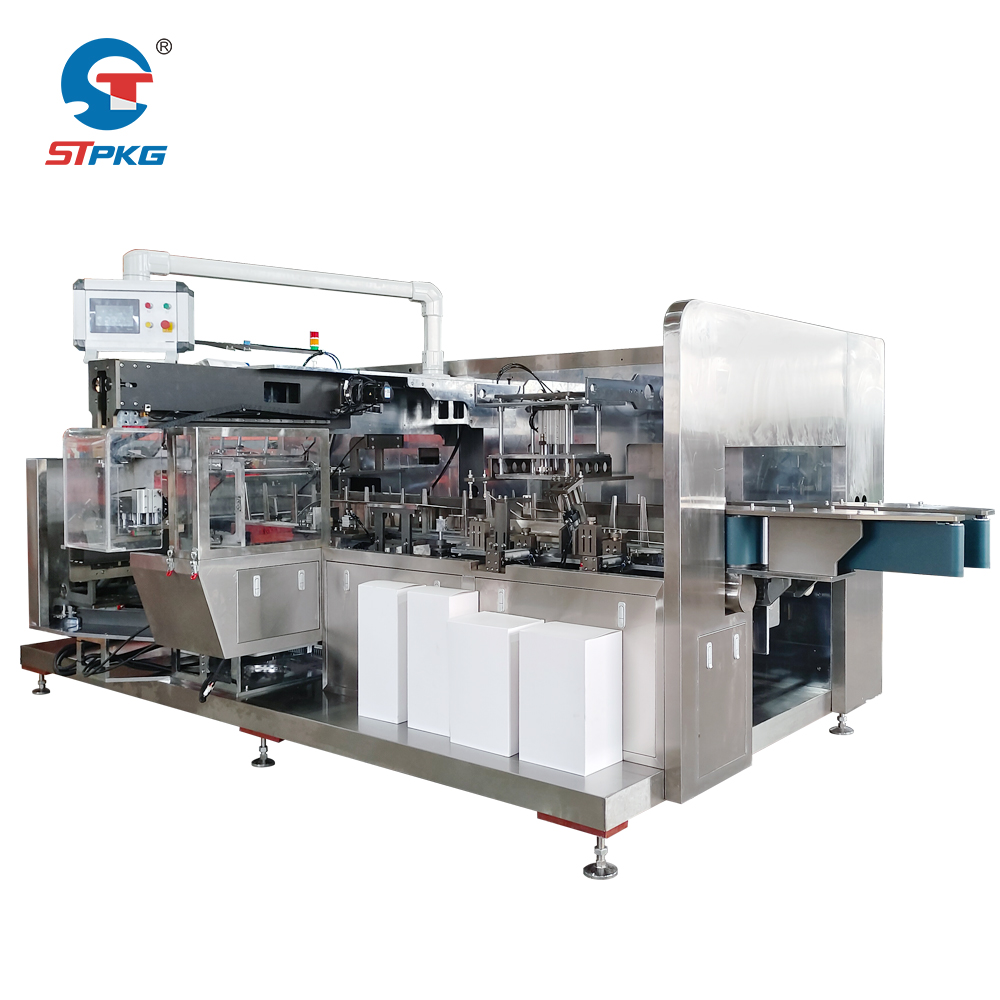
Shipping preparation represents one of the most time-consuming operations in modern warehouses and fulfillment centers. As order volumes increase and customer expectations for delivery speed intensify, businesses face mounting pressure to accelerate their packing processes. An automatic box sealer has emerged as a critical solution for organizations seeking to streamline their packaging workflows and maintain competitive advantage in rapidly evolving markets.
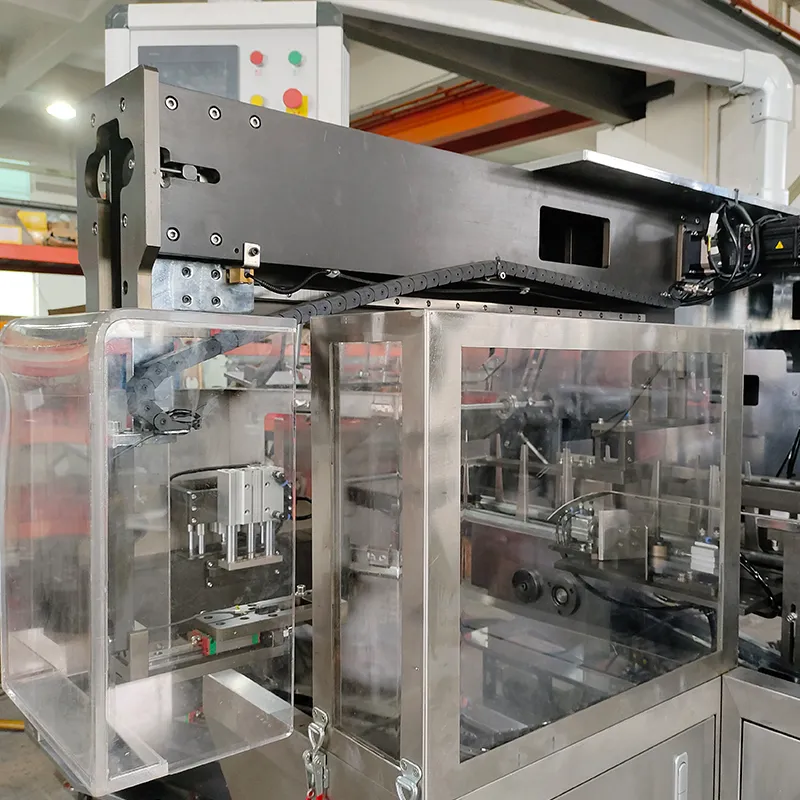
Understanding which businesses truly benefit from investing in packaging automation systems requires examining operational demands, shipping volumes, and cost structures across different industries. Not every organization needs the same level of automation, yet certain business profiles clearly justify the adoption of carton sealing machines and box taping equipment. This guide identifies the key industries and operational scenarios where automatic box sealer technology delivers measurable ROI and operational improvements.
High-Volume E-commerce and Direct-to-Consumer Retailers
Daily Order Processing Demands
E-commerce businesses processing hundreds or thousands of orders daily face relentless packing pressure. A carton sealing machine enables these operations to seal boxes at speeds of 15 to 30 units per minute, depending on equipment specifications. Manual taping becomes physically impossible at such volumes without hiring additional staff, creating inconsistent sealing quality and shipping delays. The packaging automation system prevents bottlenecks during peak seasons when order volume spikes dramatically.
Consistency and Quality Control
Customers expect professional presentation in every shipment. Box taping equipment ensures uniform tape application, secure sealing, and brand-consistent packaging across every single order. An automatic box sealer eliminates human variability in tape tension, overlap, and placement, which manual workers cannot maintain throughout an eight-hour shift. This consistency strengthens brand perception and reduces damage claims during shipping.
Logistics and Third-Party Fulfillment Centers
Cost Reduction Through Automation
Third-party logistics providers operate on thin margins where labor efficiency directly impacts profitability. A carton sealing machine reduces labor costs associated with manual packing and significantly decreases the per-unit sealing cost. When handling millions of boxes annually, even modest per-box savings accumulate into substantial annual cost reductions. Box taping equipment also minimizes tape waste through precise application, eliminating overuse common in manual operations.
Scalability and Flexible Capacity
Fulfillment centers experience seasonal demand fluctuations and client contract variations. An automatic box sealer provides flexible capacity scaling without proportional labor increases. During slow periods, the equipment operates at reduced speeds or remains idle with no salary costs. During peak seasons, the same packaging automation system maintains maximum throughput with minimal additional staffing, offering operational flexibility that pure manual labor cannot provide.
Manufacturing and Industrial Distribution
Batch Processing and Production Integration
Manufacturers shipping bulk orders, industrial components, or parts assemblies benefit from carton sealing machines integrated into production lines. Box taping equipment prevents production bottlenecks by maintaining consistent sealing speed matched to upstream packaging operations. Rather than packing becoming the slowest process, the automatic box sealer sustains throughput parity across the entire shipping preparation workflow.
Quality Documentation and Compliance
Industrial distribution sectors often require documented sealing integrity, tamper evidence, and specific tape specifications for regulatory compliance. A packaging automation system provides consistent, auditable sealing records and ensures every box meets specification requirements. This compliance capability becomes essential for sectors like pharmaceuticals, electronics components, and food distribution where shipping integrity directly affects regulatory standing and customer safety.
Key Indicators Your Business Should Invest in an Automatic Box Sealer
Volume Thresholds and Labor Constraints
Businesses shipping more than 500 boxes daily typically justify automatic box sealer investment within 12 to 18 months through labor savings alone. If your operation currently employs dedicated packing staff whose primary responsibility involves box sealing, a carton sealing machine directly replaces those labor hours. Growing businesses unable to hire additional warehouse workers due to labor market constraints find that box taping equipment provides the capacity increase needed without workforce expansion.
Space Efficiency and Workflow Optimization
A compact packaging automation system occupies minimal warehouse floor space while delivering significant throughput gains. Unlike expanding labor, which requires additional packing stations and floor area, an automatic box sealer consolidates multiple manual operations into a single efficient point in the workflow. This space efficiency enables businesses to maintain or reduce warehouse footprint while increasing shipping volume capacity.
FAQ
What shipping volume justifies investing in a carton sealing machine?
Most businesses shipping 500 or more boxes daily see positive ROI within 12 to 18 months. However, operations shipping 250 to 500 boxes daily may justify investment if labor costs are high or warehouse staff recruitment remains challenging. The decision depends on local labor rates, current staffing costs, and shipping volume growth projections rather than volume alone.
How does an automatic box sealer compare to hiring additional packing staff?
Box taping equipment provides consistent capacity without ongoing salary, benefits, and management overhead. Unlike employees, a packaging automation system operates reliably for 5 to 10 years, generates no training costs, and maintains performance quality regardless of fatigue or turnover. However, the equipment requires maintenance and initial capital investment, making it most suitable for high-volume, stable operations rather than seasonal or fluctuating demands.
Can a carton sealing machine integrate with existing warehouse systems?
Modern automatic box sealer models connect to warehouse management systems, conveyor networks, and sorting equipment. Box taping equipment integrates seamlessly into existing workflows without requiring complete operational restructuring. Most packaging automation systems operate standalone or as part of comprehensive packing lines, offering flexibility to match your current warehouse configuration.