
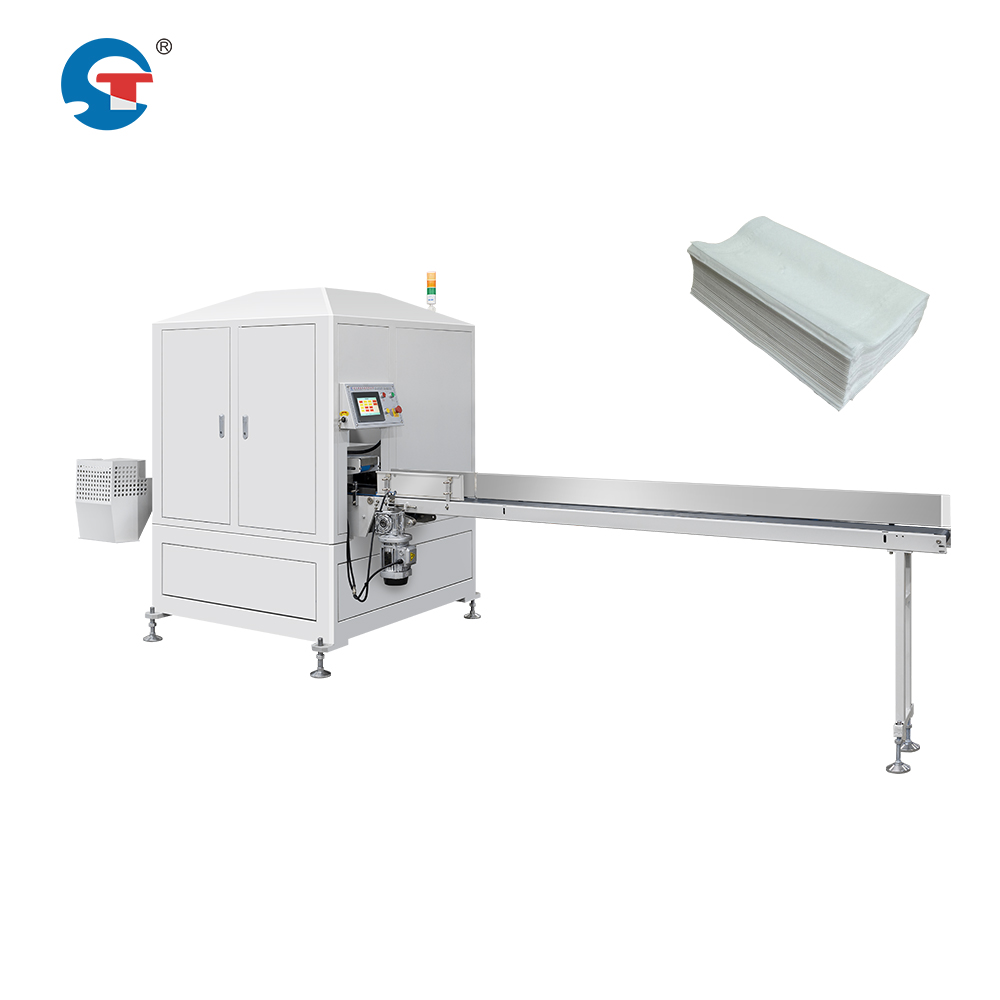
Paper manufacturers face mounting pressure to increase production efficiency while maintaining consistent quality standards. The adoption of a tissue cutting machine has become a strategic investment for mills seeking competitive advantage in today's demanding market. Modern tissue production requires precision at every stage, and automated cutting systems deliver the accuracy, speed, and reliability that manual processes simply cannot match.
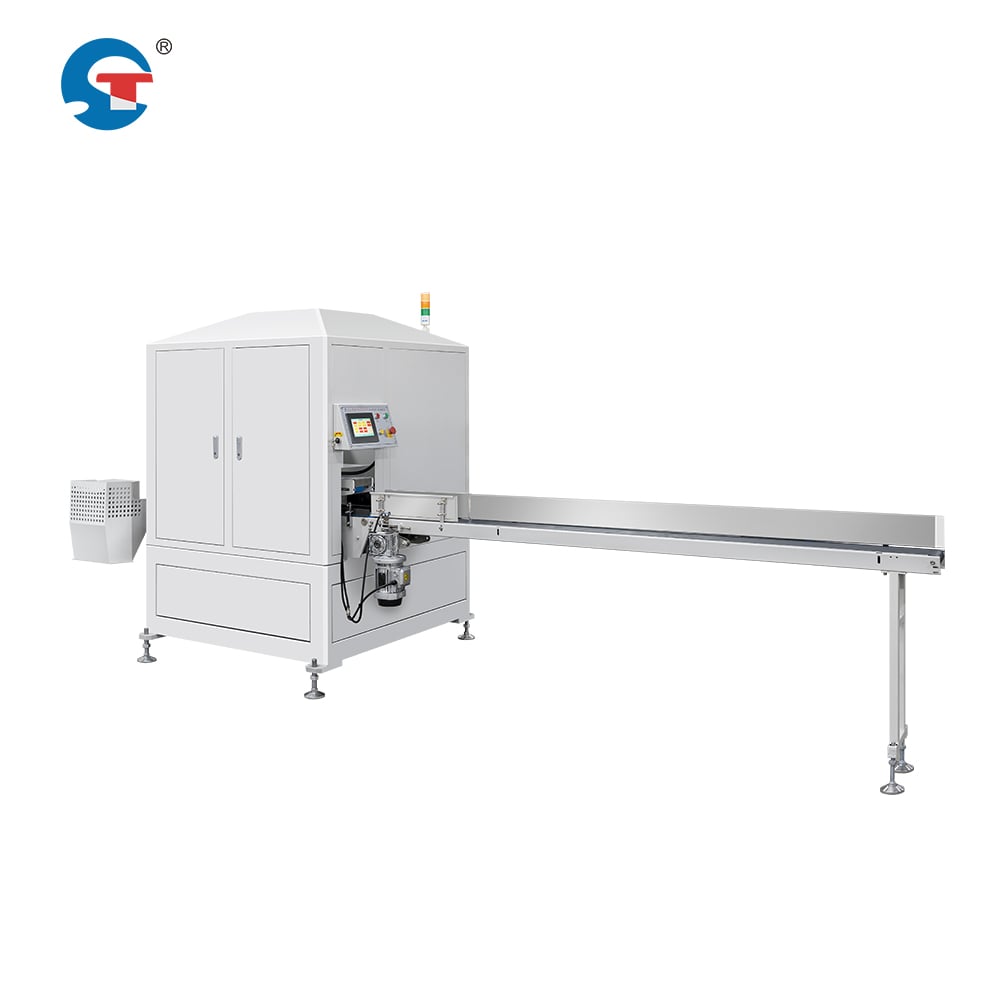
The tissue conversion process demands consistent dimensions, minimal waste, and maximum throughput. Industrial-grade cutting equipment addresses these demands by integrating automated tissue sectioning capabilities with intelligent quality control. Paper manufacturers recognize that investing in precision microtome cutting systems reduces labor costs, eliminates human error, and extends production runs without interruption. This strategic shift toward mechanization reflects the industry's response to rising operational expenses and evolving customer expectations for uniformity and reliability.
Operational Efficiency and Production Speed
Accelerating Output Without Quality Compromise
Tissue cutting machines dramatically reduce processing time compared to manual techniques. Automated tissue sectioning equipment operates continuously, cutting rolls into specified widths and lengths at speeds that would be impossible to achieve manually. This acceleration directly translates to higher daily output, allowing manufacturers to serve larger customer bases without proportionally increasing workforce size. Production schedules become predictable, enabling better inventory management and faster order fulfillment.
Precision microtome cutting systems maintain uniform dimensions across every sheet produced. Unlike manual operators who experience fatigue and variability, automated systems deliver consistent results throughout extended production cycles. This consistency reduces customer complaints, minimizes returns, and strengthens brand reputation. Manufacturers can confidently guarantee dimensional tolerances, creating competitive differentiation in markets where precision matters.
Energy and Resource Optimization
Modern tissue cutting machines optimize material usage by minimizing waste during the sectioning process. Automated tissue sectioning equipment employs sophisticated blade positioning and feed mechanisms that maximize yield from each parent roll. Reduced waste directly improves profit margins, particularly in commodity tissue markets where efficiency determines competitiveness. The systems also consume less energy per unit produced compared to less efficient conversion methods, supporting sustainability goals while lowering operational costs.
Quality Consistency and Cost Management
Eliminating Variables in Production
Manual tissue preparation introduces inherent variability that complicates quality control and customer satisfaction. A precision microtome cutting system removes human judgment from critical cutting parameters, ensuring every sheet meets specification. This consistency reduces downstream problems, such as packaging misalignment or customer rejection. Manufacturers spend less time troubleshooting quality issues and more time focusing on throughput and profitability.
Histology specimen preparation standards increasingly demand precise cutting accuracy. While tissue preparation traditionally meant standard tissue roll production, modern applications extend to specialty papers requiring exact specifications. Automated tissue sectioning equipment adapts to diverse product requirements without lengthy retooling, enabling manufacturers to serve niche markets and custom orders efficiently. This flexibility opens new revenue streams while maintaining quality consistency.
Labor and Maintenance Economics
Implementing a tissue cutting machine reduces direct labor costs associated with manual cutting, stacking, and packaging operations. Workers transition to monitoring, maintenance, and quality oversight roles that command higher skill levels and job satisfaction. This shift improves workforce stability and reduces training expenses. Automated equipment typically requires less frequent maintenance than manual systems, with modern designs incorporating self-diagnostic capabilities that alert operators to potential issues before breakdowns occur.
Predictable maintenance schedules allow manufacturers to plan downtime efficiently, coordinating service activities with production schedules. This proactive approach minimizes emergency repairs and unplanned stoppages. Over a five-year period, the labor and maintenance economics of automated tissue sectioning equipment typically deliver return on investment, making the capital expenditure financially justified.
Market Competitiveness and Scalability
Meeting Growing Customer Demands
Global tissue consumption continues rising, particularly in developing regions where sanitation standards drive demand. Paper manufacturers equipped with precision microtome cutting systems can respond quickly to market opportunities without compromising quality. Automated tissue sectioning capability enables rapid production scaling for seasonal peaks or unexpected surges in orders. This responsiveness strengthens customer relationships and captures market share against less flexible competitors.
Customers increasingly specify exact tissue dimensions and packaging configurations for retail and industrial applications. A tissue cutting machine accommodates these specialized requests more efficiently than manual processes, enabling manufacturers to compete in higher-margin segments. Customization capabilities become a marketable advantage, allowing price premiums that offset the capital investment in automated equipment.
Technology Integration and Future Readiness
Modern tissue cutting machines integrate seamlessly with digital manufacturing systems, collecting real-time production data that enables continuous improvement. Automated tissue sectioning equipment feeds quality metrics into enterprise systems, supporting data-driven decision-making. This digital connectivity positions manufacturers for Industry 4.0 integration, preparing them for future supply chain requirements and customer demands for production transparency.
Investment in precision microtome cutting systems demonstrates commitment to operational excellence and technological advancement. This positioning attracts quality-conscious customers who prefer suppliers demonstrating modern manufacturing practices. Enhanced reputation and customer confidence create competitive advantages that extend beyond immediate production metrics.
FAQ
What specific advantages does automated tissue sectioning equipment provide over manual cutting methods?
Automated tissue sectioning equipment eliminates human variability, increases production speed by five to ten times, reduces material waste, and maintains consistent dimensional accuracy. Manual methods introduce fatigue-related errors, quality inconsistencies, and labor expense that automated systems eliminate. Manufacturers achieve higher output with fewer workers while improving product uniformity and customer satisfaction.
How does a precision microtome cutting system improve overall production economics?
A precision microtome cutting system reduces per-unit production costs through increased throughput, minimized waste, and lower labor requirements. The capital investment in tissue cutting machines typically generates positive return within three to five years through accumulated efficiency gains and reduced scrap rates. Additionally, ability to serve specialty markets with exact specifications creates premium pricing opportunities that accelerate financial payback.
Can histology specimen preparation standards be maintained with automated tissue sectioning equipment?
Yes, modern automated tissue sectioning equipment exceeds precision requirements for histology specimen preparation and all standard tissue product specifications. These systems maintain tighter dimensional tolerances than manual methods while documenting every cut through digital records. The consistent accuracy makes automated equipment ideal for applications requiring regulatory compliance or documented quality assurance.