
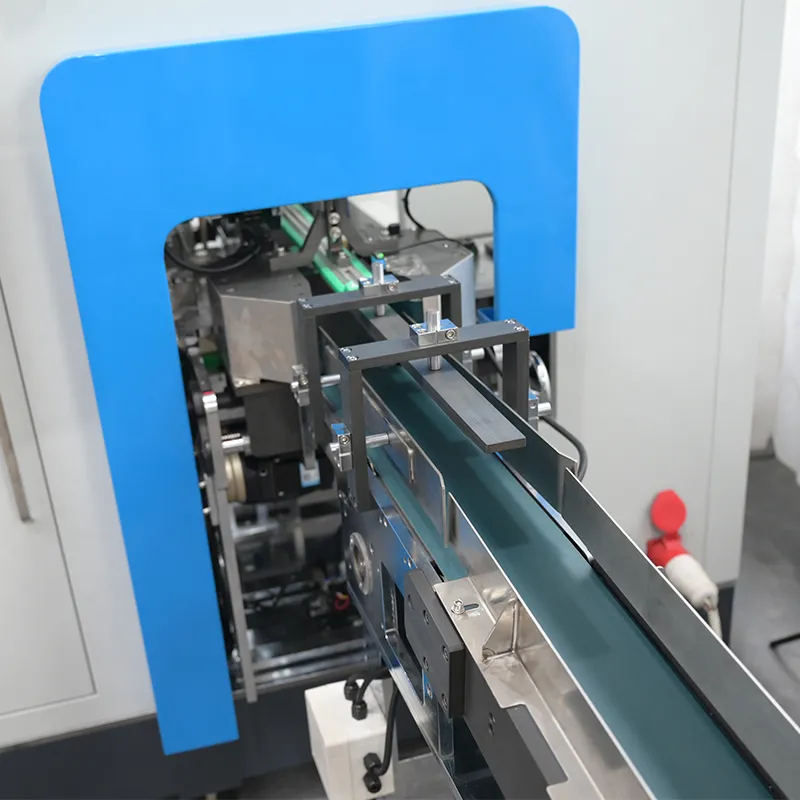
Selecting the right toilet paper packaging machine is one of the most critical decisions tissue manufacturers face today. The equipment you choose directly impacts production efficiency, product quality, operational costs, and your competitive position in the market. A poor selection can lead to bottlenecks, quality inconsistencies, excessive downtime, and wasted capital investment. Understanding what to evaluate before making this significant commitment ensures your facility operates smoothly and profitably for years to come.
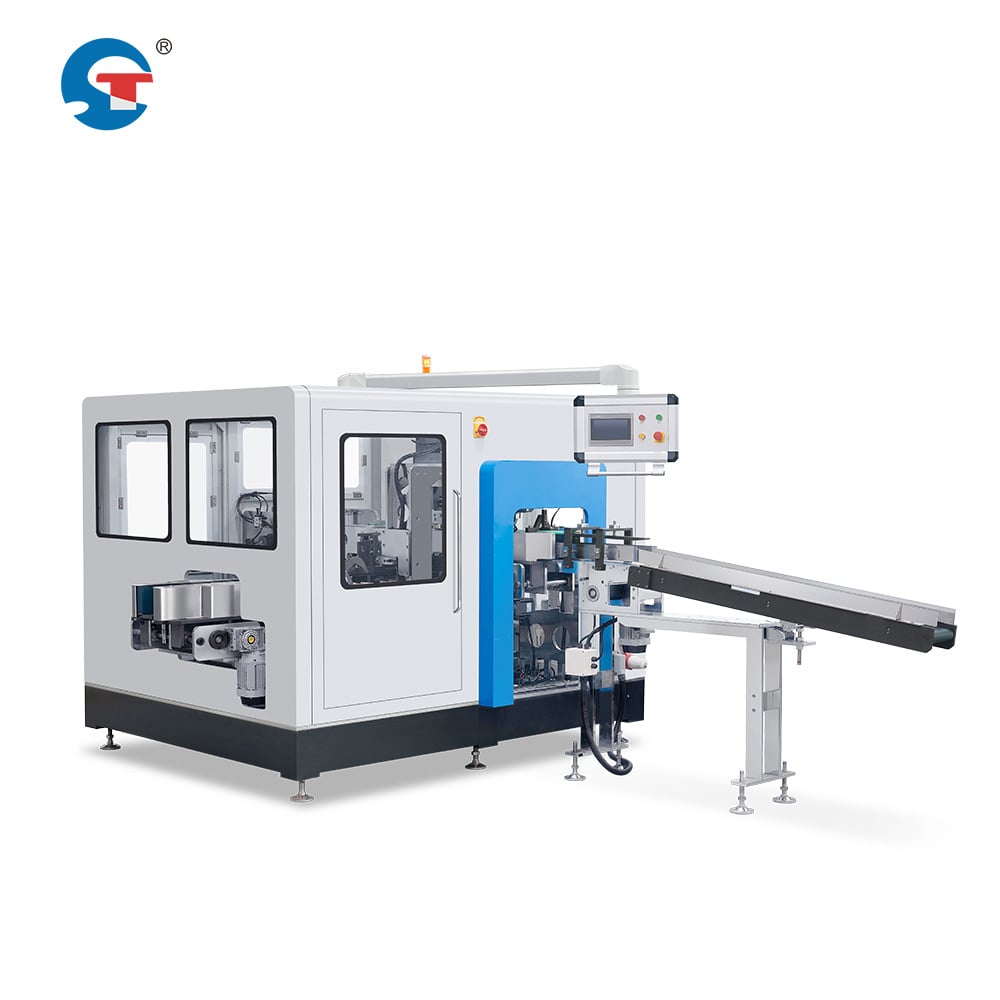
Before committing funds to automatic toilet paper roll wrapping equipment, manufacturers must evaluate multiple technical, financial, and operational dimensions. This comprehensive assessment protects your investment while ensuring the machinery aligns with your production goals, facility constraints, and long-term business strategy. The following framework covers the essential areas every business should investigate during the selection process.
Production Capacity and Output Requirements
Matching Machine Speed to Business Demand
Production capacity is the foundation of any machinery investment decision. You must first determine your current production volume requirements and anticipated growth over the next three to five years. Automatic toilet paper roll wrapping equipment comes in various speed ratings, typically measured in rolls per minute. Selecting equipment rated significantly below your needs creates production bottlenecks, while oversizing wastes capital on unused capacity. Calculate your peak demand scenarios and choose machinery with rated capacity that comfortably exceeds your highest expected output without operating at maximum throttle continuously.
Flexibility and Scalability Considerations
Production volumes fluctuate due to seasonal demand, market expansion, and customer requirements. The tissue paper packaging line specifications should support flexible roll diameter and width configurations to serve multiple customer segments. Modern packaging machines offer adjustable settings that accommodate various roll sizes without requiring complete retooling. This flexibility enables you to respond quickly to market opportunities and customer requests without investing in additional equipment, improving your return on investment and operational agility.
Technical Specifications and Operational Efficiency
Understanding Critical Performance Metrics
Tissue paper packaging line specifications encompass numerous technical parameters that directly affect efficiency and product quality. Examine the wrapping material compatibility, including film types, thickness ranges, and adhesive requirements. Review the core dimensions the machine can handle, heating element consistency for film sealing, and cutting precision tolerances. Evaluate whether the equipment includes automated tension control, which prevents film breakage and ensures uniform wrapping. Inspect the sensor systems for roll detection, positioning accuracy, and fault prevention. These technical details determine whether your packaging meets customer expectations and industry standards while minimizing waste and rework.
Maintenance Requirements and Downtime Prevention
Equipment reliability directly impacts your bottom line through reduced unplanned downtime and lower maintenance costs. Research the accessibility of replacement parts, typical maintenance intervals, and whether the machine includes automatic diagnostics for troubleshooting. Some automatic toilet paper roll wrapping equipment features modular designs that allow technicians to replace worn components quickly without stopping the entire production line. Verify whether the manufacturer offers preventive maintenance training and whether spare parts are readily available in your region. Robust construction materials and proven mechanical designs reduce unexpected failures that disrupt production schedules.
Cost Analysis and Financial Planning
Evaluating Toilet Paper Production Machinery Cost Beyond Purchase Price
Toilet paper production machinery cost extends far beyond the initial equipment purchase. Calculate the total cost of ownership by including installation expenses, operator training, spare parts inventory, ongoing maintenance, and utilities consumption. Different machines have varying energy requirements depending on heating systems, motor specifications, and automation features. Some equipment requires extensive factory customization, which increases lead times and project costs. Request detailed cost breakdowns from equipment suppliers including all ancillary expenses. Compare the capital investment against projected revenue increases from improved efficiency and product consistency to determine realistic payback periods.
Return on Investment and Operational Economics
Calculate your expected return on investment by comparing equipment costs against productivity gains and cost reductions. Modern automatic toilet paper roll wrapping equipment typically reduces labor costs through higher speeds and fewer operator interventions. Improved packaging consistency may allow premium pricing or access to more demanding customer segments. Lower scrap rates from better wrapping accuracy reduce material waste and improve margins. Project these financial benefits over five to ten years to understand the true value proposition. Additionally, evaluate whether equipment efficiency improvements justify higher upfront costs compared to basic models.
Integration and Facility Compatibility
Production Line Integration and Space Requirements
Your tissue paper packaging line specifications must align with existing production equipment and facility layout. Assess whether the packaging machine integrates smoothly with your current converting equipment, core ejection systems, and downstream handling processes. Evaluate the footprint and clearance requirements, including space for operator access, material handling, and maintenance activities. Some machinery requires elevated platforms or specialized power connections that increase installation complexity. Verify that your facility infrastructure, including electrical capacity, compressed air availability, and environmental controls, meets the equipment manufacturer's requirements without expensive modifications.
Operator Interface and Workforce Requirements
The interface between machinery and operators significantly affects daily production performance. Evaluate whether the control system uses intuitive touchscreens, standard industrial programming, or legacy controls. Modern automatic toilet paper roll wrapping equipment typically features user-friendly interfaces that reduce training time and operator errors. Assess whether your existing workforce can adapt quickly or whether you need specialized technicians. Consider whether the equipment supports remote diagnostics and whether the manufacturer provides comprehensive training and documentation. These factors influence how rapidly your facility achieves peak performance after installation.
FAQ
What is the typical lifespan of a toilet paper packaging machine?
Well-maintained automatic toilet paper roll wrapping equipment typically operates reliably for seven to twelve years depending on usage intensity, maintenance practices, and technological obsolescence. Proper preventive maintenance, prompt repair of worn components, and keeping spare parts in stock significantly extend equipment life. However, manufacturers regularly introduce improved models with better efficiency and features, making equipment replacement economically attractive before complete mechanical failure, particularly when calculating energy savings and reduced downtime.
How do I determine the right production capacity for my facility?
Calculate your average daily production volume across all roll sizes and grades, then add twenty to thirty percent for peak demand periods. Review your sales forecasts and growth projections to anticipate future volume increases. Discuss capacity requirements with tissue paper packaging line specifications experts to understand machine speed ratings and whether modular configurations can accommodate growth without complete replacement. Choosing equipment rated at eighty to ninety percent of your peak expected capacity provides operational headroom while avoiding excessive oversizing.
What are the key differences between basic and advanced toilet paper production machinery?
Advanced automatic toilet paper roll wrapping equipment typically includes automated tension control, integrated quality inspection, faster cycle times, and flexible film options compared to basic models. While toilet paper production machinery cost increases with advanced features, the efficiency gains and reduced scrap often justify the premium. Advanced machines also offer better integration with factory management systems for tracking production, monitoring performance, and predicting maintenance needs, enabling data-driven operational decisions.