
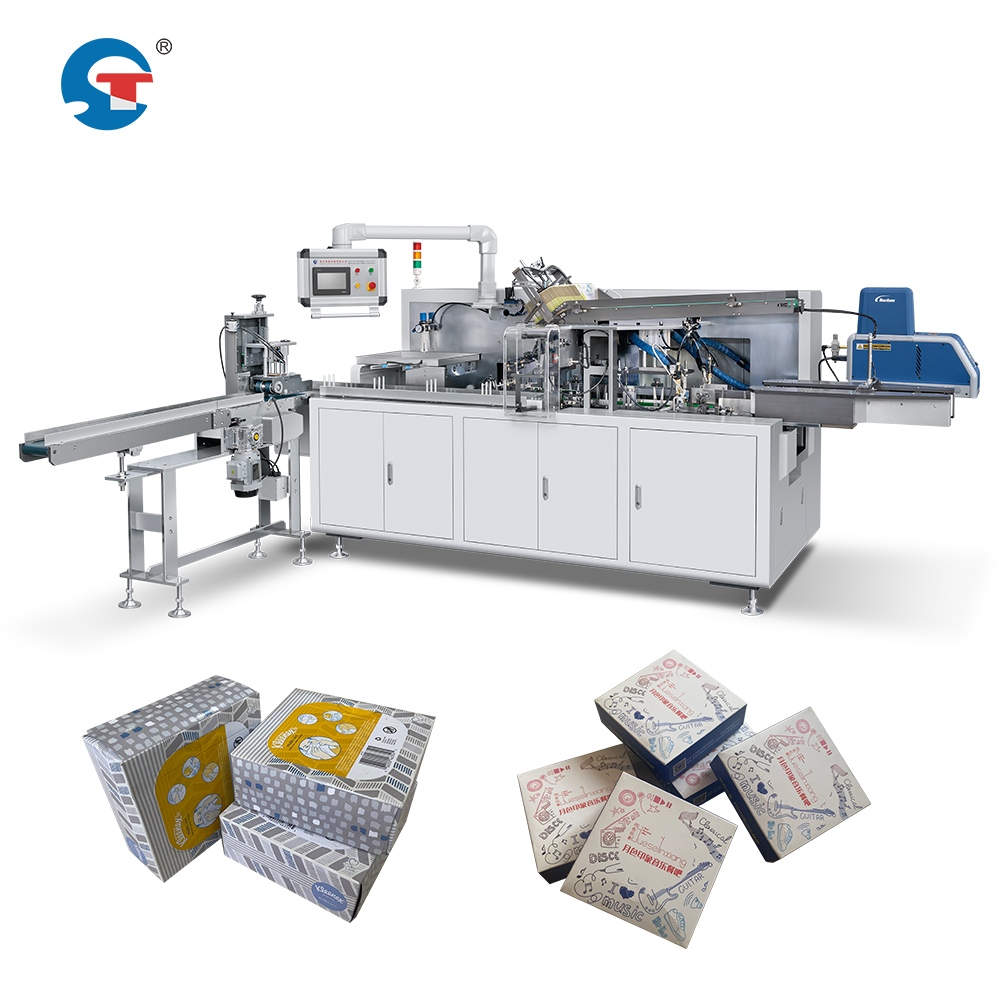
Selecting the right paper napkin packing machine requires understanding specific packaging requirements that ensure efficiency, quality, and compliance across production environments. Whether you operate a small tissue converting facility or manage a large-scale manufacturing line, the packaging specifications your equipment must meet directly impact output speed, product integrity, and cost-effectiveness. This guide explores the critical packaging requirements that define successful paper napkin packing machine applications in modern industrial operations.
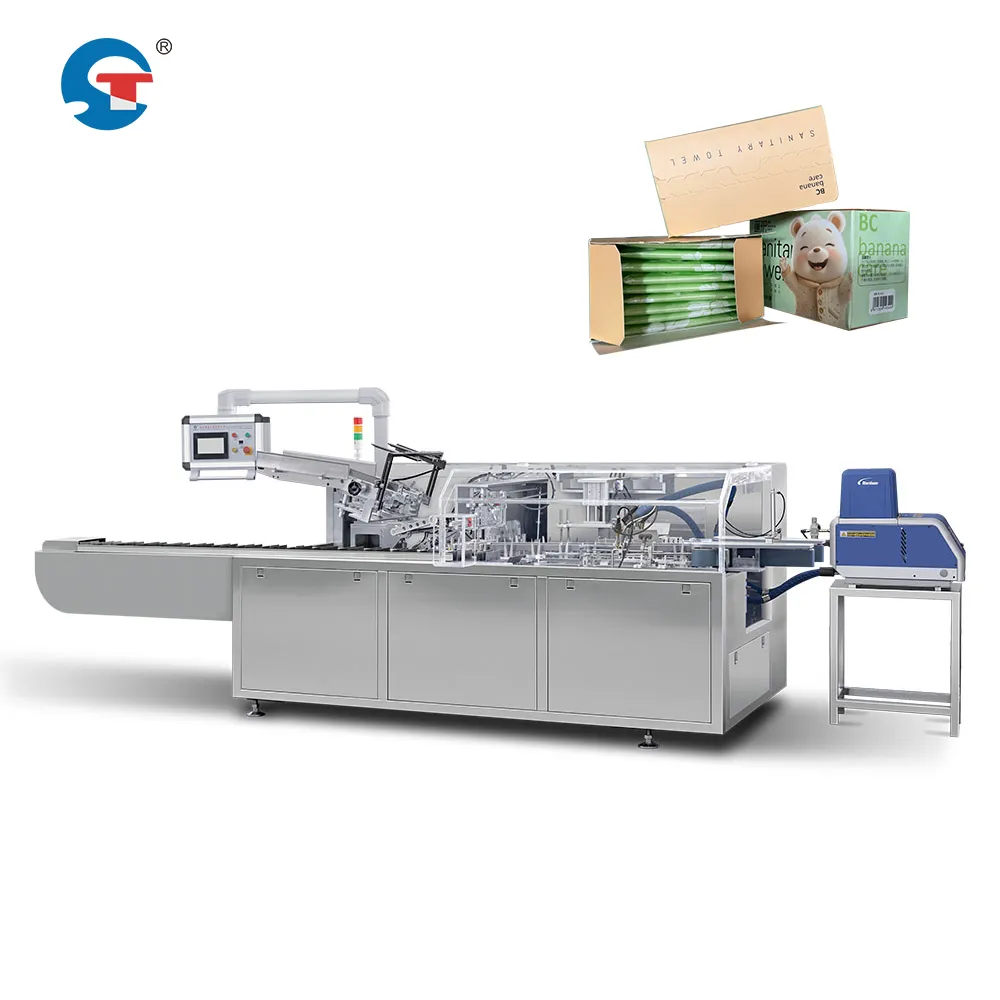
Understanding these requirements before equipment selection prevents costly installation delays and production misalignments. The specifications for automatic tissue wrapping equipment and napkin packaging line specifications vary significantly based on market demands, end-product formats, and regulatory frameworks. Organizations that align their napkin packing machinery with precise packaging standards gain competitive advantages in speed, consistency, and waste reduction.
Core Packaging Format Requirements
Napkin Dimensions and Folding Standards
Paper napkin packing machines must accommodate diverse napkin sizes and folding patterns that vary by market and application. Standard formats include single-fold, multi-fold, and dispenser-compatible configurations, each requiring different mechanical specifications. The tissue paper folding and sealing technology integrated into your equipment must execute precise fold angles, uniform crease patterns, and consistent layering without tearing or misalignment. Production environments demanding rapid format changeovers need machines with quick-change tooling and intuitive adjustment systems to minimize downtime during transitions between product specifications.
Wrapping Material Compatibility
Automatic tissue wrapping equipment must reliably process various wrapper materials including kraft paper, wax-coated stock, and bio-based alternatives. The machine's wrapping mechanism must maintain consistent tension across wrapper feed, prevent material slack that causes loose bundles, and ensure edge sealing that protects napkin stacks from dust and moisture contamination. Different wrapper thicknesses and surface finishes demand adjustable pressure settings, variable speed controls, and material-sensing technologies that automatically compensate for material variations without operator intervention.
Production Volume and Speed Capacity
Throughput Alignment with Market Demands
The napkin packaging line specifications must match your facility's production targets and market order patterns. A paper napkin packing machine designed for 100 packs per minute serves different operational needs than equipment rated for 250 packs per minute. Undersized equipment creates bottlenecks that delay order fulfillment and reduce profitability, while oversized systems waste energy and capital investment. Capacity planning should account for seasonal demand fluctuations, product mix variety, and future growth projections to ensure your tissue paper folding and sealing technology investment remains relevant for 5 to 10 years.
Consistency and Quality Control Mechanisms
Modern automatic tissue wrapping equipment incorporates servo motors, programmable controllers, and vision systems that ensure every packed napkin bundle meets dimensional tolerances and aesthetic standards. Napkin packaging line specifications should include specifications for weight consistency per bundle, wrapper seal strength, fold uniformity, and defect detection capabilities. Real-time monitoring systems track production metrics, identify equipment drift, and trigger alerts before quality deviations impact finished goods. This integration of tissue paper folding and sealing technology with quality assurance reduces waste rates and minimizes customer complaints related to packaging defects.
Material Handling and Machinery Integration
Conveyor System Compatibility
Your paper napkin packing machine must interface seamlessly with upstream tissue converting equipment and downstream palletizing systems. Conveyor heights, transfer mechanisms, and speed synchronization must align precisely to prevent jamming, dropping, or misfeeding of napkin stacks. The automatic tissue wrapping equipment requires standardized infeed dimensions and stable product presentation on the conveyor belt entering the wrapping station. Integration planning during the specification phase prevents expensive retrofitting and production line reconfiguration costs after equipment installation.
Maintenance Access and Component Modularity
Napkin packaging line specifications must include provisions for tool-free access to wearing components like wrapping blades, folder plates, and seal bars. A paper napkin packing machine designed with modular construction allows technicians to replace worn parts quickly without disassembling adjacent systems. The tissue paper folding and sealing technology should feature standardized component interfaces, readily available replacement parts, and clear maintenance documentation that enables facility maintenance teams to keep equipment running with minimal production interruptions. Design modularity directly correlates with equipment longevity and total cost of ownership.
Regulatory Compliance and Sustainability Integration
Food Contact and Hygiene Standards
When napkins are destined for food service environments, the paper napkin packing machine and its wrapping materials must comply with food contact regulations in target markets. Automatic tissue wrapping equipment used in food applications must use approved wrapper materials, maintain sanitary design principles, and undergo certification testing. Napkin packaging line specifications should document compliance with FDA regulations, EU directives, and regional food safety standards applicable to your sales markets. Non-compliance creates liability risks and potential market access restrictions that damage competitive positioning.
Sustainability and Material Efficiency
Modern market demands increasingly favor paper napkin packing machines that minimize wrapper consumption and accommodate eco-friendly material options. The tissue paper folding and sealing technology must execute tight wraps that reduce wrapper waste per bundle while maintaining protective functionality. Automatic tissue wrapping equipment designed for renewable wrapper materials and reduced material consumption aligns with corporate sustainability commitments and appeals to environmentally conscious distributors. Energy-efficient servo systems, optimized pressing pressures, and waste-reduction features directly impact operating costs and environmental footprint metrics.
FAQ
What packaging speeds should a paper napkin packing machine achieve?
Target speeds depend on market demands and product formats, ranging from 80 to 300 packs per minute for standard applications. Automatic tissue wrapping equipment specifications should match your facility's production capacity needs and order fulfillment timelines. Higher-speed systems command premium investment but deliver better unit economics for high-volume producers and large orders.
How do napkin packaging line specifications address different napkin sizes?
Modern automatic tissue wrapping equipment includes adjustable guide rails, programmable fold positions, and changeable folder tooling that accommodate napkin width variations within specified ranges. The tissue paper folding and sealing technology allows quick mechanical adjustments and software recalibration to transition between standard sizes without complete equipment replacement or extensive manual retooling during changeovers.
Why is wrapper material compatibility critical for a paper napkin packing machine?
Incompatible wrapper materials cause seal failures, feeding problems, and production stoppages that disrupt tissue paper folding and sealing technology performance. Napkin packaging line specifications must verify that your machine handles your chosen wrapper materials reliably, including kraft variants, wax coatings, and innovative eco-friendly options, ensuring consistent bundle protection and marketable appearance across production runs.