
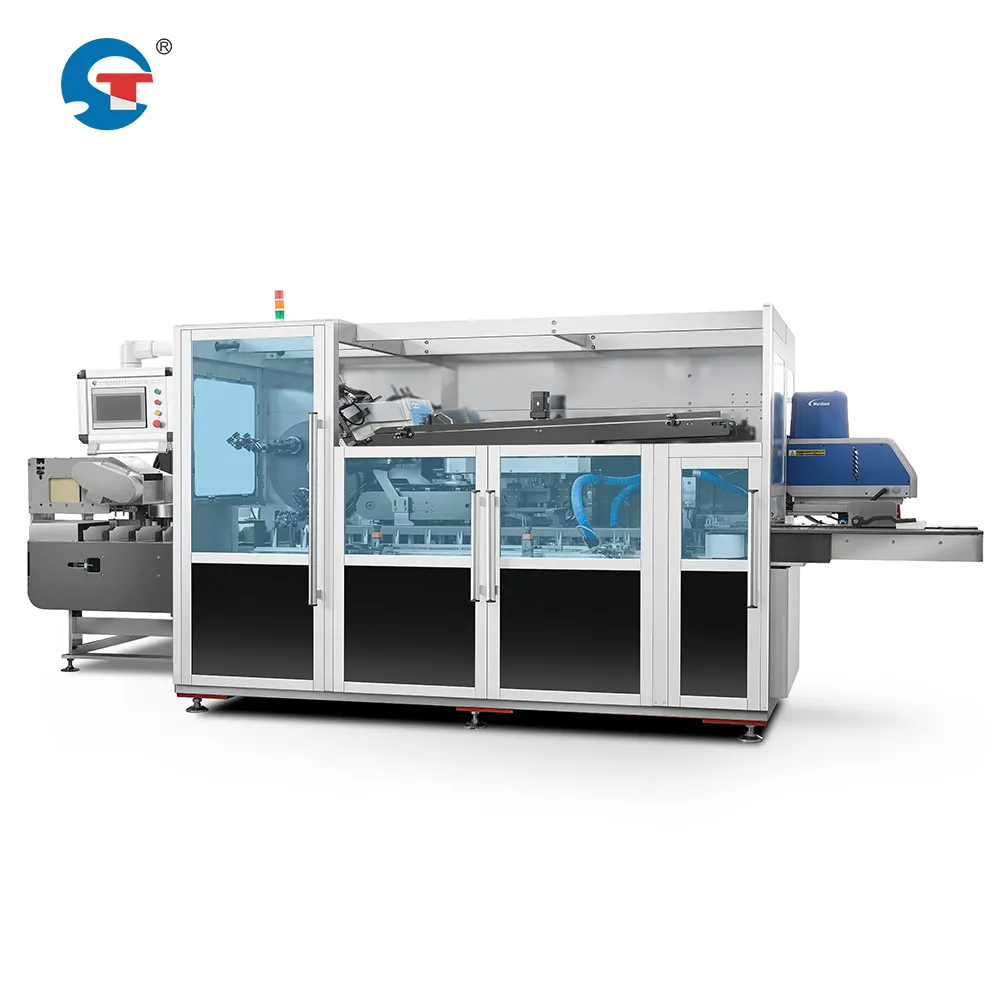
In modern manufacturing environments, packaging efficiency directly impacts profitability and market competitiveness. A high speed cartoner has become essential for companies seeking to maximize throughput while maintaining consistent quality. These machines automate the carton forming, filling, and sealing processes, transforming manual packaging workflows into streamlined operations capable of handling thousands of units per hour.
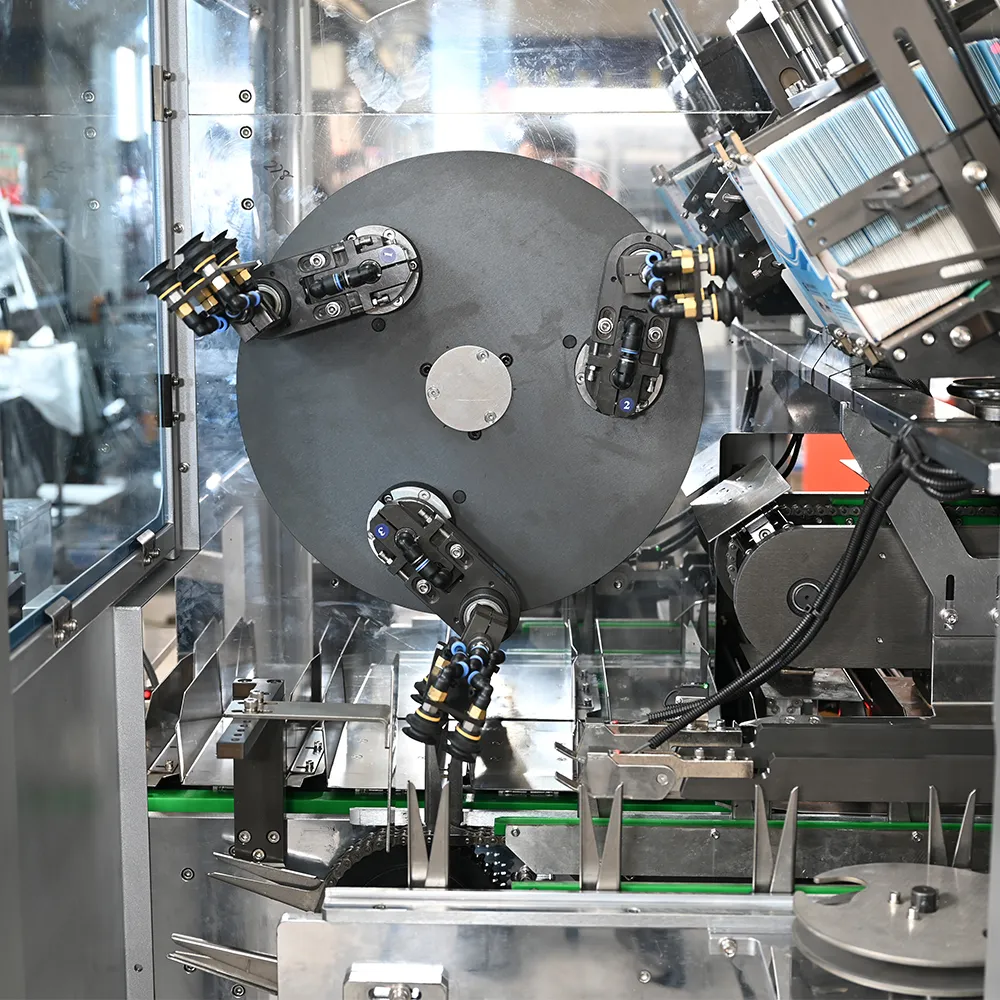
The integration of automatic carton packaging machine technology into production lines represents a strategic investment for industries ranging from pharmaceuticals to consumer goods. By reducing labor dependency, minimizing packaging defects, and accelerating cycle times, these systems enable manufacturers to respond quickly to market demand and scale production without proportional increases in operational costs.
How High Speed Cartoning Enhances Production Capacity
Maximizing Throughput with Automated Carton Formation
Modern cartoning equipment for pharmaceutical products operates at speeds exceeding 100 cartons per minute, fundamentally changing how companies approach packaging strategy. The automatic carton packaging machine eliminates the bottlenecks associated with manual setup and adjustment, allowing continuous operation throughout extended production runs. Each carton is formed, positioned, filled, and sealed with mechanical precision that human operators cannot replicate consistently, especially under sustained production demands.
The speed advantage of high speed case packing solutions extends beyond raw carton count. When a system processes packages at accelerated rates, fixed facility costs, utility expenses, and labor overhead are distributed across significantly higher unit volumes. This cost absorption directly improves per-unit profitability and strengthens competitive pricing in commodity-driven markets.
Consistency and Quality Control in High Volume Operations
An automatic carton packaging machine maintains standardized pressure, alignment, and timing parameters across every single package. Unlike variable human performance, machine-based cartoning equipment for pharmaceutical products delivers identical sealing integrity, fold precision, and label placement for thousands of consecutive cartons. This consistency reduces product damage during transport, lowers customer returns, and protects brand reputation in regulated industries.
Quality metrics improve measurably when high speed case packing solutions replace semi-automated or manual processes. Defect rates drop, inspection costs decline, and compliance documentation becomes automated and traceable. For pharmaceutical manufacturers, where packaging integrity directly affects regulatory compliance and patient safety, this mechanical reliability is non-negotiable.
Workflow Integration and Flexibility Benefits
Seamless Connection to Upstream and Downstream Processes
A high speed cartoner functions as the central hub connecting filling lines, labeling systems, and warehousing operations. Modern cartoning equipment for pharmaceutical products interfaces with conveyor systems, weight checkers, and vision inspection platforms, creating unified production workflows that eliminate handoffs and idle time. The automatic carton packaging machine communicates with facility management systems, providing real-time production data and predictive maintenance alerts.
Integration capability determines how efficiently products move through the packaging phase. When high speed case packing solutions connect smoothly to upstream product supply and downstream case sealing, the entire line operates synchronously. Production managers gain visibility into bottlenecks and can optimize resource allocation across the facility.
Adaptability to Product and Carton Format Changes
Modern cartoning equipment for pharmaceutical products accommodates multiple carton sizes, product dimensions, and packaging configurations without complete system replacement. A high speed cartoner equipped with modular tooling and digital controls can transition between product formats in hours rather than days. This flexibility allows manufacturers to respond to seasonal demand shifts, market opportunities, and customer requests without excessive downtime.
The automatic carton packaging machine's adaptability becomes critical when managing diverse product portfolios. Companies operating high speed case packing solutions can run short production batches, limited editions, or specialized packaging without accumulating excess inventory of obsolete carton styles. This agility reduces capital tied up in inventory and accelerates new product launches.
Economic and Operational Advantages
Reducing Labor Costs and Dependency
Labor shortages and wage inflation have intensified interest in mechanical packaging solutions. A high speed cartoner performs the work of multiple manual laborers continuously, without fatigue, illness, or scheduling complications. The cartoning equipment for pharmaceutical products operates across shifts seamlessly, enabling 24/7 production without requiring expanded staffing. This labor displacement improves profit margins and removes vulnerability to workforce disruptions.
The automatic carton packaging machine requires fewer operators for setup, monitoring, and changeovers compared to semi-automated alternatives. High speed case packing solutions concentrate skilled technicians on maintenance and programming rather than repetitive manual tasks, elevating job quality while reducing headcount-related expense.
Energy Efficiency and Waste Reduction
Advanced cartoning equipment for pharmaceutical products incorporates servo-driven motors and optimized mechanical cycles that consume less energy per carton than older pneumatic systems. A high speed cartoner's precision eliminates packaging waste caused by misalignment, overflowing, or damage during manual handling. Reduced scrap translates directly to material savings and lower landfill disposal costs.
When high speed case packing solutions operate at peak efficiency, utility consumption stabilizes despite increased volume. This scalability ensures that doubling production does not double energy costs, supporting corporate sustainability goals and improving operating margins.
FAQ
What determines the speed rating of a high speed cartoner?
Speed depends on carton size, product weight, fill material, sealing technology, and system configuration. Pharmaceutical cartoning equipment typically operates between 60 and 150 cartons per minute depending on specifications. High speed case packing solutions are customized to match product characteristics and facility infrastructure, so achieving maximum rated speed requires proper product conditioning and supply chain management.
Can existing production lines integrate a high speed cartoner without complete replacement?
Yes, most automatic carton packaging machine systems are designed as modular components that connect to existing conveyors, fillers, and case sealers. Integration requires compatibility assessment of conveyor heights, product presentation methods, and control system interfaces. Many facilities retrofit cartoning equipment for pharmaceutical products alongside current lines, running parallel operations during transition periods to minimize disruption.
How does preventive maintenance impact high speed case packing solutions performance?
Scheduled maintenance on cartoning equipment for pharmaceutical products extends equipment lifespan, prevents unexpected downtime, and maintains consistent speed and quality. High speed cartoner systems depend on precise lubrication, component wear monitoring, and electrical system checks. Proactive maintenance programs cost less than emergency repairs and emergency replacements, protecting production schedules and profitability.