
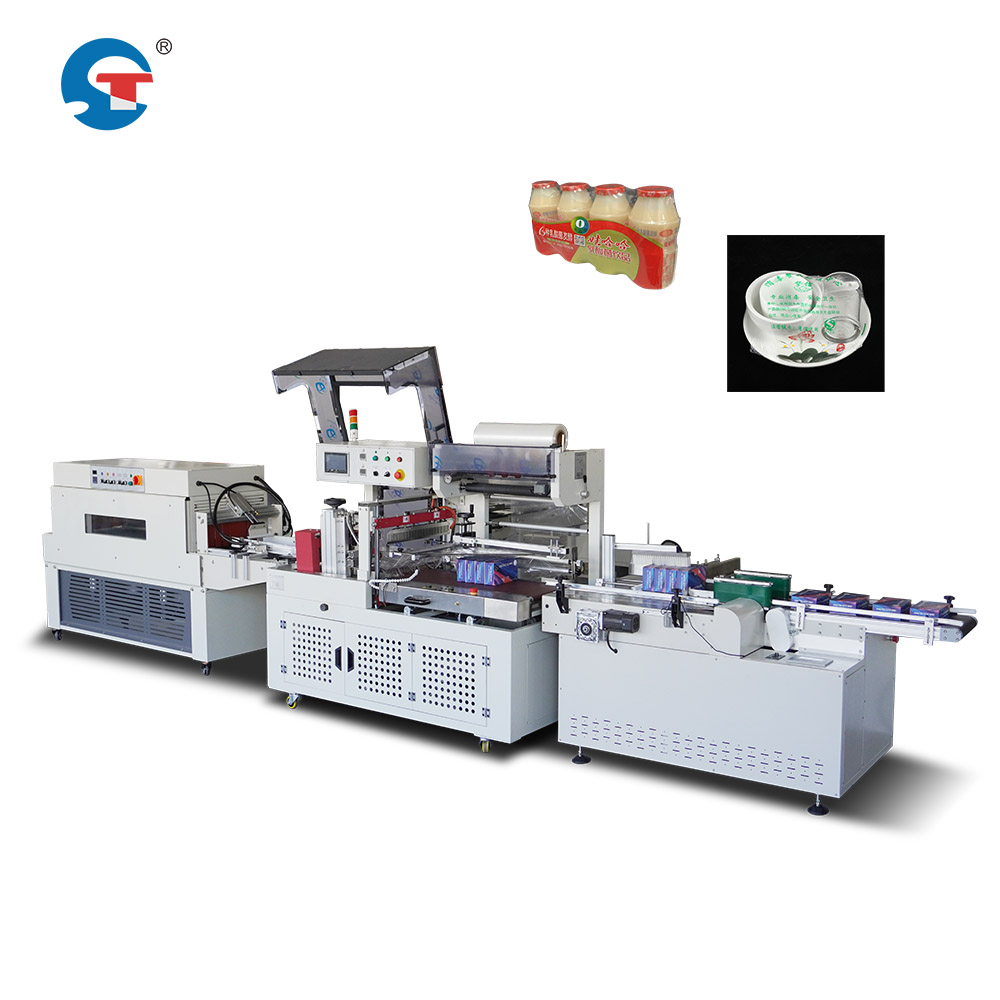
A heat shrink wrap machine represents a critical investment in packaging operations for companies seeking consistent product protection and presentation. Before bringing these systems into production, manufacturers must understand the operational, technical, and maintenance requirements that determine success or failure. This article provides the essential knowledge companies need before deploying heat shrink wrap machine systems in their facilities.
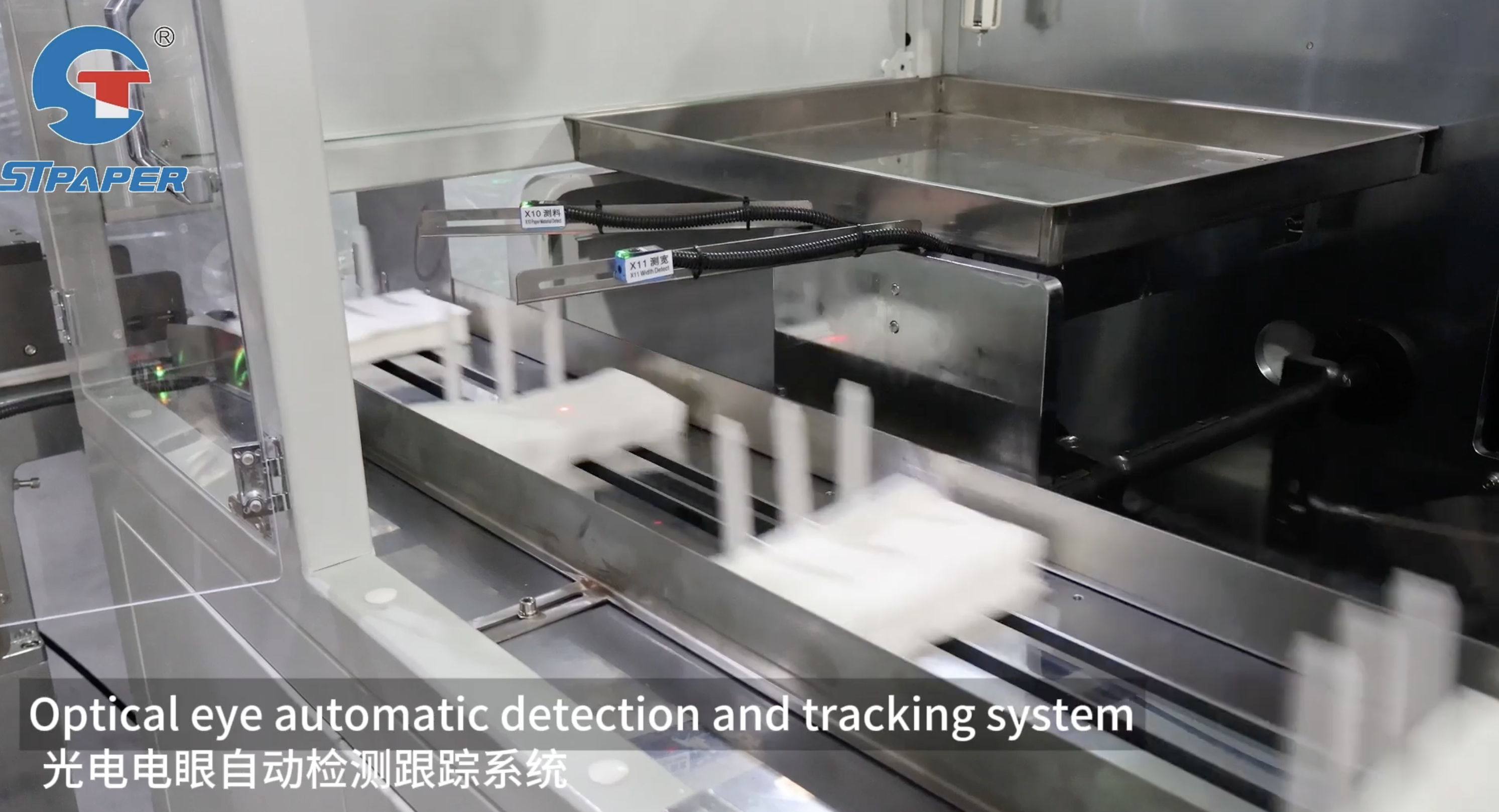
Operating these machines effectively requires knowledge spanning equipment setup, material selection, temperature control, and routine maintenance protocols. Companies that overlook any of these dimensions often face production delays, inconsistent seal quality, material waste, and safety hazards. Understanding the full operational landscape ensures smoother deployment and better long-term performance from shrink wrap packaging equipment for products.
Core Operating Requirements for Shrink Wrap Systems
Understanding the Automatic Shrink Wrap Film Application Process
The automatic shrink wrap film application process depends on precise coordination between multiple machine components. Film unwinding mechanisms must maintain consistent tension to prevent wrinkles or loose wrapping around products. Once film wraps around the product, heat chambers activate to shrink the material tightly. Companies need operators trained in monitoring film feed rates, ensuring proper film alignment, and detecting jams before they damage equipment or create product defects.
Temperature settings directly impact seal quality and material performance during automatic shrink wrap film application. Film that receives insufficient heat fails to seal properly and leaves gaps where moisture enters. Excessive heat causes film to become brittle, tears during handling, and may even burn through the material. Each film type and product geometry requires calibrated temperature profiles that operators must understand and adjust correctly.
Heat Shrink Wrap Film Thickness Selection and Compatibility
Heat shrink wrap film thickness determines both protection level and machine performance. Thinner films reduce material costs but offer less puncture resistance and require more precise temperature control. Thicker films provide superior cushioning and durability but demand higher heat input and longer dwell times in heating chambers. Companies must match heat shrink wrap film thickness to their specific products, handling conditions, and storage environments.
Selecting the correct thickness also influences how automatic shrink wrap film application systems process materials. Machines designed for thin films may jam or bunch thicker materials during feeding. Conversely, equipment rated for heavy film may waste material and energy processing lighter gauge options. Before deployment, operations teams should test film thickness compatibility on their specific equipment to prevent production interruptions.
Temperature Control and Safety Considerations
Managing Heat Shrink Wrap Machine Temperature Settings
Temperature management forms the foundation of reliable heat shrink wrap machine operation. Most systems use electric heating elements or steam to raise chamber temperatures to 250–300 degrees Fahrenheit depending on film composition. Thermostats and temperature sensors must function accurately; drift in readings leads to inconsistent shrinkage and quality variations. Companies should implement daily temperature calibration checks and maintain detailed logs of all adjustments.
Uneven heat distribution inside shrinking chambers creates common problems including incomplete shrinkage on product edges and localized film thinning. Modern shrink wrap packaging equipment for products uses multiple heating zones to ensure uniform temperature across the entire film surface. Operators must understand how heat flows through their specific machine and recognize warning signs like temperature fluctuation alarms that indicate maintenance needs.
Worker Safety and Burn Prevention Protocols
Heat shrink wrap machines present legitimate burn hazards that companies cannot ignore during operational planning. Chamber temperatures exceed 250 degrees Fahrenheit during normal operation, and film emerging from heating zones remains extremely hot for several seconds. Operators require proper training on safe hand positioning, when to use protective equipment, and how to respond if contact occurs.
Facilities should install machine guards around hot zones, implement clear warning labels, and establish lockout procedures for maintenance activities. Emergency stop buttons must remain accessible and functional. Companies deploying heat shrink wrap machines should conduct safety audits, provide operator certification programs, and maintain incident documentation. Insurance carriers often review these safety measures before coverage approval, making compliance a business necessity.
Maintenance, Troubleshooting, and Performance Optimization
Routine Maintenance Schedules for Shrink Wrap Equipment
Preventive maintenance extends heat shrink wrap machine lifespan and prevents costly downtime during peak production periods. Companies should establish daily cleaning routines to remove film dust and residue from guide rails and feed mechanisms. Weekly inspections should verify heating element functionality, check sensor calibration, and inspect for visible wear on rollers or seals.
Monthly deep maintenance includes replacing worn conveyor belts, lubricating moving parts, and testing emergency stop functions. Manufacturers typically provide specific maintenance schedules in equipment documentation; companies that follow these protocols experience 30–40 percent fewer breakdowns compared to those using reactive maintenance only. Tracking maintenance history helps identify recurring problems and informs upgrade decisions.
Diagnosing Common Operational Problems
Poor seal quality often indicates either incorrect heat shrink wrap film thickness compatibility or temperature calibration drift. Operators should verify film spec sheets match machine settings and run a sample batch before full production. Loose or wrinkled wrapping suggests tension adjustment problems in the automatic shrink wrap film application system that require immediate correction.
Film breakage during operation typically stems from either too-tight feed tension or contamination on feed rollers. Cooling problems occur when extraction fans malfunction, leaving film too soft for proper stacking. Companies benefit from maintaining spare parts inventory including heating elements, temperature sensors, and conveyor components. Understanding these diagnostic patterns helps operations teams quickly restore equipment function and minimize material waste.
FAQ
What training do operators need before using a heat shrink wrap machine?
Operators should complete manufacturer training covering equipment startup, film loading, temperature adjustment, and emergency procedures. Hands-on practice under supervision helps build confidence with automatic shrink wrap film application systems. Competency verification through practical exams ensures operators understand safety protocols and can troubleshoot basic problems independently.
How often should companies replace heat shrink wrap film thickness specifications?
Film specifications need review whenever product dimensions change, packaging requirements shift, or supplier sourcing occurs. Heat shrink wrap film thickness compatibility should be tested whenever switching film suppliers, as slight variations affect machine processing and final appearance. Annual audits of film performance help identify optimization opportunities.
Can one shrink wrap packaging equipment for products handle different film types simultaneously?
Most heat shrink wrap machines perform best with a single film type per production run. Switching between polyethylene and polypropylene films requires temperature adjustments and feed rate changes that interrupt workflow. Companies with diverse packaging needs often benefit from equipment designed with quick-change components to reduce transition time between different film types.