
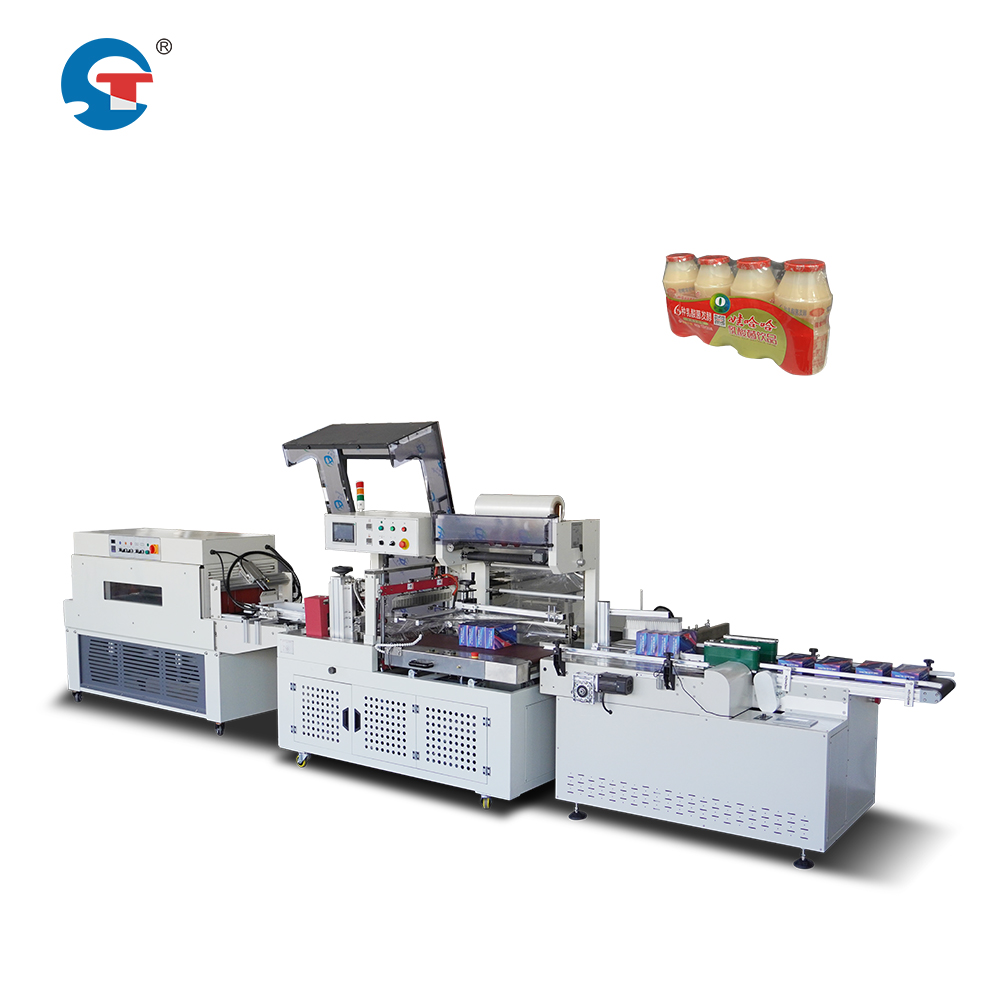
Selecting the right shrink wrap machine suppliers is one of the most critical decisions a manufacturing or packaging business can make. This choice affects not only your immediate operational costs but also your long-term production efficiency, product quality, and competitive positioning. Many businesses rush this decision based primarily on price alone, overlooking crucial factors that determine whether equipment will truly serve their needs.
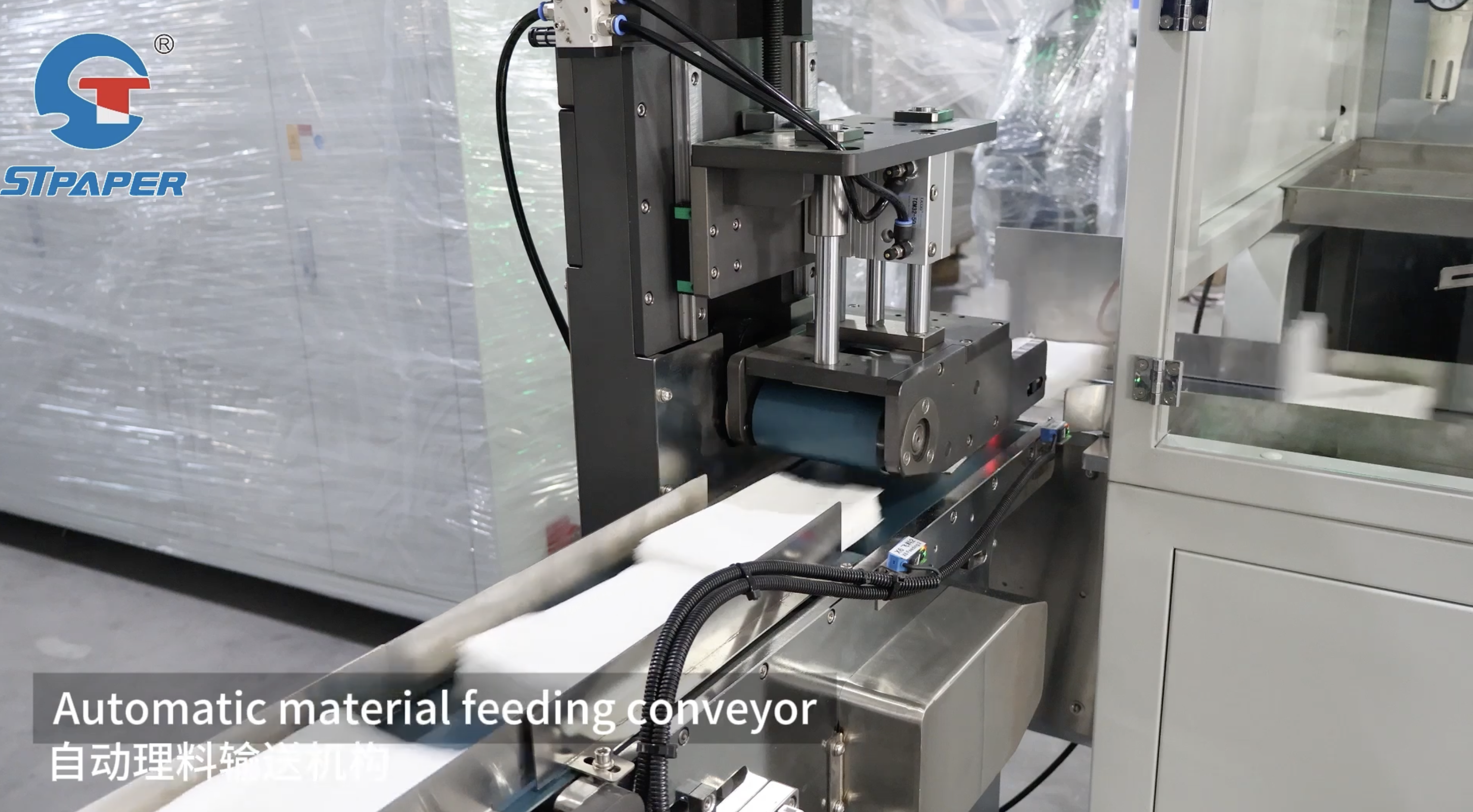
Careful evaluation of shrink wrap machine suppliers protects your business from equipment failures, hidden costs, and compatibility problems that emerge only after installation. The supplier you choose will influence your production timeline, maintenance requirements, training demands, and ultimately your bottom line. Understanding what to look for when evaluating automatic shrink wrapping equipment for packaging ensures you invest in equipment that scales with your business.
Understanding the True Cost of Industrial Shrink Wrap Machine Solutions
Beyond the Initial Price Tag
Industrial shrink wrap machine cost represents far more than the upfront equipment purchase. When evaluating potential suppliers, businesses must account for installation, training, spare parts availability, and long-term maintenance support. Many suppliers quote only the base machine price, but hidden costs emerge quickly once equipment arrives at your facility. Quality shrink wrap machine suppliers transparently break down all expenses, including freight, installation labor, tooling customization, and initial consumables. This transparency reveals whether a supplier truly understands your operational needs or simply wants to close a sale quickly.
Evaluating Total Cost of Ownership
The industrial shrink wrap machine cost equation must include operational expenses over the equipment's lifetime. Automatic shrink wrapping equipment for packaging from different suppliers consumes energy at varying rates, requires different maintenance intervals, and generates different reject rates during production. Calculate the actual cost per wrapped unit across a full production year, factoring in energy consumption, labor time, film waste, and downtime for maintenance. Reliable shrink wrap machine suppliers will provide detailed specifications that enable this calculation, while others may deflect such questions. Higher initial equipment cost sometimes results in lower total cost of ownership due to superior efficiency and reliability.
Critical Specifications and Technical Performance Standards
Heat Shrink Wrap Machine Specifications Matter for Production Fit
Heat shrink wrap machine specifications determine whether equipment can handle your product mix without constant adjustments or failures. Each automatic shrinking application requires precise control over temperature, conveyor speed, and film tension. Examine whether the supplier's equipment accommodates your range of product sizes, weights, and material types. Some automatic shrink wrapping equipment for packaging works excellently for uniform products but struggles with size variation. Ask suppliers to demonstrate their machines on your actual products before purchase, not just generic test items. Heat shrink wrap machine specifications should include detailed technical data on film compatibility, maximum and minimum product dimensions, and environmental operating conditions.
Supplier Support for Technical Implementation
Quality shrink wrap machine suppliers provide comprehensive technical support that extends beyond equipment delivery. They should conduct on-site assessments to understand your production environment, recommend appropriate heat shrink wrap machine specifications for your workflow, and coordinate installation with your team. Ask whether the supplier offers training documentation, video tutorials, remote troubleshooting capabilities, and emergency support during your initial production runs. Industrial shrink wrap machine cost should include reasonable technical support hours during the first few months of operation. Suppliers who disappear after sale delivery inevitably leave you facing equipment problems without guidance, leading to costly production interruptions.
Building a Sustainable Supplier Relationship for Long-Term Success
Service, Spare Parts, and Upgrade Pathways
Evaluating shrink wrap machine suppliers means assessing their commitment to supporting your equipment throughout its operational life. Ask about spare parts availability, typical lead times for replacements, and whether parts are proprietary or based on industry-standard components. Reliable suppliers maintain regional inventory of common wear items, ensuring your downtime stays minimal when replacements are needed. Understand the supplier's upgrade pathway as your business grows or your packaging requirements change. Some automatic shrink wrapping equipment for packaging can be expanded with additional modules or modified to handle new product formats, while other systems cannot scale. Discuss whether the supplier can retrofit newer technology into existing systems years later, or whether growth requires complete equipment replacement.
References and Proven Track Record
Never evaluate shrink wrap machine suppliers without speaking directly to existing customers operating the same or similar equipment. Request references from businesses in your industry using automatic shrink wrapping equipment for packaging from your prospective supplier. Ask these references about their actual experience with equipment reliability, response time during equipment issues, and whether the supplier's performance matched initial promises. Poor references reveal warning signs that even attractive marketing cannot hide. Industrial shrink wrap machine cost comparisons mean little if the cheaper supplier leaves you with unreliable equipment and unresponsive support. A supplier's reputation with existing customers predicts their future behavior with you far more accurately than any sales presentation.
FAQ
What makes evaluating shrink wrap machine suppliers different from purchasing other equipment?
Shrink wrap machines operate continuously during production runs, making equipment reliability directly impact your daily output and revenue. Unlike occasional-use equipment, automatic shrink wrapping equipment for packaging failures can immediately halt your entire packaging operation. Suppliers must provide accessible support and maintain adequate spare parts because even brief downtime multiplies production losses. Additionally, heat shrink wrap machine specifications require fine-tuning for different products, demanding supplier expertise during setup. This ongoing relationship and expertise requirement makes supplier evaluation fundamentally more important than for simpler equipment categories.
How should businesses compare industrial shrink wrap machine cost across different suppliers?
Request detailed proposals from multiple shrink wrap machine suppliers that break down every cost component separately. Calculate total cost of ownership by adding energy consumption rates, maintenance schedules, typical spare parts costs, and expected equipment lifespan. Compare automatic shrink wrapping equipment for packaging based on throughput capacity relative to price, not just the base machine cost. Request trial runs on your actual products to verify performance claims before committing funds. The supplier offering the lowest initial price frequently costs the most over five years due to higher energy use, frequent repairs, and slower throughput.
What questions should businesses ask when evaluating heat shrink wrap machine specifications?
Ask shrink wrap machine suppliers whether their automatic shrink wrapping equipment for packaging handles your complete product range without major adjustments. Request detailed heat shrink wrap machine specifications including film width compatibility, adjustable temperature ranges, and conveyor speed options. Inquire about reject rates on your products and what causes defects. Ask whether the equipment runs unattended or requires constant monitoring, as this affects labor costs significantly. Confirm power requirements and whether your facility can support the equipment's electrical needs without expensive infrastructure upgrades.