
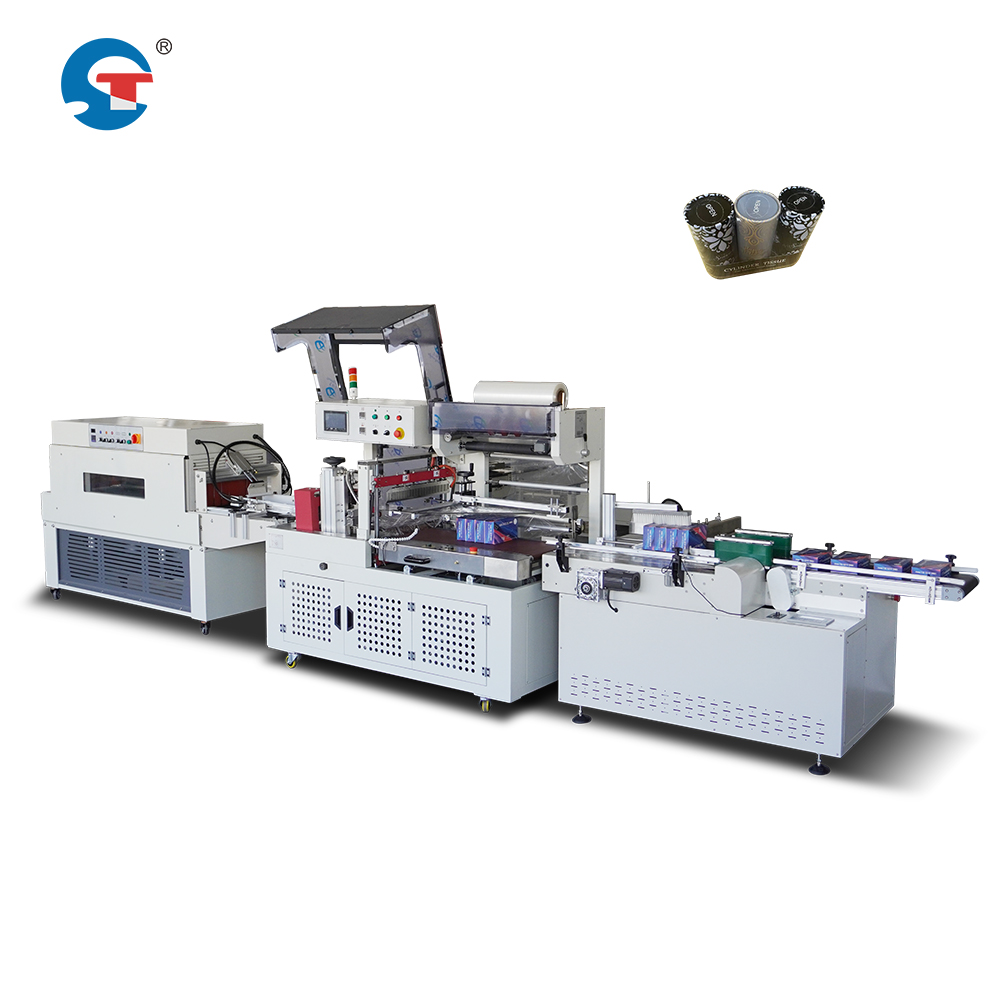
Reliable shrink wrap machine suppliers matter because a wrapping line affects more than the final package. Their guidance can help manufacturers match equipment to products, line speed, available space, and operating practices before a purchase is made. When evaluating industrial shrink wrap equipment specifications, manufacturers need clear answers about capacity, film handling, package dimensions, and integration. The right supplier relationship helps turn those requirements into a practical production decision.
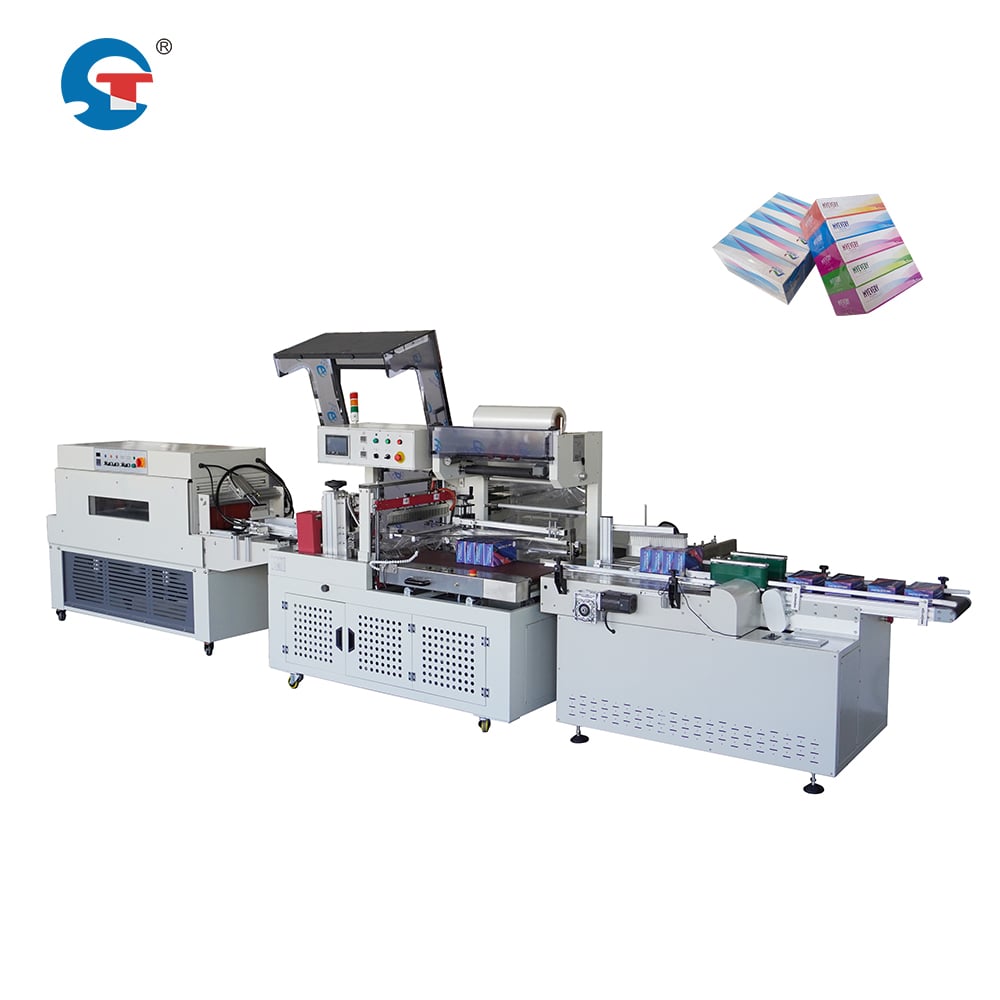
The value becomes especially clear when a machine must fit an existing workflow or protect a product with specific presentation needs. A dependable supplier makes trade-offs visible, explains what information is still needed, and connects equipment choices with realistic operating costs. That is important when comparing shrink wrap machine cost and pricing, or assessing shrink wrap packaging solutions for food products, where package integrity and process requirements both matter.
Reliable Guidance Reduces Equipment Fit Risk
Specifications reflect the real production task
A useful discussion starts with the product, not a machine catalogue. Manufacturers should share package dimensions, expected throughput, film preferences, changeover frequency, and the conditions surrounding the line. Reliable shrink wrap machine suppliers use those details to interpret industrial shrink wrap equipment specifications, including sealing method, conveyor arrangement, permitted package range, and control features.
This clarification prevents a nominal speed figure from becoming the only selection criterion. Industrial shrink wrap equipment specifications should be read alongside actual product spacing, operator routines, and upstream or downstream equipment. A supplier who asks about these constraints can identify gaps early, rather than leaving the production team to discover them during installation or routine operation.
Application details shape the recommendation
Product characteristics can change the required configuration. A compact carton, a multipack, and a delicate retail item may need different feeding, sealing, or discharge arrangements, even when their dimensions look similar. For shrink wrap packaging solutions for food products, manufacturers should also discuss package format, intended handling, and any process or material requirements established for the product.
Experienced shrink wrap machine suppliers make assumptions explicit and ask for samples or drawings when descriptions are not enough. That is valuable when reviewing industrial shrink wrap equipment specifications because the stated operating range must suit the actual package. Clear application review also helps determine whether shrink wrap packaging solutions for food products require special attention to film selection, seal consistency, or line sanitation procedures.
Transparent Costs Support Better Investment Decisions
Compare the full scope, not only the purchase price
A machine quotation is useful only when its scope is clear. Manufacturers should confirm what is included, such as installation guidance, operator instruction, format parts, and the controls needed for the planned line. Reliable shrink wrap machine suppliers explain shrink wrap machine cost and pricing in relation to the specified configuration, so stakeholders can distinguish the equipment price from other project expenses.
The comparison should also consider recurring operating needs. Film consumption, changeover time, maintenance access, and staffing can affect the overall investment case, although the impact depends on the facility and product mix. Asking suppliers to connect shrink wrap machine cost and pricing with industrial shrink wrap equipment specifications gives finance and operations teams a shared basis for evaluating alternatives.
Clarify assumptions before approval
A low initial figure may reflect a narrower scope, while a higher figure may include features or services that are not essential to the application. Manufacturers can avoid misleading comparisons by confirming the same package range, operating assumptions, and support expectations for each proposal. Shrink wrap machine cost and pricing should be reviewed against those details rather than considered in isolation.
A reliable supplier will explain where estimates depend on information that has not yet been confirmed. That makes the discussion of industrial shrink wrap equipment specifications more useful and helps teams plan approval milestones. It also supports a realistic assessment of shrink wrap machine cost and pricing, including any site preparation or integration work that falls outside the machine itself.
Ongoing Support Protects Production Readiness
Commissioning and training connect plans to practice
Equipment value depends on more than delivery. Manufacturers need to know how commissioning will be coordinated, what information operators should receive, and how the machine will be checked against the agreed application. Reliable shrink wrap machine suppliers can help teams prepare for these steps by relating industrial shrink wrap equipment specifications to setup, safe operation, and routine adjustments.
This preparation is particularly important where several package formats share one line. A clear changeover process can help operators make adjustments consistently and spot problems before they interrupt production. When shrink wrap packaging solutions for food products are involved, the team should also verify that operating procedures align with site rules and product-specific handling needs.
Support should match the product and facility
Before purchase, manufacturers should understand how to request technical help, obtain operating documentation, and identify replacement parts. The practical value of shrink wrap machine suppliers is their ability to set clear expectations for support, not simply to promise availability. Discussing industrial shrink wrap equipment specifications alongside maintenance access helps reveal whether planned servicing is workable at the facility.
For food applications, requirements differ by product, packaging format, and plant procedures. Shrink wrap packaging solutions for food products should therefore be discussed in the context of the intended line and applicable internal controls. Manufacturers can ask how film and seal settings are established, what checks operators should perform, and how changes to a package affect the original setup.
Good project communication also helps manage expectations after installation. Teams can document accepted package samples, operating parameters, training completed, and open actions, then use those records when production changes. In this context, industrial shrink wrap equipment specifications act as a reference point, while shrink wrap machine cost and pricing remain tied to the scope and service plan the business approved.
FAQ
Why do manufacturers need to assess supplier reliability?
Reliable shrink wrap machine suppliers clarify application fit, project scope, and support expectations. That helps manufacturers evaluate industrial shrink wrap equipment specifications and reduce uncertainty before committing to a line change.
What should a cost discussion include?
Ask what the quotation covers, which assumptions shape it, and what may be separate. Reviewing shrink wrap machine cost and pricing alongside the proposed configuration makes comparisons more meaningful.
What matters when wrapping food products?
Discuss the package format, film and seal requirements, plant procedures, and product handling. Shrink wrap packaging solutions for food products should be assessed for the specific application, not treated as a one-size-fits-all setup.